
52.6K+
REMOTE JOB LISTINGS PROCESSED
Adzuna Remote Jobs Data Scraping for real-time recruitment intelligence, workforce analytics, salary tracking, and global hiring trend insights.
This case study represents a real-world recruitment intelligence scenario where an analytics organization uses automated job marketplace data extraction methods to transform large-scale employment information into structured workforce insights, salary intelligence, and hiring trend analysis through Adzuna Remote Jobs Data Scraping.
It is designed for:
The client’s main challenge was the rapidly changing remote employment ecosystem where thousands of job listings appeared, changed, and expired every day. Their goal was to convert scattered job marketplace information into a reliable intelligence system that could identify hiring patterns, compensation movements, and emerging remote workforce opportunities.
The organization required a scalable approach to monitor job postings, analyze employer activity, and generate actionable insights from continuously changing recruitment data.
A modern workforce analytics company implemented a large-scale recruitment intelligence framework to understand remote employment trends across industries. The solution focused on extracting structured employment information, analyzing job demand, and identifying changes in hiring behavior through automated data pipelines.
The implementation enabled teams to monitor Adzuna Work From Home Jobs Analytics by collecting remote job advertisements, employer information, required skills, and compensation indicators from continuously changing employment listings.
The system processed Adzuna Remote Hiring Trends Data to identify growing job categories, regional demand shifts, and evolving workforce preferences. Analysts used structured datasets to compare industry requirements, track employer activity, and understand candidate opportunities.
Machine learning models analyzed job frequency, salary ranges, and skill requirements to detect patterns in remote recruitment behavior. Dashboards provided recruitment teams with visibility into market movements, helping them improve workforce planning and hiring strategies.
The initiative demonstrated how automated employment data extraction can transform fragmented job information into structured intelligence, supporting faster recruitment decisions, improved candidate targeting, and better understanding of global remote work ecosystems.
The client faced major difficulties in tracking the continuously changing remote employment market. Thousands of new vacancies were published daily, making manual monitoring ineffective and limiting their ability to identify accurate hiring patterns.
One of the biggest challenges was limited visibility into Adzuna Job Availability Tracking, which made it difficult to understand which industries were actively hiring, where remote opportunities were increasing, and how job demand was shifting over time.
The organization also lacked a reliable system for capturing detailed employment signals such as job titles, required skills, employer activity, and compensation trends. Without structured data, recruitment teams struggled to compare opportunities and analyze market competitiveness.
Another issue was the absence of scalable Adzuna Remote Job Insights API capabilities, which restricted access to real-time workforce intelligence and delayed decision-making.
The client also experienced challenges with fragmented job information, inconsistent formats, and manual reporting processes that consumed significant operational resources.
To solve these problems, they required an automated recruitment data pipeline capable of collecting, cleaning, organizing, and analyzing remote job marketplace information at scale.
By implementing automated employment intelligence workflows, the client replaced manual vacancy monitoring with a structured system that continuously captures job listings, salary details, employer signals, and remote hiring movements.
| Dimension | Manual Job Monitoring | Client Data Intelligence System |
|---|---|---|
| Data collection | Searching individual job listings manually | Automated extraction across multiple job categories |
| Update frequency | Limited periodic checks | Continuous job market monitoring |
| Data organization | Scattered spreadsheets and reports | Structured datasets with standardized fields |
| Salary analysis | Manual comparison of compensation details | Automated salary trend identification |
| Hiring insights | Reactive understanding of market changes | Early detection of workforce movements |
| Skill analysis | Time-consuming manual review | Automated extraction of required skills |
| Market coverage | Limited job sources | Large-scale recruitment ecosystem tracking |
The brand in focus is a recruitment intelligence organization focused on analyzing digital employment marketplaces and transforming job listing data into actionable workforce insights.
The company supports businesses, recruiters, and workforce analysts by helping them understand employment trends, salary movements, skill demand, and remote hiring patterns across different industries.
As remote work expanded globally, the organization faced increasing complexity in monitoring job movements across multiple sectors. Traditional approaches were unable to process the growing volume of listings, changing job descriptions, and rapidly evolving compensation trends.
To overcome these limitations, the company adopted an automated recruitment analytics framework powered by advanced data extraction and processing technologies.
The new system enabled continuous monitoring of remote employment activity, allowing teams to identify emerging opportunities, analyze employer behavior, and improve strategic workforce decisions.
By moving from manual research to structured intelligence generation, the organization achieved faster insights, stronger market visibility, and improved recruitment analytics capabilities.
We delivered an end-to-end recruitment analytics solution that transformed raw employment listings into structured workforce intelligence using automated extraction pipelines, data cleaning frameworks, and scalable processing systems.
The solution captured job titles, company details, locations, employment types, salary ranges, required skills, and posting timelines to create reliable recruitment datasets.
The extracted Adzuna job dataset was processed through validation and enrichment workflows, allowing analysts to measure job demand, identify hiring trends, and compare remote employment opportunities across industries.
The platform cleaned duplicate listings, standardized job attributes, and created structured records suitable for advanced analytics and reporting.
We also integrated Digital Shelf Analytics Solutions into the intelligence framework to improve competitive tracking capabilities, enabling organizations to compare market signals, employer activity, and opportunity availability across digital platforms.
The final solution supported trend detection, salary analysis, workforce forecasting, and real-time recruitment decision-making through automated data pipelines.
The implementation of automated job data extraction enabled the client to gain continuous visibility into remote employment movements across multiple industries. Instead of manually searching through thousands of listings, the system collected job updates, employer activity, and workforce signals in real time.
This allowed recruitment teams to understand where remote hiring demand was increasing, which industries were expanding their workforce, and how job availability changed across different markets.
The structured intelligence helped organizations move from delayed recruitment research to proactive workforce planning, enabling faster responses to changing employment conditions.
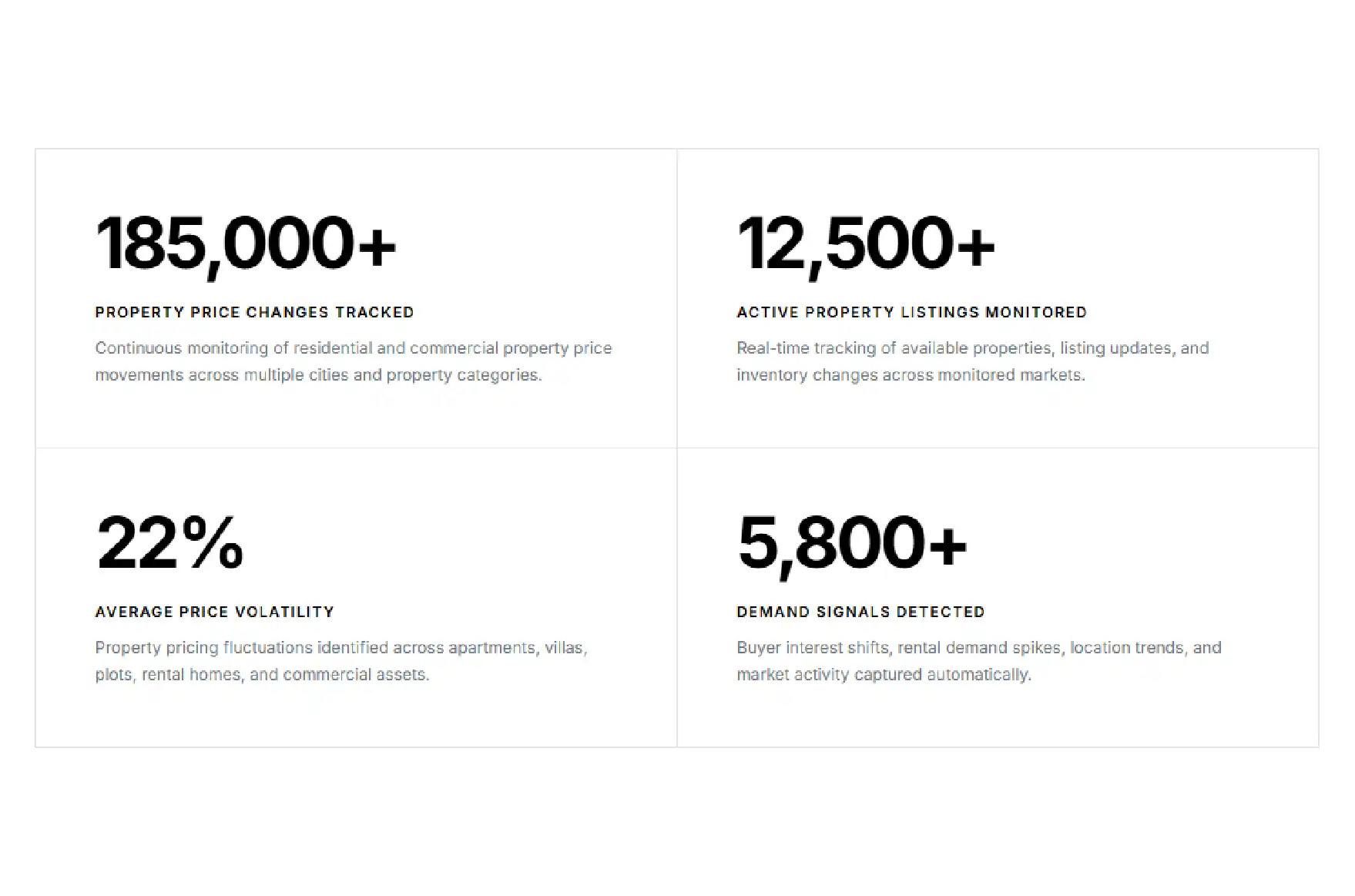
The data pipeline helped the client detect early shifts in remote employment demand by analyzing job frequency, category growth, and skill requirements.
By tracking changes in job postings and employer behavior, the system identified growing roles before they became highly competitive. This supported recruiters in prioritizing high-demand positions and improving candidate sourcing strategies.
The analysis also revealed changing preferences around flexible work models, allowing businesses to understand how remote opportunities evolved across industries and regions.
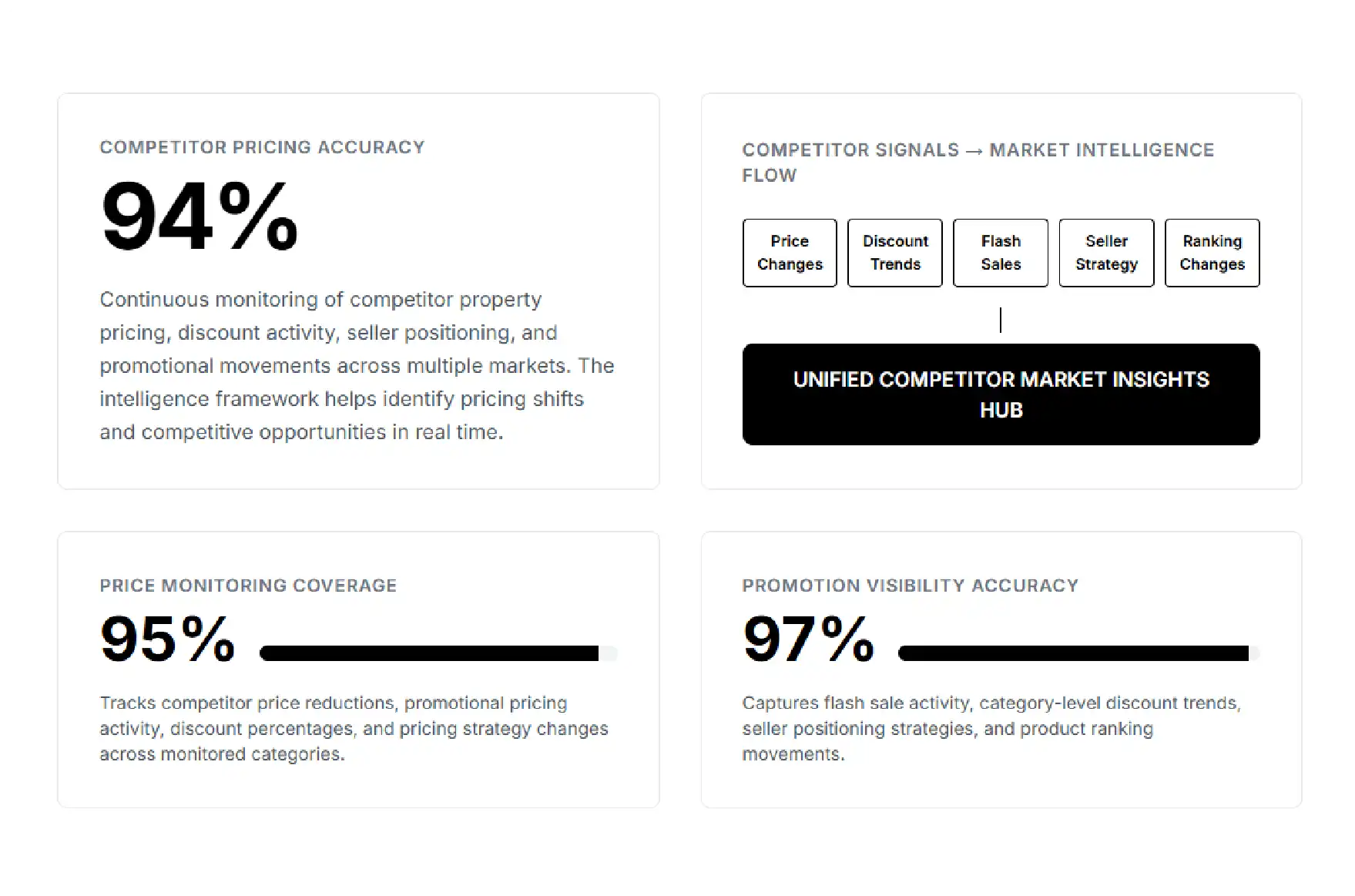
By converting employment listings into structured datasets, the platform enabled detailed analysis of compensation patterns and required professional skills.
The system extracted salary ranges, experience requirements, job categories, and technical capabilities to help the client understand market expectations.
| Metric | Insight Captured | Business Impact |
|---|---|---|
| Salary Range Analysis | Minimum, average, and maximum compensation trends | Improved compensation benchmarking |
| Skill Demand Mapping | Frequently requested skills across roles | Better candidate sourcing strategies |
| Job Category Growth | Expansion or decline of employment sectors | Improved workforce forecasting |
| Employer Activity | Posting frequency and hiring intensity | Identification of active recruiters |
| Location Trends | Regional demand for remote positions | Better market expansion planning |
| Experience Level | Entry, mid-level, and senior requirements | Enhanced talent segmentation |
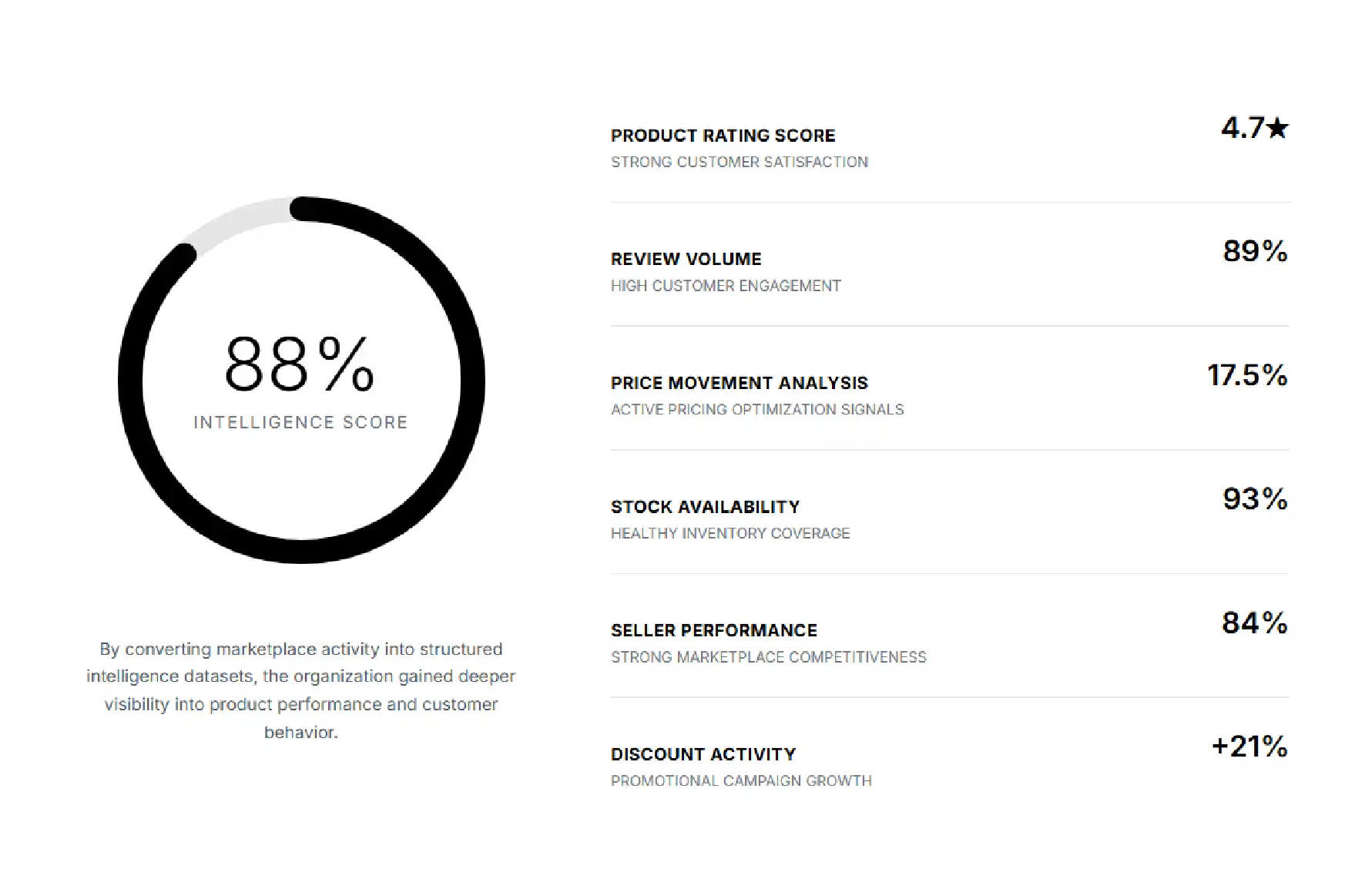
The automated recruitment intelligence framework allowed the organization to monitor large-scale employment activity across industries and locations simultaneously.
Unlike traditional recruitment research methods, the system continuously collected and analyzed job movements without requiring manual intervention.
This scalability helped the client maintain updated visibility into remote hiring ecosystems while improving the accuracy of workforce reports, market analysis, and recruitment strategies.
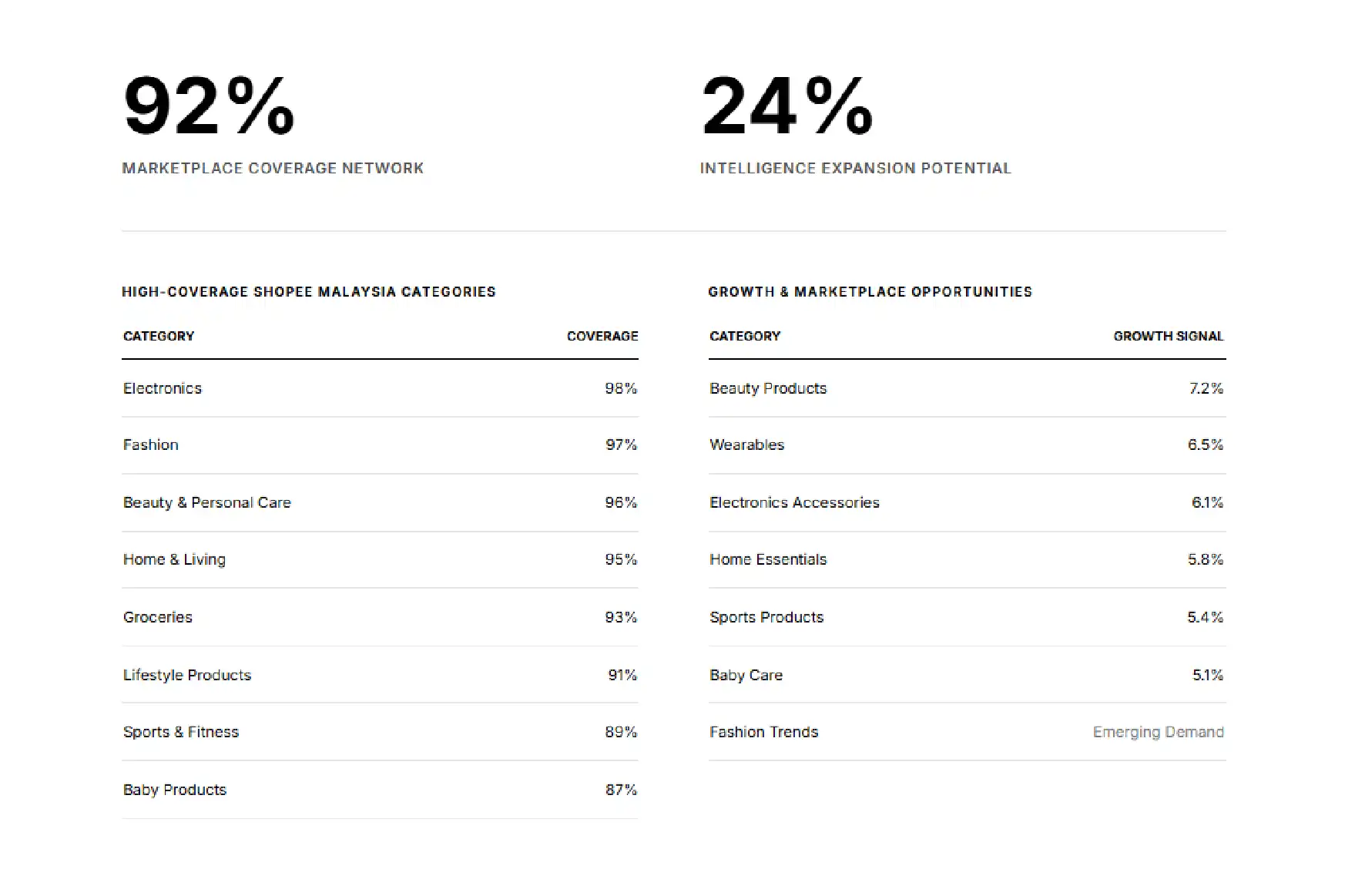
The dataset snapshot represents remote job market intelligence collected across multiple industries. It highlights job categories, salary indicators, employer demand, skills, and engagement signals used for recruitment analytics.
| Company | Job Category | Work Type | Salary Range | Demand Level | Required Skills | Location | Posting Frequency | Market Sentiment |
|---|---|---|---|---|---|---|---|---|
| CloudNova Systems | Software Engineer | Remote | $85K–$125K | High | Python, AWS, APIs | USA | Daily | Positive |
| DataSphere Labs | Data Analyst | Remote | $70K–$105K | High | SQL, Power BI, Analytics | UK | Weekly | Positive |
| BrightScale Tech | Product Manager | Remote | $95K–$140K | Medium | Agile, Strategy, Research | Canada | Daily | Neutral |
| FinEdge Solutions | Financial Analyst | Remote | $75K–$115K | High | Excel, Finance, Modeling | Australia | Weekly | Positive |
| HealthSync Group | Healthcare Specialist | Remote | $65K–$98K | Medium | Compliance, Reporting | Germany | Monthly | Neutral |
| MarketPulse Media | Content Strategist | Remote | $55K–$85K | Medium | SEO, Content Planning | India | Daily | Positive |
| DevCore Innovations | DevOps Engineer | Remote | $100K–$150K | Very High | Kubernetes, Cloud, CI/CD | USA | Daily | Positive |
| InsightWorks | Business Analyst | Remote | $72K–$110K | High | Requirements, BI Tools | Singapore | Weekly | Positive |
After implementing structured employment intelligence through continuous job marketplace monitoring, the client achieved measurable improvements in recruitment planning, workforce analysis, and hiring responsiveness.
Our recruitment intelligence framework helps organizations collect, structure, and analyze large-scale employment data from digital marketplaces, reducing dependency on manual research and improving decision-making speed.
The solution enables continuous monitoring of job availability, employer activity, salary movements, and workforce trends while maintaining consistent data quality across multiple sources.
Advanced cleaning and validation processes remove duplicates, irrelevant records, and inconsistencies, ensuring that recruitment teams receive accurate and reliable datasets for analysis.
The system supports scalable processing, allowing businesses to handle increasing volumes of job information without reducing performance or analytical accuracy.
By transforming raw employment signals into structured insights, organizations gain improved workforce visibility, better hiring strategies, and stronger competitive positioning in dynamic recruitment markets.
We are highly impressed with the recruitment intelligence solution delivered by the team. The platform transformed how we monitor remote hiring activity and analyze workforce trends. The automated data collection process helped us eliminate manual research and provided faster access to accurate employment insights.
The structured dashboards improved our understanding of salary patterns, job demand, and skill requirements across different markets. The solution has enhanced our recruitment planning capabilities and allowed our team to make faster, data-driven decisions.
The accuracy, scalability, and reliability of the system exceeded our expectations and created a strong foundation for future workforce analytics initiatives.
— Director of Talent Intelligence
The final outcome was a scalable recruitment intelligence platform that converted continuously changing job marketplace information into structured workforce insights.
The client achieved improved visibility into remote hiring trends, salary movements, employer activity, and candidate demand patterns. Automated workflows replaced manual tracking processes, reducing operational effort and improving reporting efficiency.
Implementation of Job Recruitment Data Scraping Services enabled seamless collection and analysis of large-scale employment information, helping recruitment teams identify market changes faster and optimize workforce strategies.
The deployment of Web Scraping Services provided a flexible infrastructure for collecting, processing, and managing growing volumes of recruitment data while maintaining accuracy and consistency.
Integration of Web Scraping API Services further enhanced automated data accessibility, allowing real-time updates and smoother analytics operations across recruitment workflows.
Overall, the project delivered measurable improvements in hiring intelligence, market analysis, and strategic workforce planning while creating a foundation for future AI-powered recruitment analytics.
Our advanced recruitment data solutions help businesses convert employment listings into structured insights, enabling smarter hiring decisions, faster trend detection, and improved workforce strategies.
Start a projectOur solutions can collect job titles, descriptions, company details, salary information, required skills, locations, employment types, posting dates, and other recruitment-related attributes for analytics and workforce planning.
Automated extraction provides real-time visibility into hiring movements, skill demand, salary changes, and employer activity, helping businesses make faster and more accurate recruitment decisions.
Yes, the platform supports continuous monitoring of employment data, allowing organizations to identify new opportunities, changing job demand, and emerging workforce trends.
Yes, the infrastructure is designed to process large volumes of employment records while maintaining speed, accuracy, and structured data quality.
Industries including technology, finance, healthcare, consulting, education, and digital services can use recruitment intelligence to optimize hiring strategies and workforce planning.
We start by signing a Non-Disclosure Agreement (NDA) to protect your ideas.
Our team will analyze your needs to understand what you want.
You'll get a clear and detailed project outline showing how we'll work together.
We'll take care of the project, allowing you to focus on growing your business.