How Does Airport vs City Cab Fare Scraping Help Businesses Understand Urban Pricing Patterns?
Introduction
Urban transportation pricing varies widely between airport pickups and city rides. For travel agencies, cab operators, and mobility platforms, understanding these differences is essential. Airport vs city cab fare scraping provides actionable insights into cost patterns, helping businesses optimize pricing, forecast demand, and enhance customer experience.
By leveraging car rental app data scraping, companies can collect comprehensive datasets from multiple platforms, including ride-hailing apps, traditional taxi services, and airport transfer providers. This allows for better comparison of fare structures and ensures businesses remain competitive in the urban mobility landscape.
Advanced tools allow businesses to Scrape Airport car pricing data efficiently, capturing rates, surcharges, wait times, and peak-hour variations. This structured approach provides accurate, real-time insights into airport cab pricing dynamics, which are typically higher due to convenience and additional operational costs.
Why Airport and City Cab Fare Scraping Matters?
Airport rides generally include additional fees like airport taxes, terminal surcharges, or luggage handling charges, while city rides reflect standard urban fare structures. Extracting and comparing these datasets provides several advantages:
- Competitive Analysis: Understanding how different providers price airport versus city trips helps businesses adjust rates to remain competitive.
- Revenue Optimization: Companies can optimize pricing strategies based on historical and real-time data trends.
- Customer Experience Enhancement: Accurate fare prediction ensures transparency and reduces complaints related to unexpected charges.
With real-time airport cab fare monitoring, businesses can track dynamic pricing trends during peak travel hours, holidays, or special events. This helps in adjusting promotions, surge pricing, or fleet deployment effectively.
Key Data Points for Fare Scraping
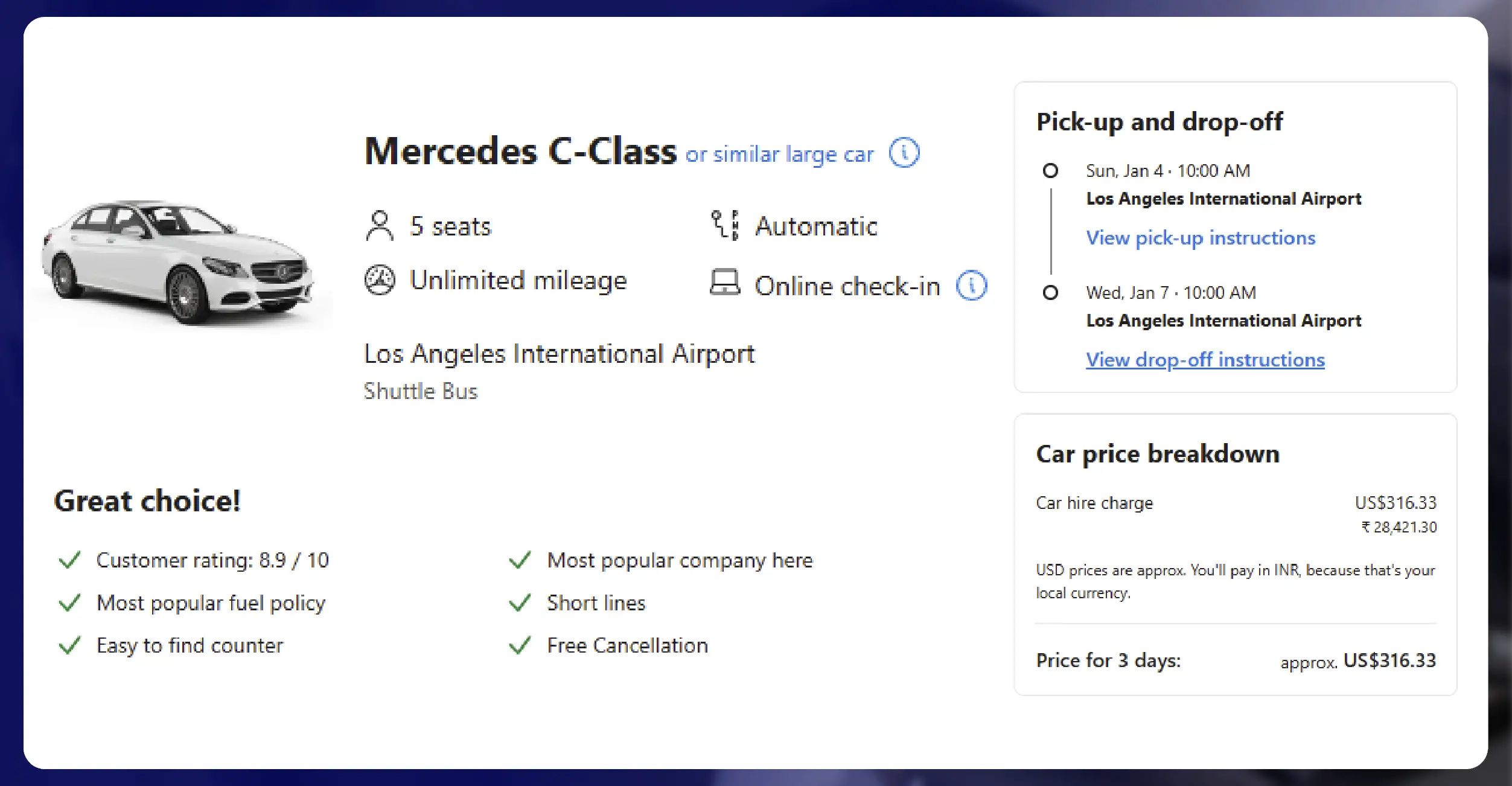
Effective airport vs city cab fare analysis requires extracting several critical data points:
- Pickup and drop-off locations: Airport terminals versus city zones.
- Base fares and surcharges: Including airport fees, tolls, or booking charges.
- Distance and time metrics: To compare fare-per-kilometer ratios for city versus airport rides.
- Vehicle types and categories: Economy, premium, or SUV fares.
- Availability and wait times: Reflecting supply-demand patterns during different hours.
By extracting structured data, companies can Extract city cab fare comparison efficiently, highlighting variations in pricing and demand across neighborhoods. This also assists in identifying under-served routes or peak-demand periods.
Methodologies for Cab Fare Scraping
1. Web Scraping
Web scraping allows the automated collection of fare data directly from cab and mobility platforms. With robust scrapers, businesses can monitor both airport pickup vs city ride pricing dataset continuously, capturing live updates on fares, vehicle availability, and booking trends.
2. API Integration
Where available, APIs provide structured and reliable access to fare data. API-driven collection ensures consistency and reduces dependency on website structure changes, making it easier to maintain Car Rental Data Extraction Services at scale.
3. Mobile App Data Extraction
Many ride-hailing platforms offer mobile apps as the primary interface. Car Rental Price Datasets can be extracted from these apps to gather comprehensive city and airport fare data, enabling granular insights into regional differences and dynamic pricing patterns.
Applications Across Travel and Urban Mobility
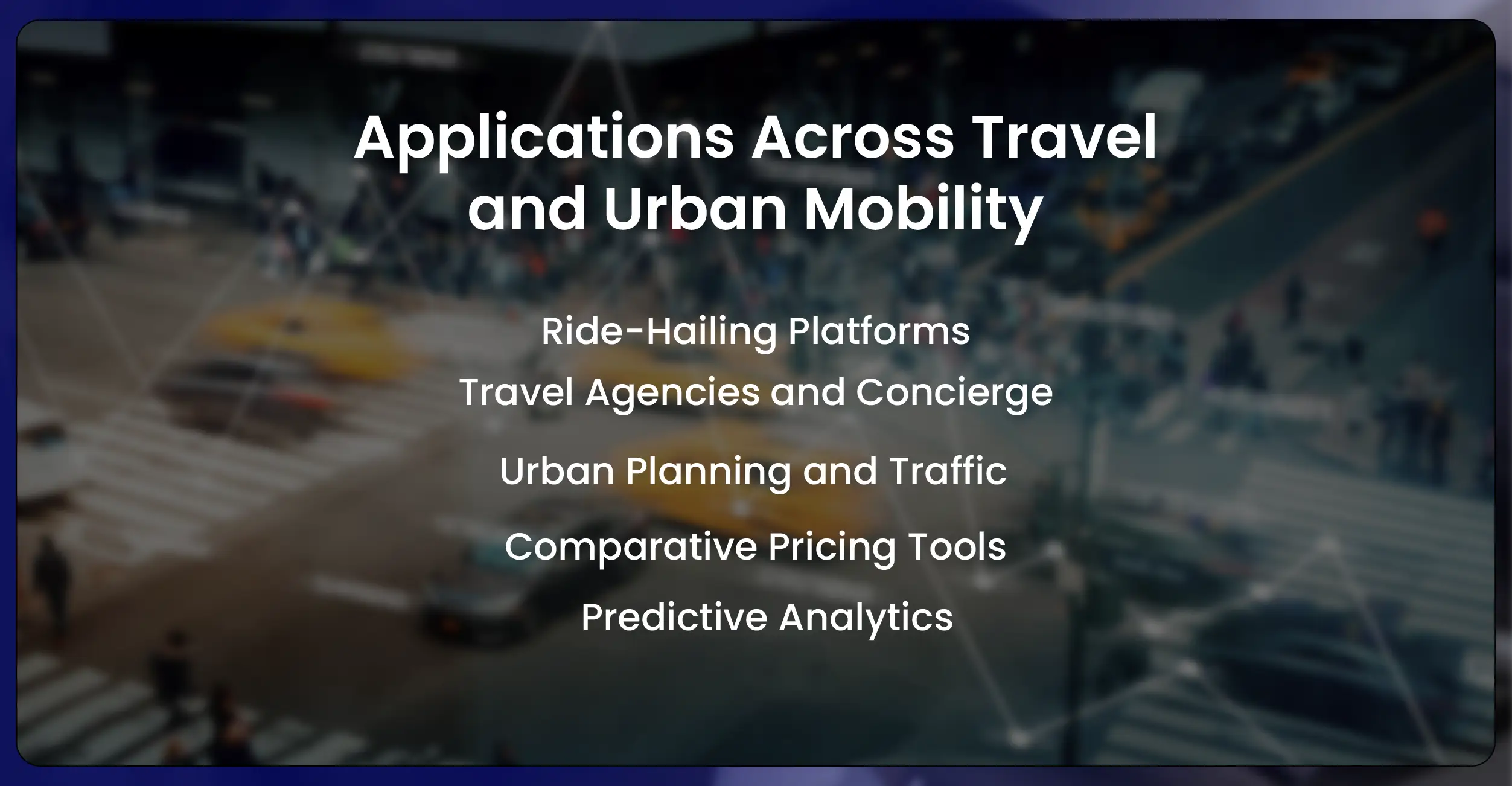
Airport vs city cab fare datasets have wide-ranging applications for multiple stakeholders:
1. Ride-Hailing Platforms
By analyzing fare differences, mobility apps can optimize surge pricing, improve driver allocation, and enhance user satisfaction through transparency.
2. Travel Agencies and Concierge Services
Travel agencies use fare data to recommend cost-effective transfers, plan itineraries, and negotiate bulk rates for frequent travelers.
3. Urban Planning and Traffic Analysis
City authorities and transport planners leverage fare data to understand demand hotspots, optimize public transport integration, and manage congestion in high-demand areas.
4. Comparative Pricing Tools
Comparison websites and apps use these datasets to display cost differences between airport pickups and city rides, offering users informed choices.
5. Predictive Analytics
Historical and real-time datasets allow predictive modeling for demand forecasting, pricing strategies, and operational planning, improving efficiency across travel services.
Challenges in Airport vs City Fare Scraping
While scraping cab fare data offers immense value, businesses must navigate several challenges:
- Dynamic Pricing Algorithms: Ride-hailing apps frequently adjust fares based on demand, weather, and traffic.
- Data Volume and Frequency: Capturing high-frequency updates across multiple cities and airports can be resource-intensive.
- Platform Restrictions: Some providers impose anti-scraping measures or limit API access.
- Data Accuracy: Ensuring fare consistency across different time slots and vehicle types is crucial.
- Compliance: Adhering to local regulations and terms of service is mandatory to avoid legal issues.
Addressing these challenges requires automated, adaptive scraping frameworks combined with real-time monitoring and data validation.
Best Practices for Effective Cab Fare Data Extraction
- Automate Data Collection: Use scheduled scraping or APIs to ensure up-to-date pricing information.
- Prioritize Key Metrics: Focus on fare, surcharges, distance, vehicle type, and wait time.
- Validate Data Continuously: Detect anomalies and correct inconsistencies automatically.
- Normalize Datasets: Standardize units, time formats, and pricing structures for accurate analysis.
- Integrate Analytics Tools: Convert raw data into actionable insights via dashboards and predictive models.
These best practices ensure businesses extract meaningful intelligence while minimizing errors and operational overhead.
Future of Fare Scraping in Urban Mobility
With growing urbanization and tourism, airport and city cab fares will continue to evolve. Companies adopting Travel Intelligence Services can leverage real-time data to stay ahead, optimize pricing, and deliver personalized travel experiences.
Advanced analytics, AI-driven forecasting, and mobile-first solutions will increasingly rely on structured datasets from Travel Data Extraction Services to enhance route planning, demand prediction, and service efficiency.
Furthermore, integration with Travel & Tourism App Datasets will provide a holistic view of traveler behavior, connecting cab fare trends with booking patterns, hotel stays, and flight schedules, enabling smarter, end-to-end travel management solutions.
How iWeb Data Scraping Can Help You?
- Comprehensive Market Insights: Our data scraping services provide accurate, large-scale market data, helping you monitor pricing, availability, and competitor strategies effectively.
- Real-Time Pricing Intelligence: Access live updates and historical trends to optimize pricing, adjust dynamically, and respond quickly to market changes.
- Enhanced Customer Understanding: Analyze reviews, ratings, and behavior patterns to improve service quality, customer satisfaction, and retention.
- Scalable and Automated Data Collection: Collect high volumes of structured data across platforms and regions efficiently, supporting business growth without increasing manual effort.
- Data-Driven Strategic Decisions: Turn raw data into actionable insights for forecasting, benchmarking, and making confident operational and strategic business decisions.
Conclusion
Airport vs city cab fare scraping provides critical insights into urban mobility pricing. This enables businesses to optimize fares, forecast demand, and enhance customer experience.
By combining real-time airport cab fare monitoring with structured datasets, stakeholders can make informed, data-driven decisions for efficient operations.
Extracting city cab fare comparison allows companies to benchmark prices across locations and identify trends in urban transport.
Leveraging advanced Car Rental Data Extraction Services ensures scalable and reliable insights for mobility providers across multiple cities and airports.
Using Car Rental Price Datasets helps businesses anticipate market changes and prepare for the future of urban transportation.
Experience top-notch web scraping service and mobile app scraping solutions with iWeb Data Scraping. Our skilled team excels in extracting various data sets, including retail store locations and beyond. Connect with us today to learn how our customized services can address your unique project needs, delivering the highest efficiency and dependability for all your data requirements.