Understanding price fluctuations is key for both consumers and businesses in the grocery sector. With Aldi’s growing presence across the UK, monitoring pricing patterns provides insights into seasonal promotions, daily and weekly price changes, and overall market trends. Using data-driven techniques like Aldi UK price analysis, stakeholders can track price behavior, forecast trends, and make informed purchasing or merchandising decisions.
For grocery retailers and analysts, the ability to Scrape Aldi weekly price changes is essential for keeping up with evolving promotions, discounts, and pricing strategies. Tracking these weekly shifts can reveal patterns in consumer demand, competitor responses, and product popularity, helping businesses plan inventory and pricing more strategically.
In addition, Aldi price trends Extraction enables analysts to uncover long-term pricing patterns across categories, identifying seasonal highs and lows, promotional cycles, and changes in core product pricing. This level of analysis is critical for making data-backed decisions in a competitive market.
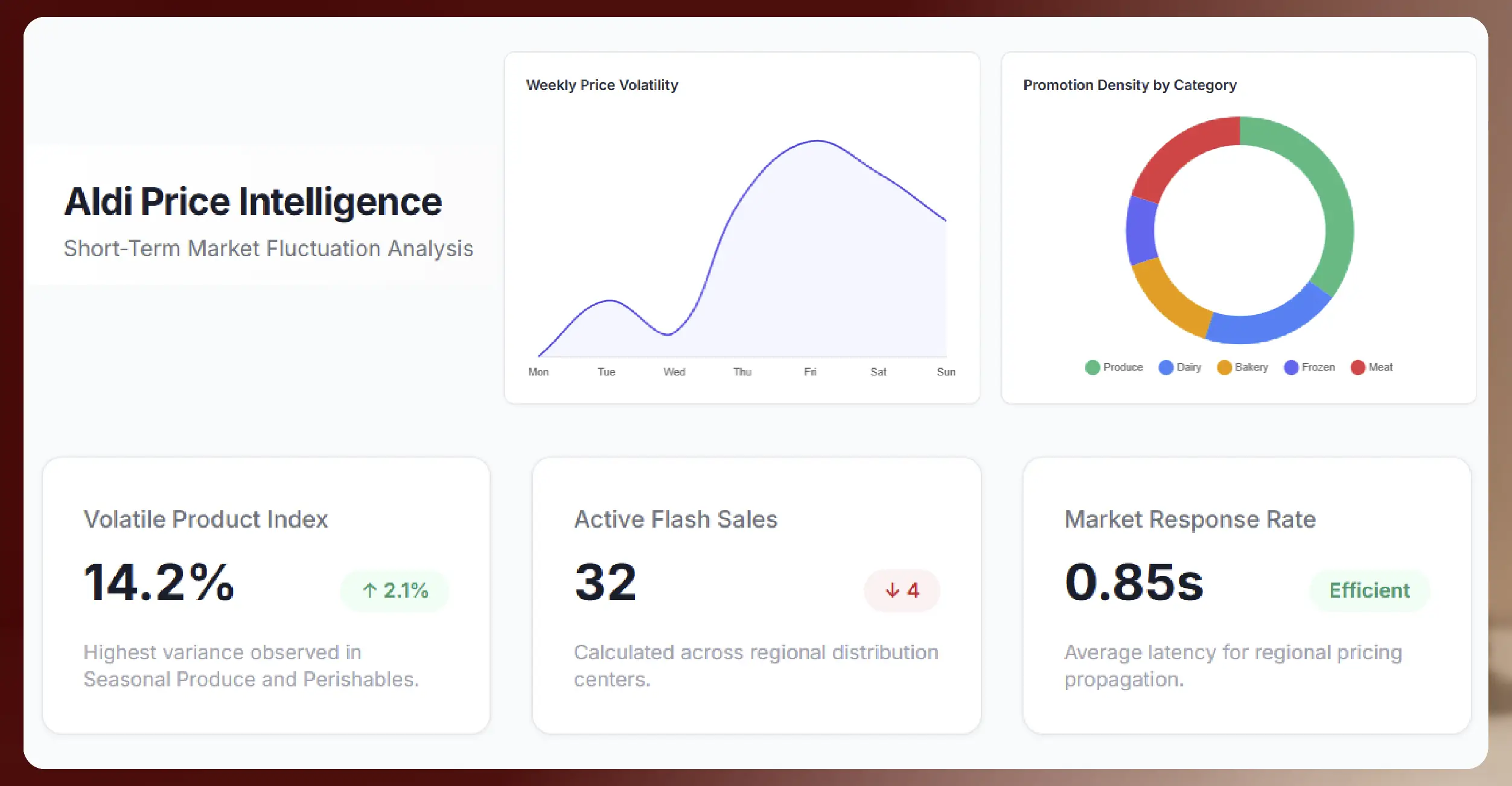
Aldi is known for its competitive pricing and frequent promotions, which means prices can change daily across different stores or regions. Aldi daily price changes Data Collection allows businesses and researchers to capture these short-term fluctuations, offering insights into which products are most volatile, which categories frequently go on promotion, and how pricing affects customer buying behavior.
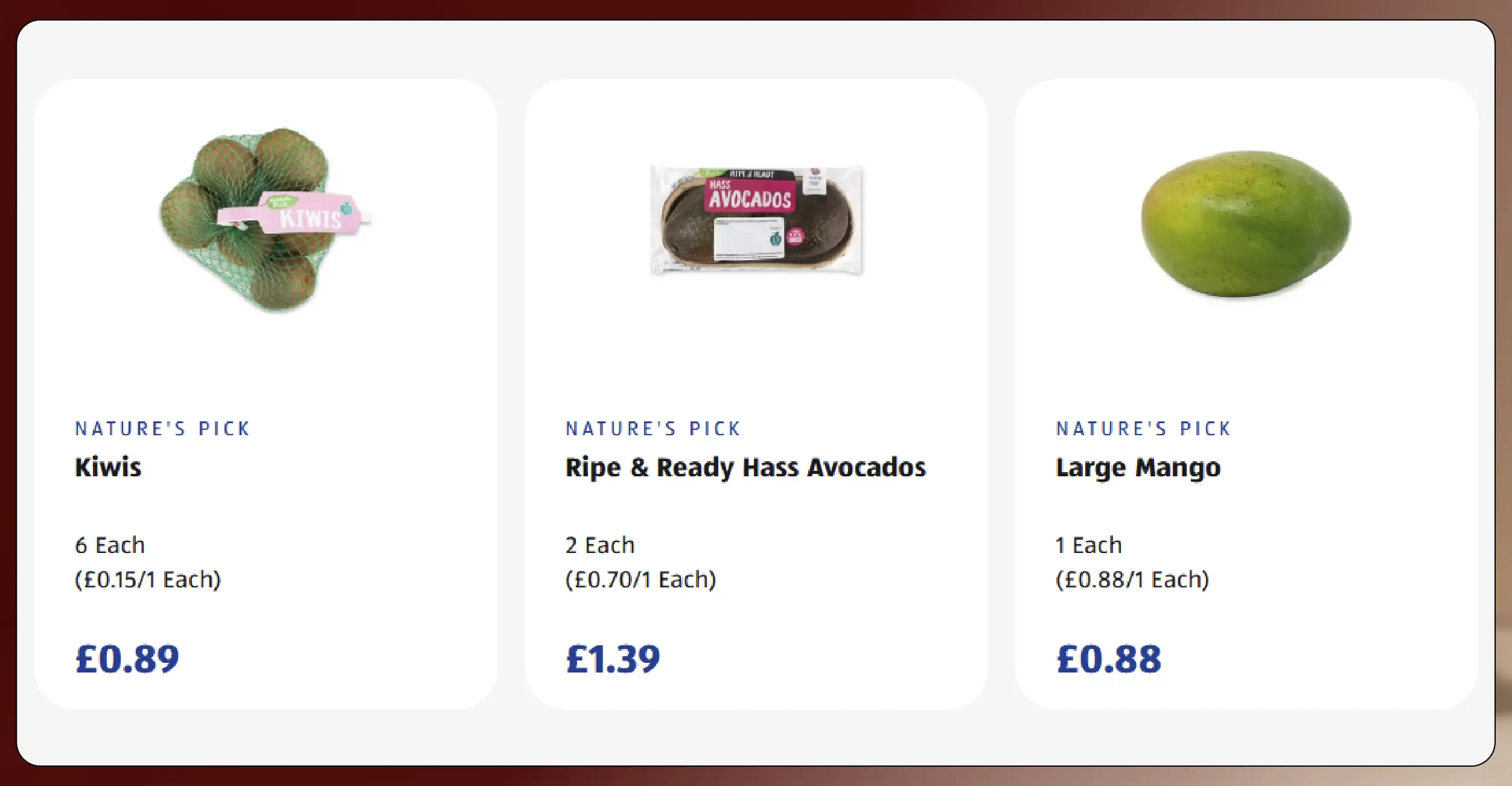
Daily monitoring also helps businesses adjust marketing strategies, prepare for flash sales, and respond to competitor activity. For example, understanding that fresh produce prices rise or fall on certain days can allow retailers to optimize stock levels and reduce waste.
While daily monitoring provides short-term insights, weekly grocery price analysis Aldi reveals broader trends that help businesses and consumers plan ahead. Weekly data can uncover recurring promotions, like multi-buy offers, seasonal discounts, or price adjustments following competitor moves.
By tracking weekly price movements, analysts can identify patterns that inform decisions around pricing strategies, inventory planning, and customer engagement. For instance, noticing a consistent weekly drop in bakery or dairy products can guide stocking decisions and promotional planning.
Stay ahead of pricing trends—Get Started with Our Data Scraping Services Today!
Seasonal trends are particularly important for understanding how Aldi positions its products throughout the year. For example, fresh fruits, vegetables, and festive items often follow predictable seasonal pricing patterns. Data collected over multiple seasons allows analysts to forecast price fluctuations, optimize promotions, and plan marketing campaigns effectively.
By combining daily and weekly data, businesses can pinpoint when certain products are most cost-effective to stock and which promotions drive the highest sales. For example, holiday items, summer barbecue essentials, or winter comfort foods often exhibit sharp price changes in line with seasonal demand.
Modern technology makes price monitoring easier and more accurate. Web scraping Aldi prices UK allows for automated collection of pricing information across thousands of products, categories, and locations. This eliminates the need for manual tracking and provides real-time insights into price behavior.
Web scraping can capture multiple data points, including product names, SKU codes, prices, promotions, and availability. This data can then be analyzed to identify trends, compare prices across regions, and benchmark against competitors. Automated scraping ensures continuous monitoring, which is critical in the fast-moving grocery market.
Effective Aldi price tracking enables businesses and consumers to follow price movements over time. This includes monitoring the rise or fall of specific products, identifying products that frequently go on discount, and spotting potential price anomalies.
Similarly, Aldi price comparison tools help shoppers and businesses understand how Aldi’s pricing stacks up against other supermarkets. Comparative analysis highlights Aldi’s competitive advantage, reveals potential areas for pricing adjustments, and helps customers make smarter purchasing decisions.
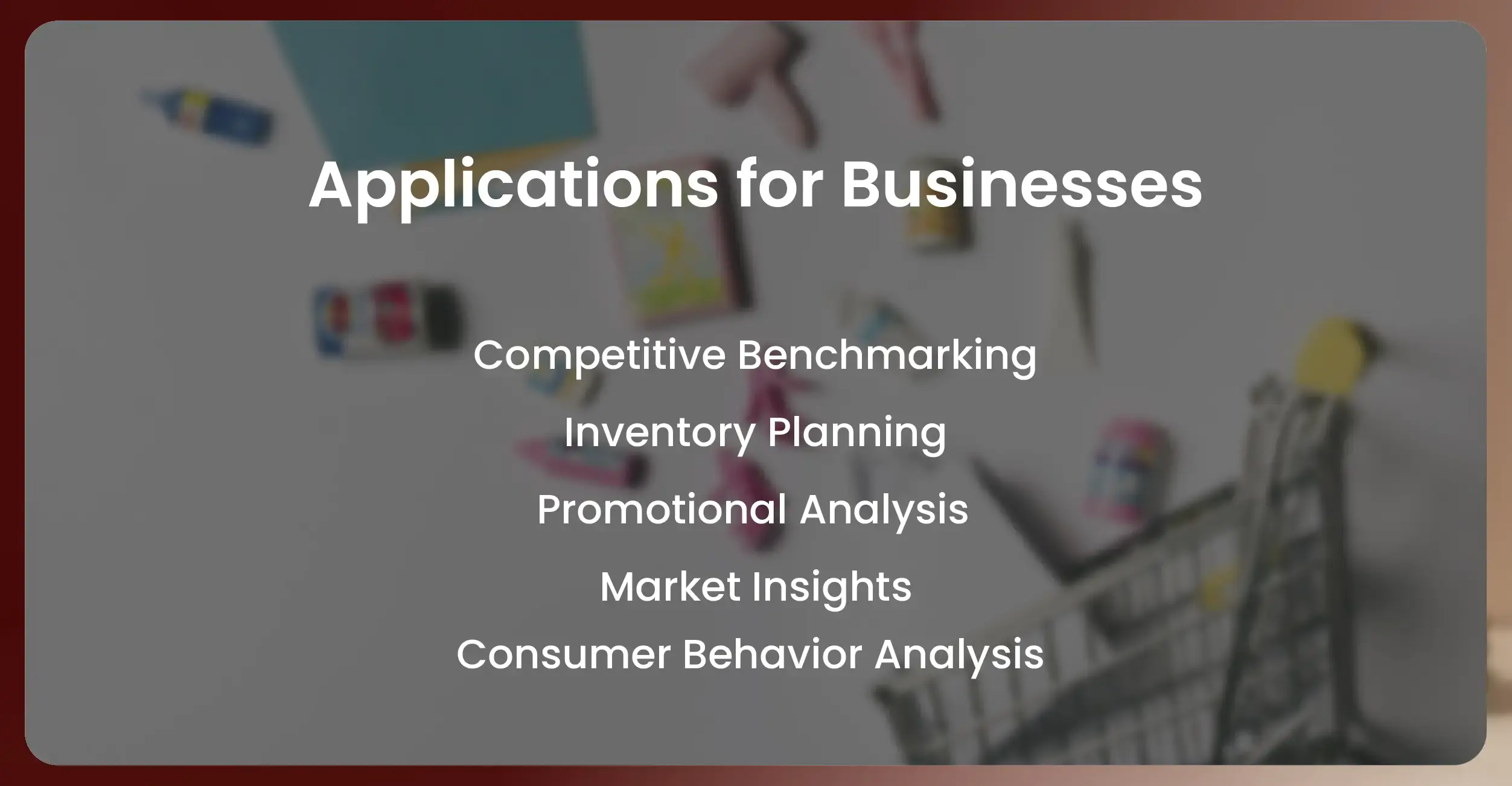
Businesses, from grocery chains to data analysts, can leverage Aldi pricing data for multiple purposes:
Collecting and analyzing price data requires a combination of techniques. Businesses can use automated scraping, APIs, and datasets to extract, clean, and process large volumes of pricing information. Integrating these insights with business intelligence tools allows for visualizations, predictive modeling, and reporting that inform strategic decisions.
For example, daily data feeds allow for quick reaction to unexpected price changes, while aggregated weekly and seasonal data provide a bigger picture for planning promotions, inventory, and marketing campaigns.
Tracking Aldi’s pricing trends is essential for businesses, researchers, and savvy consumers. By leveraging ALDI Grocery Datasets, analysts can gain deep insights into daily, weekly, and seasonal price patterns. Tools like Aldi Grocery and Supermarket Data Extraction help collect comprehensive data efficiently. Using an automated Aldi Grocery Data Scraping API ensures that the information is accurate, up-to-date, and actionable. These insights enable stakeholders to make informed decisions that enhance efficiency, maintain competitiveness, and boost profitability.
Monitoring Aldi pricing through data-driven approaches ensures that businesses remain competitive, identify opportunities for promotions, and understand consumer behavior, while consumers benefit from smarter shopping decisions and better value.
Experience top-notch web scraping service and mobile app scraping solutions with iWeb Data Scraping. Our skilled team excels in extracting various data sets, including retail store locations and beyond. Connect with us today to learn how our customized services can address your unique project needs, delivering the highest efficiency and dependability for all your data requirements.
Aldi UK price analysis involves tracking and studying price changes across products to understand trends, seasonal fluctuations, and promotional patterns.
Daily and weekly price changes can be monitored using automated data collection tools or web scraping methods that capture pricing information from Aldi stores and online platforms.
Understanding price trends helps businesses plan promotions, optimize inventory, make competitive pricing decisions, and identify patterns in consumer buying behavior.
Yes. By monitoring price changes, consumers can identify discounts, plan shopping trips around promotions, and compare prices to get the best deals.
Tools include automated scraping software, data extraction platforms, APIs, and datasets that provide structured pricing information for analysis and reporting.