How Does the BlinkIt Dynamic Pricing Data Extractor Help Track Real-Time Price Fluctuations?
Introduction
In India’s rapidly growing quick-commerce (Q-commerce) ecosystem, staying ahead requires access to precise, real-time data. BlinkIt, a leading instant grocery delivery platform, provides a wealth of information on product prices, availability, and delivery performance. Leveraging BlinkIt dynamic pricing data Extractor tools, businesses can monitor price fluctuations across products in real-time and develop competitive pricing strategies. Similarly, Blinkit grocery inventory monitoring allows companies to track stock levels across multiple locations, ensuring that demand can be met promptly and efficiently. By harnessing these insights, retailers, brands, and data analysts can make informed decisions that optimize product availability, enhance revenue, and improve customer satisfaction.
Understanding BlinkIt’s Data Ecosystem
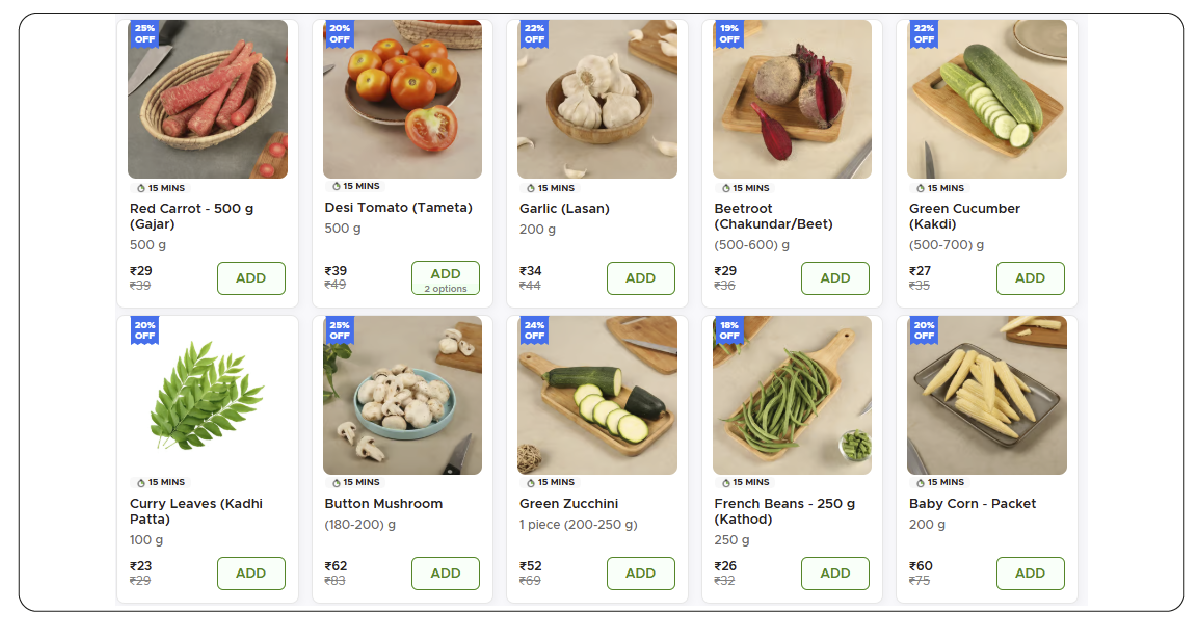
BlinkIt operates on a hyperlocal delivery model, catering to instant grocery demands across various urban centers in India. This model generates an extensive dataset, including product pricing, stock levels, delivery timelines, and location-specific trends. With online grocery analytics From Blinkit Pricing Data, businesses can analyze patterns in demand, understand pricing elasticity, and optimize their inventory strategy for maximum efficiency. Monitoring SKU-level performance helps brands prioritize high-demand products and identify opportunities to reduce out-of-stock situations.
SKU-level pricing insights From Blinkit enable granular tracking of individual products, allowing businesses to identify which items are overpriced, underpriced, or subject to frequent promotions. This intelligence forms the basis of dynamic pricing strategies and ensures that companies remain competitive in a fast-moving market.
The Importance of Hyperlocal Analytics
Hyperlocal delivery introduces a layer of complexity, as pricing and availability can vary significantly between neighborhoods. Blinkit hyperlocal delivery analytics provides actionable insights on these variations, helping businesses understand which areas have higher demand for certain products and how local competitors price the same SKUs. By analyzing location-specific data, retailers can optimize their inventory placement, reduce delivery times, and improve customer satisfaction.
Similarly, BlinkIt SKU data extraction enables automated collection of product-level information such as pricing, stock levels, discounts, and delivery performance. This allows businesses to maintain an updated and structured database without relying on manual updates, saving time and resources.
Tracking Prices Across Locations
Dynamic pricing is a key feature in the Q-commerce landscape. Prices for groceries often fluctuate based on demand, supply, and delivery constraints. Businesses can Scrape location-wise BlinkIt pricing data to identify variations in product prices across cities or neighborhoods. This insight is crucial for evaluating competitors, planning promotions, and determining optimal pricing strategies that balance profitability with customer retention.
Additionally, category-wise price tracking From Blinkit app allows companies to monitor pricing trends within specific product categories such as beverages, snacks, or personal care items. Understanding category-level trends helps brands adjust marketing efforts and inventory allocation according to consumer demand.
Monitoring MRP vs Selling Price
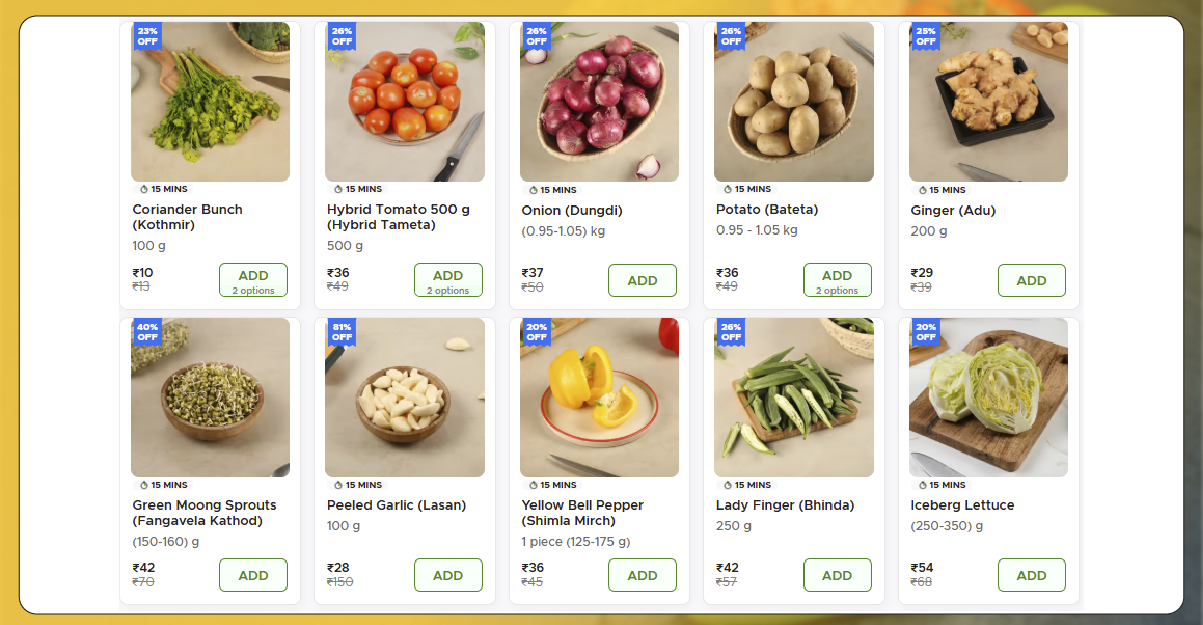
One key aspect of pricing strategy is understanding the relationship between the Manufacturer’s Recommended Price (MRP) and the actual selling price on BlinkIt. Blinkit Product MRP vs selling price scraping enables companies to identify discrepancies, promotions, and discounts applied on individual products. This data provides insights into price competitiveness and helps brands assess whether they are offering value to customers compared to competitors.
Real-time monitoring of this data also supports decision-making for flash sales, bundle offers, and loyalty program promotions. By leveraging such insights, businesses can improve conversion rates and maximize revenue while maintaining customer trust.
Tracking Instant Delivery Performance
The success of Q-commerce platforms depends heavily on fast and reliable delivery. Instant delivery data extraction From Blinkit app allows businesses to analyze delivery timelines, identify bottlenecks, and monitor fulfillment efficiency. These insights are particularly valuable for brands planning partnerships with BlinkIt or assessing their delivery performance across multiple regions.
Combining delivery data with SKU-level inventory and pricing analytics provides a holistic view of operational efficiency. Retailers can optimize stock placement in fulfillment centers, schedule inventory replenishment, and predict demand surges during peak hours or special promotions.
Advantages of BlinkIt Data Scraping

The benefits of leveraging BlinkIt data scraping for businesses are extensive:
- Dynamic Pricing Insights – Track real-time price changes and adapt strategies to remain competitive.
- Inventory Optimization – Monitor stock levels to prevent out-of-stock scenarios and enhance fulfillment.
- Promotional Analysis – Evaluate the impact of discounts and bundle offers on sales and revenue.
- Competitive Benchmarking – Understand competitors’ pricing strategies and promotions at both SKU and category levels.
- Operational Efficiency – Improve delivery times, manage logistics, and optimize warehouse inventory through data-driven insights.
By combining these insights, companies can make better strategic decisions and gain a competitive advantage in India’s fast-growing Q-commerce sector.
Boost your Q-commerce strategy today – start leveraging our BlinkIt data scraping services for real-time insights!
Implementing Effective BlinkIt Data Collection
To maximize the value of BlinkIt data, businesses should follow best practices for data scraping and analysis:
- Structured Data Extraction – Automate the collection of product, pricing, and inventory data to ensure consistency and accuracy.
- Real-Time Updates – Implement frequent or real-time scraping to monitor dynamic pricing and instant inventory changes.
- Data Cleaning & Validation – Ensure that the extracted datasets are free from duplicates, errors, or inconsistencies.
- Location-Based Analysis – Incorporate hyperlocal insights to optimize inventory allocation and regional pricing strategies.
- Compliance & Ethics – Adhere to BlinkIt’s terms of service and local regulations while performing scraping activities.
These steps ensure reliable, actionable datasets that can drive critical business decisions across marketing, pricing, and operations.
Use Cases of BlinkIt Data Scraping
- Price Optimization – Use BlinkIt dynamic pricing data Extractor insights to adjust prices based on market trends and competitor strategies.
- Inventory Management – Implement Blinkit grocery inventory monitoring to maintain optimal stock levels across multiple locations.
- Category-Specific Analysis – Leverage category-wise price tracking From Blinkit app for targeted marketing and product prioritization.
- Hyperlocal Market Insights – Apply Blinkit hyperlocal delivery analytics to understand regional demand and delivery efficiency.
- Promotional Performance Evaluation – Analyze Blinkit Product MRP vs selling price scraping to measure the success of discounts and campaigns.
How iWeb Data Scraping Can Help You?
- Real-Time Pricing Insights – Track dynamic product prices across BlinkIt to stay competitive and optimize revenue.
- Inventory Monitoring – Monitor stock levels at SKU-level across multiple locations to prevent out-of-stock situations.
- Category & SKU Analysis – Analyze category-wise and SKU-specific data to prioritize high-demand products and optimize assortment.
- Promotional & Discount Tracking – Identify ongoing promotions, discounts, and MRP vs selling price variations to plan effective campaigns.
- Hyperlocal & Delivery Optimization – Leverage hyperlocal delivery analytics to improve fulfillment efficiency and reduce delivery times.
Conclusion
In the competitive Q-commerce environment, actionable data from BlinkIt is a critical asset for businesses aiming to optimize pricing, manage inventory, and improve delivery efficiency. Leveraging Q-commerce data scraping Of India, companies can gain insights into dynamic pricing, SKU-level inventory, and hyperlocal trends. Integrating Blinkit Quick Commerce Datasets allows businesses to organize and analyze large volumes of information efficiently. Utilizing Blinkit Quick Commerce Delivery Scraping API enables automated and scalable data collection, reducing manual effort. By harnessing these insights, retailers, brands, and analysts can make informed decisions, refine strategies, and maintain a competitive edge in India’s rapidly expanding instant grocery market.
Experience top-notch web scraping service and mobile app scraping solutions with iWeb Data Scraping. Our skilled team excels in extracting various data sets, including retail store locations and beyond. Connect with us today to learn how our customized services can address your unique project needs, delivering the highest efficiency and dependability for all your data requirements.