In today’s fast-paced e-commerce landscape, understanding customer feedback has become a vital tool for businesses to stay competitive. Coupang reviews sentiment analysis scraping is emerging as a key approach to extract actionable insights from massive volumes of customer reviews on Coupang, South Korea’s leading online marketplace. By leveraging sentiment analysis techniques, brands can decode customer emotions, preferences, and pain points efficiently.
Simultaneously, Coupang review data scraping allows businesses to systematically gather review texts, ratings, timestamps, and product metadata, creating a structured dataset for deeper analysis. This structured information is invaluable for brands aiming to refine product strategies, improve customer experiences, and anticipate market trends.
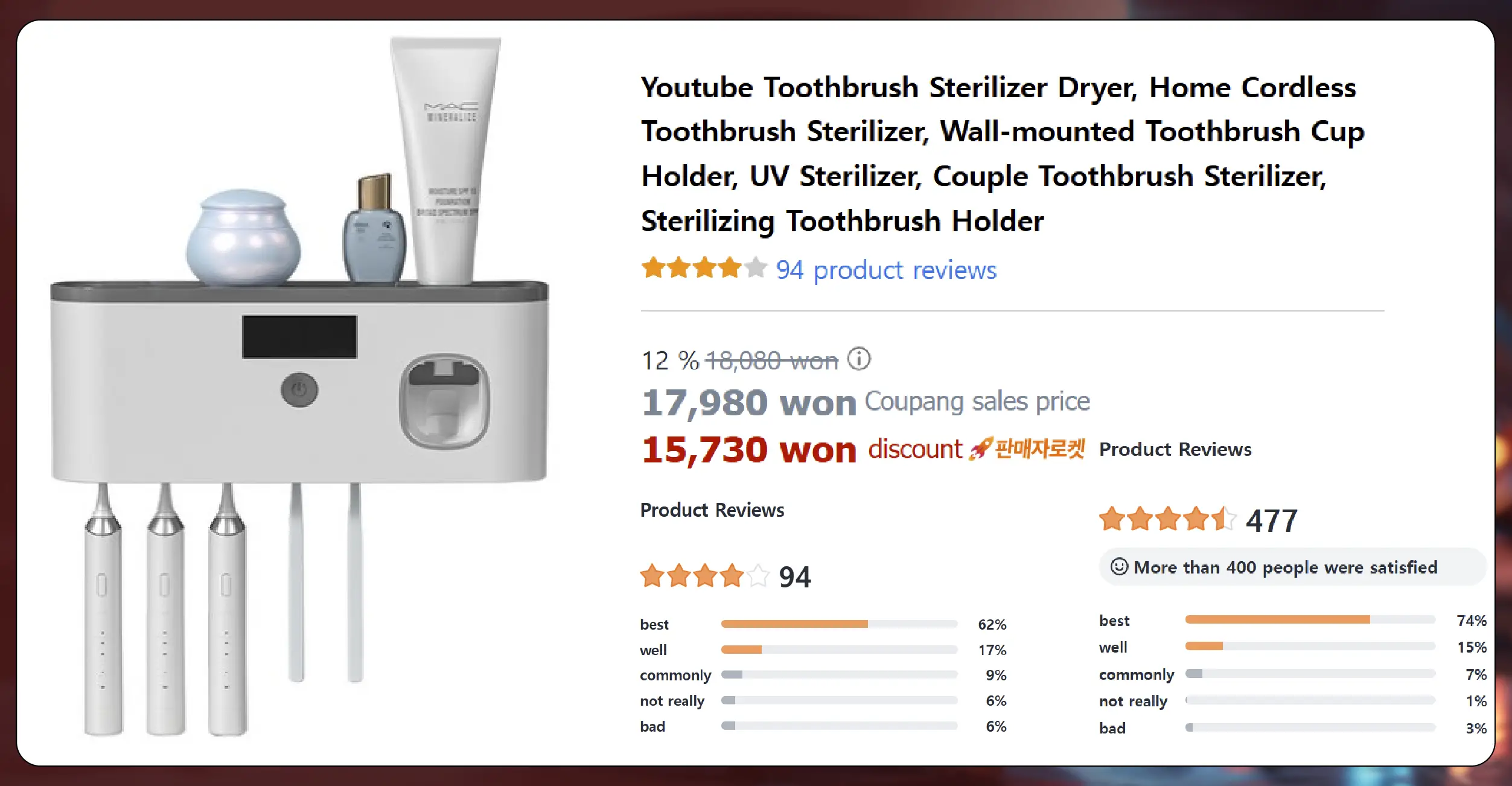
Another crucial aspect is Coupang ratings & reviews analysis, which involves combining numerical ratings with textual sentiments. This dual-layered approach ensures businesses don’t just see a number but understand the story behind it—whether customers are genuinely satisfied, frustrated, or indifferent.
Ecommerce review sentiment analysis involves using machine learning and natural language processing (NLP) algorithms to automatically classify customer feedback into categories like positive, negative, or neutral. By implementing this technique on Coupang, companies gain an organized understanding of how different products are perceived in the market.
With large volumes of user-generated content on Coupang, manual review becomes impossible. This is where advanced customer sentiment analytics API solutions come in handy. These APIs can process thousands of reviews in real-time, highlight emerging trends, and even detect specific pain points related to product quality, delivery, or usability.
One of the most important steps in sentiment analysis is data acquisition. Businesses can Scrape Coupang product feedback data to collect relevant review information efficiently. The data collected can then be stored in centralized databases for analytics, allowing brands to generate insights about product performance over time.
For more advanced insights, NLP-based review analysis of Coupang can detect nuanced sentiments, like sarcasm, mixed emotions, or context-specific opinions. For instance, a review stating, “The product arrived quickly but was slightly damaged,” can be parsed to identify both positive (fast delivery) and negative (damaged item) sentiments.
Moreover, businesses catering to Korean consumers must use a Korean language sentiment Data Extractor. Analyzing sentiment in the native language ensures higher accuracy compared to machine-translated reviews. This localized approach captures cultural nuances and slang that may otherwise distort sentiment metrics.
Unlock the full potential of your e-commerce strategy—start analyzing Coupang reviews today!
Customer experience (CX) is at the core of e-commerce success. By implementing ecommerce CX analytics Of Coupang, companies can monitor patterns in feedback to optimize both products and services. For example, recurring complaints about packaging can inform logistics improvements, while high praise for customer service can reinforce training strategies.
A practical application is the Coupang product review text Extractor, which isolates relevant textual data from large review datasets. This makes it easier to perform keyword analysis, sentiment scoring, and topic modeling. Businesses can understand what specific aspects of a product—like durability, usability, or aesthetic appeal—drive customer satisfaction.
An interesting analytical approach involves Coupang star rating vs sentiment score mapping. While star ratings provide a quantitative view, sentiment scores derived from NLP analysis offer qualitative insights. Mapping these two metrics allows businesses to identify anomalies, such as a high star rating accompanied by negative textual feedback, indicating potential review manipulation or inconsistent experiences.
To make sense of the enormous volumes of review data, it’s essential to organize them into structured Coupang Product Datasets. A well-structured dataset typically includes product identifiers, review text, star ratings, timestamps, reviewer demographics, and sentiment labels. Such datasets allow for predictive modeling, trend forecasting, and comparative product performance analysis.
Furthermore, Coupang data extraction is not just about collecting reviews—it’s about obtaining meaningful data efficiently while complying with legal and ethical guidelines. Properly extracted data can support machine learning models, market research, competitive intelligence, and dynamic pricing strategies.
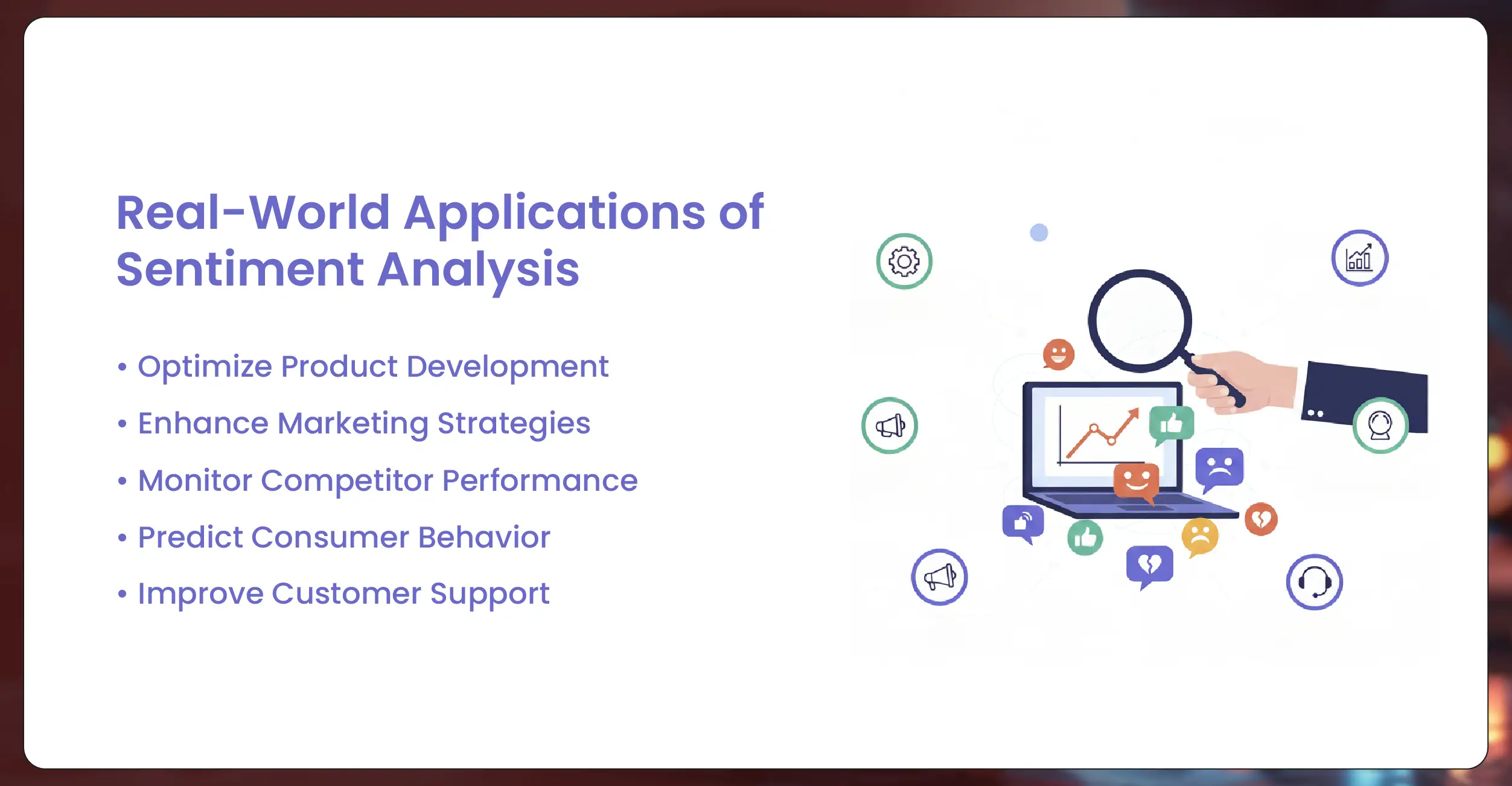
The benefits of applying Coupang reviews sentiment analysis scraping go beyond simple analytics. Companies can:
While the advantages are clear, there are several challenges:
In conclusion, Coupang Product Data Scraping API solutions enable businesses to extract, analyze, and act upon rich product feedback efficiently. Leveraging structured E-Commerce Product Datasets ensures actionable insights, while partnering with a reliable eCommerce API Data Provider guarantees scalable and accurate data solutions. Businesses using these tools can drive better product strategies, enhance customer satisfaction, and stay ahead in the competitive e-commerce ecosystem.
Experience top-notch web scraping service and mobile app scraping solutions with iWeb Data Scraping. Our skilled team excels in extracting various data sets, including retail store locations and beyond. Connect with us today to learn how our customized services can address your unique project needs, delivering the highest efficiency and dependability for all your data requirements.
It is the process of extracting and analyzing customer reviews from Coupang to understand sentiment trends.
Analyzing reviews in Korean ensures accuracy and captures cultural context that machine translations might miss.
Advanced NLP algorithms can flag suspicious patterns and inconsistencies, helping identify potentially fake feedback.
Numerical ratings may not reflect textual sentiment, which is why mapping star rating vs sentiment score is useful.
Real-time or regular scraping ensures updated datasets, enabling accurate trend monitoring and predictive insights.