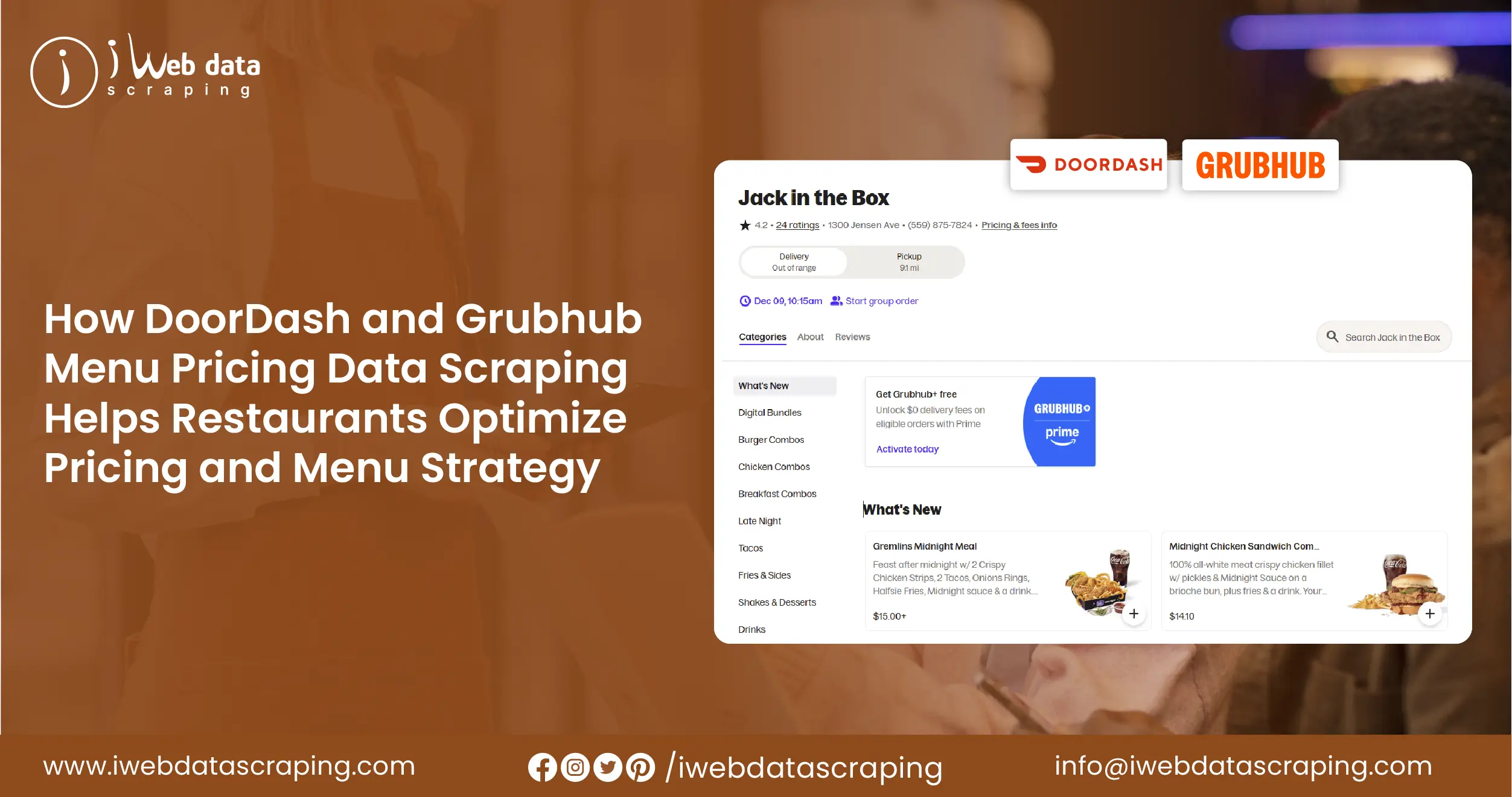
How DoorDash and Grubhub Menu Pricing Data Scraping Helps Restaurants Optimize Pricing and Menu Strategy

Banner

Introduction

In the rapidly evolving food delivery industry, restaurants are under constant pressure to attract customers while ensuring profitability. With major platforms like DoorDash and Grubhub leading the online delivery market, it has become increasingly important for restaurants to gain a deep understanding of pricing trends, menu preferences, and customer behavior. Relying on traditional methods or intuition is no longer sufficient in such a competitive environment. DoorDash and Grubhub menu Pricing data Scraping offers restaurants a powerful solution, enabling them to collect detailed, real-time data from these platforms. By analyzing this data, restaurants can uncover insights into which dishes are most popular, how competitors price their menu items, and how customer preferences change over time. These insights allow for data-driven decisions, helping restaurants optimize menu design, implement effective pricing strategies, and ultimately increase revenue and customer satisfaction.

Understanding the Importance of Menu Pricing Data

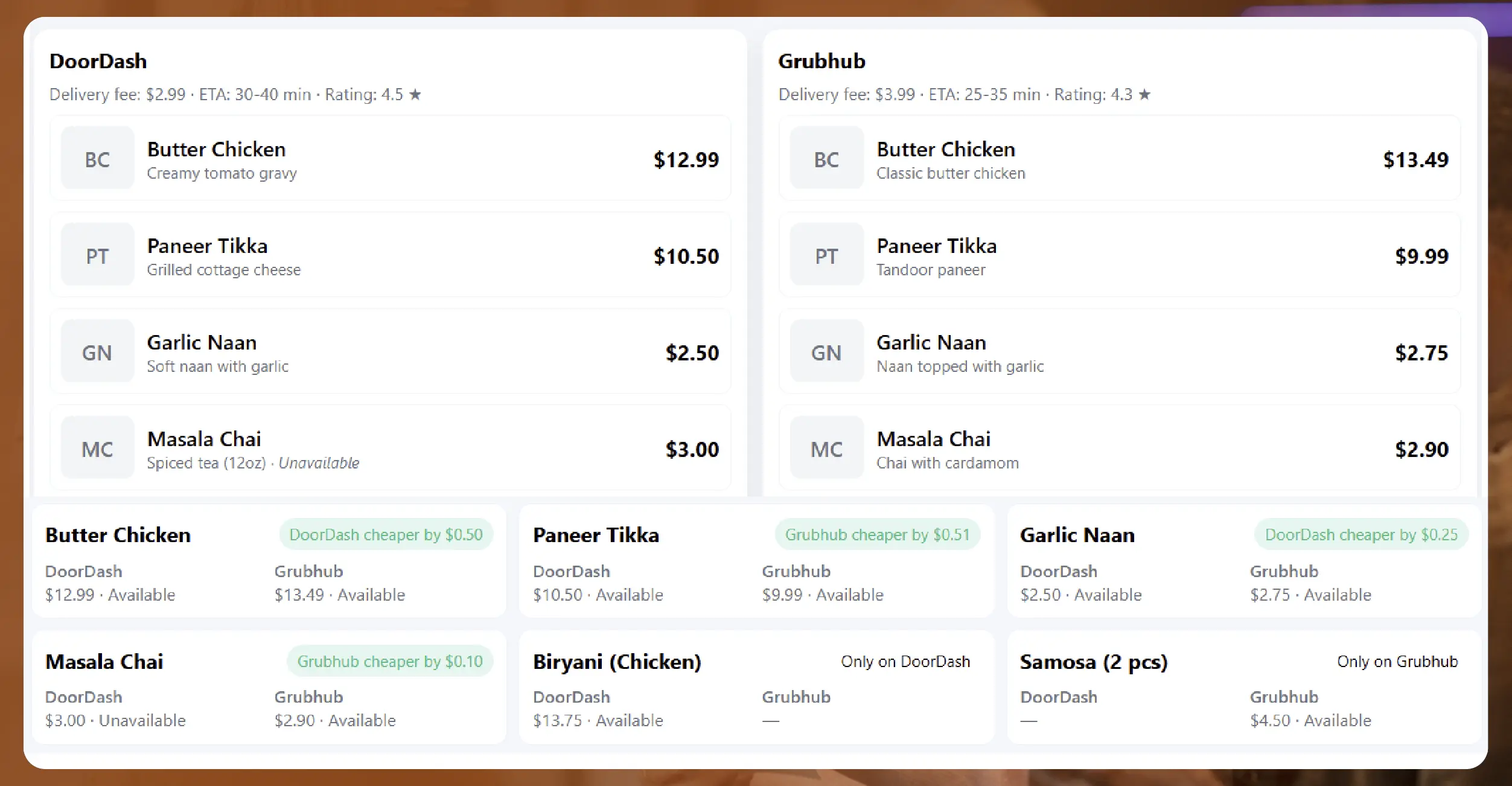
Restaurants often struggle to determine the optimal price for their dishes. Too high, and they risk losing customers; too low, and they sacrifice revenue. DoorDash menu Pricing Monitoring offers a solution by tracking real-time pricing information across multiple restaurants and regions. This continuous monitoring enables operators to align prices with customer expectations and market conditions.

Additionally, DoorDash vs Grubhub competitor menu comparison allows restaurants to benchmark their offerings against competitors. By analyzing competitor menus, restaurants can identify which dishes perform well, which pricing strategies are most effective, and where there are opportunities for innovation.

Leveraging Dynamic Pricing Strategies

Dynamic pricing has become a vital tool in the restaurant industry. Dynamic restaurant pricing From DoorDash vs Grubhub allows restaurants to adjust dish prices based on factors like demand, time of day, or even special events. For instance, a highly ordered entrée during peak dinner hours may be priced slightly higher to maximize revenue, while less popular items may receive discounts during off-peak times.

Dynamic pricing ensures that restaurants remain competitive while optimizing profitability. Data-driven pricing decisions reduce guesswork and provide a more accurate approach to menu management.

Category-Wise Analysis for Menu Optimization

Menu optimization requires more than just pricing information—it also involves understanding the performance of different categories. Doordash category-wise dish Data Extractor tools allow restaurants to analyze which types of dishes—appetizers, mains, desserts, or beverages—drive the most revenue.

With this data, restaurants can strategically design their menus, highlight high-performing categories, and promote profitable dishes. This ensures that resources are allocated efficiently, improving both customer satisfaction and financial outcomes.

Weekday vs Weekend Pricing Insights

Customer behavior often varies between weekdays and weekends. Grubhub Weekday vs Weekend menu Price Tracking helps restaurants uncover these patterns, enabling them to tailor menu offerings and pricing accordingly. For example, premium dishes may be more popular on weekends, while weekday orders might favor quick and affordable meals.

By aligning pricing strategies with demand trends, restaurants can maximize sales without overcomplicating menu management.

Identifying High-Performing Dishes

Identifying which dishes consistently attract orders is essential for effective menu strategy. Grubhub high-performing dish data Scraping enables restaurants to gain detailed insights into the most popular and profitable items on their menus. By leveraging this data, restaurants can highlight top-performing dishes, develop new variations, or introduce similar offerings that align with customer demand. This approach allows for strategic menu adjustments that not only boost revenue but also enhance customer satisfaction. By making data-driven decisions, restaurants can ensure their menus remain competitive, appealing, and tailored to evolving customer preferences, ultimately strengthening their position in a dynamic food delivery market.

Comprehensive Menu Data Extraction

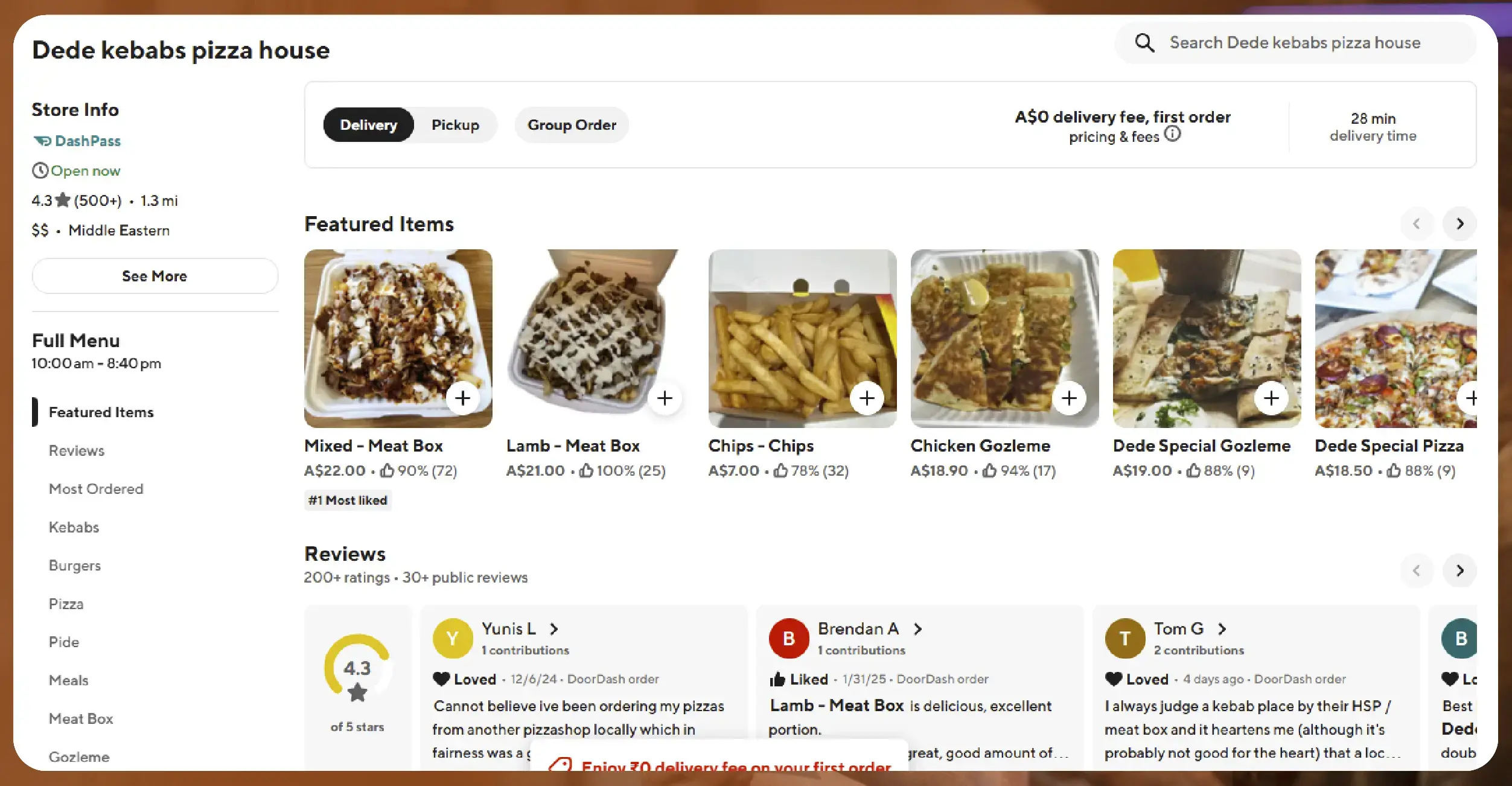
Accessing complete menu datasets from delivery platforms gives restaurants a comprehensive view of their performance. Extract restaurant menu from DoorDash to collect detailed information, including dish names, descriptions, prices, and customer reviews. When this data is analyzed alongside competitor menus and historical sales trends, it becomes a strategic asset for restaurants. They can refine menu layouts, optimize the placement of high-performing dishes, and develop targeted promotions that drive sales. This data-driven approach ensures menus are not only appealing and competitive but also aligned with customer preferences, enabling restaurants to make informed decisions and maximize profitability.

Utilizing Delivery App Datasets for Strategic Decisions

Aggregated datasets from delivery apps are invaluable for restaurant strategy. Doordash Food Delivery App Dataset provides insights into customer preferences, emerging trends, and pricing sensitivity. By analyzing these datasets, restaurants can make informed decisions on menu design, promotional campaigns, and pricing adjustments.

These insights empower restaurants to proactively respond to market changes, improving overall operational efficiency.

Unlock the full potential of your menu—leverage our data scraping services to boost revenue and stay ahead of competitors today!

Benefits of Menu Pricing Data Scraping

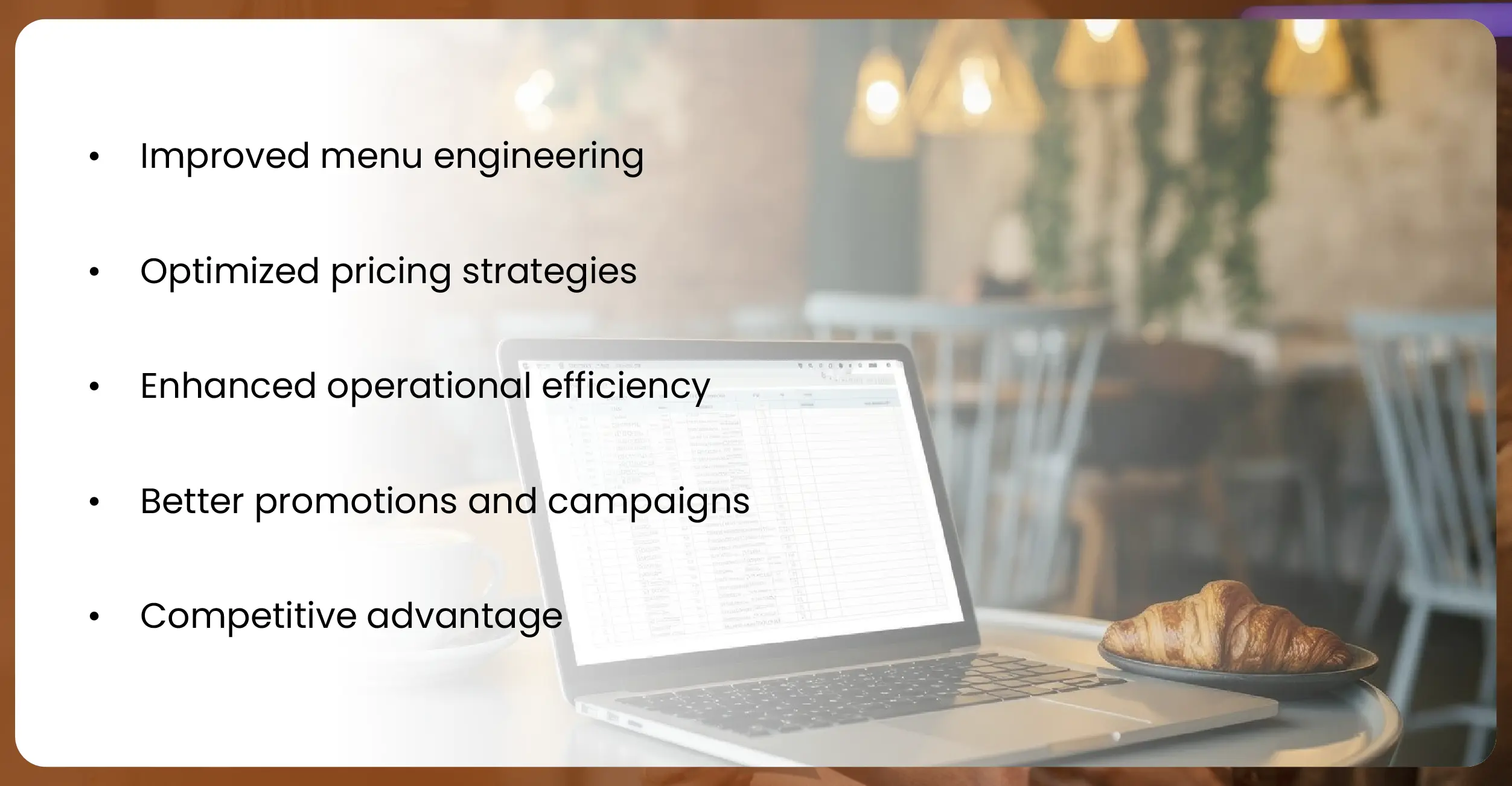
Data scraping from DoorDash and Grubhub offers multiple advantages:

  • Improved menu engineering: Highlight high-performing dishes and refine less popular ones.
  • Optimized pricing strategies: Adjust prices based on real-time demand and competitor analysis.
  • Enhanced operational efficiency: Reduce waste and forecast demand accurately.
  • Better promotions and campaigns: Identify dishes that respond well to discounts or bundles.
  • Competitive advantage: Benchmark against competitors and identify opportunities for innovation.

How iWeb Data Scraping Can Help You?

  • Optimize Menu Pricing: By collecting real-time pricing data from DoorDash and Grubhub, restaurants can set competitive and profitable prices for their dishes.
  • Identify High-Performing Dishes: Our services highlight the most popular and profitable items, enabling restaurants to focus on top-selling dishes or create similar offerings.
  • Competitor Analysis: Restaurants can monitor competitor menus, pricing strategies, and promotions to stay ahead in the market.
  • Data-Driven Menu Design: Extracted datasets allow for strategic menu placement, category optimization, and development of targeted promotions.
  • Dynamic Pricing & Trend Forecasting: Insights from our services help restaurants adjust prices in real-time and anticipate customer demand trends effectively.

Conclusion

In a competitive food delivery market, leveraging insights from Doordash Food Delivery Scraping API is no longer optional—it is essential. Restaurants can optimize pricing, improve menu design, and respond proactively to consumer trends.

Additionally, integrating Grubhub Food Delivery App Datasets ensures that data remains accurate, actionable, and up-to-date. These tools empower restaurants to stay ahead of competitors, maximize revenue, and deliver menus that resonate with customers.

By embracing , Grubhub Food Delivery Scraping API, restaurants can transform decision-making from guesswork into a precise, strategic process that drives long-term growth and success.

Experience top-notch web scraping service and mobile app scraping solutions with iWeb Data Scraping. Our skilled team excels in extracting various data sets, including retail store locations and beyond. Connect with us today to learn how our customized services can address your unique project needs, delivering the highest efficiency and dependability for all your data requirements.

Let’s Discuss Your Project

FAQ's

What is DoorDash and Grubhub menu pricing data scraping?

Menu pricing data scraping is the process of collecting detailed pricing, dish, and menu information from platforms like DoorDash and Grubhub. This helps restaurants analyze trends, competitor pricing, and customer preferences.

How can restaurants benefit from menu pricing data scraping?

Restaurants can optimize pricing, identify high-performing dishes, design competitive menus, and create targeted promotions based on insights derived from scraped data.

What types of data can be extracted from DoorDash and Grubhub?

Data includes dish names, descriptions, prices, customer reviews, category performance, and competitor menu structures.

Can menu data scraping help with dynamic pricing?

Yes. Restaurants can adjust prices in real-time based on demand, time, and competitor pricing to maximize revenue.

Is menu data scraping legal and safe for restaurants to use?

Yes, when performed ethically and using compliant tools, restaurants can safely leverage scraped data to make strategic business decisions.