What Are the Benefits of Using an Electronics Product Review Dataset for Digital Shelf Analytics
Introduction
In the fast-paced world of online retail, understanding consumer behavior is no longer optional—it’s essential. Businesses today rely heavily on electronics product review dataset to gain a competitive edge, improve product offerings, and tailor marketing strategies. With the surge in online shopping, platforms are generating massive volumes of customer reviews daily, making it imperative to harness this data for actionable insights.
For e-commerce platforms and electronics retailers, e-commerce electronics review data has become a goldmine. By analyzing product ratings, customer sentiments, and buying patterns, brands can make data-driven decisions, ensuring higher customer satisfaction and better market positioning.
One of the most powerful tools in this domain is the electronics review sentiment analysis dataset. It provides structured insights into how consumers feel about products, ranging from smartphones to smart home devices. These datasets allow businesses to identify positive trends, spot potential product issues early, and forecast future demand.
Why Electronics Review Datasets Are Crucial?
The modern electronics market is characterized by rapid innovation and fierce competition. Customers have more choices than ever, and their opinions influence purchasing decisions significantly. Utilizing an AI-powered electronics review dataset helps brands process thousands of reviews efficiently, categorizing them by sentiment, product type, and demographic segments.
For example, when launching a new laptop, manufacturers can leverage electronics datasets to monitor user feedback, detect recurring complaints, or highlight frequently praised features. This ensures that product updates are aligned with real-world customer needs, ultimately enhancing brand loyalty.
Moreover, integrating an electronics ratings data extraction API into your analytics pipeline allows automated retrieval of reviews, star ratings, and product metadata from multiple e-commerce platforms. This reduces manual effort and ensures that businesses work with the most up-to-date information available.
Types of Electronics Data Captured
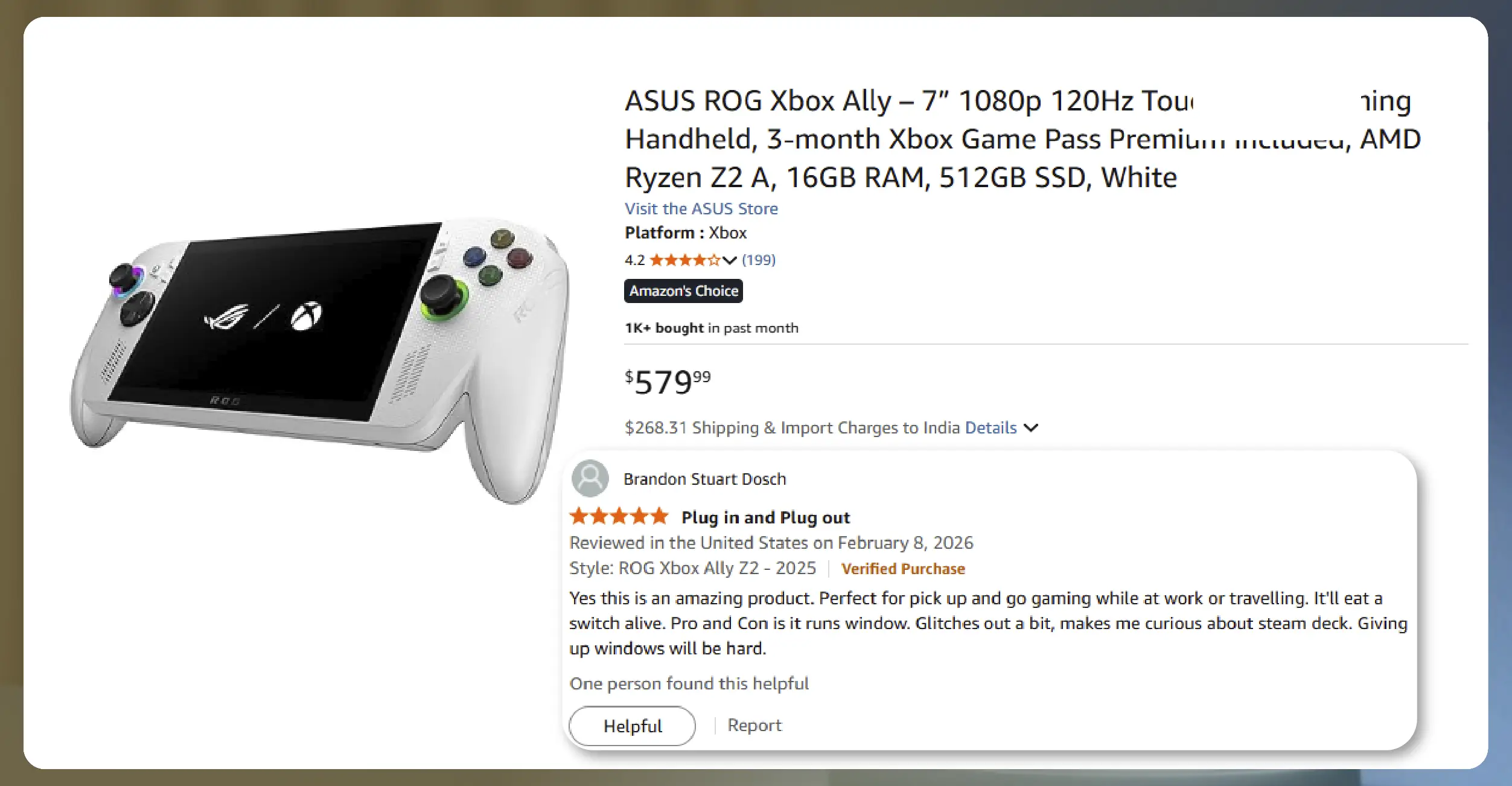
Electronics review datasets can encompass a wide range of metrics:
- Product Ratings: Star ratings or numerical scores assigned by customers.
- Customer Feedback: Detailed opinions about product quality, usability, and features.
- Purchase Data: Insights into buying patterns, repeat purchases, and user demographics.
- Sentiment Scores: Positive, neutral, or negative classifications of textual reviews.
- Trends Over Time: Changes in customer perception or product popularity.
By choosing to extract electronics customer feedback data, businesses gain a comprehensive understanding of user experience. This data can be segmented by geography, device type, or even purchase channel, enabling highly targeted marketing campaigns.
Leveraging Electronics Review Data Scraping
Manual collection of reviews is not feasible at scale. Here, electronics review data scraping comes into play. Using advanced scraping tools, businesses can collect reviews, ratings, and other metadata from e-commerce platforms without compromising speed or accuracy.
The use of an electronics review scraping API further streamlines the process. APIs ensure structured output, support frequent data refreshes, and enable integration with analytics dashboards. By automating data collection, brands can focus more on deriving insights rather than gathering raw information.
Voice of Customer in Electronics
The concept of voice of customer dataset electronics is central to understanding consumer sentiment. VOC datasets consolidate reviews, feedback, complaints, and queries into structured formats, allowing businesses to detect patterns in customer expectations.
With the VOC approach, companies can identify pain points—like battery life issues in smartphones or poor connectivity in wireless devices—before they escalate into larger problems. Additionally, highlighting positive features, such as intuitive UI or sleek design, helps marketing teams amplify what resonates most with customers.
Unlock actionable insights today—leverage our Electronics Product Review Dataset to boost sales and outperform competitors!
Applications in Electronics Review Trend Analysis
A well-structured electronics review trend analysis dataset empowers businesses to track changes in customer sentiment over time. For instance, if a particular brand receives negative feedback on a new smart TV model, trend analysis can reveal whether these concerns are isolated or part of a broader pattern.
Trend datasets also aid in competitive benchmarking. By comparing customer sentiment across multiple brands, electronics retailers can position their products effectively, refine feature offerings, and identify gaps in the market.
The Role of Digital Shelf Analytics
In the age of e-commerce, digital shelf analytics has emerged as a critical tool. It combines product availability, pricing, reviews, and ratings to give a holistic view of how products perform online. By integrating review datasets with digital shelf insights, businesses can optimize their listings, improve conversion rates, and ensure that high-performing products receive appropriate visibility.
Digital shelf analytics also enables brands to align marketing strategies with actual consumer behavior. By identifying products with high positive sentiment, retailers can prioritize promotions, while low-rated products may be improved or repositioned.
Techniques to Scrape Product Data from E-Commerce Websites
Scraping reviews effectively requires a combination of technical approaches and best practices. Here’s how businesses can scrape product data from e-commerce websites efficiently:
- API-Based Extraction: Preferred for platforms that provide official endpoints, ensuring structured and legal data retrieval.
- Web Scraping Tools: Using headless browsers or scraping frameworks to capture reviews and ratings.
- Automated Scheduling: Regular data pulls ensure datasets are continuously updated.
- Data Cleaning & Normalization: Removing duplicates, standardizing formats, and categorizing feedback.
- Sentiment Analysis Integration: Using NLP algorithms to assign sentiment scores automatically.
By implementing these techniques, businesses ensure their datasets are accurate, comprehensive, and actionable.
Benefits of Using Electronics Product Review Datasets
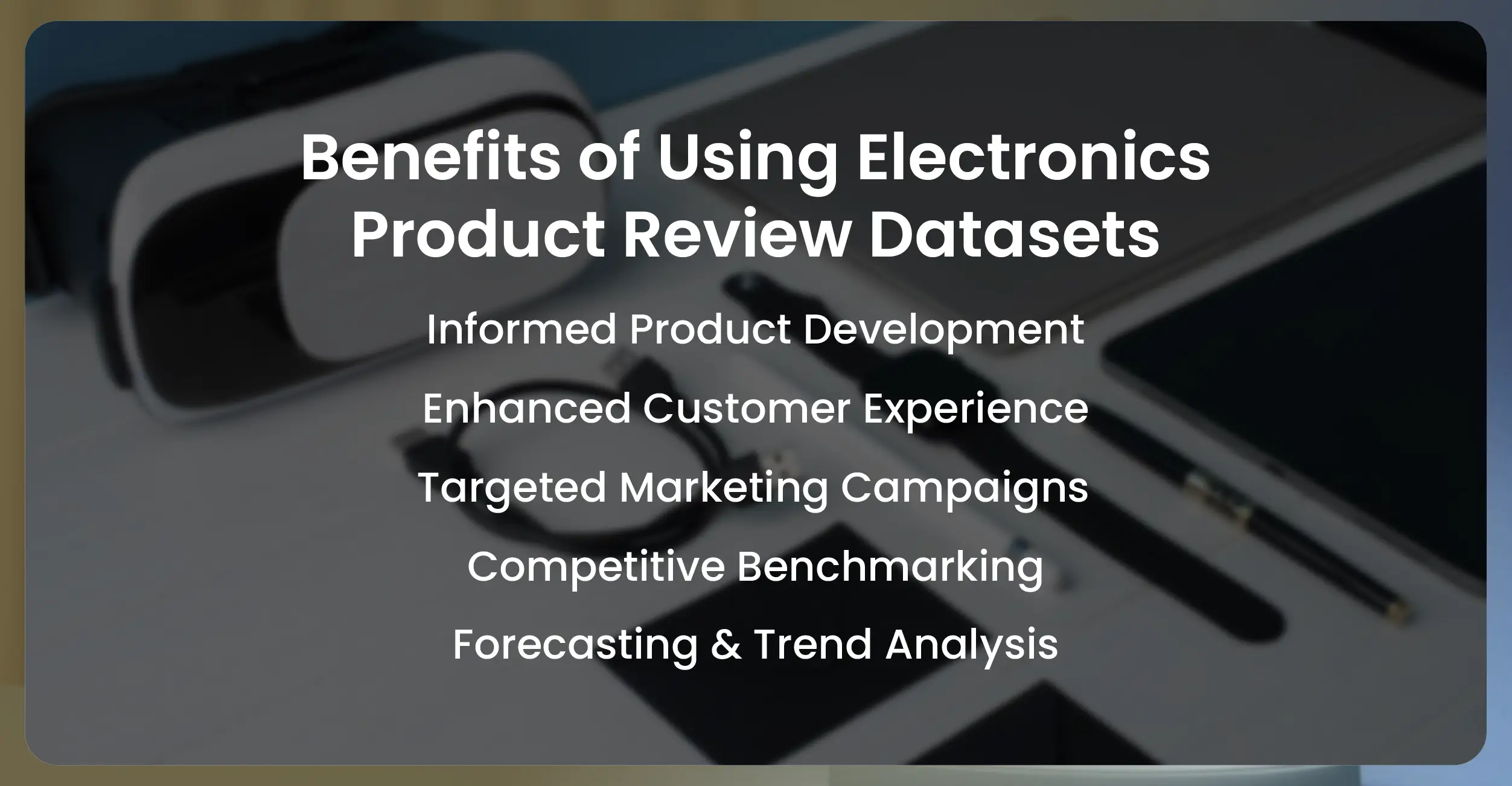
Harnessing these datasets provides numerous advantages:
- Informed Product Development: Feedback guides design and feature enhancements.
- Enhanced Customer Experience: Companies understand pain points and address them proactively.
- Targeted Marketing Campaigns: Insights enable segmentation based on sentiment or purchase behavior.
- Competitive Benchmarking: Compare reviews and ratings across competitors to identify gaps.
- Forecasting & Trend Analysis: Predict future demand and anticipate market shifts.
Challenges and Best Practices
While electronics review datasets are highly valuable, they come with challenges:
- Data Volume: Millions of reviews can overwhelm traditional storage and processing systems.
- Data Quality: Inaccurate, duplicate, or spam reviews can distort insights.
- Platform Restrictions: Not all e-commerce platforms allow scraping, making API access crucial.
Best practices include using APIs where possible, cleaning and validating data regularly, and combining structured and unstructured data for comprehensive insights.
Future of Electronics Review Analysis
The evolution of AI and machine learning is reshaping how businesses leverage electronics review data. Predictive models can forecast product success based on early reviews, and AI algorithms can detect subtle trends that may escape human analysis.
Integrating datasets with AI-powered electronics review dataset tools enhances predictive capabilities. Brands can identify rising trends, adjust pricing strategies, and tailor promotions to match real-time customer sentiment.
As more businesses adopt automated analytics, the ability to act quickly on insights becomes a major differentiator. Electronics ratings data extraction API and VOC datasets will play increasingly central roles in shaping e-commerce strategies.
How iWeb Data Scraping Can Help You?
1. Real-Time Market Intelligence
Our data scraping services help you monitor real-time product listings, pricing changes, stock availability, and customer reviews across multiple platforms. This ensures you always stay updated with dynamic market movements and make faster, smarter business decisions.
2. Competitor Benchmarking & Analysis
We collect structured competitor data, including pricing strategies, product positioning, ratings, and promotional activities. This enables you to benchmark performance, identify market gaps, and refine your competitive strategy with accurate, actionable insights.
3. Customer Sentiment & Feedback Insights
By extracting large volumes of customer reviews and ratings, we help you understand what customers truly think about products. Our datasets support sentiment analysis, allowing you to improve product quality, messaging, and customer experience.
4. Automated & Scalable Data Collection
Our advanced scraping infrastructure ensures automated, scalable, and consistent data extraction from e-commerce platforms, marketplaces, and websites. We deliver clean, structured, and ready-to-use datasets tailored to your business requirements.
5. Strategic Decision Support
With high-quality data feeds integrated into dashboards or BI tools, you gain deeper visibility into trends, pricing shifts, and consumer preferences. This empowers better forecasting, smarter pricing decisions, and long-term growth planning.
Conclusion
The power of price monitoring cannot be overstated when paired with insights from electronics review datasets. Keeping an eye on competitor price tracking e-commerce activities ensures brands remain competitive while understanding consumer preferences. Integrating review data into a broader e-commerce competitive intelligence strategy allows businesses to make informed decisions, optimize product offerings, and drive revenue growth.
By leveraging electronics review scraping API, digital shelf analytics, and sentiment analysis datasets, businesses can transform vast volumes of online feedback into actionable intelligence. In a competitive electronics market, data-driven insights are no longer optional—they are essential for success.
Experience top-notch web scraping service and mobile app scraping solutions with iWeb Data Scraping. Our skilled team excels in extracting various data sets, including retail store locations and beyond. Connect with us today to learn how our customized services can address your unique project needs, delivering the highest efficiency and dependability for all your data requirements.