What Insights Can You Gain Through AliExpress Product Data Scraping?
Introduction
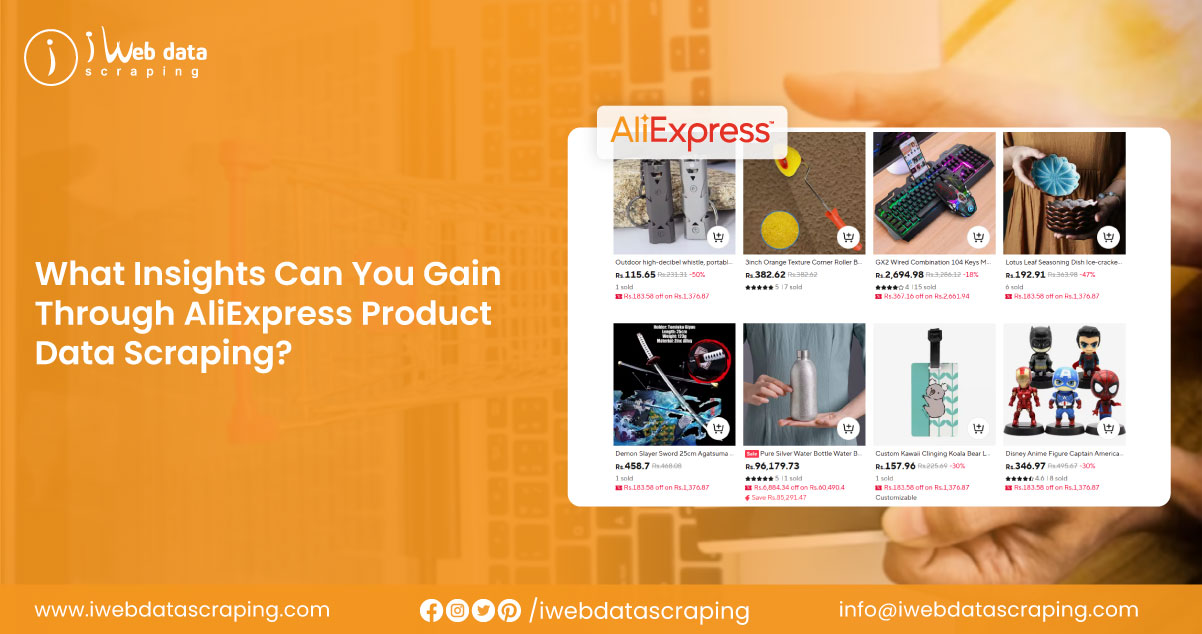
For years, AliExpress has been seen as just another online marketplace offering affordable gadgets, fashion, and home products. However, the real value of AliExpress lies not just in shopping, but in AliExpress product data scraping. Businesses and researchers alike are realizing that the platform is a goldmine of market intelligence, consumer insights, and competitive analytics.
Whether you are tracking product performance, understanding pricing trends, or analyzing consumer behavior, AliExpress product listings scraping allows you to turn raw e-commerce information into actionable insights.
At its core, AliExpress is more than a marketplace—it’s a live reflection of global consumer behavior. With millions of visitors every day, it generates an AliExpress dataset that can reveal emerging trends, demand shifts, and product performance metrics long before traditional reports are published.
Why AliExpress Data Matters?
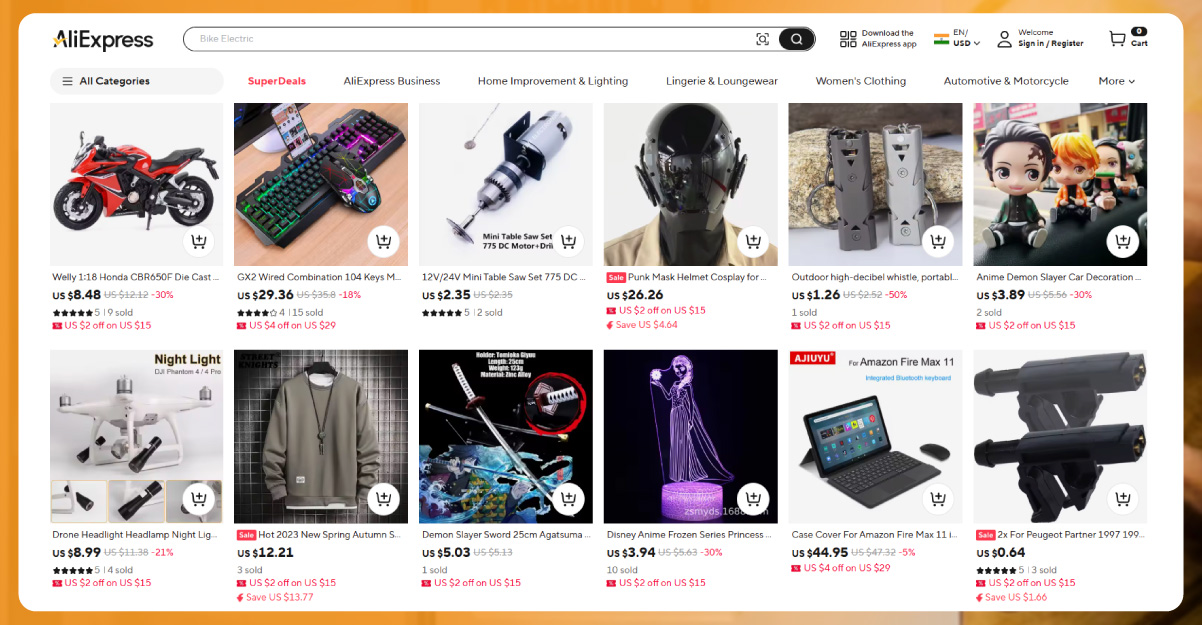
AliExpress hosts over 100 million products spanning electronics, fashion, home essentials, and beyond. Every click, review, and transaction adds to a constantly updating stream of information. For businesses, this isn’t just retail data; it’s an opportunity to track market dynamics in real time.
The platform serves as a testing ground for product demand, pricing strategies, and consumer sentiment. By implementing web scraping AliExpress products reviews, companies can monitor what buyers think about specific products, what complaints frequently appear, and which items are winning customer loyalty.
Similarly, data from AliExpress can reveal price fluctuations, stock changes, and seller performance, giving you a complete view of competitive positioning.
Understanding AliExpress at Scale
With over 600 million monthly visitors, AliExpress is a massive hub of e-commerce activity. Every product page is a snapshot of how sellers compete, how consumers react, and how categories evolve. This makes it a prime target for businesses seeking to gain an edge.
Key areas to monitor include:
- Price Dynamics – Frequent discounts, flash sales, and promotions create constantly shifting price points. AliExpress price tracking and monitoring allow businesses to benchmark prices, identify gaps, and optimize their own pricing strategies.
- Seller Performance – Ratings, response times, and shipping reliability directly influence conversions. Using an AliExpress seller data scraping service, you can track seller credibility, emerging players, and competitive threats.
- Inventory Movements – Understanding which products are in stock, low stock, or out of stock gives insights into demand. AliExpress inventory and stock data scraping helps brands anticipate shortages and plan replenishment effectively.
- Order Trends – Daily order volumes, category performance, and sales velocity provide a forward-looking view of market demand. AliExpress order trend data extraction enables early recognition of trending products.
Key Applications of AliExpress Data
Product Catalog Analysis
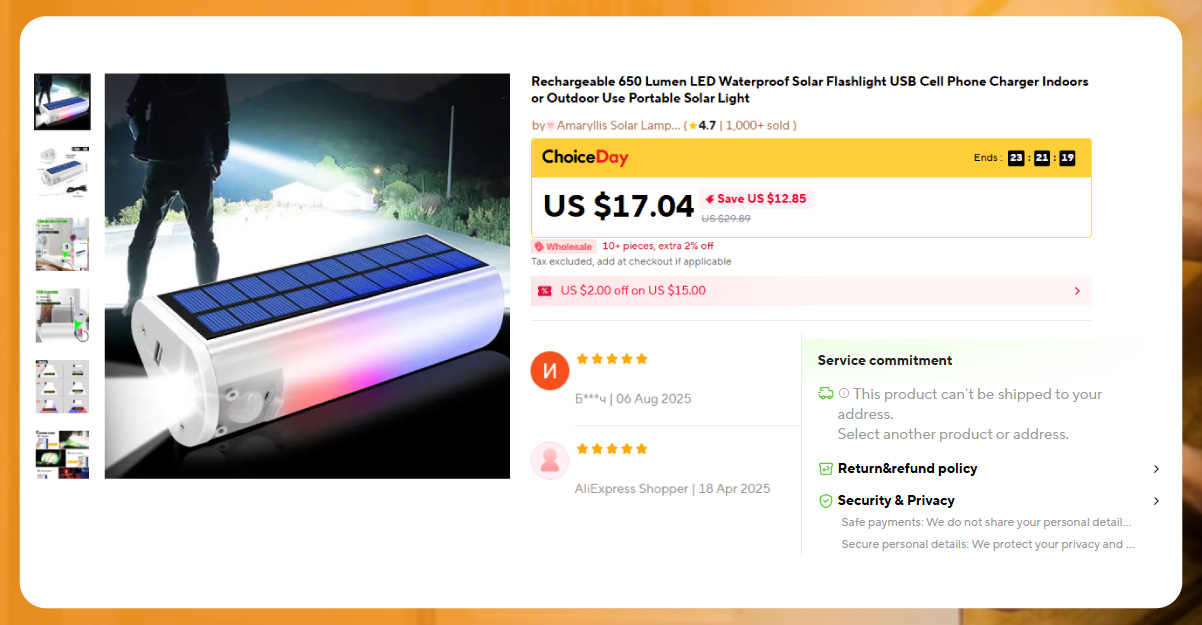
Every product listing is a piece of structured information waiting to be harvested. AliExpress product catalog scraping allows businesses to collect titles, descriptions, images, categories, and SKU-level details. This can feed into analytics dashboards, AI models, or pricing engines.
Example use case: a retailer wants to compare fashion trends across multiple markets. Scraping AliExpress product catalogs reveals which items are gaining traction and which categories are declining, allowing for smarter inventory planning.
Price Monitoring and Competitive Intelligence
Pricing on AliExpress is dynamic. Sellers constantly adjust prices to stay competitive, especially during seasonal campaigns. AliExpress price tracking and monitoring enable businesses to:
- Detect early discount trends before they affect margins
- Benchmark against competitors in real time
- Plan promotions and price adjustments strategically
A scheduled scraper can track thousands of SKUs, creating a live dashboard that alerts your team when pricing trends shift.
Review Mining and Sentiment Analysis
Customer reviews are a treasure trove of information. By using web scraping AliExpress products reviews, companies can analyze sentiment, highlight recurring complaints, and identify top-performing features.
For instance, extracting review data across thousands of products allows you to uncover:
- Frequently mentioned product issues
- Positive feature highlights
- Regional differences in consumer preferences
This insight is invaluable for product improvement, marketing campaigns, and customer experience management.
Inventory and Stock Analysis
Knowing what’s available and what’s running low gives you a competitive advantage. AliExpress inventory and stock data scraping lets you track product availability and seller fulfillment patterns.
For example, if a product repeatedly goes out of stock, it signals high demand. Businesses can leverage this insight to adjust sourcing, manage their own inventory, or capitalize on gaps in supply.
Seller Performance Metrics
Sellers compete not only on price but also on reliability and trust. By deploying an AliExpress seller data scraping service, companies can track metrics like:
- Seller ratings and reviews
- Shipping speed and reliability
- New SKUs launched and OOS events
Monitoring these metrics at scale allows businesses to identify emerging competitors, maintain a competitive edge, and build data-backed supplier strategies.
Order Trend Analysis
Daily orders across millions of products provide insight into emerging trends. AliExpress order trend data extraction captures this, enabling businesses to forecast demand and prioritize products likely to succeed in the market.
Example: A spike in portable mini blender orders signals rising consumer interest, which could inform marketing campaigns, inventory planning, or new product launches in related categories.
How to Collect AliExpress Data?

There are multiple approaches to extracting AliExpress data, each with advantages and limitations:
1. AliExpress API
The official API is structured and safe, offering access to product listings, affiliate information, and some seller data. While reliable, it has restrictions on data access and volume.
2. Python Scrapers
Python libraries like Playwright, Scrapy, or BeautifulSoup allow flexible extraction of live product pages. A Python scraper can collect product details, reviews, seller ratings, and stock status.
Pros:
- Flexible and customizable
- Can capture any visible data
Cons:
- Fragile against site layout changes
- Anti-bot measures like CAPTCHA can disrupt scraping
- Requires continuous maintenance
3. Managed Web Scraping Services
Professional providers handle data extraction at scale with anti-bot systems, proxies, compliance management, and clean, structured output.
Benefits include:
- Scalability across millions of products
- Reliable delivery and normalized datasets
- Legal and compliance assurance
Building Your AliExpress Data Strategy
To maximize the value of AliExpress data, teams should follow a structured approach:
- Define Objectives – Are you tracking prices, monitoring reviews, or analyzing inventory trends?
- Select Data Sources – Decide between API, DIY scrapers, or professional services.
- Schedule and Automate – Set up regular extraction intervals to maintain a real-time view of the marketplace.
- Clean and Enrich Data – Normalize datasets, remove duplicates, and structure data for analysis.
- Analyze and Act – Use dashboards, alerts, and analytics models to turn insights into strategic actions.
Real-World Example: Tracking Wireless Earbuds
Imagine monitoring the wireless earbuds category across AliExpress:
| Earbuds V5.3 |
29.99 |
4.6 |
12,345 |
In Stock |
95% |
| Smart Earbuds Pro |
64.50 |
4.2 |
8,910 |
Low Stock |
88% |
By capturing this data daily through AliExpress data at scale, businesses can identify:
- Rapidly rising products
- Price fluctuations across sellers
- Stock shortages or replenishment patterns
- High-performing sellers
This level of visibility helps in strategic decision-making and competitive benchmarking.
Unlock actionable insights from AliExpress—start scraping data at scale today!
Benefits of Scaling AliExpress Data
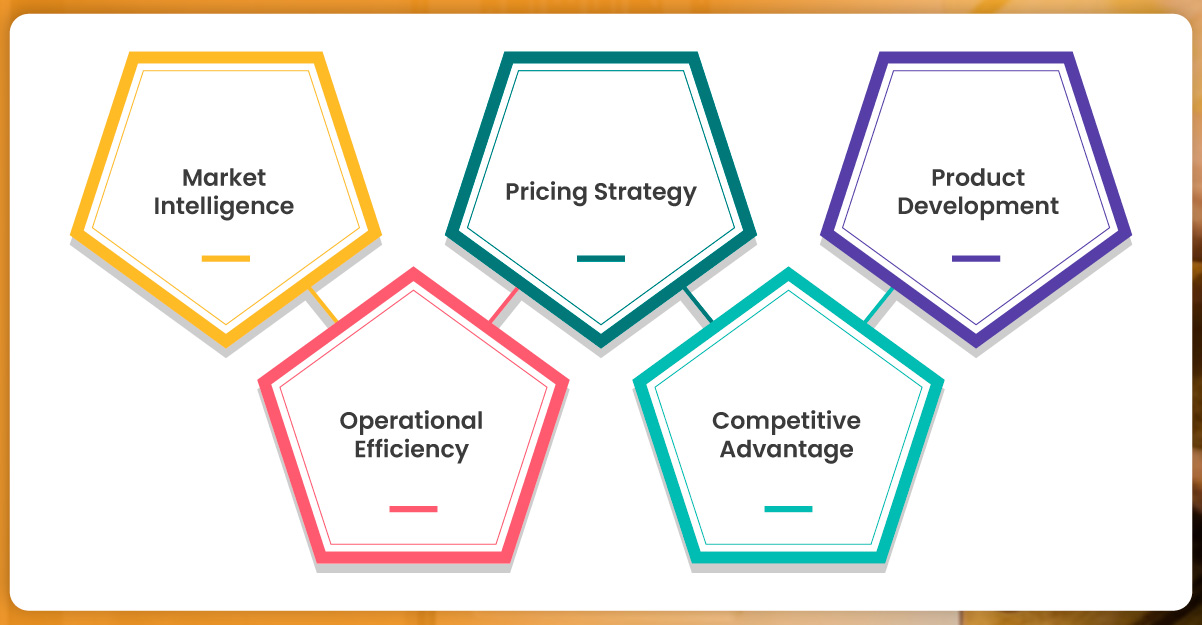
- Market Intelligence – By extracting AliExpress data at scale, businesses can gain a deep understanding of emerging trends, popular products, and shifting consumer preferences. Monitoring categories, new arrivals, and bestseller lists in real time allows teams to anticipate market changes before competitors, helping them stay ahead in highly dynamic e-commerce sectors. This intelligence can inform sourcing decisions, marketing campaigns, and category expansion strategies, ensuring that your business moves in sync with global demand.
- Pricing Strategy – Access to detailed pricing data across multiple sellers enables companies to implement dynamic pricing strategies. By tracking discounts, flash sales, and competitor price adjustments, businesses can optimize their own pricing in real time. This helps maintain competitiveness, protect margins, and identify opportunities for promotions or bundling strategies. Effective price monitoring can also highlight gaps in the market, allowing early entry into profitable niches.
- Product Development – Analyzing reviews, ratings, and product feedback provides actionable insights for product innovation and improvement. By understanding customer pain points, frequently requested features, and emerging trends, businesses can develop products that better meet consumer needs. Leveraging trend data also allows teams to prioritize high-demand features or identify opportunities to differentiate their offerings, resulting in products that are more likely to succeed in the market.
- Operational Efficiency – Accurate inventory and stock data from AliExpress helps businesses optimize their supply chain and fulfillment operations. By monitoring availability, restock patterns, and high-demand products, teams can plan inventory levels more effectively, reduce out-of-stock situations, and improve order fulfillment speed. This leads to reduced holding costs, fewer lost sales, and a smoother operational workflow across multiple product lines or regions.
- Competitive Advantage – Early access to actionable AliExpress insights gives businesses a significant edge over competitors. With comprehensive data on pricing, trends, reviews, and inventory, companies can make proactive decisions rather than reactive ones. This advantage allows for better strategic planning, faster market response, and more informed decision-making in areas such as product launches, marketing campaigns, and expansion into new categories or regions.
Choosing the Right Approach
- DIY Scraper – This approach is best suited for individuals or small teams who want to experiment with AliExpress data on a limited scale. It works well for learning purposes, testing new ideas, or focusing on a single product category. With DIY scraping, you can customize what data to collect, such as product titles, prices, reviews, or ratings, and gain hands-on experience in building scrapers, handling HTML structures, and managing small datasets. However, it may require ongoing maintenance to adapt to site changes or anti-bot measures.
- API Access – Using the official AliExpress API is ideal for accessing structured product feeds in a reliable and standardized format. It is perfect for projects with moderate data requirements, allowing you to pull specific product details, pricing, and stock information without worrying about scraping logic. While APIs are stable and often faster than scraping, they typically have usage limits, restrictions on the type of data available, and may not provide every detail you need for deeper market analysis.
- Professional Services – These are designed for businesses with enterprise-scale data needs. Professional AliExpress data services provide fully managed scraping solutions that deliver clean, structured, and ready-to-use datasets. They handle large-scale data collection, maintain compliance with legal and ethical standards, manage anti-bot challenges, and offer additional features like price monitoring dashboards, review sentiment analysis, and inventory tracking. This approach allows teams to focus on data analysis and strategy rather than building and maintaining scraping tools.
Most organizations begin with DIY scraping to test concepts, validate product ideas, or gather preliminary insights. Once the need for continuous, high-volume, and reliable data grows, they transition to managed or professional services, ensuring a scalable and efficient approach to harnessing AliExpress data for strategic decision-making.
How iWeb Data Scraping Can Help You?
- Comprehensive Product Data Extraction – We capture detailed product information, including titles, descriptions, prices, specifications, and images, enabling you to analyze and benchmark products effectively.
- Review and Rating Aggregation – Our services extract customer reviews, ratings, and sentiment data to help you understand buyer preferences, product performance, and emerging trends.
- Seller and Inventory Insights – Track seller ratings, stock availability, and inventory trends to optimize sourcing, monitor competition, and plan supply chain strategies.
- Price Tracking and Monitoring – We provide real-time and historical pricing data to help you implement dynamic pricing strategies, spot discounts, and identify market opportunities.
- Scalable and Reliable Data Delivery – Our managed scraping solutions ensure clean, structured, and consistent datasets at scale, reducing maintenance overhead and supporting enterprise-level analytics.
Conclusion
Extracting AliExpress data at scale isn’t just about collecting numbers; it’s about creating actionable intelligence. Whether you’re tracking prices, mining reviews, monitoring inventory, or analyzing seller performance, structured and scalable data extraction provides a competitive edge.
From small pilots using Python scrapers to enterprise-grade Aliexpress Product Datasets delivered by professional providers, businesses can transform AliExpress insights into smarter decisions. Leveraging Aliexpress data extraction services ensures compliance, reliability, and scalability. And with comprehensive Price Intelligence Services, teams can monitor global e-commerce markets with precision, making data-driven strategies a reality.
AliExpress isn’t just a marketplace; it’s a living dataset. How you capture and act on that data determines whether you’re reacting to the market or shaping it.
Experience top-notch web scraping service
and mobile app scraping solutions with iWeb Data
Scraping. Our skilled team excels in extracting various data sets, including retail store locations and beyond. Connect with us
today to learn how our customized services can address your unique project needs, delivering the
highest efficiency and dependability for all your data requirements.