How Can You Scrape Historical Restaurant Data from Aguascalientes Mexico to Boost Your Business?

Scrape Historical Restaurant Data from Aguascalientes Mexico

Introduction

Understanding consumer behavior and market trends has become crucial for restaurants in Mexico. Businesses now rely on data-driven insights to stay competitive, making it essential to Scrape Historical Restaurant Data from Aguascalientes Mexico. By leveraging historical datasets, restaurants, food chains, and delivery platforms can anticipate demand, improve service, and boost profitability.

Integrating Historical restaurant data analysis Mexico allows restaurants to identify key trends, discover high-performing cuisines, and make informed strategic decisions. These insights go beyond sales numbers—they reveal what customers want, when they want it, and how restaurants can best serve them.

In addition, Aguascalientes food demand forecasting is now possible thanks to advanced analytics. Restaurants can predict peak dining periods, manage inventory efficiently, and plan staffing requirements accurately, reducing waste and maximizing revenue.

Why Restaurants Need Historical Data?

Why Restaurants Need Historical Data

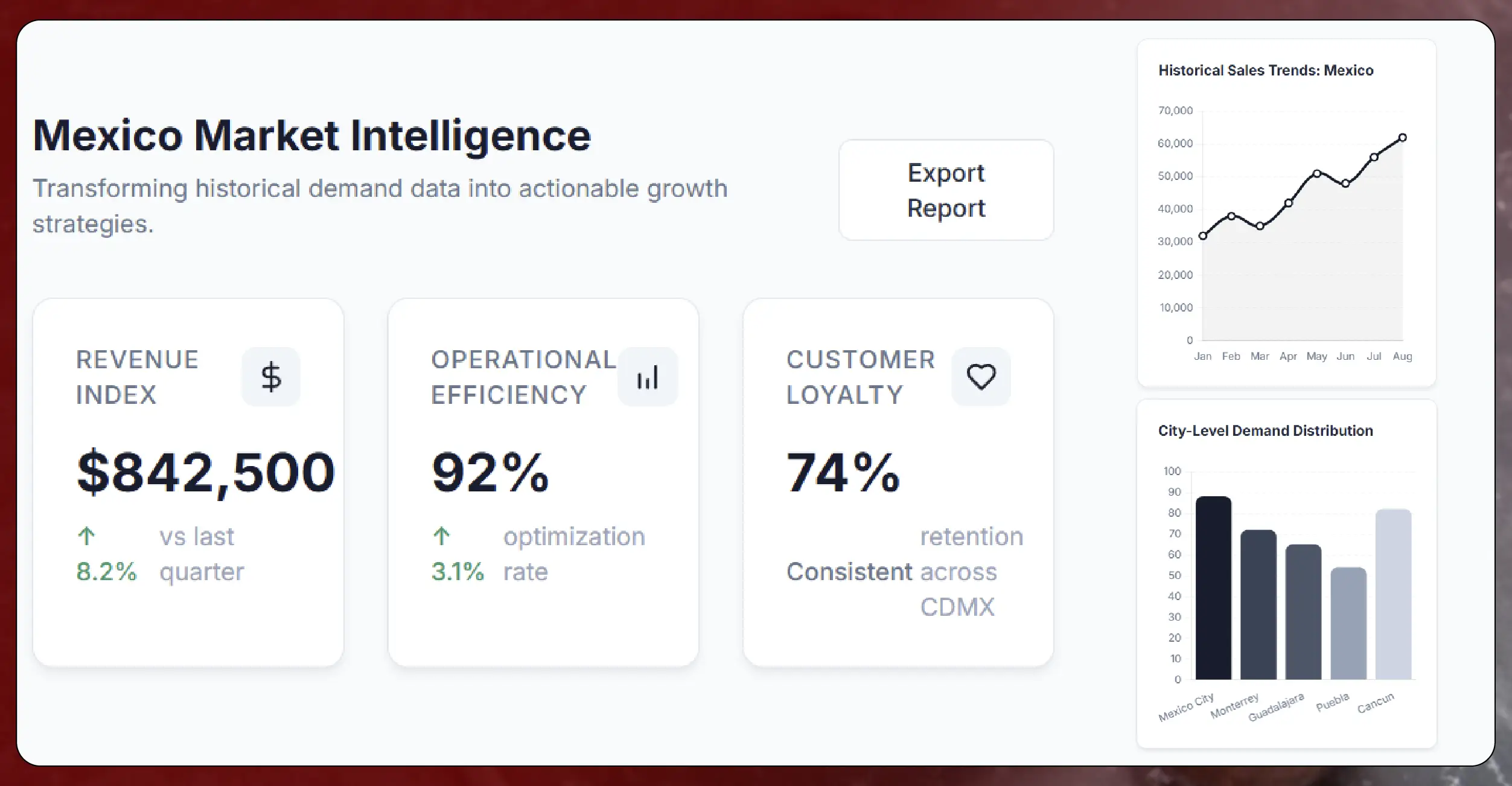
The restaurant industry is highly dynamic, with changing tastes, seasonal fluctuations, and growing competition. Performing Restaurant sales trend analysis Mexico helps businesses pinpoint profitable dishes, understand the impact of pricing strategies, and identify opportunities for growth.

Historical insights also help businesses recognize underperforming outlets and adjust menus to meet consumer expectations. By tapping into method to Extract restaurant demand data, operators can proactively respond to customer needs instead of relying on guesswork.

Moreover, City-level restaurant data analysis Mexico provides a granular view of dining trends across neighborhoods. Restaurants can tailor their offerings, target marketing campaigns, and optimize supply chains based on precise local insights.

Understanding Food Consumption Patterns

Analyzing Food consumption pattern analysis Mexico allows businesses to identify shifts in customer preferences. For instance, there may be an increased demand for plant-based options or international cuisines in specific areas.

Access to Restaurant performance data Aguascalientes enables managers to evaluate revenue, track menu item popularity, and measure operational efficiency. With these insights, restaurants can make informed decisions about inventory, staffing, and promotions.

Investing in Restaurant Data Services ensures access to structured, up-to-date, and reliable data. These services provide the foundation for accurate forecasting, benchmarking, and performance tracking, giving restaurants a competitive edge.

Leveraging Historical Restaurant Datasets

Historical Restaurant Datasets are invaluable for identifying long-term trends and patterns. They allow businesses to analyze past performance, forecast future demand, and implement data-driven strategies.

By examining historical data, restaurants can:

  • Identify high-performing dishes and menus
  • Predict seasonal spikes in demand
  • Optimize staffing and inventory
  • Evaluate competitor performance
  • Improve marketing campaigns

Data-driven strategies empower restaurants to stay ahead of market shifts, enhance customer satisfaction, and increase profitability.

Techniques for Collecting Data

Scraping restaurant data requires technical expertise and adherence to regulations. Methods include web crawlers, APIs, and automated data pipelines. Key steps in the process are:

  • Source Identification: Collect data from delivery platforms, review sites, restaurant websites, and social media.
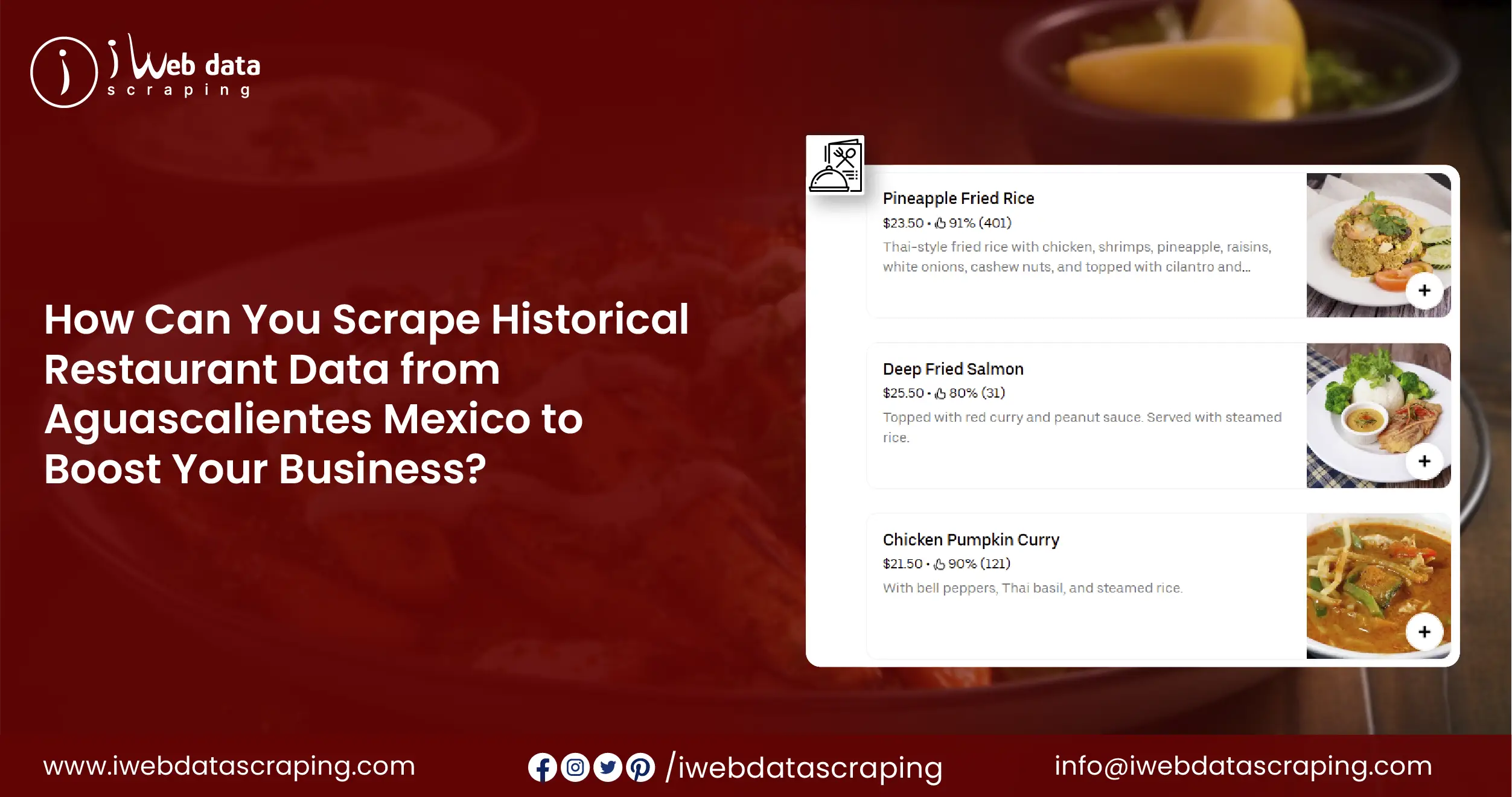
  • Structured Extraction: Gather information such as menu items, prices, ratings, and sales figures.
  • Data Cleaning: Remove duplicates, fix errors, and standardize formats.
  • Storage and Updates: Use secure databases and APIs for real-time access.

Ethical scraping ensures compliance with Mexican data laws and platform terms of service, protecting both businesses and consumers.

Business Benefits

Business Benefits

Restaurants that leverage historical and real-time data enjoy numerous advantages:

  • Menu Optimization: Identify customer favorites and remove underperforming items.
  • Revenue Forecasting: Plan for peak periods and holidays.
  • Targeted Marketing: Launch promotions based on demand insights.
  • Operational Efficiency: Allocate staff and inventory accurately.
  • Competitor Benchmarking: Compare performance with local restaurants.

With Historical restaurant data analysis Mexico, businesses gain actionable insights that improve profitability and customer experience.

Trends Shaping Aguascalientes’ Restaurant Market

Aguascalientes has seen rapid growth in urban dining and online food delivery. Restaurants can now use Scrape Historical Restaurant Data from Aguascalientes Mexico to identify emerging cuisines, popular locations, and seasonal demand spikes.

Restaurant sales trend analysis Mexico highlights areas where restaurants can innovate. For example, analyzing customer ratings may reveal a growing preference for healthy menu options or gourmet experiences. Restaurants that adapt quickly to these trends gain a competitive advantage.

Scrape restaurant data today to uncover trends and make smarter business decisions.

Challenges and Solutions

Despite the benefits, scraping restaurant data has challenges:

  • Data Accuracy: Poor-quality data can mislead decisions. Validation is essential.
  • Legal Compliance: Following Mexican regulations and platform terms is mandatory.
  • Technical Complexity: Expertise in APIs and web crawling is required.
  • Data Integration: Combining multiple sources requires careful mapping.

By partnering with expert providers of Restaurant Data Services, businesses can overcome these hurdles and access clean, actionable data for strategic planning.

Future of Restaurant Analytics

The future of the restaurant industry in Mexico is data-driven. Digital platforms generate massive amounts of information, enabling advanced insights into customer preferences and market trends.

Using Historical Restaurant Datasets, restaurants can forecast demand, optimize operations, and improve customer experiences. Tools such as Food Demand Forecasting Solutions, Restaurant Analytics APIs, and City-wise Restaurant Market Data allow operators to anticipate demand, tailor their offerings, and maintain competitiveness in an evolving market.

Restaurants that integrate data analytics into their business model can respond quickly to market changes, implement efficient operational strategies, and maximize revenue while ensuring customer satisfaction.

How iWeb Data Scraping Can Help You?

  • Unlock Market Insights – Gather detailed restaurant and customer data to understand trends, preferences, and local demand patterns.
  • Optimize Operations – Analyze historical sales and performance metrics to improve staffing, inventory, and resource allocation.
  • Forecast Demand Accurately – Predict peak hours, seasonal surges, and menu popularity to plan efficiently and reduce waste.
  • Gain Competitive Advantage – Monitor competitor performance, pricing strategies, and market movements to stay ahead in the industry.
  • Make Data-Driven Decisions – Transform raw data into actionable insights for menu planning, marketing campaigns, and strategic growth.

Conclusion

In conclusion, scraping and analyzing restaurant data in Aguascalientes is no longer optional—it is a strategic necessity. Businesses that leverage Food Demand Forecasting Solutions can accurately predict customer demand and plan resources efficiently. Using Restaurant Analytics APIs allows operators to integrate data-driven insights directly into their systems for better decision-making. Access to City-wise Restaurant Market Data helps identify growth opportunities and stay ahead of local competition. By adopting these tools, restaurants can optimize operations, improve customer satisfaction, and maintain a competitive edge in the market.

By tapping into historical datasets and applying modern analytics techniques, restaurants can transform data into actionable strategies that drive growth, improve efficiency, and enhance customer satisfaction in Aguascalientes and across Mexico.

Experience top-notch web scraping service and mobile app scraping solutions with iWeb Data Scraping. Our skilled team excels in extracting various data sets, including retail store locations and beyond. Connect with us today to learn how our customized services can address your unique project needs, delivering the highest efficiency and dependability for all your data requirements.

Let’s Discuss Your Project

FAQ's

What is historical restaurant information, and why is it important for local businesses?

Historical restaurant information includes past sales, menu performance, customer feedback, and operational data. Analyzing this information helps restaurants anticipate demand, manage inventory, and plan effective marketing campaigns.

How can I collect restaurant performance data accurately?

Accurate collection requires using tools like web scrapers, APIs, and automated systems to gather structured data from delivery platforms, review sites, and restaurant websites. Cleaning and validating the data ensures reliable insights.

What benefits does city-level restaurant analysis provide?

City-level analysis reveals neighborhood trends, popular dishes, peak dining hours, and spending patterns. Restaurants can use these insights to adjust menus, staff allocation, and promotional strategies for each area.

How can historical datasets enhance restaurant operations in Aguascalientes?

Historical datasets show trends in sales, customer behavior, and seasonal demand. Restaurants can use this information to optimize menus, plan staffing, improve efficiency, and increase overall customer satisfaction.

Are there tools or services to support restaurant analytics?

Yes, professional data services and analytics platforms provide structured information, predictive insights, and market analysis. These solutions help restaurants make informed decisions, forecast demand, and identify growth opportunities.