How Can Indian Spices Data Scraping Help Track Prices and Availability Online?
Introduction
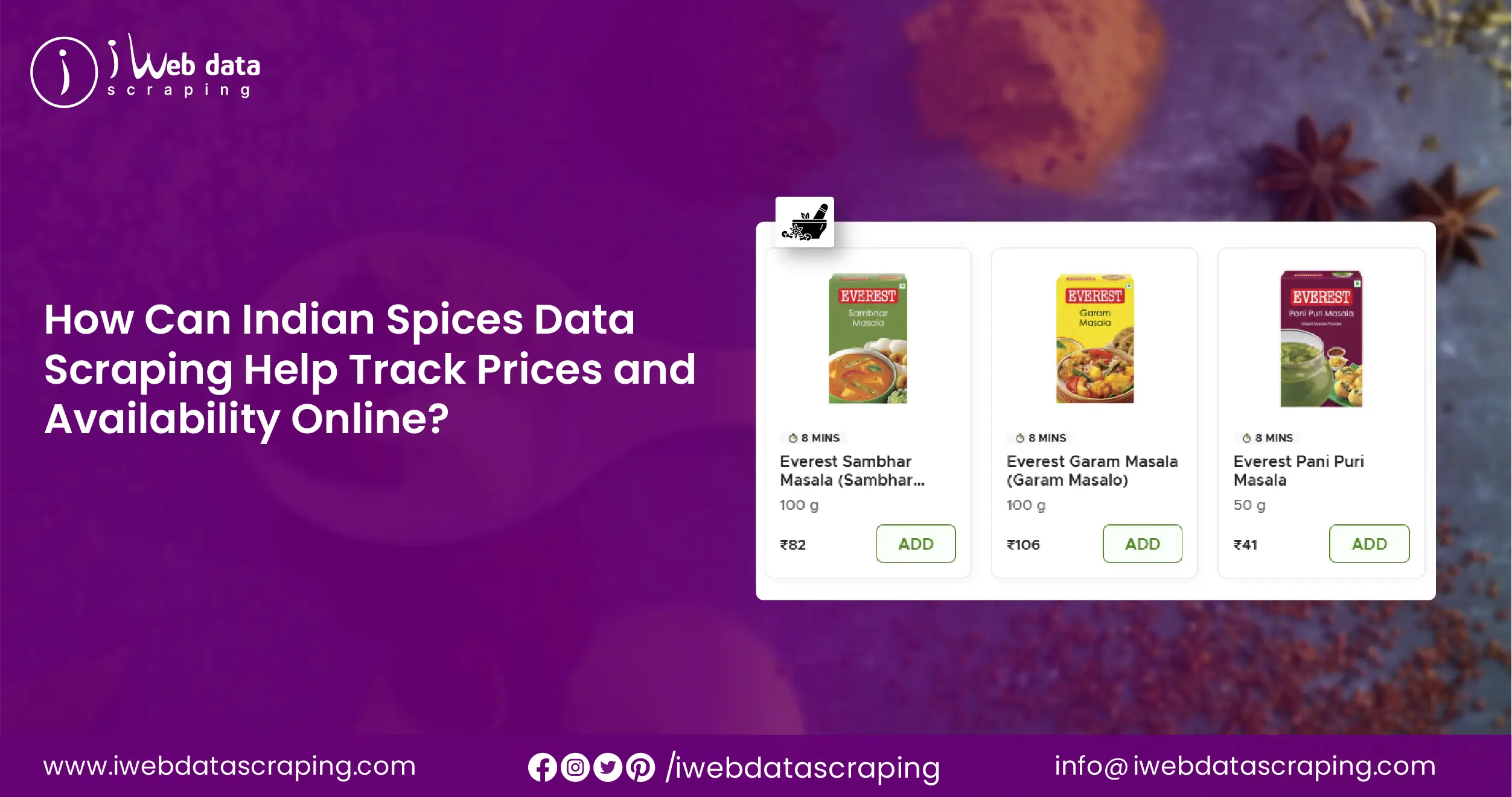
In today’s fast-paced digital marketplace, the spice trade has evolved far beyond traditional supply chains. Businesses, retailers, and exporters are now relying on advanced data-driven strategies to understand market trends, track consumer preferences, and optimize pricing. Indian spices data scraping has emerged as a vital tool for companies seeking comprehensive insights into one of the world’s most dynamic agricultural sectors. By leveraging automated web scraping techniques, stakeholders can collect real-time data from e-commerce platforms, online grocery stores, and spice marketplaces, enabling informed decision-making that was previously impossible.
Moreover, understanding global trends is crucial for spices, given their widespread consumption across continents. Businesses engaged in international trade can perform cross-border demand analysis spices to identify emerging markets, popular spice varieties, and seasonal consumption patterns. This type of data-driven analysis helps exporters anticipate demand fluctuations, adjust inventory levels, and optimize logistics, reducing the risk of stockouts or overstocking.
The Growing Need for Indian Spice Market Intelligence
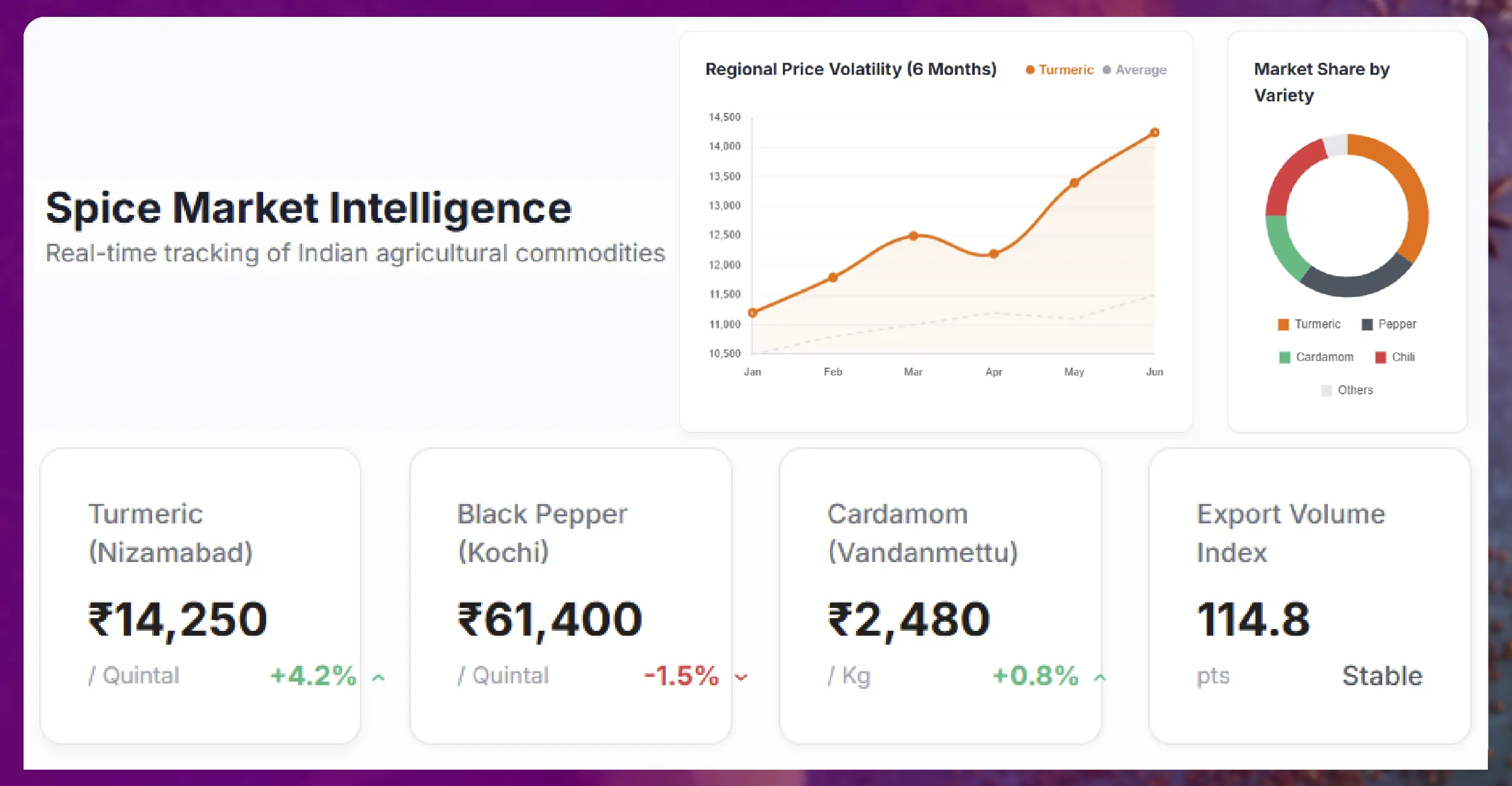
India is globally recognized as the largest producer and exporter of spices such as turmeric, black pepper, cardamom, cumin, and chili. However, the complexity of the Indian spice industry, with its regional variations and fragmented supply chains, presents challenges for traders, retailers, and analysts alike. Indian spice market intelligence allows stakeholders to monitor pricing trends, understand consumer demand, and track competitor strategies in real-time. By leveraging data scraping, companies can access structured datasets that reveal price volatility, top-selling products, and promotional activities, which traditional market research often misses.
Retailers, wholesalers, and exporters can also track fluctuations in raw spice prices and finished product listings across multiple platforms. For example, turmeric might experience sudden price hikes due to seasonal production drops, while black pepper demand can surge during festive seasons. By monitoring such variations through automated scraping tools, businesses can make proactive decisions, ensuring profitability and competitive advantage.
How Data Scraping Transforms Spice Pricing Insights?
One of the most significant benefits of data scraping is the ability to scrape spice pricing and availability data across online and offline channels. Traditional methods of price tracking are labor-intensive and prone to inaccuracies. Automated scraping tools, however, can extract structured information from multiple sources, including e-commerce websites, online marketplaces, and grocery delivery apps.
For instance, a company looking to monitor cumin pricing can scrape product listings from multiple Indian and international grocery platforms. This data includes retail prices, discounts, stock availability, customer ratings, and vendor details. By aggregating this information, businesses gain a holistic view of market trends, enabling them to adjust pricing strategies dynamically, launch targeted promotions, or renegotiate supplier contracts.
Additionally, data scraping supports predictive analytics. Historical pricing data, when combined with demand trends, can help forecast price movements, allowing spice traders to hedge risks and plan procurement efficiently. This capability is particularly valuable in a market like India, where agricultural outputs are subject to weather conditions, pest infestations, and government regulations.
Enhancing E-Commerce Strategy by Scraping Online Grocery Spice Data
The rise of online grocery platforms in India, such as BigBasket, Amazon Fresh, and Flipkart Supermart, has transformed the way consumers purchase spices. Retailers and spice brands aiming to optimize online sales must scrape online grocery spice data to understand product performance, customer preferences, and competitor strategies.
By collecting data on product categories, SKU variations, promotions, customer reviews, and ratings, businesses can identify high-demand items and optimize their product listings. For example, if a particular organic turmeric variant is consistently out of stock, it signals strong demand and an opportunity for restocking or launching similar products. Similarly, negative customer reviews can provide actionable insights for improving packaging, product quality, or service.
Data scraping also enables comparative market analysis. Businesses can benchmark their prices against competitors, identify gaps in the market, and introduce competitive offers that appeal to online shoppers. This approach ensures a proactive e-commerce strategy that maximizes sales and strengthens brand presence.
Benefits of Indian Spices Data Scraping
The advantages of leveraging data scraping for Indian spices are multi-fold:
- Real-time Market Visibility: Automated scraping provides continuous updates on pricing, availability, and promotional activities, ensuring timely decisions.
- Competitive Intelligence: Businesses can track competitor products, pricing strategies, and customer feedback, gaining insights into market positioning.
- Demand Forecasting: Historical and current data enable accurate predictions of consumer demand across regions and platforms.
- Inventory Optimization: By understanding real-time supply-demand dynamics, companies can reduce overstocking or stockouts.
- Global Market Insights: Cross-border data scraping allows exporters to identify international market opportunities and demand patterns.
Key Use Cases for Spice Industry Stakeholders
Exporters and Traders
Exporters can monitor international marketplaces for price fluctuations, trending spice varieties, and new market opportunities. Data-driven insights help streamline shipping, negotiate better rates, and reduce losses due to price volatility.
Retailers and E-Commerce Platforms
Retailers benefit by tracking online grocery prices, understanding seasonal demand, and identifying the most popular spice variants. E-commerce platforms can optimize listings, improve promotions, and enhance customer experience.
Market Analysts and Research Firms
Analysts can create detailed reports on price trends, consumption patterns, and competitor strategies. These insights support strategic decisions for investment, marketing, and supply chain optimization.
Farmers and Cooperatives
Farmers’ cooperatives can leverage pricing data to negotiate fair rates with distributors, plan crop cycles, and make informed decisions on harvesting and storage.
Data Sources for Effective Indian Spices Data Scraping
Reliable data scraping depends on accessing multiple sources for a complete view of the market. Key sources include:
- E-commerce websites: Amazon, Flipkart, BigBasket and niche spice stores.
- Online grocery delivery apps: Swiggy Instamart, Zepto, and Dunzo.
- Wholesale marketplaces: IndiaMART, TradeIndia, and regional B2B spice platforms.
- Price comparison portals and forums: Sites offering historical pricing, customer discussions, and bulk deals.
By scraping data from these sources, businesses can construct detailed datasets covering product attributes, pricing, discounts, stock levels, and consumer sentiment.
Tools and Techniques for Spice Data Extraction
Modern data scraping leverages advanced APIs, automation scripts, and cloud-based platforms for efficient data extraction. Common techniques include:
- Web Crawlers: Automated bots navigate websites to extract structured data.
- APIs: Platforms providing data endpoints allow faster, reliable access to product listings and pricing.
- Custom Scraping Scripts: Python-based tools, BeautifulSoup, and Selenium scripts enable tailored scraping solutions.
- Data Cleaning and Normalization: Ensures extracted data is accurate, standardized, and ready for analysis.
Combining these methods allows businesses to maintain high-quality, up-to-date spice datasets critical for decision-making.
Conclusion
The Indian spice industry, with its immense diversity and global demand, presents lucrative opportunities for stakeholders willing to adopt data-driven strategies. Leveraging Grocery & Supermarket Data Extraction Services ensures businesses can access real-time, accurate data to understand market dynamics. Structured Grocery and Supermarket Store Datasets provide a foundation for competitive analysis, demand forecasting, and strategic pricing. Additionally, modern Grocery Data Scraping API Services enable seamless automation, reducing manual effort and delivering actionable insights efficiently.
In an increasingly competitive global marketplace, Indian spices data scraping is no longer optional—it is essential for any business looking to stay ahead, optimize operations, and tap into both domestic and international growth opportunities.
Experience top-notch web scraping service and mobile app scraping solutions with iWeb Data Scraping. Our skilled team excels in extracting various data sets, including retail store locations and beyond. Connect with us today to learn how our customized services can address your unique project needs, delivering the highest efficiency and dependability for all your data requirements.