In the fast-paced world of online grocery retail, understanding product pricing trends and consumer behavior is crucial for businesses aiming to stay competitive. INSTASHOP product Pricing data scraping has emerged as a powerful solution to gather real-time insights from the Instashop platform. By leveraging advanced web scraping techniques, businesses can analyze pricing trends, track promotions, and optimize their product offerings for maximum profitability.
When combined with INSTASHOP product data extraction, companies gain the ability to systematically collect vast amounts of structured data, ranging from product names and categories to pricing and availability. This approach ensures that decision-makers have access to accurate and timely information to guide strategic choices.
Moreover, real-time INSTASHOP grocery price monitoring allows retailers and analysts to respond swiftly to market changes. By tracking price fluctuations, discounts, and competitor promotions, businesses can adapt their strategies instantly, ensuring competitive pricing while maintaining healthy margins. Real-time monitoring also helps in identifying seasonal trends and emerging consumer preferences.
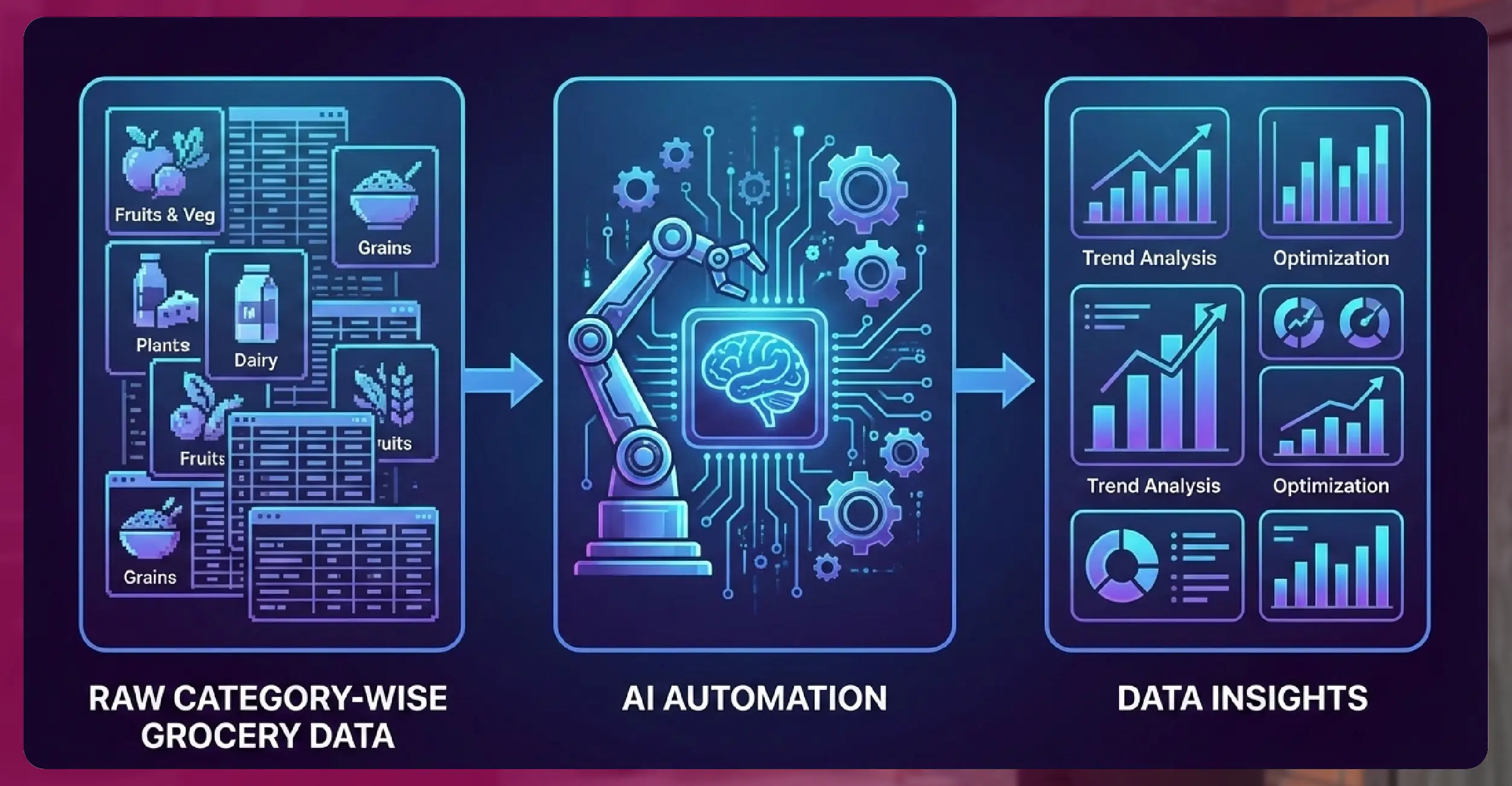
Online grocery platforms, including Instashop, host thousands of products across multiple categories. Manual data collection is time-consuming and prone to errors, making online INSTASHOP grocery marketplace scraping the most efficient solution. By automating the data extraction process, businesses can compile comprehensive datasets that provide actionable insights into consumer behavior and pricing strategies.
For example, retailers can identify high-demand products, monitor stock levels, and benchmark their prices against competitors. INSTASHOP category-level data Scraping helps segment products into specific categories such as beverages, fresh produce, snacks, and household essentials. This categorization is vital for identifying trends within specific segments and designing targeted marketing campaigns.
Beyond category-level analysis, INSTASHOP product-level metadata extraction provides granular information about each product, including brand, weight, size, nutritional information, and packaging details. Such metadata is critical for product comparison, price optimization, and consumer insights. Retailers can determine which brands are performing well, which products are frequently discounted, and how packaging sizes influence pricing.
This level of detail also enables dynamic pricing strategies. By combining product-level metadata with real-time price monitoring, businesses can optimize pricing to match demand patterns, minimize losses, and maximize profits.
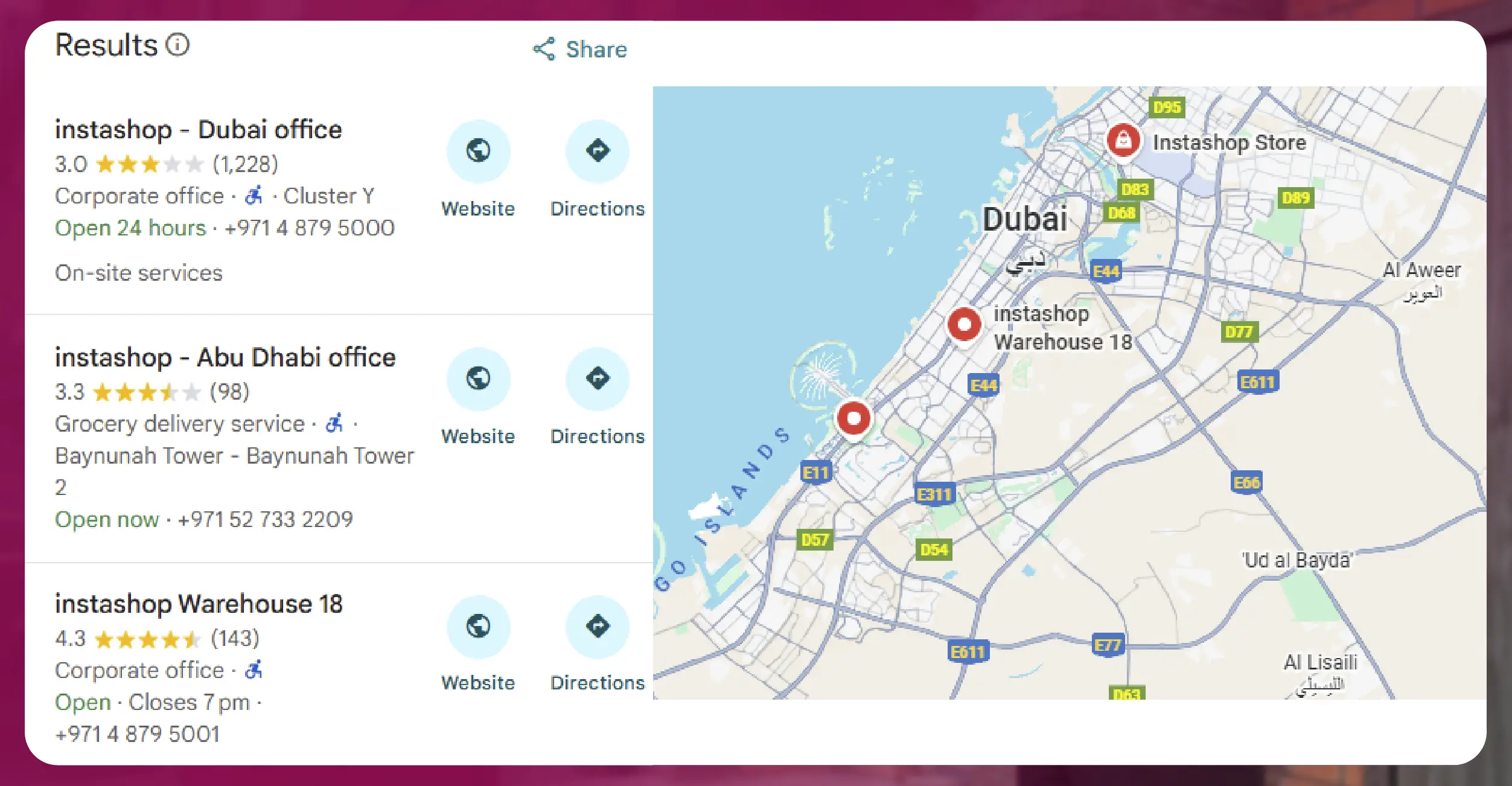
Location plays a critical role in grocery retail. By utilizing INSTASHOP store Location analysis dataset, businesses can understand regional demand variations and price differences across stores. Insights from location-based data can guide inventory allocation, promotional campaigns, and supply chain optimization.
For instance, certain products may be more popular in urban areas, while others may see higher demand in suburban regions. With accurate location data, retailers can tailor their offerings to meet local preferences, ensuring higher customer satisfaction and improved sales performance.
One of the most valuable outcomes of Instashop data scraping is price intelligence for INSTASHOP grocery product. Businesses can track competitor pricing, evaluate promotional campaigns, and identify opportunities for price optimization. By leveraging pricing intelligence, retailers can maintain competitive advantage, attract price-sensitive consumers, and boost overall revenue.
Furthermore, price intelligence tools allow businesses to forecast future pricing trends and adjust strategies proactively. This capability is especially beneficial during peak seasons, product launches, or market disruptions, ensuring businesses remain agile and responsive.
To streamline the data collection process, companies increasingly rely on Grocery Data Scraping API Services. APIs simplify the extraction of product, pricing, and category-level data from Instashop, enabling seamless integration with internal systems such as ERP, CRM, and analytics platforms. This integration ensures that decision-makers have access to timely and structured data for strategic planning.
Additionally, APIs support grocery delivery data scraping, providing insights into delivery times, service availability, and order fulfillment patterns. This information is crucial for businesses aiming to optimize last-mile logistics, improve customer experience, and identify potential operational bottlenecks.
Combining scraping capabilities with advanced analytics offers Grocery Pricing Data Intelligence Services that empower businesses to derive actionable insights. Retailers can analyze historical pricing patterns, assess promotional effectiveness, and model competitive scenarios to guide decision-making.
With these services, businesses can:
Turn real-time grocery data into smarter pricing decisions—connect with our data scraping experts today.
One of the key challenges in online grocery data scraping is maintaining accuracy and compliance. Instashop’s dynamic website structure and frequent updates require sophisticated scraping algorithms to ensure reliable data collection. Additionally, adhering to legal and ethical guidelines is essential for protecting consumer privacy and respecting platform terms of service.
By leveraging professional scraping tools and APIs, businesses can ensure accurate, timely, and compliant data extraction, supporting informed decision-making and long-term business growth.
In conclusion, Grocery Dataset from Instashop UAE provides a comprehensive foundation for market analysis, pricing intelligence, and operational optimization. By implementing Instashop Quick Commerce Delivery Scraping API, businesses can automate data collection, track real-time pricing, and analyze delivery performance to enhance customer satisfaction and drive growth.
With Grocery and Supermarket Store Datasets, businesses unlock the potential of data-driven strategies, enabling smarter decisions, competitive pricing, and superior operational efficiency. Whether for category-level insights, product-level metadata, or location-based analysis, scraping and data intelligence tools are indispensable in today’s rapidly evolving online grocery landscape.
Experience top-notch web scraping service and mobile app scraping solutions with iWeb Data Scraping. Our skilled team excels in extracting various data sets, including retail store locations and beyond. Connect with us today to learn how our customized services can address your unique project needs, delivering the highest efficiency and dependability for all your data requirements.
Automated data collection helps businesses track price changes, promotions, and availability across multiple stores efficiently. It eliminates manual errors, saves time, and provides consistent insights that support smarter pricing, marketing, and inventory decisions.
Yes, modern data extraction solutions allow continuous monitoring of price fluctuations and discounts. This enables businesses to react quickly to market changes, adjust strategies, and stay competitive in a fast-moving retail environment.
In addition to prices, detailed attributes such as brand, pack size, category, availability, and promotional tags can be collected. This enriched data helps businesses perform deeper analysis and improve product-level decision-making.
Location-based insights help identify regional pricing differences, demand patterns, and store-level performance. Businesses can use this information to optimize supply chains, plan localized promotions, and enhance customer satisfaction.
Absolutely. Historical datasets built through automated collection enable trend analysis, forecasting, and performance benchmarking. This supports long-term planning, pricing optimization, and informed investment decisions.