Why Should Businesses Scrape Kogan Product Data in New Zealand for Market Intelligence?
Introduction
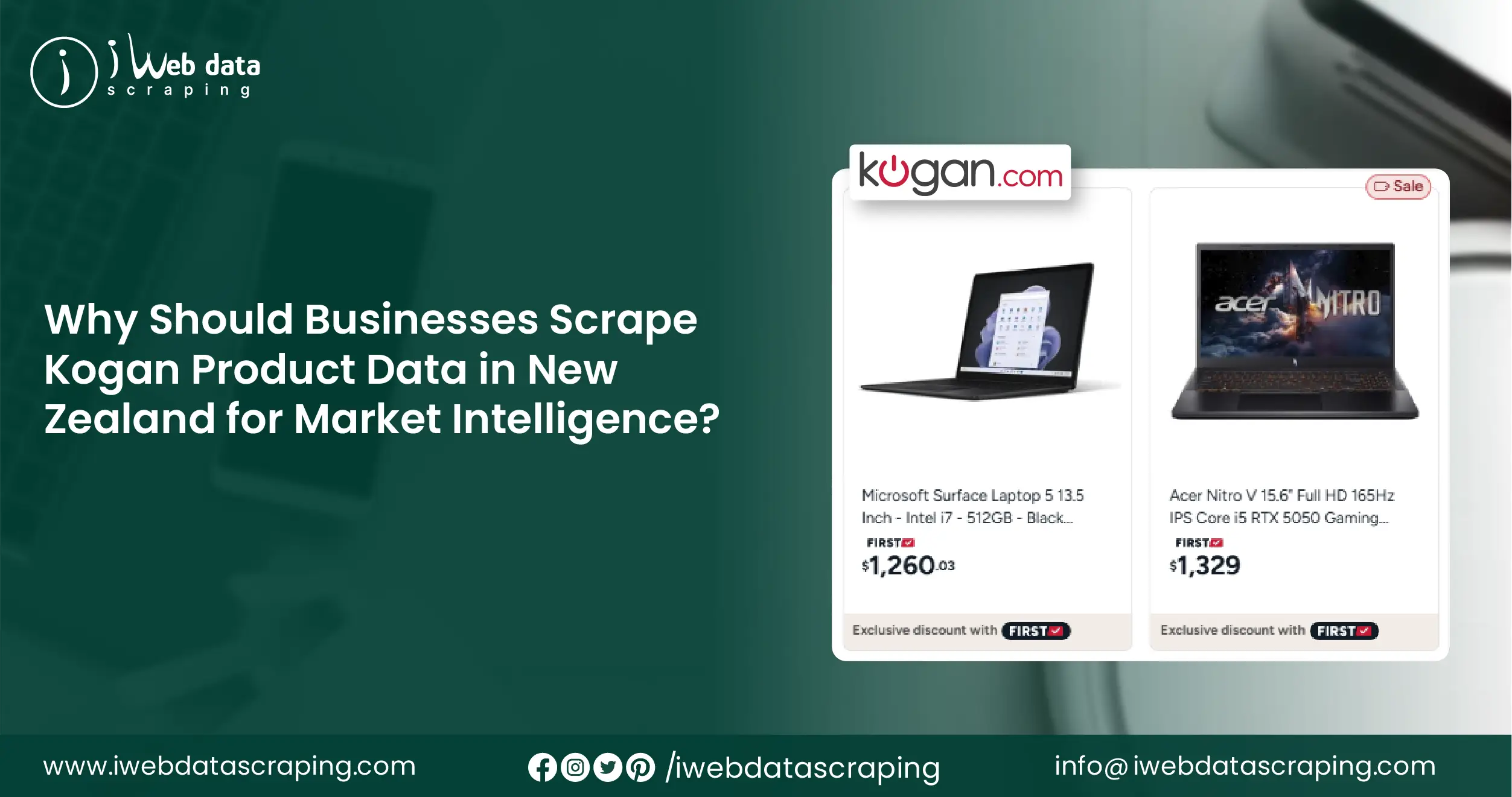
The New Zealand eCommerce market has witnessed consistent growth over the past decade, driven by increasing online shoppers and competitive pricing strategies. Among the major players, Kogan has emerged as a powerful marketplace offering electronics, home appliances, fashion, and everyday essentials. For brands, retailers, and data-driven enterprises, the ability to Scrape Kogan Product Data in New Zealand enables smarter pricing, inventory planning, and competitive benchmarking.
Businesses today aim to Extract Kogan NZ prices and product details to understand how product listings, descriptions, and specifications evolve over time. Monitoring dynamic price changes and offers becomes essential when brands rely on real-time intelligence to optimize their margins. Similarly, Kogan NZ discount and promotion tracking helps companies capture flash sales, clearance deals, bundle offers, and seasonal campaigns that influence buyer decisions.
This blog explores how structured data extraction from Kogan NZ can transform decision-making, enhance price monitoring, and strengthen market positioning.
Understanding the Importance of Kogan NZ Data Scraping
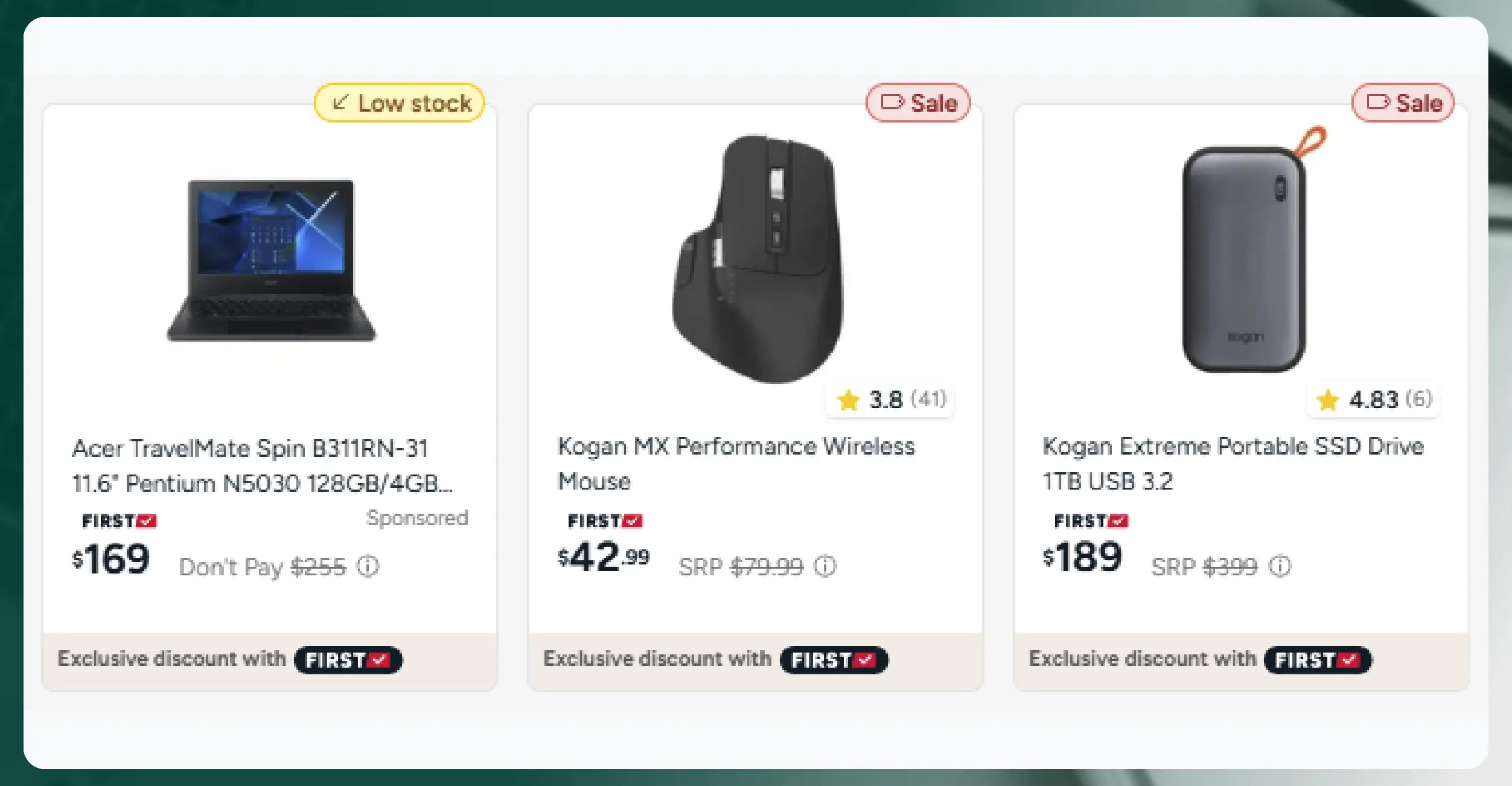
Kogan New Zealand operates in highly competitive categories such as electronics, appliances, computing devices, personal gadgets, and home essentials. Prices change frequently depending on supplier availability, stock levels, and market competition. Manual tracking is inefficient and error-prone. Automated data scraping allows businesses to capture structured, high-quality datasets that power analytics platforms.
When companies focus on Web Scraping Electronics Product Data from Kogan NZ, they gain access to key product attributes such as brand, model number, specifications, stock status, ratings, reviews, category hierarchy, and price history. This granular dataset allows retailers to compare their product catalogs against Kogan’s offerings and identify pricing gaps or assortment opportunities.
Moreover, access to a Kogan New Zealand Product Data scraping API enables real-time synchronization of product information into internal dashboards or ERP systems. This ensures decision-makers always have up-to-date pricing insights without manual intervention.
Key Data Fields Extracted from Kogan NZ
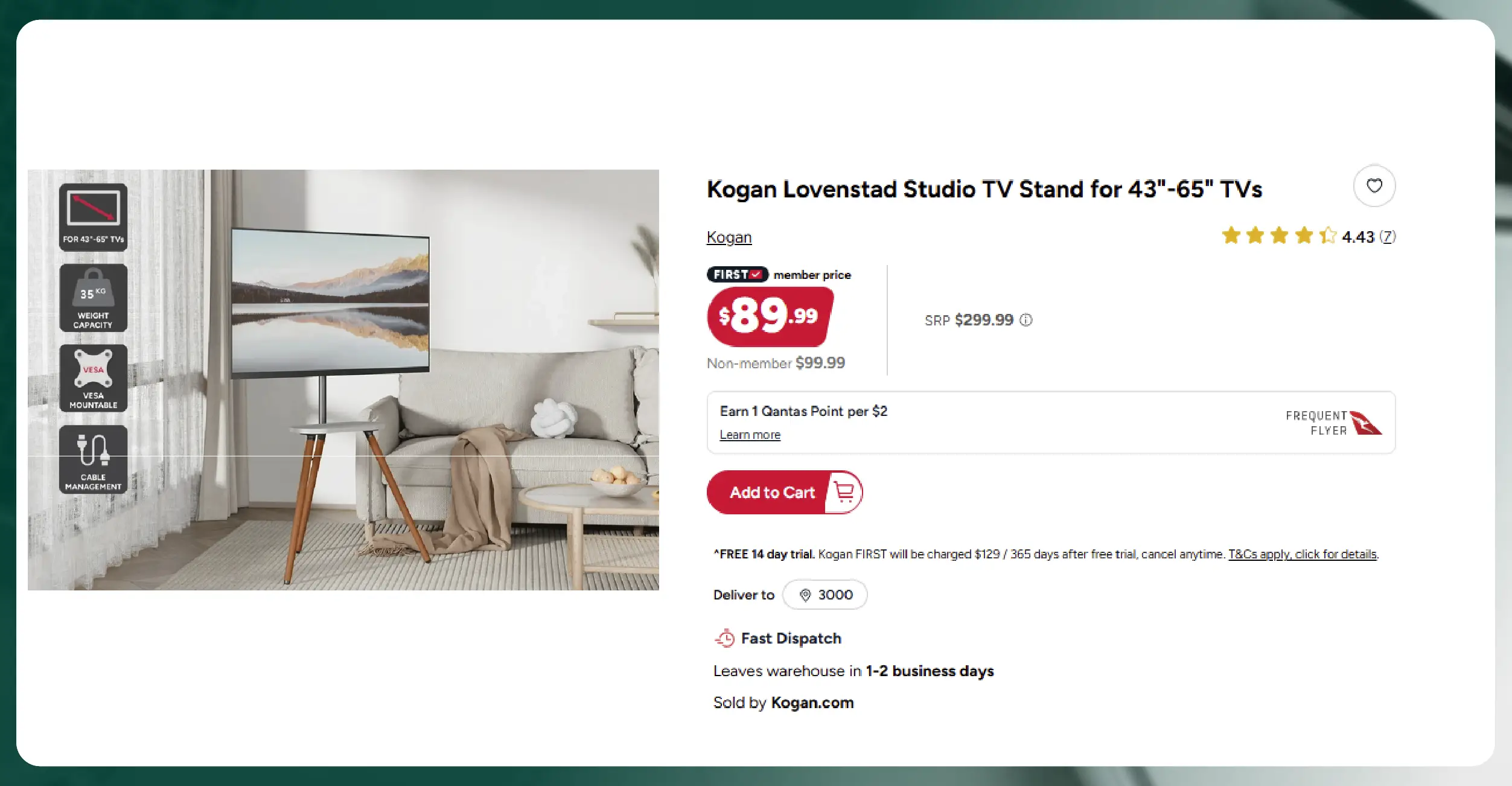
To build a reliable competitive intelligence system, businesses typically extract multiple product-level attributes. These include:
- Product Title and Description
- SKU and Product ID
- Brand and Category
- Current Price and Previous Price
- Discount Percentage
- Stock Availability
- Ratings and Reviews
- Shipping Charges and Delivery Time
Through Kogan NZ SKU-level product data extraction, enterprises can track individual variations such as color, storage capacity, or size. SKU-level granularity is essential for electronics and appliances where product variations directly impact pricing.
High-quality Kogan Data Scraping Services ensure data normalization, deduplication, and structured storage for seamless analytics. Instead of raw HTML extraction, cleaned and formatted datasets make analysis more efficient.
Competitive Pricing and Dynamic Monitoring
The New Zealand retail environment is heavily price-driven. Consumers often compare prices across platforms before making purchase decisions. Businesses that Extract Kogan Product Data can monitor competitor pricing strategies in real time and adjust their own pricing dynamically.
For example, during promotional periods such as Black Friday or holiday sales, price changes can occur multiple times per day. Continuous monitoring of Kogan NZ ensures that retailers do not lose revenue due to underpricing or miss opportunities to match competitor discounts.
By leveraging historical Kogan Product Datasets, analysts can also identify long-term pricing patterns. This helps forecast seasonal demand spikes, understand discount cycles, and optimize promotional calendars.
Applications of Kogan NZ Product Data
The extracted data serves multiple strategic use cases across industries:
1. Price Intelligence
Retailers compare their SKUs against Kogan’s listings to identify price gaps and maintain competitive positioning.
2. Assortment Optimization
Brands analyze category-level trends to determine which electronics or appliances are gaining traction.
3. Promotion Analysis
Monitoring discount trends reveals how Kogan structures bundle deals and clearance offers.
4. Review Sentiment Analysis
Customer reviews and ratings provide insights into product performance and consumer satisfaction.
Organizations that regularly Extract Popular E-Commerce Website Data gain a broader understanding of multi-platform competition beyond Kogan, including other regional marketplaces in New Zealand.
Data Pipeline and Technology Framework
Modern eCommerce Data Scraping Services rely on automated crawlers, rotating proxies, structured parsers, and API-based integrations to ensure consistent data flow. These systems are designed to handle large-scale product catalogs without performance degradation.
A typical scraping workflow includes:
- URL discovery and category mapping
- Automated crawling and data capture
- Structured parsing and field extraction
- Data validation and cleansing
- Storage in databases or cloud warehouses
- Visualization through dashboards
Real-time alerts can also be configured to notify pricing teams whenever competitor prices drop below predefined thresholds.
Start leveraging real-time eCommerce data today to outprice competitors, optimize strategy, and accelerate measurable growth.
Benefits of Structured Kogan NZ Data Intelligence
Accurate product data extraction enhances business outcomes in multiple ways:
- Improves pricing accuracy and margin optimization
- Enables dynamic repricing strategies
- Reduces manual monitoring effort
- Enhances forecasting accuracy
- Strengthens competitive benchmarking
In highly competitive electronics categories, even minor pricing differences can influence conversion rates. Access to real-time intelligence ensures that retailers remain agile and responsive.
Legal and Ethical Considerations
While data scraping offers powerful insights, businesses must adhere to compliance standards and responsible data collection practices. Ethical scraping involves respecting website structures, avoiding server overload, and complying with regional data regulations.
Enterprises should partner with professional providers who implement secure and compliant scraping methodologies. Structured APIs and monitored crawling processes minimize operational risks while maximizing data quality.
Transforming Data into Actionable Insights
Collecting data is only the first step. The true value lies in analytics. Once structured Kogan NZ data is integrated into BI tools, businesses can generate dashboards showcasing:
- Price fluctuation trends
- Category-level growth
- Promotion frequency analysis
- SKU-level demand indicators
- Customer review sentiment scores
These insights empower category managers, pricing analysts, and marketing teams to make evidence-based decisions.
For instance, combining product ratings with price history allows brands to identify high-demand products that maintain strong reviews despite price increases. This insight can guide premium pricing strategies.
Why Businesses in New Zealand Need Kogan Data Scraping?
New Zealand’s digital retail ecosystem continues expanding, and competition among marketplaces intensifies each year. Local retailers, global brands, distributors, and analytics firms all rely on structured marketplace intelligence to remain competitive.
By automating data extraction processes, organizations eliminate the need for manual spreadsheet tracking. Instead, they gain continuous streams of high-quality datasets ready for integration with AI-driven forecasting models.
When businesses adopt structured scraping and monitoring systems, they unlock predictive insights that support revenue growth and operational efficiency.
How iWeb Data Scraping Can Help You?
1. Advanced Market Benchmarking
Our data scraping solutions provide deep competitor benchmarking insights, helping you compare pricing, assortment gaps, and positioning strategies to stay ahead in highly competitive eCommerce markets.
2. Automated Catalog Monitoring
We track entire product catalogs automatically, identifying new launches, discontinued items, specification updates, and pricing shifts without requiring manual tracking or internal resource allocation.
3. Demand & Trend Analysis Support
By collecting historical and real-time data, we help you uncover buying patterns, seasonal demand spikes, and fast-moving categories to improve forecasting accuracy and revenue planning.
4. Review & Sentiment Intelligence
Our services extract customer ratings and review content, enabling sentiment analysis that reveals product strengths, weaknesses, and improvement opportunities across your competitive landscape.
5. Custom Data Delivery & Integration
We offer flexible delivery formats, API integrations, and cloud-ready datasets that seamlessly connect with your analytics dashboards, AI models, and internal business intelligence systems.
Conclusion
In the fast-evolving New Zealand eCommerce market, extracting structured intelligence from leading marketplaces is no longer optional—it is strategic. Businesses that consistently monitor Kogan NZ listings gain access to competitive price movements, SKU-level insights, and promotion analytics that directly influence profitability.
Access to a reliable Ecommerce Product Ratings and Review Dataset enhances sentiment analysis and product performance tracking. Combined with robust eCommerce Data Intelligence, companies can transform raw data into actionable business strategies. Furthermore, scalable Web Scraping API Services ensure seamless integration of marketplace data into enterprise systems, enabling real-time dashboards and automated repricing engines.
Ultimately, data-driven organizations that invest in structured scraping infrastructure are better positioned to adapt, compete, and grow within New Zealand’s dynamic digital retail landscape.
Experience top-notch web scraping service and mobile app scraping solutions with iWeb Data Scraping. Our skilled team excels in extracting various data sets, including retail store locations and beyond. Connect with us today to learn how our customized services can address your unique project needs, delivering the highest efficiency and dependability for all your data requirements.