Why Is Shuttle Food Delivery Price Comparison Crucial for Restaurants?
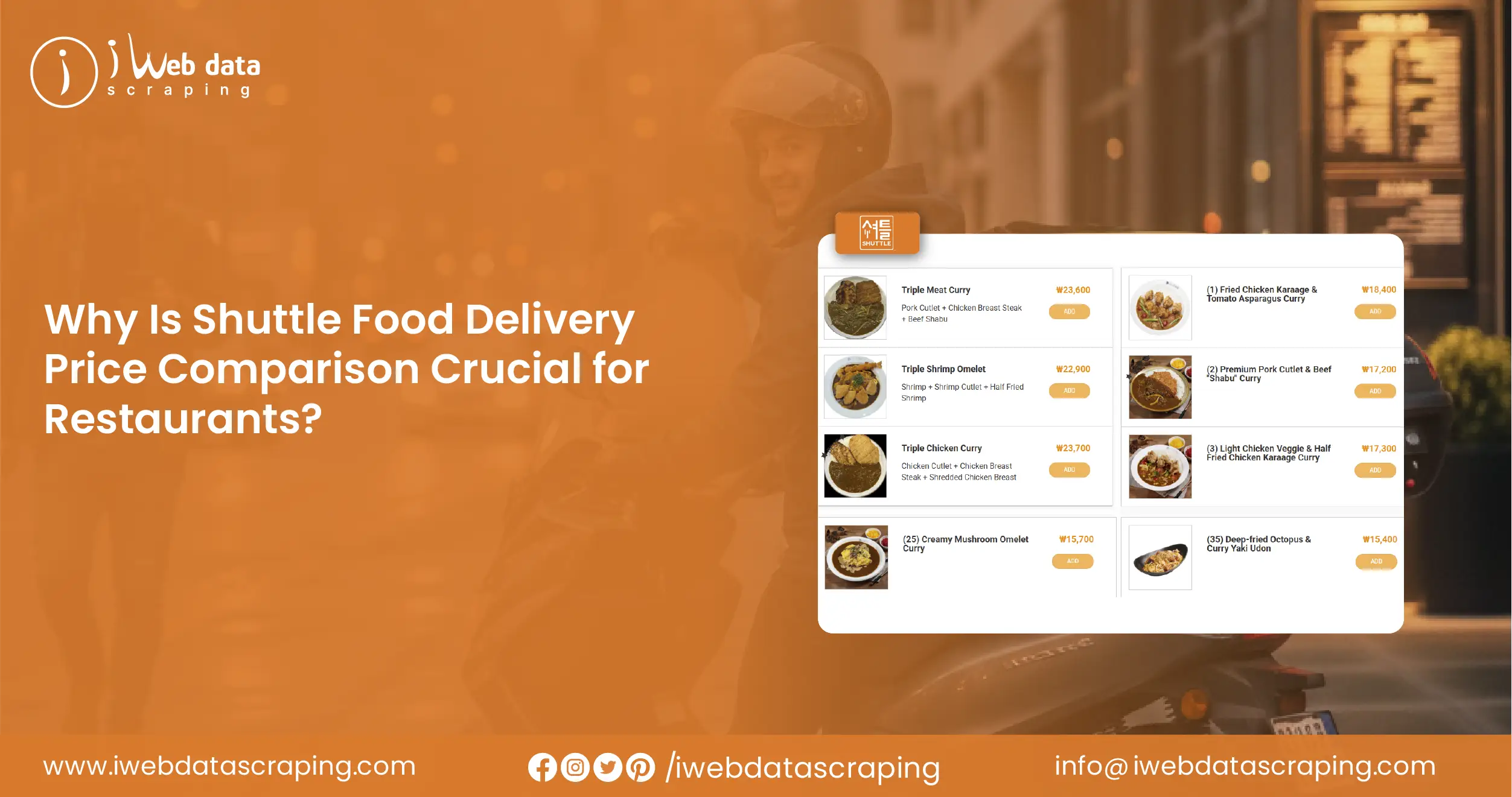
Introduction
In an era where convenience and digital-first consumption are redefining the foodservice industry, understanding delivery pricing has become crucial for both consumers and businesses. Shuttle food delivery price comparison is emerging as a key tool for navigating Korea’s fast-growing online food delivery ecosystem. With rising competition and evolving consumer expectations, tracking and analyzing food delivery prices is no longer optional—it is essential. Similarly, Korea food delivery prices data Comparison provides a granular view of the cost landscape across cities, cuisines, and restaurant types, enabling both brands and consumers to make informed decisions.
Shuttle food delivery price comparison Korea allows stakeholders to identify price variation trends, understand regional consumer preferences, and benchmark against competitors. Leveraging modern data scraping techniques, businesses can extract real-time pricing data from Shuttle and other platforms to build insights into the Korean market.
Understanding the Korean Food Delivery Ecosystem
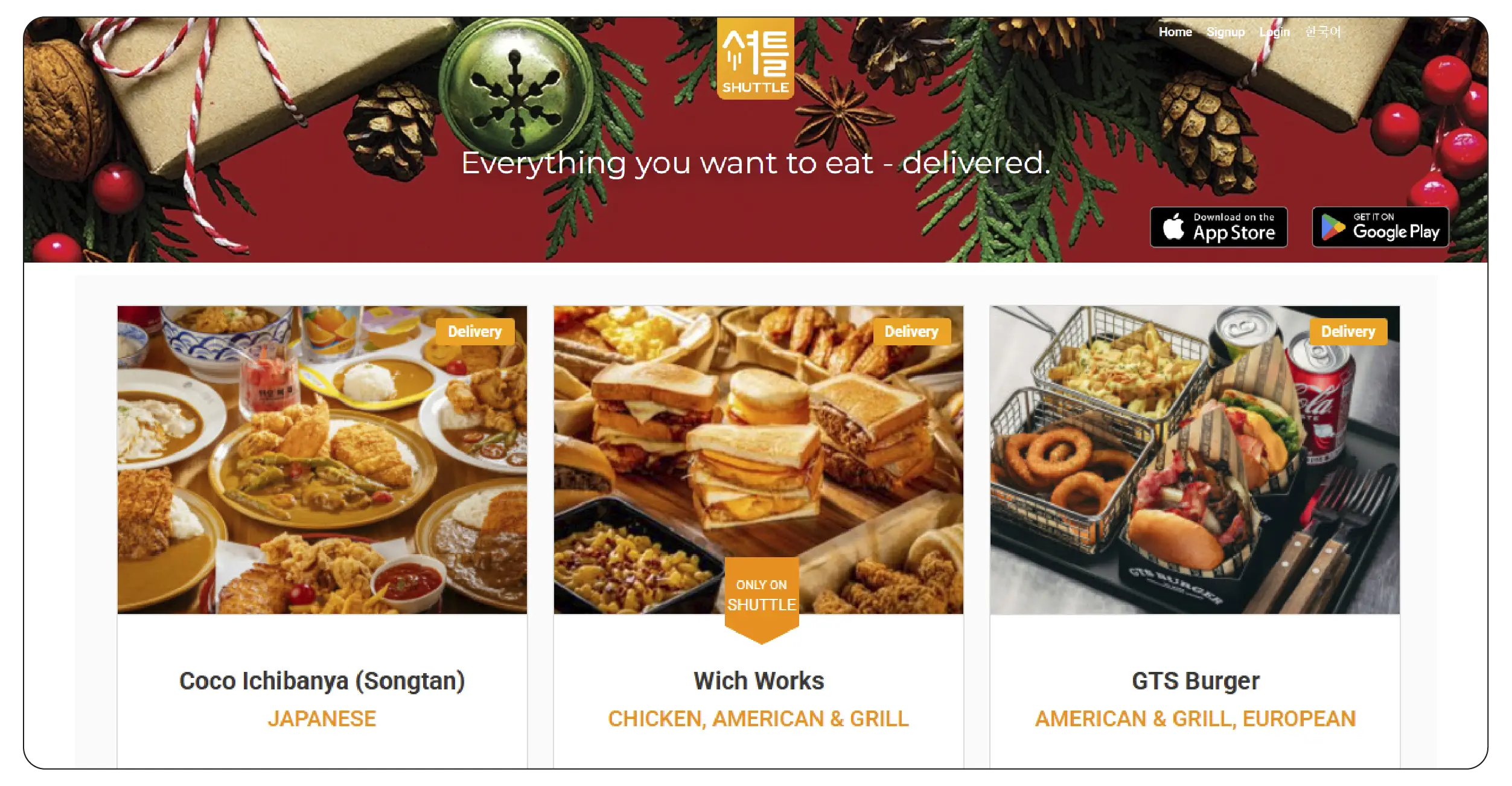
Korean cuisine is experiencing unprecedented global recognition, with international flavors and traditional dishes increasingly integrated into everyday dining. This growth has been mirrored by the expansion of online delivery platforms such as Shuttle, Baedal Minjok, and Yogiyo. According to market reports, the food delivery market in South Korea exceeded USD 10 billion in 2024, driven by the rise of ready-to-eat meals, convenience-driven consumption, and tech-enabled ordering platforms.
Shuttle has carved a significant niche in this competitive landscape by offering fast, reliable delivery services and a broad restaurant network. To remain competitive, restaurants and delivery operators must carefully manage pricing strategies, menu offerings, and promotions, making the need to Scrape Shuttle restaurant price variation Korea a critical activity for market intelligence.
Why Price Comparison Matters for Shuttle Deliveries?
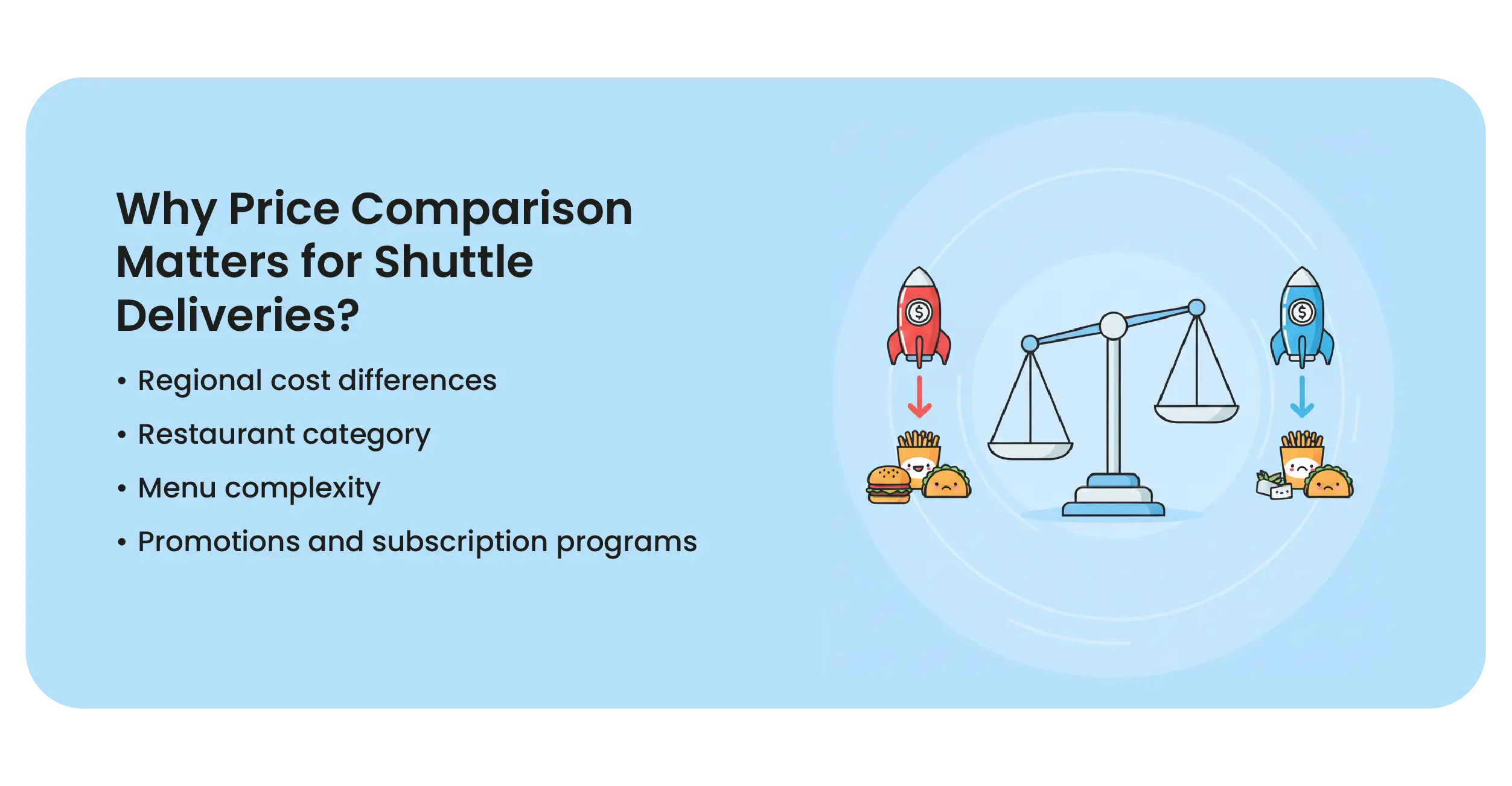
Food delivery pricing in Korea is influenced by multiple factors:
- Regional cost differences: Cities such as Seoul, Busan, and Incheon display varying price points for the same menu items due to operational costs, logistics, and demand patterns.
- Restaurant category: Premium restaurants, street food vendors, and casual dining chains exhibit different pricing dynamics.
- Menu complexity: Dishes requiring intricate preparation or rare ingredients naturally command higher delivery fees.
- Promotions and subscription programs: Shuttle’s dynamic pricing and discount schemes can impact cost comparisons over time.
By leveraging tools to Extract city-level cost of Shuttle app Korea, businesses and consumers can analyze these variations with precision. For example, a bowl of Bibimbap in Seoul may differ significantly in price compared to Busan due to differences in delivery fees, ingredient sourcing, and operational overheads.
Comparative Analysis: Shuttle Delivery Prices Across Cities
To better understand the price dynamics, we conducted a comparison of Shuttle delivery prices for key Korean dishes across three major cities: Seoul, Busan, and Incheon.
| Korean Fried Chicken |
18,500 |
17,800 |
18,200 |
Slightly lower in Busan due to high restaurant density |
| Bibimbap |
9,800 |
10,200 |
9,900 |
Seoul offers competitive pricing with promotions |
| Kimchi Jjigae |
8,500 |
8,700 |
8,600 |
Minor variation across regions |
| Tteokbokki |
7,200 |
7,500 |
7,400 |
Popular street food with higher cost in Busan |
| Korean BBQ Set |
32,000 |
31,500 |
32,200 |
Premium menu item shows minimal variance |
This table illustrates the importance of Korean restaurant delivery price mapping for strategic pricing and consumer insights. By tracking such differences, restaurants and food delivery platforms can optimize pricing, promotions, and menu offerings to match local demand patterns.
Unlock actionable insights and optimize your food delivery strategy—start leveraging our data scraping services today!
Leveraging Shuttle App Data for Market Insights
To fully understand pricing trends, consumer behavior, and competitive dynamics, businesses must go beyond manual observation. Shuttle city-level food data scraping enables the collection of comprehensive datasets across multiple cities, restaurants, and cuisines. These datasets can reveal:
- Peak pricing periods and demand cycles
- Popular menu items and emerging trends
- Delivery fee patterns across different urban areas
- Consumer preference shifts and spending behavior
For instance, analyzing Korean consumer spending behavior from Shuttle app allows brands to align promotions with high-demand times or introduce new menu items that reflect local tastes.
Building an Intelligent Pricing Strategy
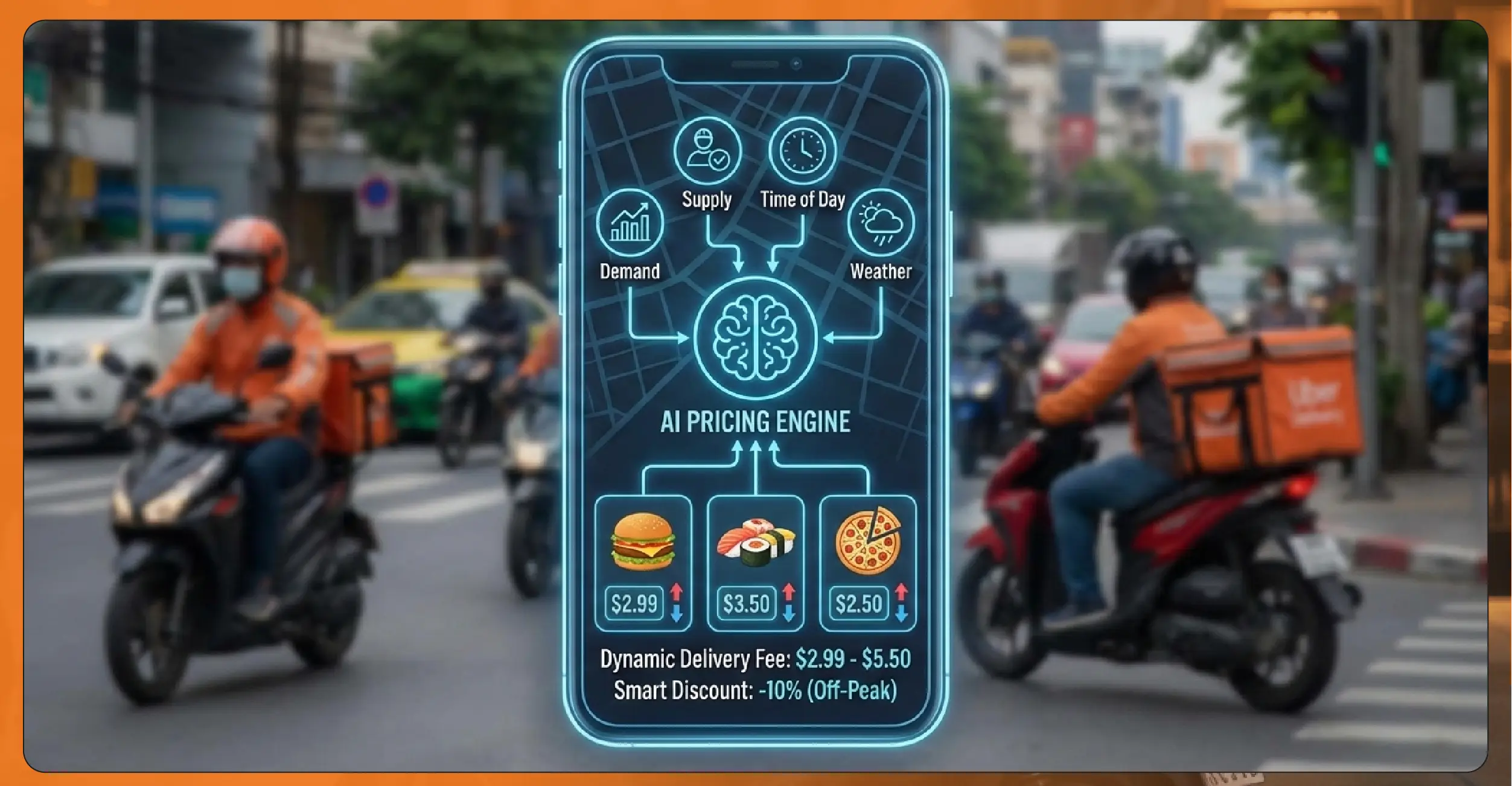
Integrating Shuttle delivery price data into business strategy offers several advantages:
- Dynamic Menu Pricing: Restaurants can adjust prices based on real-time data to remain competitive while maintaining profit margins.
- Promotional Optimization: By monitoring competitor pricing, brands can design targeted discount campaigns that attract customers without eroding revenue.
- Menu Innovation: Identifying top-selling or underperforming items allows restaurants to tweak offerings and introduce new Korean-inspired formats.
- Operational Efficiency: Understanding delivery cost drivers helps optimize logistics and reduce overheads.
Businesses can accomplish these insights through Web Scraping Shuttle app food menu data. They can also use Shuttle app data scraping to gather detailed pricing and menu information. Additionally, leveraging Food Delivery App Menu Datasets helps create a structured, actionable database.
Case Study: Applying Price Comparison Insights
Consider a mid-sized Korean restaurant in Seoul seeking to expand via Shuttle. By Scrape Shuttle restaurant price variation Korea, the restaurant identifies that its Kimchi Fried Rice is priced 10% higher than nearby competitors. Using Extract city-level cost of Shuttle app Korea, the restaurant adjusts pricing, launches a targeted promotion, and bundles items to increase order value. Within a month, the restaurant sees a 15% increase in order volume while maintaining profitability.
This demonstrates the tangible impact of Shuttle food delivery price comparison in driving growth, ensuring competitive positioning, and responding to city-specific consumer behaviors.
Future Trends in Shuttle Delivery Pricing
- AI-Powered Pricing: Machine learning algorithms will predict demand spikes and optimize delivery fees dynamically.
- Personalized Promotions: Data-driven insights from Shuttle city-level food data scraping will allow restaurants to target repeat customers with custom offers.
- Integration with Health and Convenience Trends: As Korean cuisine emphasizes ready-to-eat formats and healthier options, menu pricing will increasingly reflect these premium attributes.
- Cross-Platform Benchmarking: Comparing Shuttle with competitors like Baedal Minjok will become standard practice for brands seeking regional market leadership.
How iWeb Data Scraping Can Help You?
- Real-Time Market Insights – Access up-to-date pricing, menu, and restaurant data to stay ahead of competitors and respond quickly to market changes.
- City-Level Analytics – Extract granular information from multiple locations to identify regional trends, cost variations, and consumer preferences.
- Competitive Benchmarking – Track competitor pricing, promotions, and menu updates to make informed strategic decisions and optimize offerings.
- Consumer Behavior Understanding – Analyze ordering patterns, popular dishes, and spending habits to tailor products, pricing, and marketing campaigns.
- Actionable Data for Innovation – Use structured datasets to refine menu items, launch new products, and develop targeted growth strategies across channels.
Conclusion
The Korean food delivery landscape, powered by Shuttle and similar platforms, presents significant opportunities for both consumers and businesses. The Food Delivery Data Extraction Services enable precise tracking, benchmarking, and predictive analysis of pricing trends. By leveraging Food website scraper, and city-level insights, brands can design competitive pricing, optimize menus, and align with consumer expectations in a fast-paced market.
With Korea’s cuisine gaining global traction and digital delivery transforming access, the ability to analyze price trends systematically with Food Data Scraping API is no longer optional—it is a competitive imperative.
Experience top-notch web scraping service and mobile app scraping solutions with iWeb Data Scraping. Our skilled team excels in extracting various data sets, including retail store locations and beyond. Connect with us today to learn how our customized services can address your unique project needs, delivering the highest efficiency and dependability for all your data requirements.