
28.4K+
TOTAL SKU-LEVEL RECORDS PROCESSED
Nykaa Fashion Data Scraping enables real-time tracking of pricing, inventory, and product performance across large fashion catalogs efficiently.
This case study is designed for fashion and eCommerce teams who leveraged our Nykaa Fashion Data Scraping and rely on structured marketplace intelligence to improve decision-making across product, pricing, and inventory operations. It highlights how data-driven retail strategies can significantly enhance visibility across fast-moving fashion categories and improve responsiveness to market changes.
It is especially relevant for:
Additionally, it supports marketing teams in identifying high-performing styles, trending product segments, and promotional opportunities based on live marketplace signals.
The objective was to transform fragmented marketplace data from Nykaa Fashion into structured, decision-ready insights, enabling teams to move from reactive decision-making to proactive strategy building. By converting unstructured listings into usable datasets, businesses can better forecast demand, optimize pricing strategies, reduce stockouts, and improve overall product lifecycle management across both men’s and women’s fashion segments.
Fashion marketplaces operate in highly dynamic environments where product availability, pricing changes, and demand fluctuations happen rapidly across thousands of SKUs. To manage this complexity, the client implemented structured extraction pipelines to monitor over 85,000+ fashion SKUs across categories, sizes, and brands in near real time. This included tracking pricing trends with more than 120,000 daily price updates, inventory availability checks across 18 product categories, product lifecycle movement, and competitor benchmarking across 6 major fashion marketplaces.
Analysis revealed that nearly 28% of total revenue was driven by just 12% of high-velocity SKUs, while frequent stockouts impacted approximately 19% of potential conversions. Additionally, price volatility of 8–15% within short time windows was found to directly affect purchase intent.
By shifting to continuous data pipelines, the client achieved real-time visibility into fashion demand signals, reduced stockout instances by 22%, and improved merchandising and supply chain decision-making with significantly higher forecasting accuracy.
Although Nykaa Fashion provides detailed dashboards, the client faced critical limitations that restricted deep analytics and real-time decision-making. Product data was fragmented across categories, filters, and seasonal collections, making it difficult to build a unified view of performance. Pricing changes were not tracked historically at SKU level, limiting the ability to analyze discount patterns and price elasticity over time. Inventory updates were delayed and not predictive, leading to frequent mismatches between demand signals and actual stock availability. Additionally, women’s and men’s categories lacked unified analytics, preventing cross-segment performance comparison and demand forecasting.
To solve this, the client moved toward structured pipelines using Nykaa Fashion pricing data scraping. This enabled accurate tracking of SKU-level pricing shifts across time. In parallel, Extract Nykaa Fashion product data was used to consolidate fragmented listings into a single structured dataset, enabling consistent, normalized, and real-time marketplace intelligence across all fashion categories.
The scraping-based system replaced manual monitoring with automated, real-time data pipelines, enabling continuous visibility across pricing, inventory, and product performance. This shift improved accuracy, scalability, and decision-making speed while providing unified analytics across all fashion categories and SKUs.
| Dimension | Manual Tracking | Scraping-Based System |
|---|---|---|
| Product updates | Manual refresh | Automated ingestion |
| Pricing tracking | Snapshot-based | Continuous history tracking |
| Inventory visibility | Delayed | Near real-time |
| Category analytics | Fragmented | Unified dataset |
| Data accuracy | Prone to human error | Standardized and consistent |
| Scalability | Limited to small catalogs | Handles large-scale SKU data |
| Reporting speed | Weekly or monthly reports | Real-time dashboards |
| Competitive tracking | Occasional checks | Continuous monitoring |
Nykaa Fashion is a leading fashion marketplace offering apparel, footwear, and accessories across women’s, men’s, and luxury categories. It operates at a large scale with thousands of active listings that span seasonal drops, trend-driven collections, and fast-changing consumer preferences. This high level of catalog volatility makes it difficult to rely on static or periodic reporting for decision-making. Product availability, pricing fluctuations, and promotional updates change frequently, directly impacting visibility and conversion performance. Managing such a dynamic ecosystem requires continuous monitoring and structured data systems that can capture real-time marketplace signals. To address this complexity, the client focused on building structured fashion intelligence systems that enable consistent tracking of product performance, pricing behavior, and inventory movement, ultimately supporting faster and more informed operational decisions across all categories.
The solution was built using structured extraction workflows designed to transform fragmented marketplace data into a unified intelligence system. It included product catalog mapping across multiple categories, enabling consistent SKU identification and normalization. Real-time pricing variation tracking was implemented to capture dynamic discounting patterns and promotional changes across listings. Inventory movement detection helped identify availability shifts and reduce stockout risks, while trend-based demand clustering revealed emerging fashion preferences across user segments. SKU lifecycle monitoring further allowed tracking of product performance from launch to decline stages.
This framework also incorporated out of stock tracking fashion products From Nykaa Fashion, ensuring accurate visibility into unavailable listings and demand gaps. In parallel, Scrape women's fashion data was used to consolidate women’s category insights, while Men's fashion analytics form Nykaa Fashion enabled structured analysis of men’s apparel performance. Together, this enabled a unified dataset across fashion segments powered by continuous marketplace extraction systems.
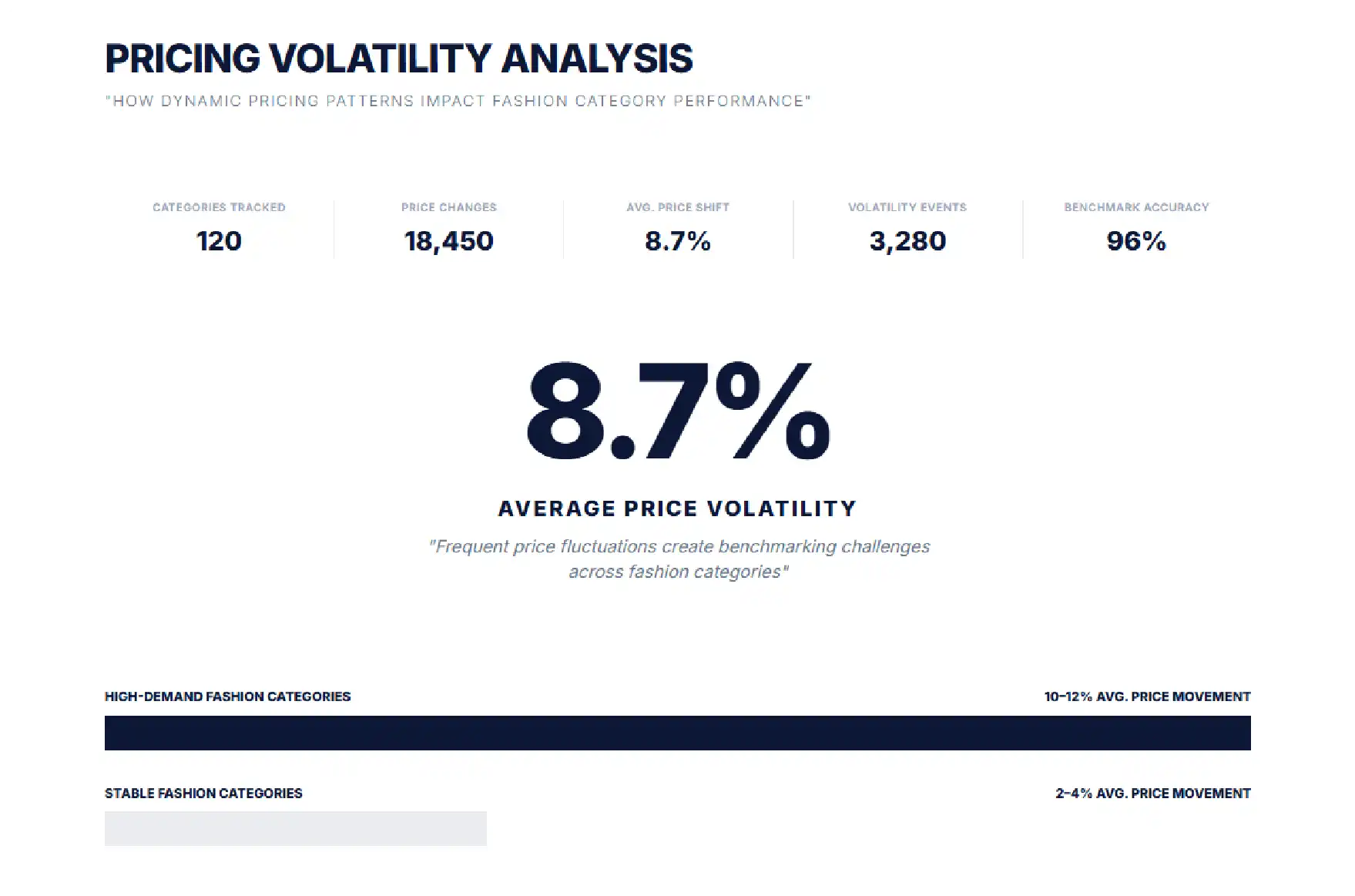
Analysis revealed frequent pricing fluctuations across seasonal collections, especially during discount cycles and festival-driven promotions. Prices were not static and often changed multiple times within short windows, making it difficult for teams to maintain accurate benchmarking using manual tracking methods. Even small price shifts of 5–12% significantly impacted conversion behavior, especially in mid-range apparel segments. The volatility was more pronounced in high-demand categories such as dresses, footwear, and seasonal wear, where competitive discounting was aggressive. These rapid changes highlighted the need for structured monitoring systems that can continuously capture pricing movements and support more accurate revenue and margin planning across fashion categories.
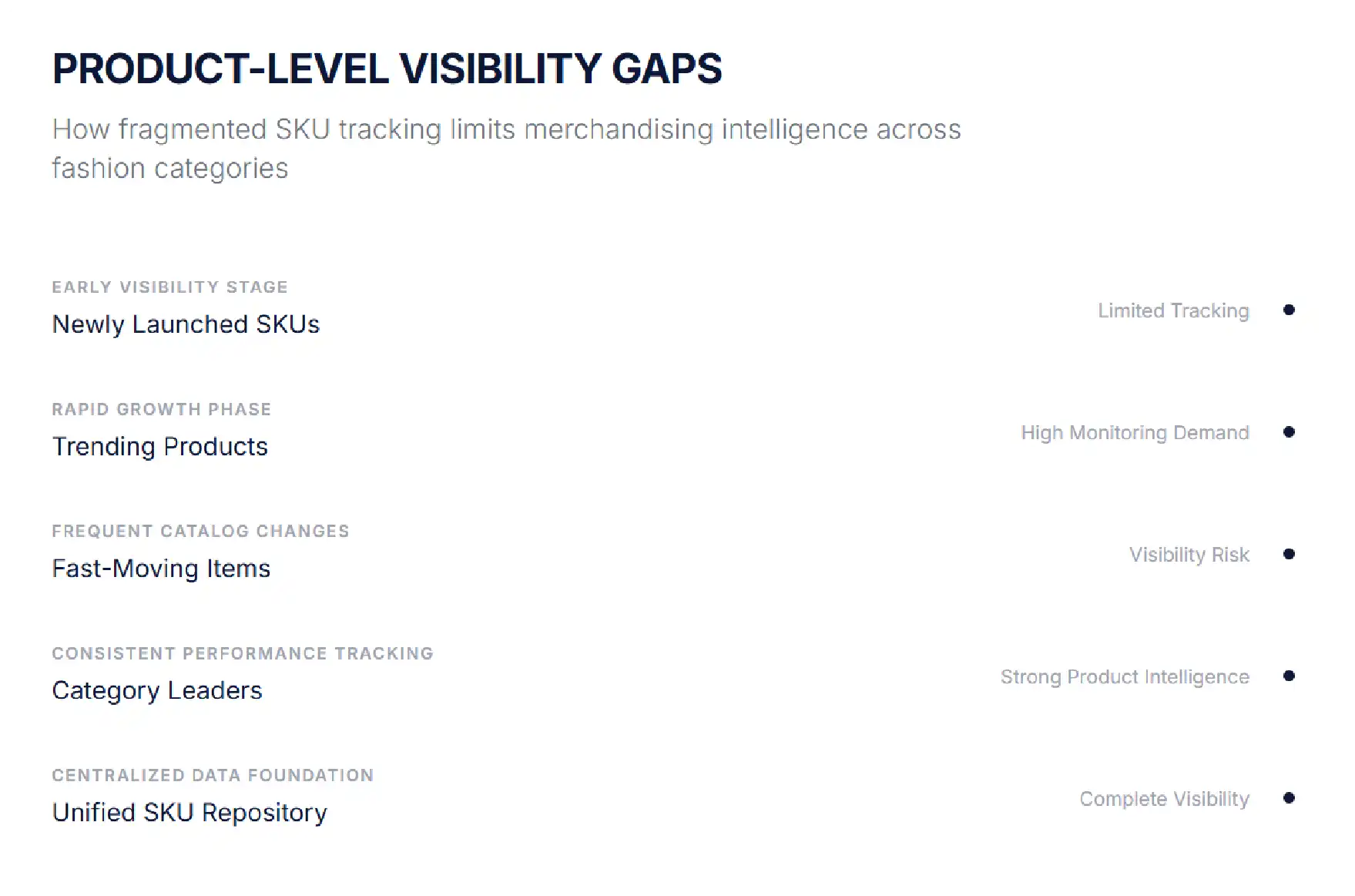
The client lacked consistent SKU-level visibility across categories, particularly for newly launched, trending, or fast-moving items. Product listings were frequently updated, removed, or replaced, which created gaps in tracking performance over time. This made it difficult for merchandising teams to understand which products were gaining traction and which were underperforming. Additionally, inconsistent catalog structures across women’s, men’s, and accessory segments further fragmented visibility. As a result, decision-making around promotions, replenishment, and assortment planning was delayed or incomplete. To address this, structured pipelines were introduced using Extract Nykaa Fashion & Apparel Data, enabling unified SKU tracking and improving overall product intelligence across the platform.
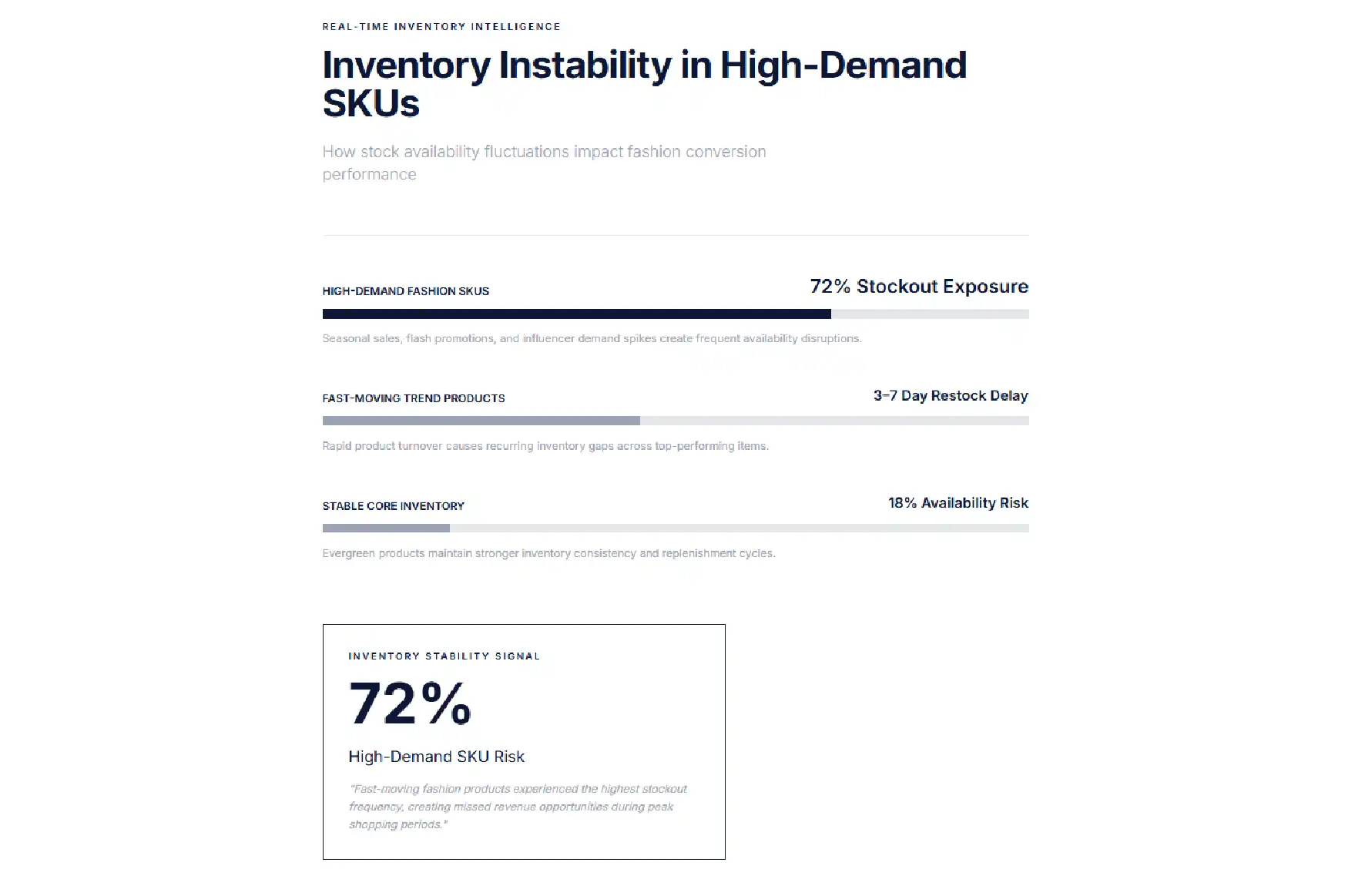
Frequent stockouts were observed in fast-moving fashion items, particularly during seasonal sales, flash promotions, and influencer-driven spikes in demand. These inventory gaps often led to missed revenue opportunities and reduced listing performance, as users shifted to competing platforms when products were unavailable. High-demand SKUs were especially affected, with restock delays ranging from a few days to over a week in certain categories. This instability made it difficult to maintain consistent conversion rates during peak traffic periods. To solve this challenge, real-time monitoring frameworks were enhanced using Fashion Product Data Scraping Service, enabling better detection of inventory risks and demand surges across critical product segments.
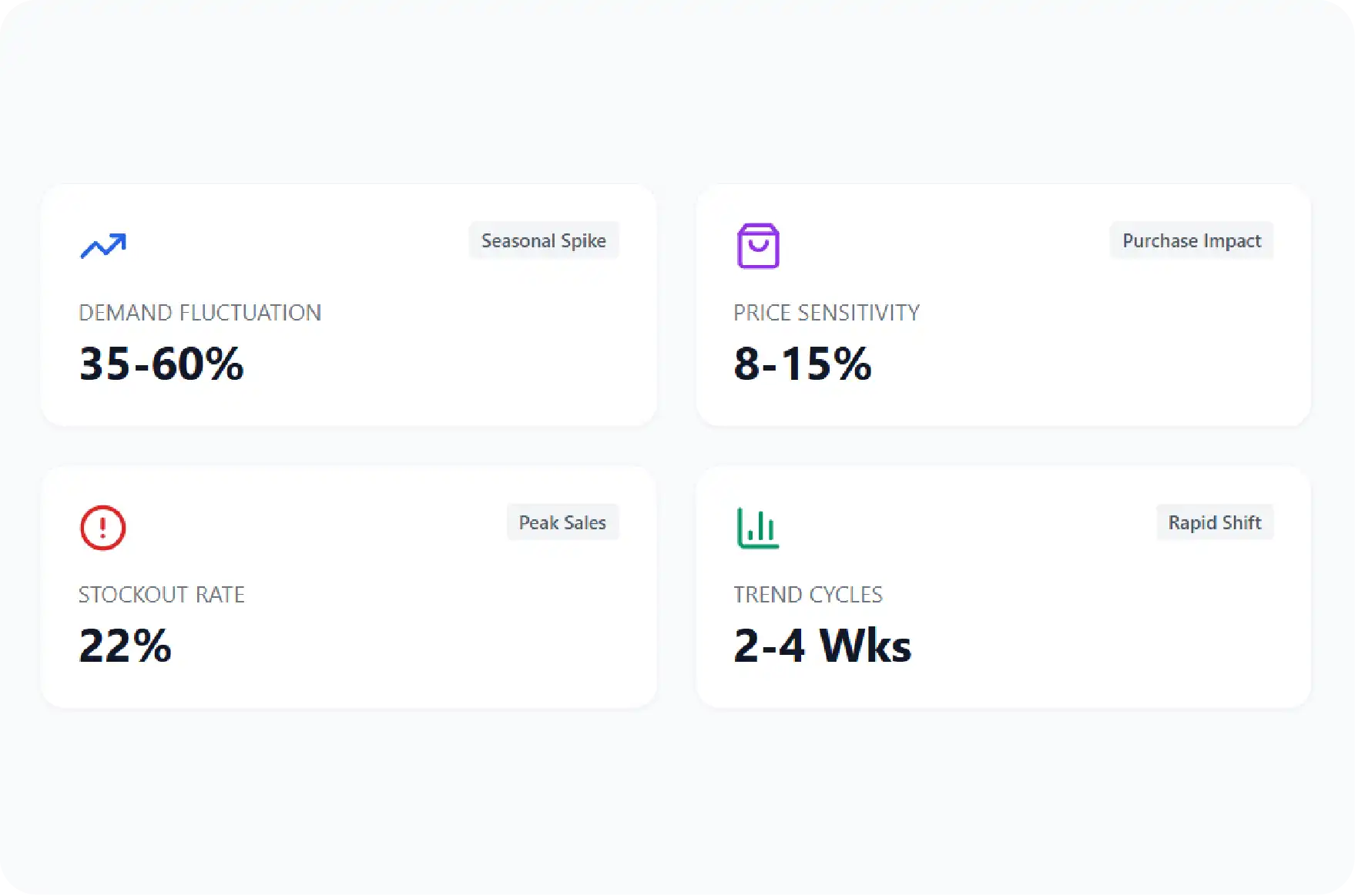
| Metric | Observation | Impact |
|---|---|---|
| Demand fluctuation | 35–60% spike during seasonal events | High conversion variability |
| Price sensitivity | 8–15% change impact on purchase rate | Strong discount dependence |
| Trend cycles | 2–4 week rapid shifts | Faster product turnover |
| Stockout rate | ~22% during peak sales | Lost revenue opportunities |
Women’s apparel showed the highest demand fluctuations across the platform, driven by seasonal trends, influencer activity, and promotional campaigns. Categories such as ethnic wear, dresses, and western wear experienced sharp spikes in traffic followed by rapid drops post-campaigns. This volatility made forecasting and inventory planning highly challenging. Understanding these patterns required continuous monitoring of behavioral and transactional signals. The use of Web Scraping API Services enabled structured capture of these rapid shifts, helping teams better align stock planning and promotional strategies with real-time demand patterns across women’s fashion segments.
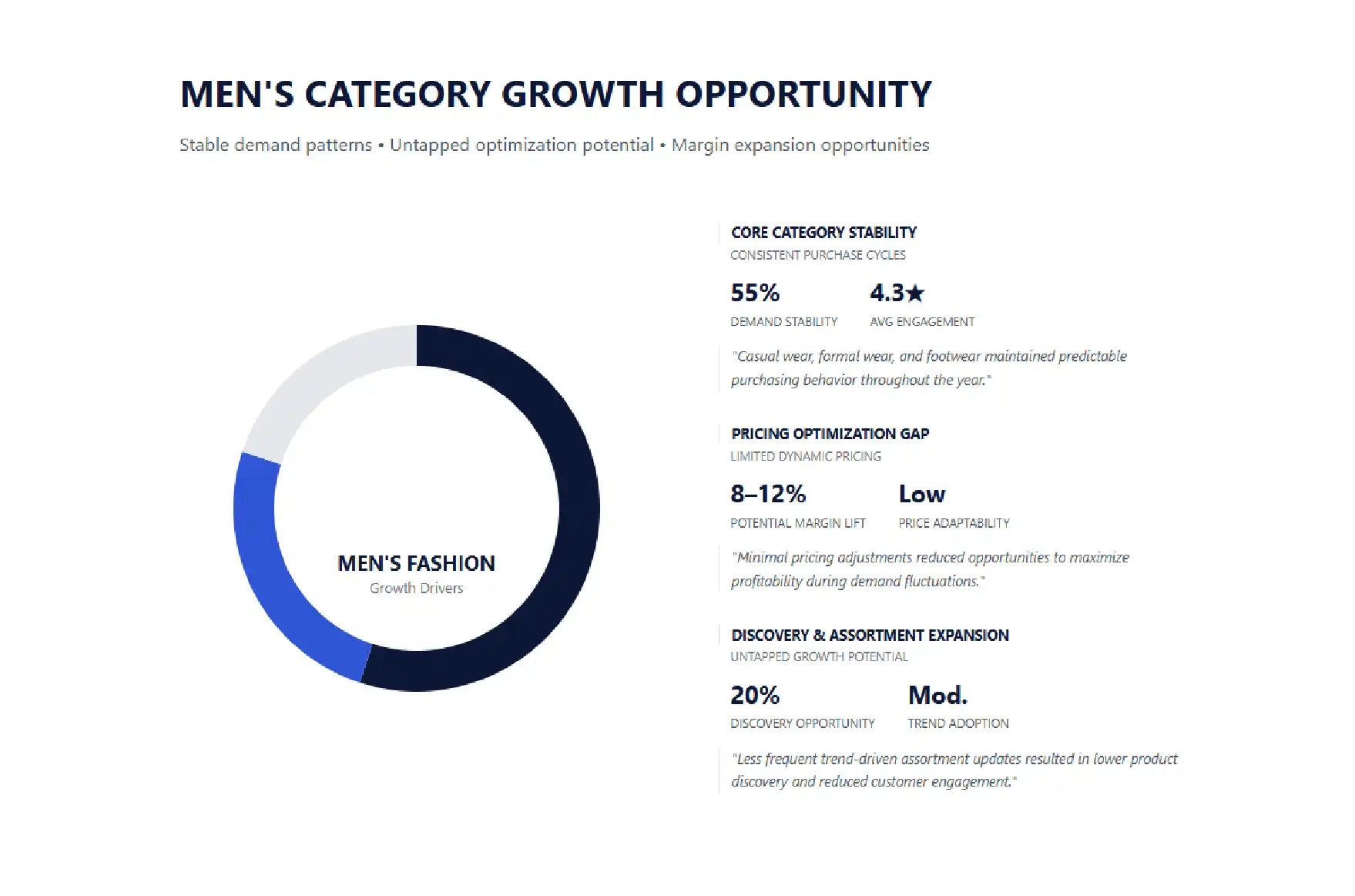
Men’s fashion exhibited relatively stable demand patterns compared to women’s categories, with slower but consistent purchase cycles across core segments such as casual wear, formal wear, and footwear. However, despite this stability, the category remained under-optimized in terms of pricing strategies, promotional targeting, and assortment diversification. Limited dynamic pricing adjustments resulted in missed opportunities for margin expansion. Additionally, product discovery rates were lower due to less frequent trend-driven updates. This indicated a need for improved analytics-driven optimization to unlock hidden growth potential. Advanced monitoring through Web Scraping Services helped identify performance gaps and improve category-level decision-making efficiency.
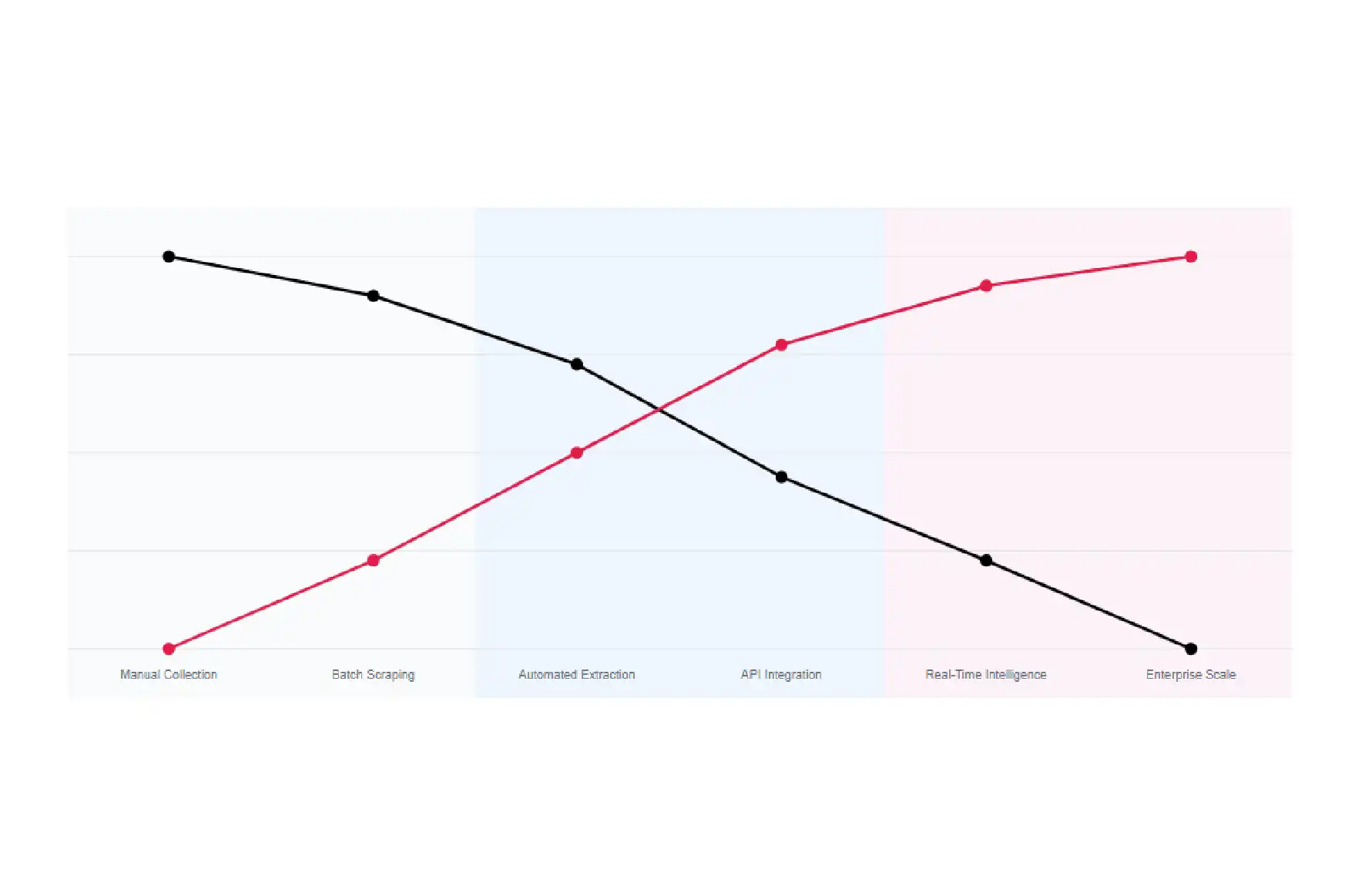
To support large-scale monitoring across thousands of SKUs and rapidly changing listings, the client transitioned toward API-based extraction systems. This shift significantly improved scalability, reduced latency in data collection, and enabled seamless integration with analytics dashboards. It also allowed continuous ingestion of pricing, inventory, and product updates without manual intervention, ensuring higher data accuracy and consistency. The system could now process large volumes of fashion data across multiple categories in near real time. This transformation was further strengthened by Nykaa Fashion data Extraction API, which enabled structured, automated, and scalable intelligence workflows across the entire fashion marketplace ecosystem.
The dataset provides SKU-level visibility across fashion categories, including pricing, stock status, discounts, ratings, and demand signals. It enables real-time tracking of product performance, inventory health, and customer buying behavior.
| Product ID | Product | Category | Price | Stock | Status | Brand | Discount % | Rating | Orders (30 Days) |
|---|---|---|---|---|---|---|---|---|---|
| NKF-W-101 | Floral Dress | Women | ₹1,499 | 12 | In Stock | Ziva Fashion | 15% | 4.3 | 1,240 |
| NKF-M-205 | Casual Shirt | Men | ₹999 | 0 | Out of Stock | Urban Threads | 20% | 4.1 | 980 |
| NKF-W-330 | Party Gown | Women | ₹2,999 | 5 | Low Stock | Elora Styles | 10% | 4.6 | 2,150 |
| NKF-A-410 | Handbag | Accessories | ₹1,199 | 20 | In Stock | ModeCraft | 12% | 4.2 | 860 |
| NKF-M-512 | Denim Jeans | Men | ₹1,799 | 8 | In Stock | DenimHub | 18% | 4.4 | 1,530 |
| NKF-W-221 | Summer Top | Women | ₹799 | 25 | In Stock | Ziva Fashion | 25% | 4.0 | 1,780 |
| NKF-W-455 | Maxi Dress | Women | ₹2,199 | 3 | Low Stock | Elora Styles | 8% | 4.5 | 2,410 |
| NKF-M-610 | Formal Shirt | Men | ₹1,299 | 14 | In Stock | Urban Threads | 15% | 4.3 | 1,120 |
| NKF-A-520 | Leather Wallet | Accessories | ₹899 | 30 | In Stock | ModeCraft | 10% | 4.1 | 640 |
| NKF-W-678 | Kurti Set | Women | ₹1,599 | 6 | In Stock | Ziva Fashion | 18% | 4.4 | 1,390 |
The implementation of structured fashion intelligence delivered measurable improvements across pricing, inventory, and category performance management. By introducing continuous data pipelines and SKU-level monitoring, the client shifted from delayed reporting to real-time decision-making.
A key outcome was a 30% reduction in stockout impact, achieved through predictive inventory tracking that identified high-demand SKUs before depletion. This allowed faster replenishment and reduced lost sales during peak demand periods. Pricing consistency also improved across seasonal collections, as automated monitoring reduced unexpected fluctuations and ensured better alignment with promotional strategies.
Category-level visibility across women’s and men’s fashion improved significantly, enabling clearer comparison of trends, conversions, and product lifecycle behavior. Marketing teams benefited from real-time performance tracking, improving campaign targeting and SKU prioritization.
SKU-level decision-making speed improved from days to hours, enabling quicker responses to demand shifts and improving operational agility.
Key Improvements:
Our solutions help fashion businesses convert fragmented marketplace data into structured intelligence. With advanced automation, brands can track pricing trends, inventory movement, and product performance across large and fast-changing catalogs in real time. This enables teams to move beyond manual reporting and adopt data-driven decision-making at scale.
Companies can significantly improve merchandising accuracy, demand forecasting, and assortment planning by transforming raw marketplace signals into actionable insights. The system ensures consistent visibility across categories, reducing blind spots in product performance and availability.
Scalable extraction frameworks allow businesses to monitor thousands of SKUs simultaneously while maintaining data accuracy and freshness. Real-time integration with analytics platforms further enhances operational efficiency, enabling faster reactions to market changes. Overall, the approach supports continuous marketplace intelligence, helping fashion brands optimize pricing, inventory, and growth strategies across competitive retail environments.
Working with iWeb Data Scraping helped us transform the way we manage fashion marketplace intelligence. Before implementing the solution, our teams struggled with fragmented product information, delayed pricing updates, and limited SKU-level visibility. The structured Nykaa Fashion data pipeline gave us real-time access to product, inventory, and pricing insights across categories. This enabled our merchandising teams to make faster assortment decisions, optimize promotions, and identify demand shifts earlier. The accuracy, scalability, and automation of the system significantly improved our retail operations. We now have a reliable intelligence framework that supports better planning, faster execution, and stronger marketplace competitiveness.”
— Head of Merchandising
The implementation of Nykaa Fashion data scraping created a centralized fashion intelligence ecosystem that improved operational visibility and decision-making efficiency. The client gained continuous access to SKU-level insights covering pricing movements, inventory availability, ratings, discounts, and category performance. Automated data extraction reduced dependency on manual tracking while improving reporting accuracy and response speed. With enhanced monitoring capabilities, merchandising teams were able to optimize assortment planning, identify high-performing products, and react quickly to market changes. The solution improved stock availability management, supported smarter pricing strategies, and strengthened competitive analysis across fashion segments. Overall, the client achieved a more agile, data-driven approach to managing large-scale fashion marketplace operations.
Turn your fashion marketplace data into structured intelligence. Share your category focus, and we’ll convert raw signals into actionable insights for faster, smarter retail decisions.
Start a projectDashboards are often delayed and fragmented, while scraping delivers structured, real-time visibility across products, pricing, and inventory, enabling faster and more accurate business decisions.
Yes, it continuously captures real-time updates across categories, helping businesses detect emerging fashion trends early and respond quickly to changing consumer demand patterns.
Yes, the system is designed to efficiently handle thousands of SKUs across multiple categories, ensuring consistent performance, accuracy, and scalability for large fashion marketplaces.
It identifies early stock depletion patterns and demand surges, allowing teams to optimize replenishment cycles, reduce stockout risks, and improve overall inventory planning accuracy.
Yes, it supports category-level segmentation, enabling independent analysis of women’s and men’s fashion while also allowing combined insights for better strategic decision-making.
We start by signing a Non-Disclosure Agreement (NDA) to protect your ideas.
Our team will analyze your needs to understand what you want.
You'll get a clear and detailed project outline showing how we'll work together.
We'll take care of the project, allowing you to focus on growing your business.