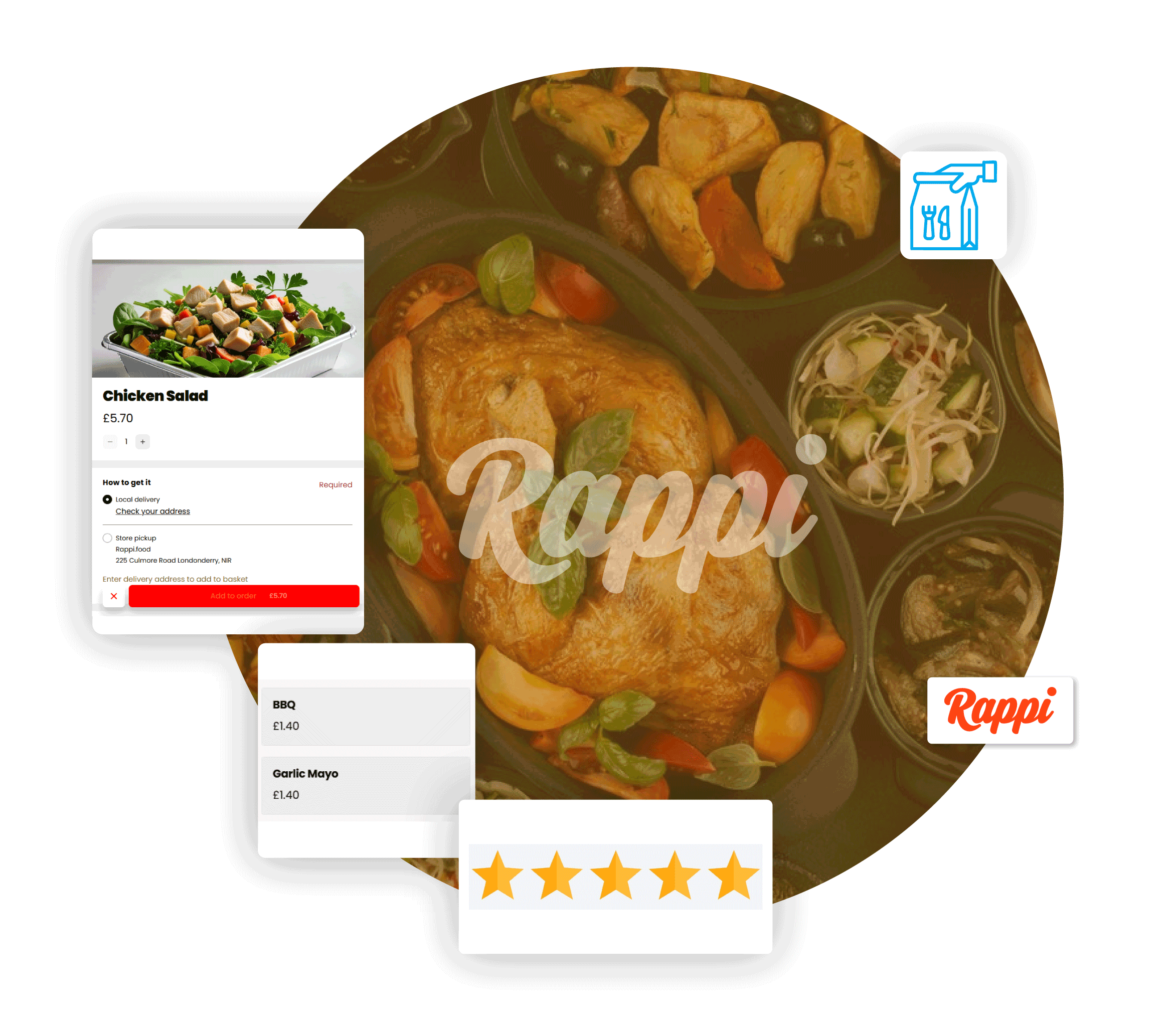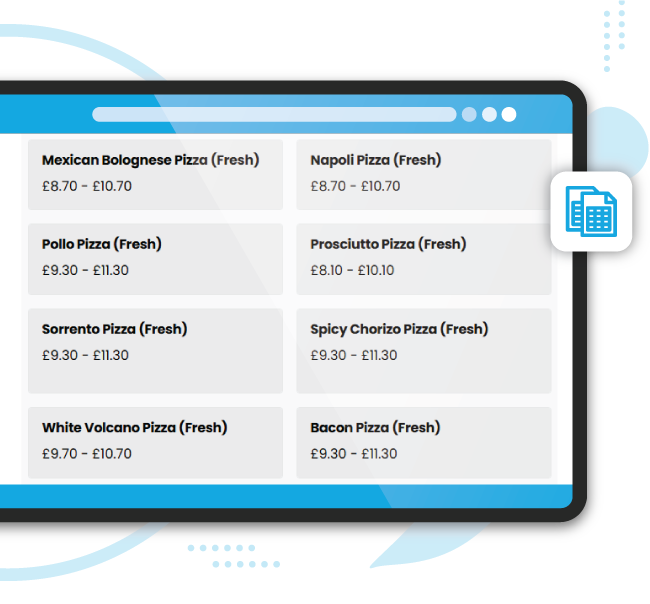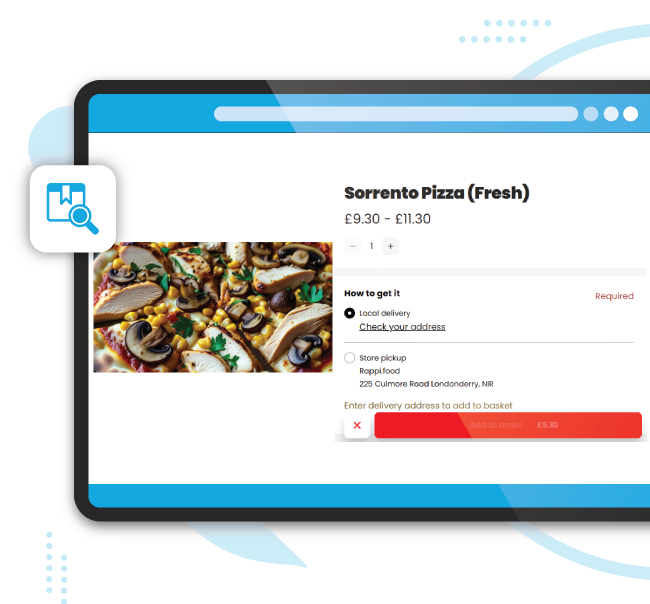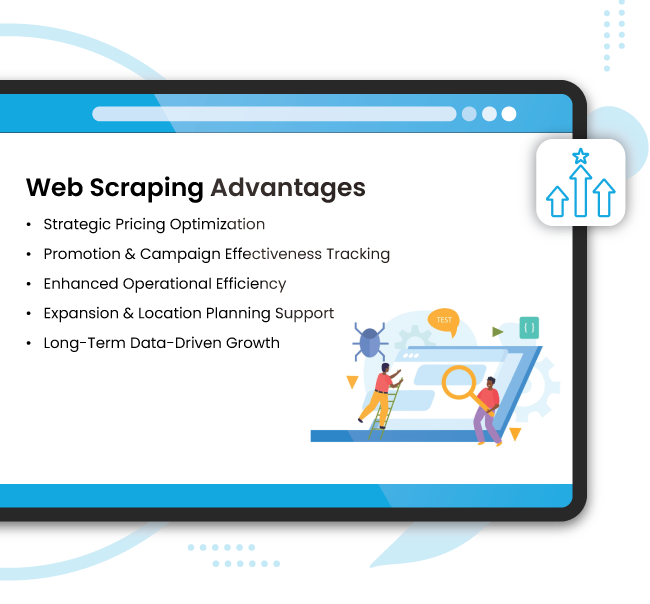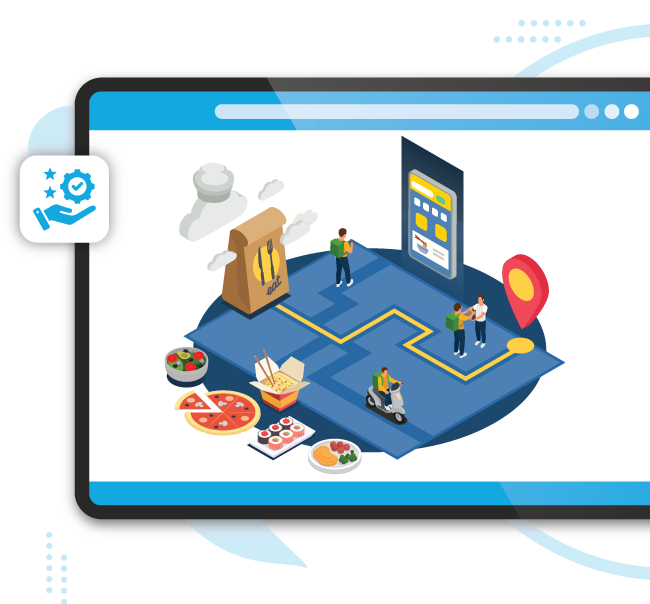
Our case study demonstrates how strategic Rappi food data extraction empowered a regional food analytics client to transform fragmented market information into structured competitive intelligence. The client aimed to monitor pricing fluctuations, delivery timelines, discount campaigns, and cuisine demand trends across multiple Latin American cities.
By implementing advanced Rappi delivery data API scraping, we automated the collection of menu prices, restaurant ratings, promotional banners, and delivery fee variations in real time. This eliminated manual tracking and significantly improved data accuracy and update frequency.
Through scalable food delivery data scraping Latin America, the client gained visibility into cross-city performance benchmarks, peak ordering hours, and hyperlocal demand clusters. These insights supported dynamic pricing optimization and targeted campaign planning.
The consolidated restaurant intelligence dataset enabled predictive demand modeling, competitor assortment comparison, and outlet expansion strategy. As a result, the client increased campaign ROI by 28%, optimized partner onboarding, and strengthened decision-making with actionable, data-driven insights across emerging markets.
A Well-known Market Player in the Food Delivery Industry
iWeb Data Scraping Offerings: Leverage our data crawling services to scrape food delivery data.
The client faced significant operational and analytical barriers while attempting Rappi menu price scraping across multiple cities. Menu structures frequently changed, combo offers were inconsistently displayed, and pricing formats varied by location, making standardized data capture complex and error-prone.
Another major obstacle was managing dynamic pricing tracking food delivery environments where discounts, surge fees, and time-based promotions fluctuated hourly. Without automated monitoring, the client struggled to maintain accurate competitive benchmarks and lost visibility into real-time market shifts.
They also lacked structured digital shelf intelligence for restaurants, limiting their ability to compare cuisine categories, ranking positions, sponsored listings, and visibility trends. This made it difficult to measure brand performance against competitors.
Finally, fragmented Rappi hyperlocal restaurant data extraction created gaps in understanding neighborhood-level demand patterns. Inconsistent geo-tagging, duplicate listings, and incomplete metadata reduced forecasting accuracy, ultimately impacting pricing strategy, expansion planning, and campaign optimization decisions.
To address the client’s operational challenges, we implemented an automated food delivery price benchmarking framework that standardized menu structures, normalized pricing formats, and mapped combo variations across cities. This enabled accurate competitor comparisons and eliminated inconsistencies caused by manual tracking.
We further deployed a scalable food delivery data scraping API that captured real-time menu prices, delivery fees, surge multipliers, promotional tags, cuisine rankings, and geo-coordinates. The system included smart schedulers for hourly refresh cycles, automated duplicate removal, and structured data validation layers to improve accuracy.
Our solution also integrated dashboard-ready datasets with hyperlocal filters, allowing the client to analyze neighborhood-level trends, peak order timings, and discount intensity. Predictive analytics modules were layered on top to forecast pricing shifts and campaign performance.
Below is a snapshot of structured benchmark data delivered to the client (Rappi marketplace data):
| City | Restaurant | Avg. Meal Price (USD) | Delivery Fee (USD) | Discount % | Rating | Cuisine | Peak Order Time | Competitive Rank |
|---|---|---|---|---|---|---|---|---|
| São Paulo | Churrasco Prime | 13.20 | 1.40 | 18% | 4.6 | Brazilian BBQ | 8–10 PM | 2 |
| Mexico City | Taco Fiesta | 9.80 | 1.10 | 22% | 4.4 | Mexican | 7–9 PM | 4 |
| Bogotá | Burger Station | 8.70 | 0.95 | 25% | 4.3 | Fast Food | 7–10 PM | 5 |
| Lima | Sushi House | 14.50 | 1.60 | 15% | 4.7 | Japanese | 8–11 PM | 3 |
| Santiago | Pasta Milano | 11.10 | 1.05 | 20% | 4.5 | Italian | 6–9 PM | 4 |
| Buenos Aires | Healthy Bites | 10.90 | 1.00 | 12% | 4.5 | Healthy | 6–8 PM | 6 |
The final outcome delivered measurable business impact through structured intelligence and automation. By implementing Rappi pincode / zone-level restaurant monitoring, the client gained precise visibility into neighborhood demand density, cuisine concentration, price dispersion, and delivery fee variations. This granular insight enabled targeted discount allocation, optimized delivery radius planning, and improved customer acquisition strategies in high-performing zones.
Additionally, the consolidated Rappi multi-city restaurant dataset allowed leadership teams to benchmark performance across major urban markets with standardized KPIs. Cross-city comparisons of menu pricing, ratings, promotional intensity, and ranking shifts supported smarter expansion decisions and investment prioritization.
Overall, the client achieved improved forecast accuracy, 30% faster strategic decision-making, higher campaign efficiency, and stronger competitive positioning, transforming raw marketplace data into a sustainable, intelligence-driven growth engine.
"Working with this team has completely transformed how we analyze the food delivery market. Their automated scraping solutions provided us with accurate, real-time insights into pricing, promotions, restaurant rankings, and hyperlocal demand trends. The structured datasets were clean, consistent, and ready for direct integration into our BI dashboards, saving our analysts countless hours of manual effort.
Thanks to their intelligence-driven approach, we improved pricing strategies, optimized promotional planning, and increased campaign ROI significantly within just one quarter. Their technical expertise, responsiveness, and commitment to data accuracy truly set them apart.
"
— Head of Market Intelligence
Data can be refreshed hourly, daily, or in custom intervals depending on business needs. Real-time monitoring is recommended for tracking price fluctuations, promotions, and ranking shifts in competitive food delivery markets.
Yes, data can be extracted at pincode or zone level, enabling analysis of neighborhood demand patterns, cuisine popularity, delivery density, and localized pricing strategies.
Absolutely. Continuous data collection allows businesses to build historical datasets for seasonality tracking, demand forecasting, promotion effectiveness analysis, and long-term competitive benchmarking.
Menu prices, combo offers, ratings, reviews, delivery fees, estimated delivery time, promotional tags, cuisine categories, and ranking positions can all be structured into actionable datasets.
It enables smarter pricing decisions, optimized campaigns, strategic expansion planning, competitor benchmarking, and improved ROI through data-driven decision-making.
We start by signing a Non-Disclosure Agreement (NDA) to protect your ideas.
Our team will analyze your needs to understand what you want.
You'll get a clear and detailed project outline showing how we'll work together.
We'll take care of the project, allowing you to focus on growing your business.