How Can a Real-Time Grocery Data Scraping API Transform Your Business Operations?
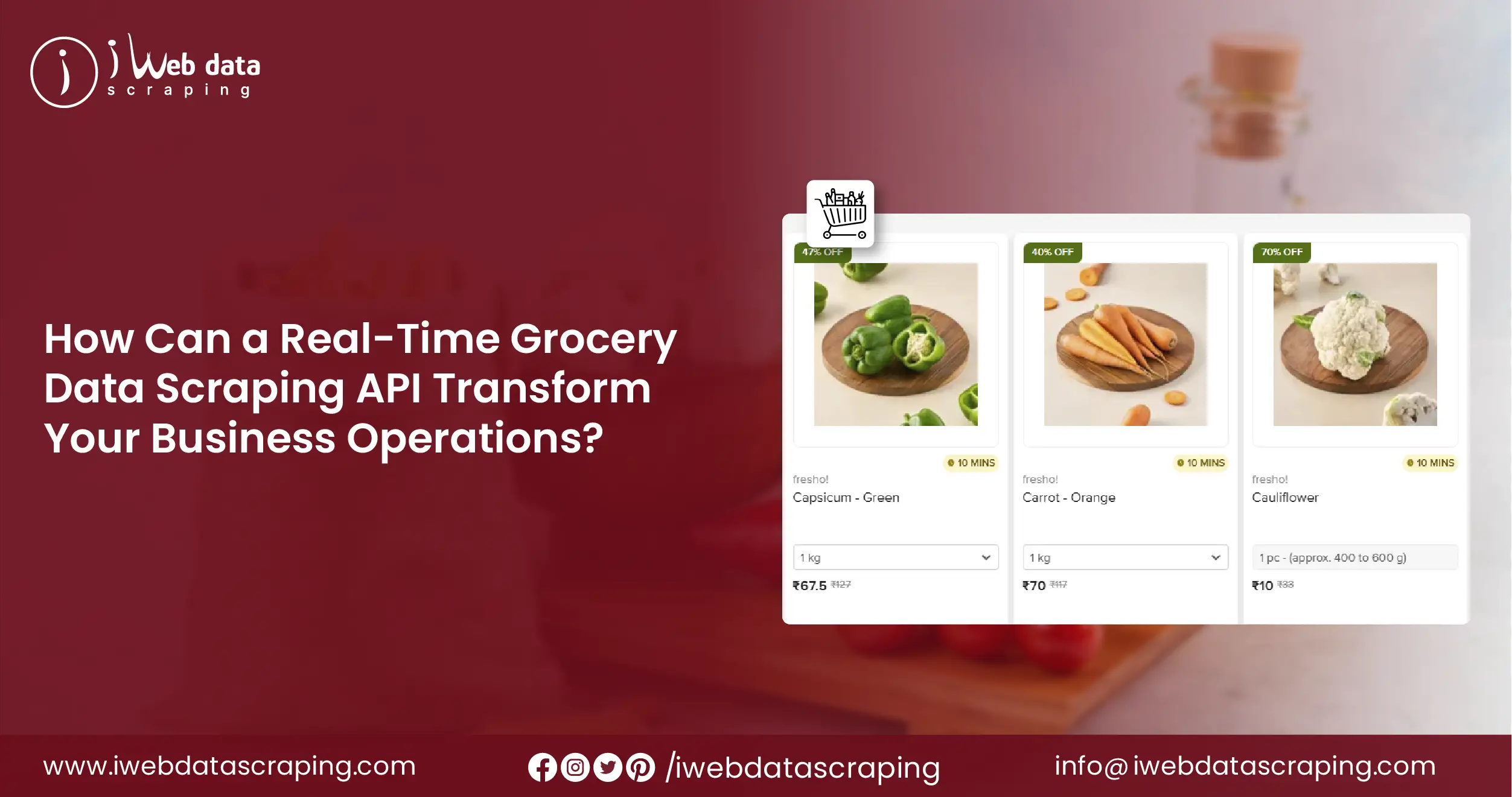
Introduction
In today’s fast-paced world, online grocery shopping has become an essential part of daily life. Platforms like Swiggy Instamart, BigBasket, and Flipkart Supermart offer instant access to a wide range of products, ensuring convenience for consumers. However, behind the scenes, businesses rely heavily on real-time grocery data scraping API to gather actionable insights that drive strategic decisions. Real-time data collection from these platforms allows companies to track prices, inventory, and consumer behavior dynamically.
Swiggy Instamart data scraping is a critical tool for brands looking to analyze demand trends and optimize their operations. With millions of products listed on these platforms, manual tracking becomes nearly impossible, making automated data extraction essential.
Understanding the Need for Grocery Data Scraping
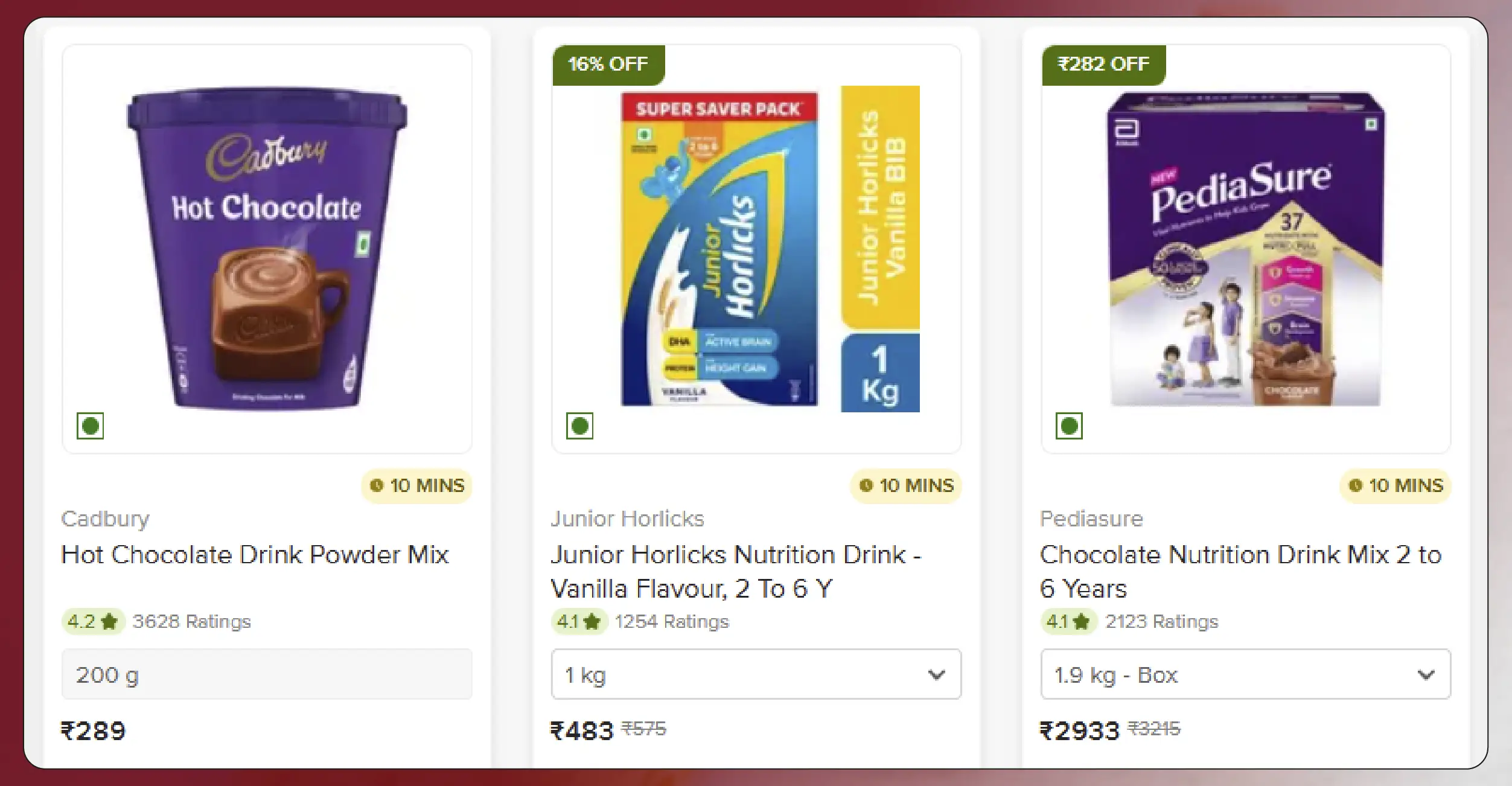
Grocery platforms update prices, stock availability, and offers frequently. For businesses and analysts, staying ahead requires instant access to this constantly changing information. Automated scraping of grocery data ensures that businesses have a comprehensive overview of the market, including competitors’ pricing strategies and consumer purchasing patterns.
BigBasket price monitoring is one example of how organizations maintain competitive intelligence. By continuously tracking product prices and discounts, brands can adjust their own pricing models, create promotions, and improve profitability.
Key Benefits of Real-Time Grocery Data
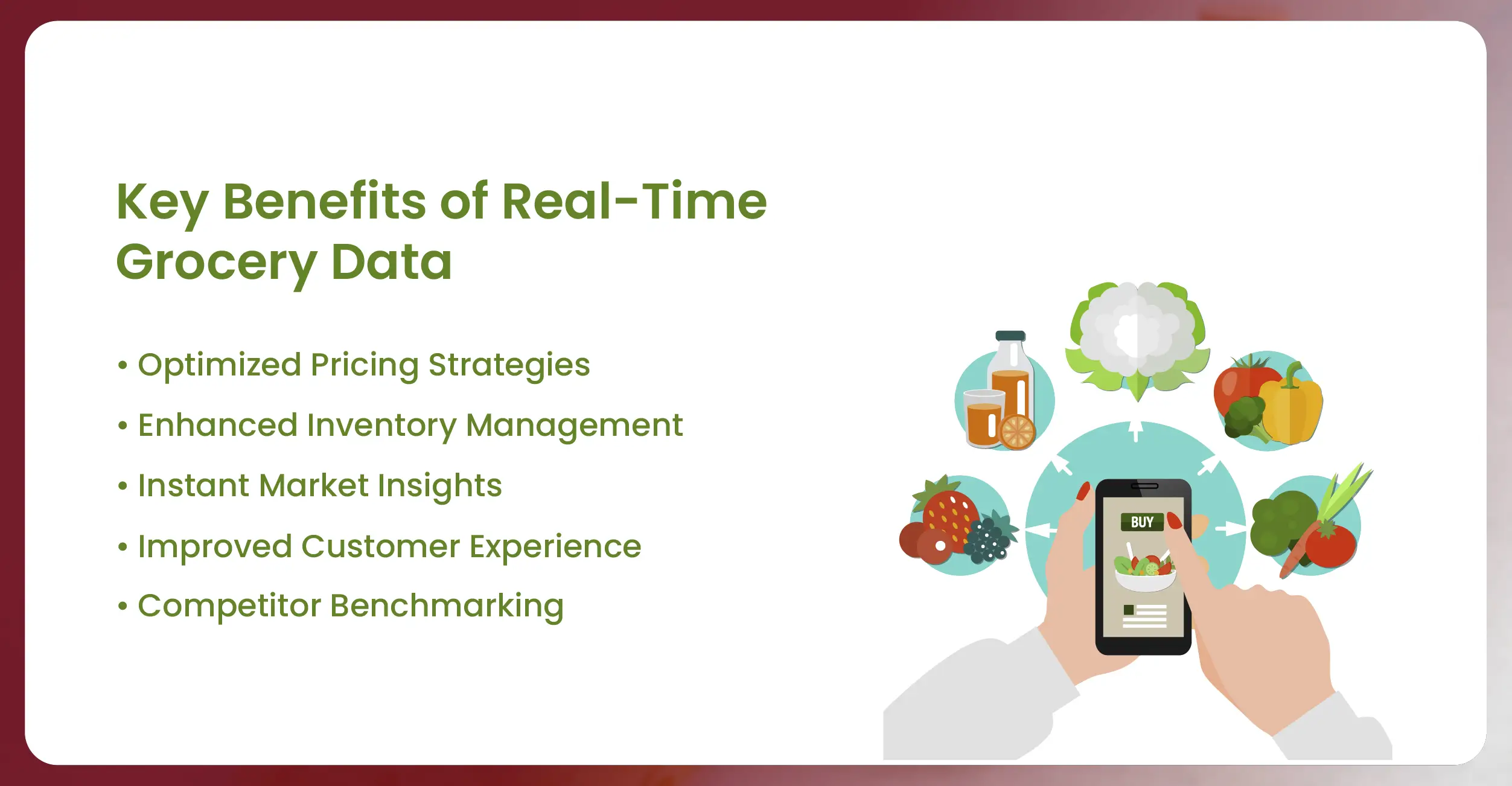
- Optimized Pricing Strategies: Dynamic pricing is a core aspect of online grocery marketplaces. By collecting real-time data, businesses can identify price fluctuations and set competitive rates for their products. This ensures profitability while maintaining competitiveness in the market.
- Enhanced Inventory Management: Monitoring stock levels across platforms prevents situations like overselling or stockouts. A grocery inventory tracking API allows businesses to sync their own inventory with market trends, ensuring optimal stock levels at all times.
- Instant Market Insights: Real-time data helps companies respond quickly to changing consumer preferences. Instant delivery grocery analytics allows businesses to analyze demand spikes for specific products, helping optimize supply chains and reduce waste.
- Improved Customer Experience: With access to accurate and updated information, businesses can ensure timely delivery and availability of products. This leads to higher customer satisfaction and loyalty.
- Competitor Benchmarking: By tracking competitors’ offerings and pricing strategies, businesses can identify gaps and opportunities. Online grocery price comparison tools powered by scraped data enable smarter decision-making.
Techniques Used in Real-Time Grocery Data Collection
Real-time grocery data extraction requires sophisticated tools and methodologies to handle the complexity of e-commerce platforms. Some key techniques include:
- API-Based Extraction: Many platforms provide official APIs for accessing product data. This is the most reliable and efficient method for collecting structured data.
- Web Scraping: When APIs are limited or unavailable, web scraping tools extract information directly from the platform’s website.
- Dynamic Scraping: Online grocery platforms update their data frequently. Dynamic scraping techniques ensure that fresh data is collected continuously.
- Data Normalization: Collected data is standardized to ensure consistency across multiple sources for easy analysis.
Hyperlocal grocery data scraping enables businesses to focus on specific regions, ensuring insights are relevant to local markets and demand patterns.
Focus on Top Platforms
Swiggy Instamart
Swiggy Instamart is known for its fast delivery and extensive catalog of groceries. Scraping data from this platform helps businesses track product availability, prices, and promotional offers. By integrating real-time grocery data scraping API, analysts can gather updated datasets for competitive benchmarking and market analysis.
BigBasket
BigBasket is one of India’s largest online grocery platforms. Extract BigBasket real-time inventory data to monitor product stock levels, track price changes, and identify trending items. Such data is crucial for planning promotions, managing supply chains, and conducting price intelligence studies.
Flipkart Supermart
Flipkart Supermart offers a diverse selection of products and competitive pricing. Scrape Flipkart Minutes for near-instant updates on product availability and pricing, enabling businesses to react promptly to market changes. Collecting this data ensures brands can adjust their inventory and pricing strategies in real time.
Unlock actionable insights and stay ahead of the competition with our powerful, automated data scraping services today!
The Role of Dynamic Pricing
Dynamic pricing is central to online grocery marketplaces. Platforms adjust prices based on factors such as demand, supply, and competition.
Businesses that leverage Grocery Dataset from Swiggy Instamart India can implement intelligent pricing strategies, ensuring they remain competitive.
Using Grocery Dataset from BigBasket app, companies can maximize margins while responding to market fluctuations.
By continuously monitoring changes in product pricing, businesses can identify peak demand periods and optimize inventory replenishment. Tracking stock levels helps reduce the risk of revenue loss due to stockouts or excessive discounts.
Data Integration and Analytics
Once data is collected, it needs to be processed and integrated into business systems for actionable insights. Modern analytics platforms allow organizations to:
- Visualize trends in product prices and availability
- Identify high-demand products and regional variations
- Compare offerings across multiple platforms
- Predict demand for future periods using historical data
Grocery Dataset from Flipkart Supermart India provides rich insights into consumer preferences and purchasing behavior, which can be leveraged for targeted marketing campaigns and strategic decision-making.
Challenges in Real-Time Grocery Data Scraping
While the benefits are substantial, real-time grocery data scraping comes with challenges:
- High Volume of Data: Managing large datasets requires robust infrastructure and storage solutions.
- Frequent Platform Changes: Websites and APIs frequently update their structures, necessitating adaptive scraping techniques.
- Data Accuracy: Ensuring data integrity and consistency is crucial for making reliable business decisions.
- Compliance: Scraping must adhere to legal regulations and platform policies to avoid violations.
Advanced scraping solutions are designed to tackle these challenges by using intelligent automation, monitoring platform changes, and implementing error-handling mechanisms.
Future Trends in Grocery Data Analytics
The future of grocery data analytics is promising, with innovations focused on speed, accuracy, and predictive capabilities:
- AI-Driven Analytics: Predictive models help forecast demand, optimize pricing, and improve inventory planning.
- Hyperlocal Insights: Advanced location-based analytics enable better targeting for regional supply chains and marketing strategies.
- Real-Time Dashboards: Instant visualization of market trends allows for faster and smarter decision-making.
- Integration with E-commerce Ecosystems: Direct integration with marketplaces ensures seamless data flow and operational efficiency.
How iWeb Data Scraping Can Help You?
- Real-Time Market Insights – Our services provide instant access to up-to-date product information, pricing, and stock availability, enabling businesses to stay ahead of competitors.
- Optimized Inventory Management – By continuously tracking stock levels, businesses can prevent shortages, reduce overstocking, and improve supply chain efficiency.
- Competitive Pricing Intelligence – We help companies monitor competitor pricing and promotions, allowing them to make data-driven pricing and discount strategies.
- Consumer Trend Analysis – Our services collect data on product demand and consumer preferences, helping brands identify emerging trends and plan marketing campaigns effectively.
- Scalable and Automated Solutions – Our automated tools ensure large volumes of data are collected reliably, allowing businesses to scale their analytics without manual effort or errors.
Conclusion
Real-time grocery data scraping is no longer optional; it is a necessity for businesses aiming to stay competitive in the fast-evolving online grocery market.
By leveraging Big Basket Grocery Data Scraping API, businesses can gain valuable insights into pricing trends and inventory management.
Using Swiggy Instamart Grocery Data Scraping API, companies can better understand consumer behavior and market dynamics. Collecting Grocery Dataset from Flipkart Supermart India ensures that businesses have a holistic view of the market. This comprehensive insight enables companies to optimize operations, enhance customer satisfaction, and drive profitability in today’s competitive grocery landscape.
Experience top-notch web scraping service and mobile app scraping solutions with iWeb Data Scraping. Our skilled team excels in extracting various data sets, including retail store locations and beyond. Connect with us today to learn how our customized services can address your unique project needs, delivering the highest efficiency and dependability for all your data requirements.