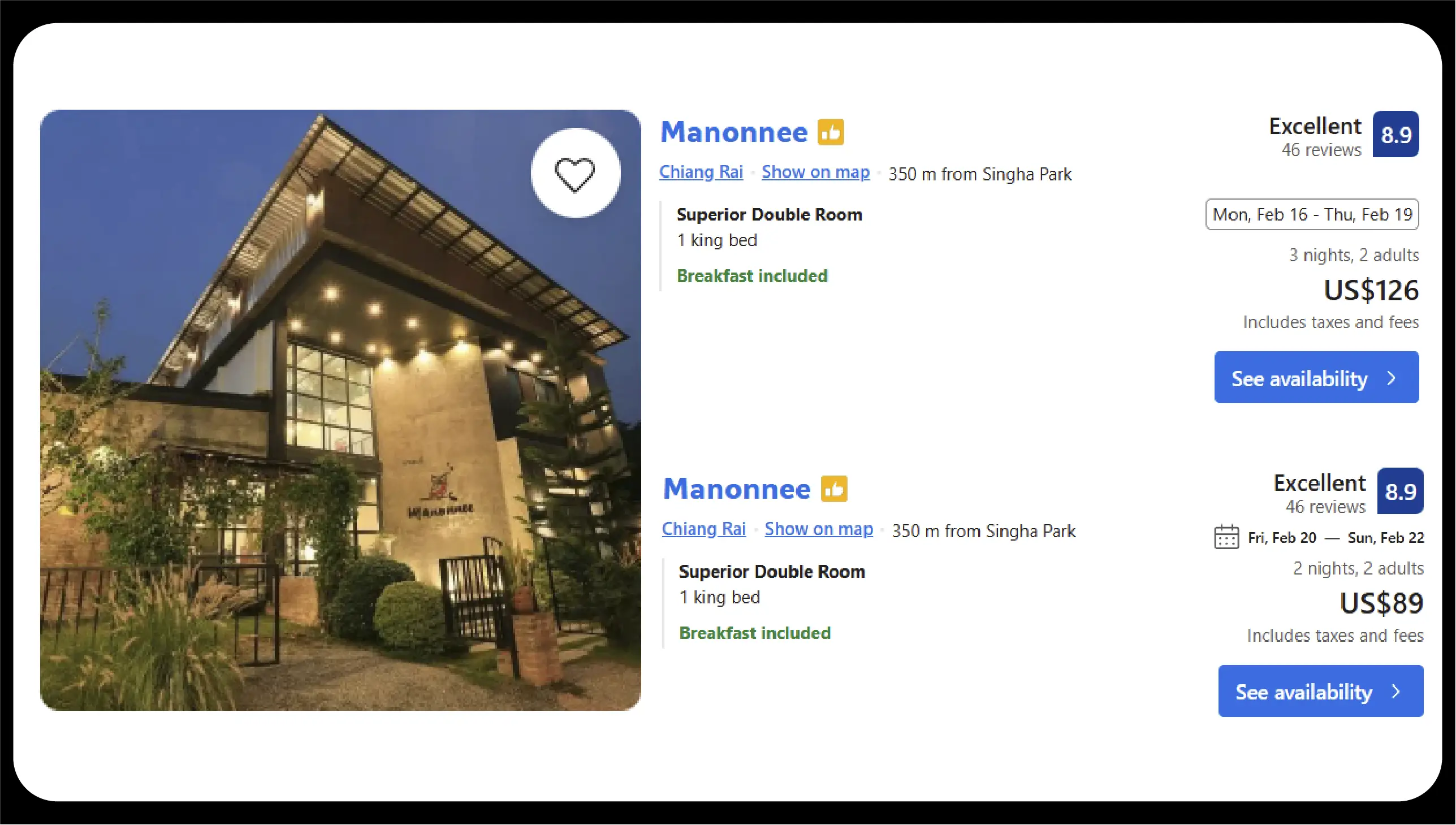
In the dynamic travel and hospitality industry, understanding pricing trends is crucial for travelers, hotel operators, and market analysts. This report delves into method to Scrape Grab hotel weekday vs weekend pricing data, offering an in-depth analysis of hotel rate fluctuations between weekdays and weekends. By leveraging data-driven insights, businesses and consumers can optimize their booking strategies and revenue management practices.
Our research focused on major urban centers where Grab’s hotel booking services are widely used. The study aims to Extract Grab hotel weekday pricing data and contrast it with weekend trends to identify potential pricing strategies. We also Scrape Grab hotel Weekend price data to provide a complete picture of rate variations across the week. This report combines actionable insights with structured datasets, offering a valuable resource for analysts, travel operators, and tech-savvy consumers looking to understand Grab hotel pricing dynamics.
To conduct this study, we implemented a structured web scraping approach targeting Grab’s hotel booking platform. Key steps included:
The dataset comprised over 2,500 unique hotel listings across five major cities, offering a robust sample for real-time Scrape grab hotel price monitoring and subsequent analytics.
Our analysis revealed consistent pricing trends influenced by consumer behavior, hotel occupancy rates, and market demand:
The table below illustrates the average rates for weekdays vs weekends across different cities:
| City | Average Weekday Rate (USD) | Average Weekend Rate (USD) | Weekend Rate Increase (%) |
|---|---|---|---|
| Singapore | 120 | 160 | 33% |
| Kuala Lumpur | 80 | 105 | 31% |
| Bangkok | 75 | 95 | 27% |
| Jakarta | 70 | 90 | 29% |
| Ho Chi Minh | 65 | 85 | 31% |
This table highlights a clear trend of price hikes during weekends, aligning with patterns observed in Weekday vs Weekend Grab hotel price data analytics.
Further analysis showed that pricing patterns varied significantly depending on hotel tier and user ratings. Higher-rated hotels (4–5 stars) exhibited more pronounced weekend surges than mid-range or budget hotels. This insight is crucial for Web Scraping Grab hotel Weekend pricing strategies and competitive benchmarking.
| Star Rating | Weekday Average Rate (USD) | Weekend Average Rate (USD) | Weekend Price Surge (%) |
|---|---|---|---|
| 5-Star | 200 | 270 | 35% |
| 4-Star | 150 | 190 | 27% |
| 3-Star | 90 | 115 | 28% |
| 2-Star | 60 | 75 | 25% |
| 1-Star | 40 | 50 | 25% |
The table clearly highlights how insights from Scraped Grab Hotel Data Pricing Report help stakeholders understand structured rate differences across accommodation categories. By observing consistent weekday and weekend price shifts, hotels can refine their revenue management approaches with greater precision. These findings also support data-backed decision-making for promotions, demand forecasting, and occupancy planning. In addition, Grab Hotel Price Pattern Analysis enables travel businesses to benchmark performance, optimize room pricing, and adapt strategies based on traveler behavior and seasonal demand trends.
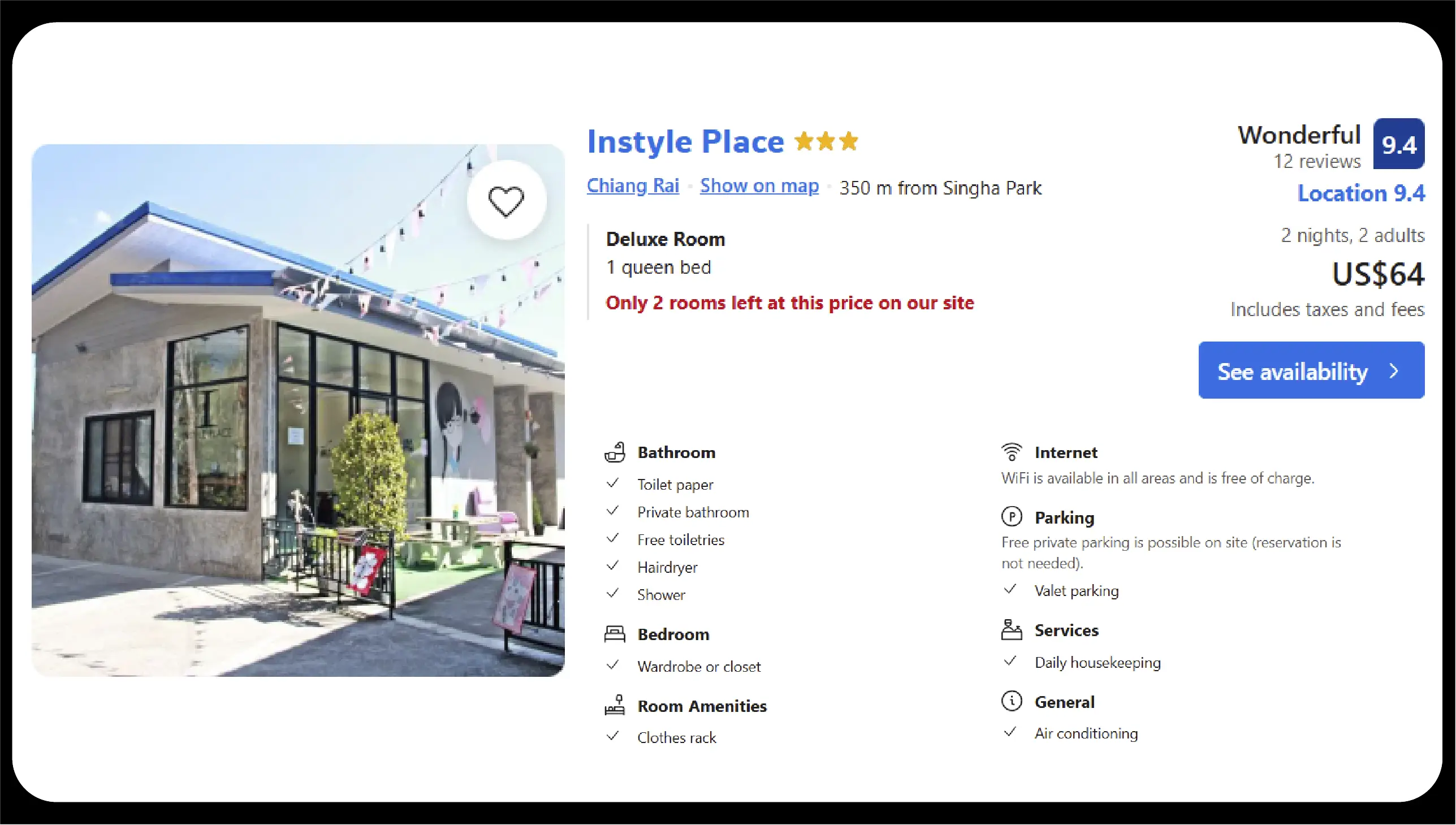
Our study also correlated pricing patterns with user reviews and hotel amenities. Key observations include:
Incorporating Hotel Rates and Review Datasets allows analysts to identify demand signals, customer preferences, and booking behavior patterns with greater accuracy. These insights support predictive pricing models that help hotels adjust rates dynamically and improve revenue outcomes.
At the same time, this approach significantly improves the usefulness of Travel & Tourism App Datasets by transforming raw information into actionable intelligence for travel platforms, operators, and market researchers focused on performance optimization.
Moreover, real-time monitoring of rates supports Travel Intelligence Services, helping businesses predict demand and optimize pricing decisions.
The comparative study of weekday vs weekend hotel pricing on Grab demonstrates clear, data-driven patterns. Weekend rates consistently exceed weekday rates across cities and hotel tiers, influenced by leisure demand, location, and hotel amenities. Businesses and consumers alike can benefit from such analytics for informed decision-making. By leveraging Travel Data Extraction Services, stakeholders can systematically collect structured hotel pricing information at scale while reducing manual effort. Through Price Monitoring Services, businesses can track weekday and weekend rate fluctuations continuously and respond quickly to market changes. With the support of Travel Data Scraping API Services, automated pipelines can be built to ensure reliable, real-time access to pricing intelligence. This approach enables efficient implementation of Scrape Grab hotel weekday vs weekend pricing data, supporting competitive benchmarking and smarter travel planning decisions.
Experience top-notch web scraping service and mobile app scraping solutions with iWeb Data Scraping. Our skilled team excels in extracting various data sets, including retail store locations and beyond. Connect with us today to learn how our customized services can address your unique project needs, delivering the highest efficiency and dependability for all your data requirements.
We start by signing a Non-Disclosure Agreement (NDA) to protect your ideas.
Our team will analyze your needs to understand what you want.
You'll get a clear and detailed project outline showing how we'll work together.
We'll take care of the project, allowing you to focus on growing your business.