How to Scrape Real-Time Travel Data for AI Travel Planning Platforms
Introduction
The travel industry is undergoing a rapid transformation driven by artificial intelligence, real-time insights, and personalized customer experiences. Modern travelers expect dynamic pricing, instant recommendations, and seamless booking journeys—all powered by data. This is where the need to Scrape Real-Time Travel Data for AI Travel Planning Platforms becomes essential for businesses aiming to stay competitive in a fast-evolving ecosystem.
To meet these expectations, companies must Extract real-time travel data for AI travel planning platforms from multiple sources such as airline websites, hotel booking portals, travel aggregators, and review platforms. Real-time data enables AI systems to make accurate predictions, recommend optimal itineraries, and enhance user satisfaction.
The process of Scraping Travel data for AI Travel Planning Platforms allows businesses to collect valuable information like flight schedules, hotel availability, pricing trends, weather updates, and local attractions. This data becomes the backbone of intelligent travel planning systems that adapt to user preferences instantly.
Why Real-Time Travel Data Matters in AI Travel Planning?
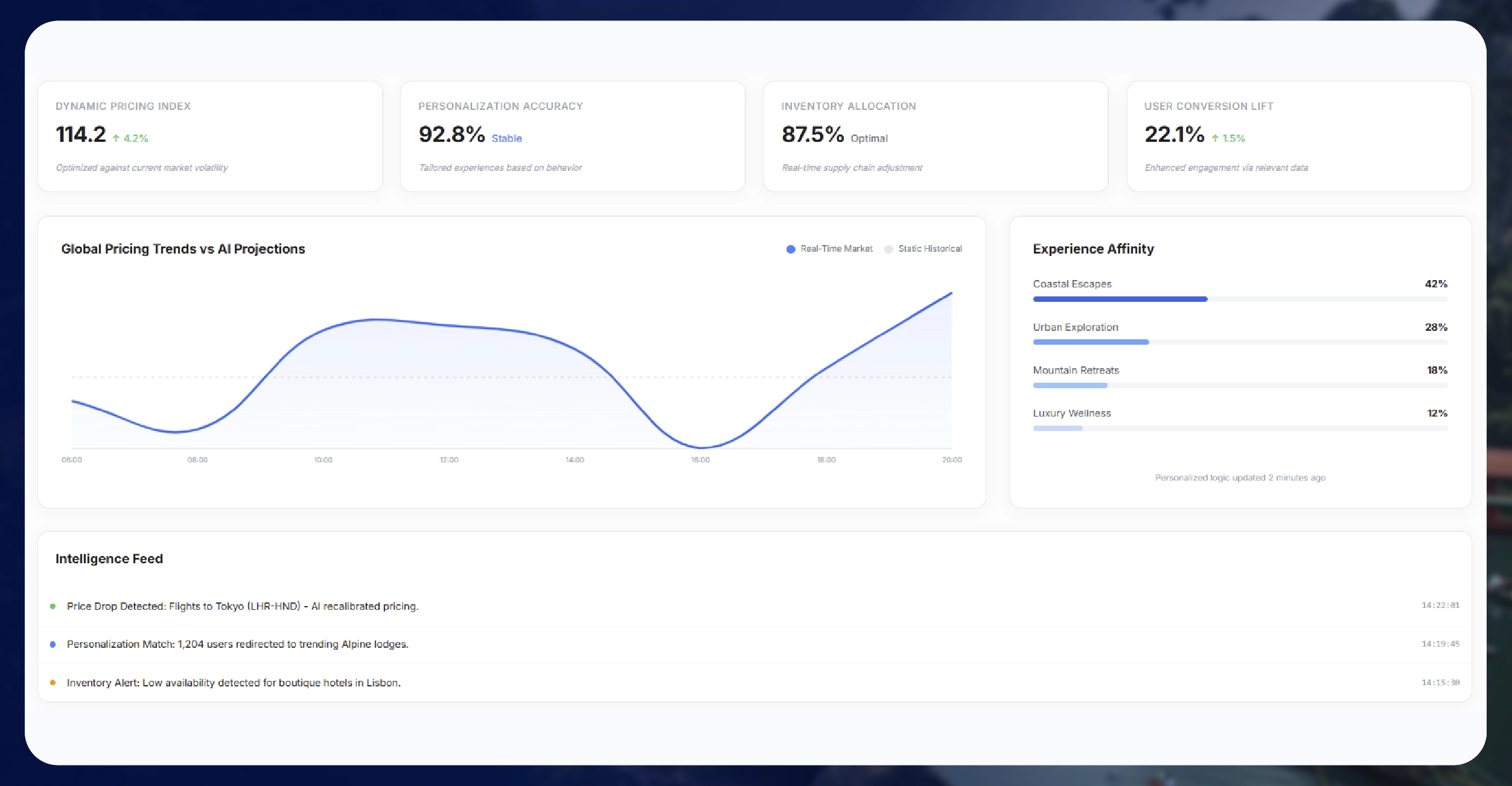
AI travel platforms rely heavily on fresh, accurate, and diverse datasets. Unlike traditional systems that use static information, AI models thrive on continuously updated data streams. Real-time travel data ensures:
- Dynamic Pricing Insights: Travelers get the best deals based on current market trends.
- Personalized Recommendations: AI suggests destinations, hotels, and experiences tailored to user behavior.
- Improved Decision-Making: Businesses can optimize pricing strategies and inventory allocation.
- Enhanced User Experience: Faster responses and relevant suggestions increase engagement and conversions.
Without real-time data, AI systems risk becoming outdated, leading to poor recommendations and missed opportunities.
Key Data Sources for Travel Data Scraping
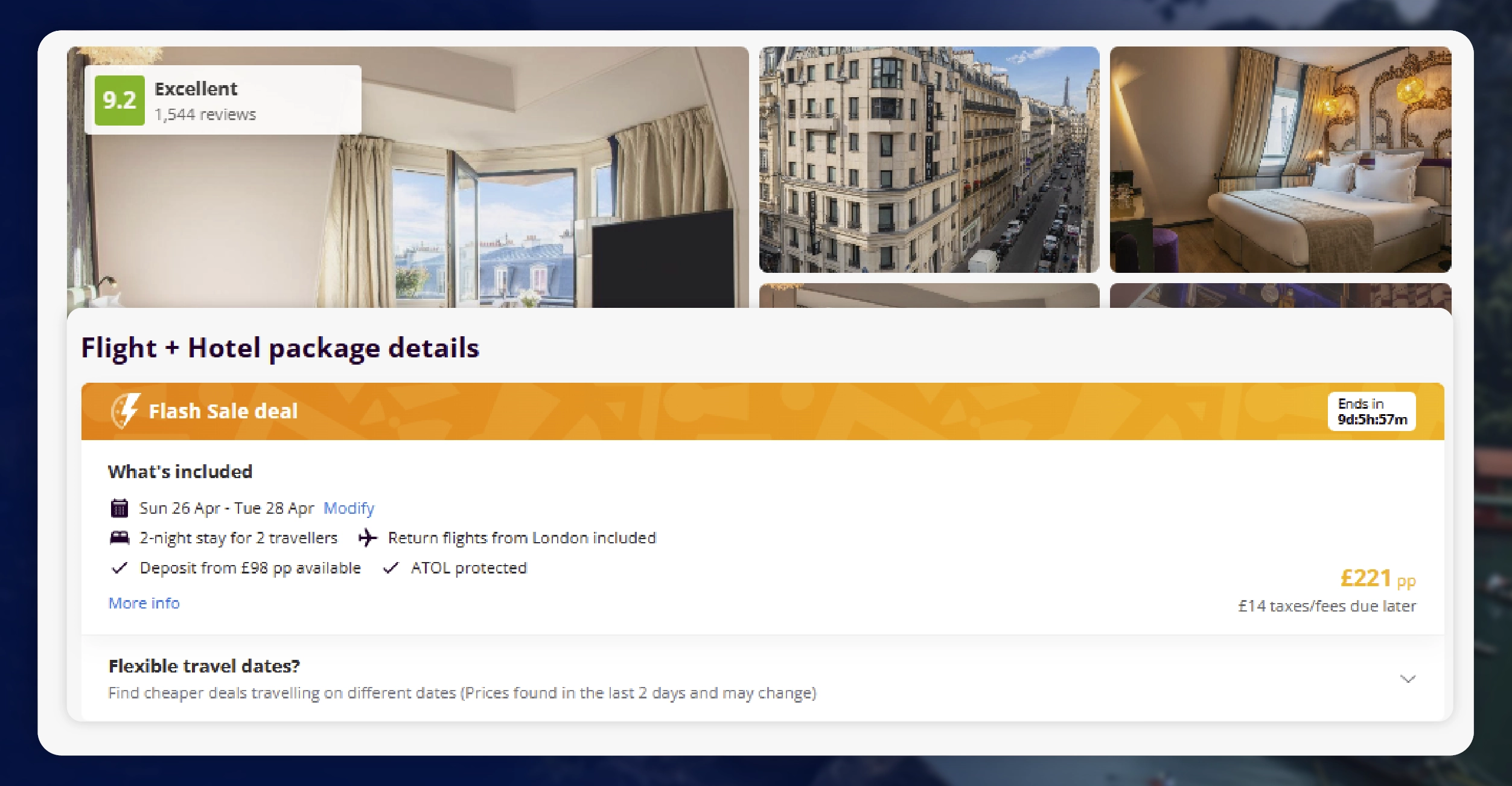
To build a robust AI travel platform, businesses must gather data from multiple sources:
- Airline and Flight Data
Includes real-time flight schedules, delays, cancellations, ticket prices, and seat availability. This helps AI models recommend optimal routes and timings.
- Hotel and Accommodation Data
Scraping hotel listings provides insights into pricing, amenities, availability, and user reviews. AI can match users with accommodations that fit their preferences and budgets.
- Travel Aggregators
Platforms like booking engines and comparison websites offer consolidated data, making them valuable sources for pricing trends and competitive analysis.
- Local Experiences and Attractions
Data on tourist spots, events, and activities enhances itinerary planning and enriches the overall travel experience.
- Weather and Location Data
Real-time weather updates help AI systems suggest destinations and activities suitable for current conditions.
Role of a Travel Data Scraper in AI Systems
A Travel data scraper for AI-based travel Planning acts as the engine that continuously gathers, cleans, and structures data from various online sources. It ensures that AI models receive accurate and up-to-date information for analysis.
Key functionalities include:
- Automated data extraction from multiple platforms
- Real-time updates and synchronization
- Data normalization and structuring
- Integration with AI and machine learning models
By automating these processes, businesses can reduce manual effort and focus on delivering better user experiences.
Benefits of AI Travel Data Scraping Solutions
Modern travel platforms are increasingly adopting AI travel data scraping solutions for booking platforms to gain a competitive edge. These solutions offer several advantages:
- Personalized Travel Experiences
AI analyzes user behavior, preferences, and historical data to deliver customized recommendations.
- Competitive Pricing Strategies
Real-time insights allow businesses to adjust prices dynamically based on demand and competitor rates.
- Improved Operational Efficiency
Automation reduces manual data collection efforts and minimizes errors.
- Market Trend Analysis
Businesses can identify emerging travel trends, popular destinations, and seasonal demand patterns.
- Better Customer Engagement
Accurate and timely information enhances user trust and increases booking conversions.
Unlock smarter travel experiences with our data-driven solutions—get started today and transform your platform with real-time insights!
Technologies Behind Travel Data Scraping
Advanced technologies play a crucial role in enabling efficient data extraction:
Web Crawlers and Bots
Automated bots navigate websites and collect structured data at scale.
APIs and Data Feeds
Using Web Scraping API Services, businesses can access structured data directly from platforms without complex scraping processes.
Machine Learning Integration
AI models process scraped data to generate predictions, recommendations, and insights.
Cloud Computing
Cloud infrastructure ensures scalability, allowing platforms to handle large volumes of data efficiently.
Importance of Professional Web Scraping Services

Implementing effective data scraping requires expertise, scalability, and compliance with legal standards. This is where Web Scraping Services come into play.
Professional services offer:
- High-quality and accurate data extraction
- Compliance with website policies and regulations
- Scalable solutions for large datasets
- Continuous monitoring and maintenance
By leveraging expert services, businesses can focus on innovation while ensuring reliable data collection.
Use Cases of Real-Time Travel Data in AI Platforms
Real-time travel data powers numerous powerful applications in AI travel platforms:
- Smart Itinerary Planning
AI platforms create optimized travel plans based on user preferences, budget, and real-time conditions.
- Price Prediction Models
Machine learning algorithms analyze historical and real-time data to predict price fluctuations.
- Chatbots and Virtual Assistants
AI-powered assistants provide instant travel recommendations and booking support.
- Fraud Detection
Data analysis helps identify suspicious activities and ensures secure transactions.
- Demand Forecasting
Businesses can anticipate travel demand and adjust inventory accordingly.
Challenges in Travel Data Scraping
Despite its advantages, travel data scraping comes with challenges:
- Dynamic Website Structures: Frequent changes in website layouts require adaptive scraping techniques.
- Anti-Scraping Measures: Websites implement CAPTCHAs and rate limits to prevent automated access.
- Data Accuracy: Ensuring consistency and reliability across multiple sources is critical.
- Legal Compliance: Adhering to data privacy and usage regulations is essential.
Overcoming these challenges requires advanced tools, expertise, and continuous monitoring.
Best Practices for Effective Travel Data Scraping
To maximize the benefits of data scraping, businesses should follow these best practices:
- Use reliable scraping tools and technologies
- Ensure data accuracy and validation
- Implement scalable infrastructure
- Maintain compliance with legal guidelines
- Regularly update scraping algorithms
Future of AI Travel Planning with Data Scraping
The future of travel planning lies in hyper-personalization and predictive intelligence. As AI continues to evolve, the role of real-time data will become even more critical.
Emerging trends include:
- Voice-based travel planning
- AI-driven virtual travel assistants
- Predictive travel recommendations
- Integration with IoT and smart devices
Data scraping will remain a foundational component, enabling these innovations and driving the next generation of travel experiences.
How iWeb Data Scraping Can Help You?
1. Real-Time Data Collection
Our data scraping services continuously gather live travel data from multiple platforms, ensuring accurate pricing, availability, and updates that empower your platform to deliver timely, reliable, and personalized travel recommendations.
2. Advanced Data Structuring
We transform raw, unstructured travel data into clean, organized datasets, making it easier for AI models to process information efficiently and generate meaningful insights for smarter travel planning decisions.
3. Scalable Data Extraction
Our solutions are built to handle large-scale data extraction across global travel sources, allowing your platform to expand seamlessly while maintaining performance, speed, and consistency in data delivery.
4. Competitive Market Insights
By collecting competitor pricing, trends, and customer preferences, our services help you stay ahead in the travel industry, enabling better pricing strategies and improved customer engagement through data-driven decisions.
5. Seamless Integration Support
We provide easy integration of scraped data into your existing systems, APIs, and AI models, ensuring smooth workflows, faster deployment, and enhanced functionality for your travel planning platform without technical disruptions.
Conclusion
In today’s competitive travel landscape, real-time data is no longer optional—it is a necessity. Businesses that leverage Travel & Tourism App Datasets can build intelligent platforms that deliver seamless and personalized experiences to users.
By harnessing the power of Travel Data Intelligence, companies can gain actionable insights, optimize operations, and stay ahead of market trends.
Investing in Travel Data Scraping Services ensures access to high-quality, real-time data that fuels AI-driven innovation and transforms the way people plan and experience travel.
Experience top-notch web scraping service and mobile app scraping solutions with iWeb Data Scraping. Our skilled team excels in extracting various data sets, including retail store locations and beyond. Connect with us today to learn how our customized services can address your unique project needs, delivering the highest efficiency and dependability for all your data requirements.