How Does Social Media Scraping Improve Marketing Strategies for eCommerce Brands?
Introduction
In today’s fast-paced digital marketplace, social media scraping for ecommerce Brand has emerged as a powerful tool for businesses seeking to enhance their customer engagement and boost sales. Platforms like Instagram, Facebook, TikTok, and Twitter are no longer just channels for communication—they have become vast repositories of consumer preferences, trending products, and evolving brand perceptions. By leveraging advanced data scraping techniques, e-commerce brands can now access this wealth of information to scrape social Media product recommendation data, enabling personalized marketing and real-time product suggestions.
Modern consumers expect tailored shopping experiences. This is where social media Ecommerce data extraction comes into play. By collecting structured data from social feeds, comments, likes, shares, and trending hashtags, e-commerce brands can build dynamic profiles of consumer interests. These insights not only help in creating highly personalized recommendations but also allow businesses to anticipate market demands before they become mainstream.
The Importance of Real-Time Product Recommendations
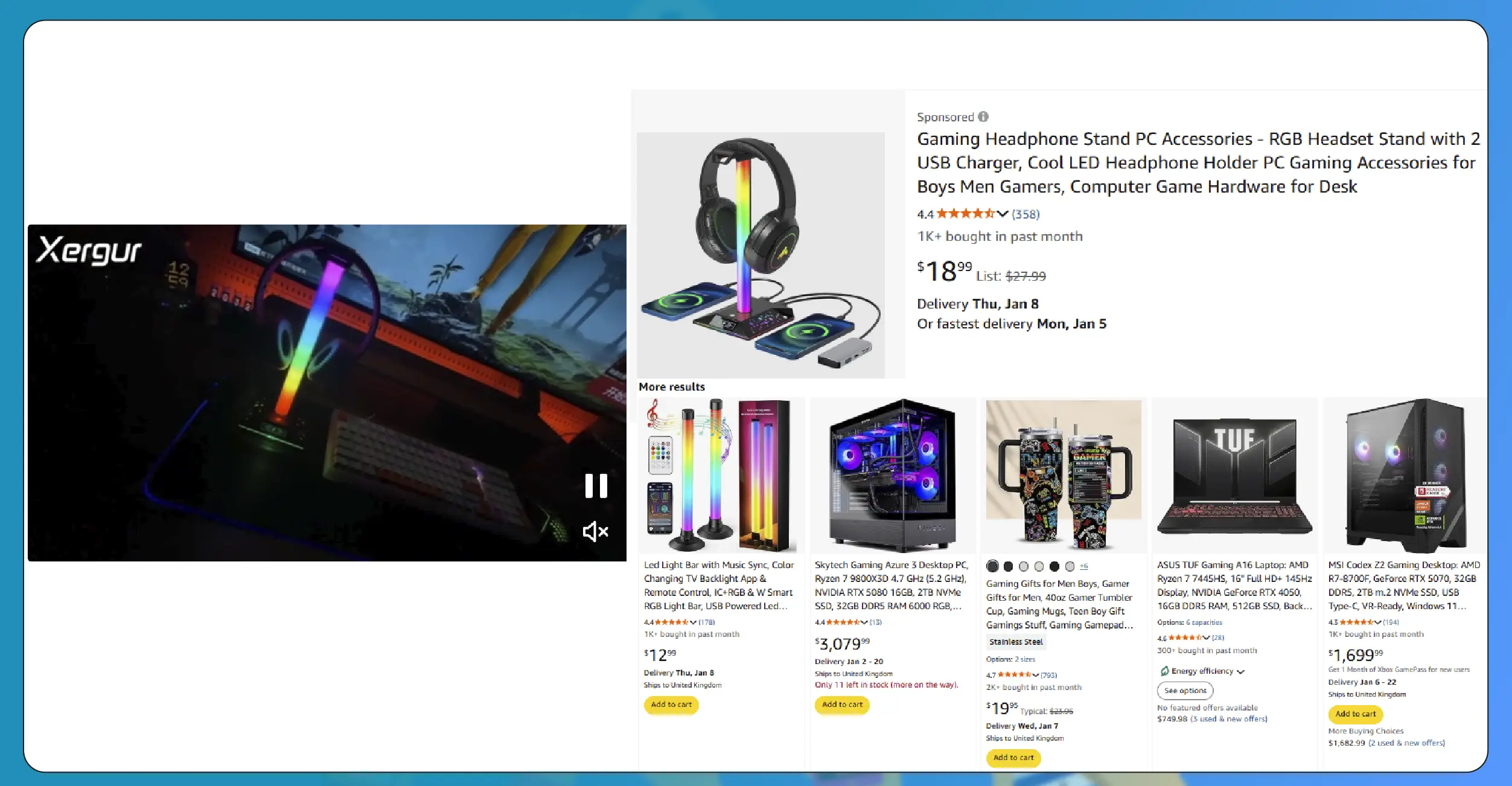
Personalized product recommendations have proven to significantly improve conversion rates and customer loyalty. According to studies, customers are more likely to purchase items suggested to them based on previous interactions and social behavior. By integrating ecommerce social media personalization dataset into their recommendation engines, brands can move beyond generic suggestions, offering highly relevant products that resonate with individual user preferences.
Social media platforms generate massive amounts of content daily, and staying updated with real-time trends is essential. An AI-driven social media ecommerce data scraper can automate this process, extracting meaningful patterns from thousands of posts, stories, and mentions. This data can then be processed to identify emerging trends, popular products, and sentiment patterns, all of which are crucial for delivering timely product recommendations.
Cross-Platform Trend Monitoring
Consumers often engage with multiple platforms simultaneously. Therefore, an effective strategy requires ecommerce social media cross-platform trend monitoring. By aggregating data from Instagram, TikTok, Twitter, and other platforms, brands can identify trending products and adapt their offerings across channels. This ensures that recommendations are not only personalized but also aligned with current market behavior.
Hashtag trends play a pivotal role in understanding consumer demand. Hashtag-based product demand analysis allows brands to track the popularity of specific products or categories. By monitoring trending hashtags and related discussions, e-commerce businesses can determine which products are gaining traction and adjust inventory, marketing campaigns, and promotional strategies accordingly.
Visual content dominates social media, making image-based insights critical. Web Scraping visual product trend data enables brands to analyze images, infographics, and videos to detect emerging styles, product variations, and visual cues that influence purchase decisions. Coupled with AI and machine learning, this approach can predict viral product trends and enhance recommendation accuracy.
Extracting Viral Product Data
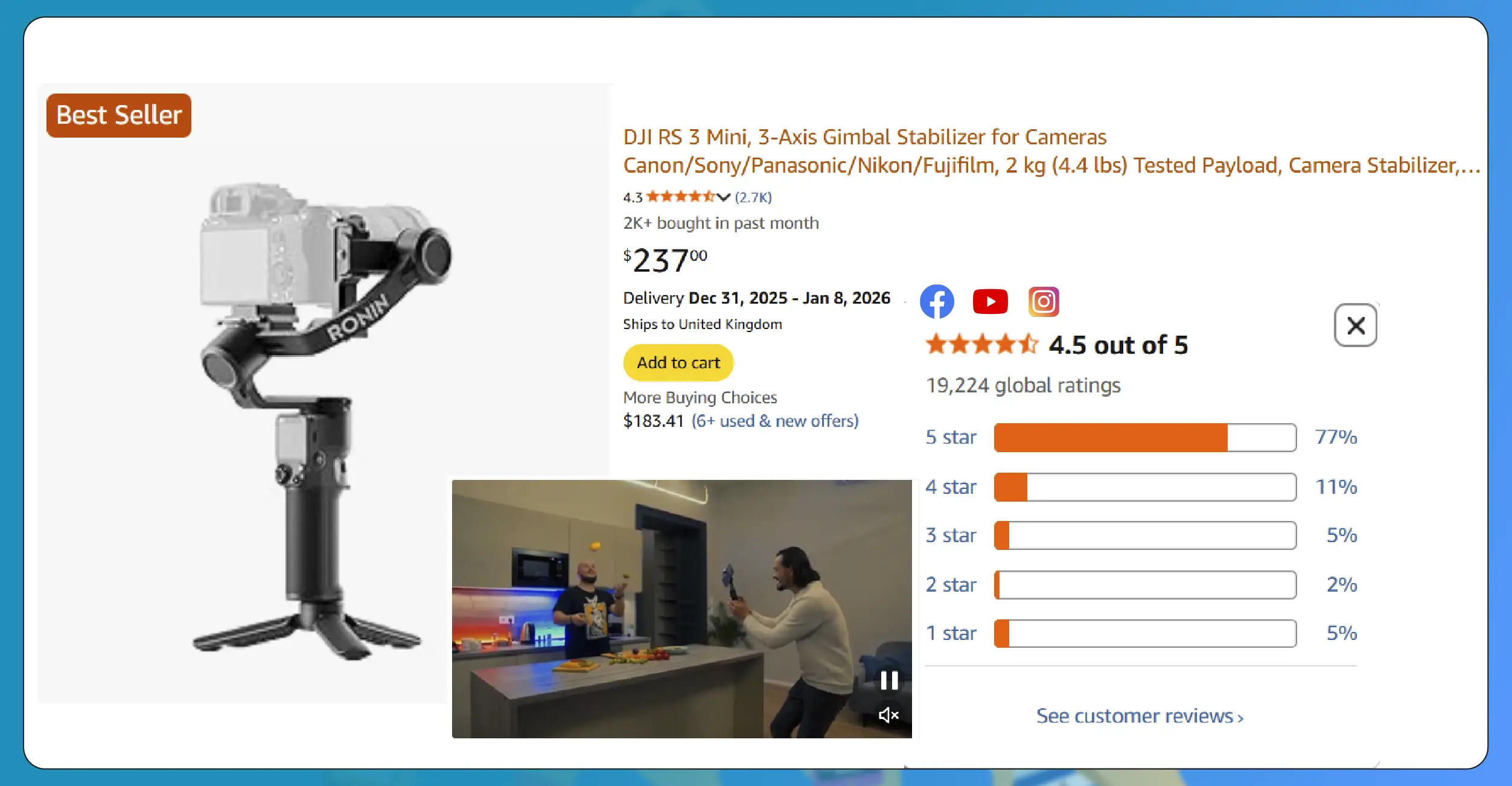
Viral products often see sudden spikes in demand, which can make or break sales campaigns. Extract Social media viral product Data to stay ahead of the curve by identifying products that are gaining popularity in real-time. This data can then be used to optimize product placement, marketing messages, and cross-selling strategies.
Understanding how consumers perceive a brand is equally important. Brand perception tracking from Social media provides insights into public sentiment, customer satisfaction, and emerging concerns. This intelligence helps brands adjust recommendations, refine messaging, and maintain a positive reputation across digital platforms.
Leveraging Instagram for E-Commerce
Instagram remains a key platform for e-commerce marketing due to its highly visual nature and influencer-driven ecosystem. Instagram data scraping enables brands to monitor trends, track influencer endorsements, and analyze product engagement metrics. This data is invaluable for refining product recommendations and ensuring that suggested items align with both popular trends and individual user preferences.
Implementing Data-Driven Product Recommendations
By combining structured social media data with advanced analytics, e-commerce brands can implement data-driven product recommendation systems. These systems leverage AI algorithms to process massive datasets and generate personalized suggestions in real-time. With insights from social media Ecommerce data extraction, brands can understand the nuances of consumer behavior, preferences, and emerging trends, resulting in highly relevant recommendations that increase customer satisfaction and boost sales.
Moreover, integrating visual analytics into recommendation engines can enhance product discovery. By analyzing images, videos, and user-generated content, e-commerce platforms can recommend products not only based on user history but also on trending visual styles. This approach ensures that recommendations feel fresh, engaging, and aligned with the latest consumer preferences.
Unlock Real-Time Insights Today – Supercharge Your Product Recommendations with Our Advanced Social Media & E-Commerce Data Scraping Solutions!
Benefits for E-Commerce Brands
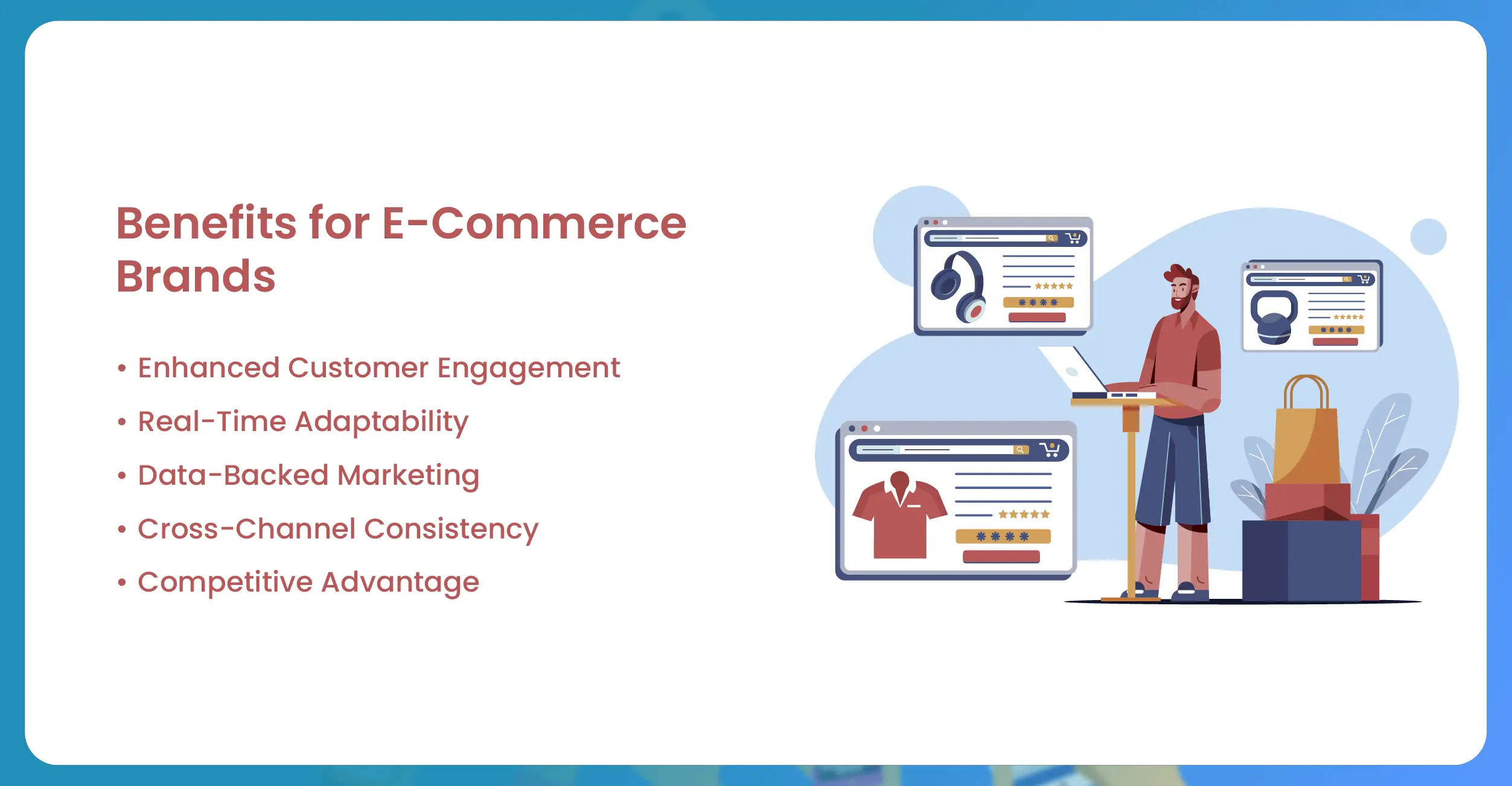
- Enhanced Customer Engagement: By providing recommendations tailored to individual preferences, brands can improve user engagement, encourage repeat purchases, and foster loyalty.
- Real-Time Adaptability: Using AI-driven tools, brands can adjust recommendations in real-time based on trending products and consumer interactions.
- Data-Backed Marketing: Insights from AI-driven social media ecommerce data scraper allow marketing teams to create campaigns informed by actual consumer behavior rather than assumptions.
- Cross-Channel Consistency: With ecommerce social media cross-platform trend monitoring, recommendations remain consistent across multiple platforms, ensuring a cohesive brand experience.
- Competitive Advantage: Early detection of viral products and trending styles gives e-commerce brands an edge over competitors, enabling faster inventory decisions and targeted promotions.
Challenges and Considerations
While the advantages of social media scraping are clear, businesses must navigate certain challenges:
- Data Privacy Compliance: Scraping data from social media platforms must comply with privacy regulations like GDPR and CCPA to avoid legal issues.
- Data Quality: Raw social media data can be noisy. Implementing robust cleaning and validation processes ensures high-quality datasets.
- Platform Limitations: APIs and scraping rules vary across platforms, requiring adaptive strategies for effective data extraction.
- Integration: Collected data must be seamlessly integrated with existing recommendation engines and analytics platforms to derive actionable insights.
How iWeb Data Scraping Can Help You?
- Real-Time Insights: Our services extract live data from social media and e-commerce platforms, enabling you to monitor trends, viral products, and customer preferences for timely and effective decision-making.
- Enhanced Personalization: By collecting detailed product and user behavior data, we help you deliver tailored recommendations, boosting customer engagement, conversion rates, and loyalty across multiple digital channels.
- Trend Forecasting: Our scraping solutions identify emerging product trends, hashtags, and viral content, allowing your brand to stay ahead of the competition and adapt inventory or marketing strategies proactively.
- Brand Reputation Analysis: We track mentions, reviews, and feedback across platforms, giving you actionable insights to improve brand perception, address concerns, and maintain a positive customer image online.
- Cross-Platform Data Integration: Our tools consolidate data from multiple sources, including Instagram, TikTok, and e-commerce stores, providing a comprehensive dataset for analytics, reporting, and AI-driven product recommendation systems.
Conclusion
In conclusion, leveraging Social Media Data Intelligence Services empowers e-commerce brands to extract actionable insights and enhance customer experiences. By utilizing Social Media Data Scraping Services, businesses can monitor trends and track viral products effectively. Using Social Media data scraping API, brands can understand consumer behavior at an unprecedented scale. Harnessing this intelligence allows e-commerce businesses to deliver highly personalized, timely, and relevant product recommendations. This approach drives engagement, boosts conversions, and builds long-term loyalty in today’s competitive online marketplace.
Experience top-notch web scraping service and mobile app scraping solutions with iWeb Data Scraping. Our skilled team excels in extracting various data sets, including retail store locations and beyond. Connect with us today to learn how our customized services can address your unique project needs, delivering the highest efficiency and dependability for all your data requirements.