How Can Supermarket Item Pricing Data Extraction Support Marketing and Promotions?
Introduction
In today’s highly competitive retail environment, understanding pricing strategies across supermarkets is no longer optional—it is a critical requirement for success. Supermarket item pricing data extraction has emerged as a fundamental tool for businesses aiming to optimize pricing, enhance inventory management, and gain valuable competitive intelligence. By leveraging advanced technologies, retailers can automatically collect and analyze price information from multiple sources, enabling them to make timely and informed business decisions. In addition, Web Scraping supermarket price data allows companies to gather structured data on thousands of products, including prices, promotions, and discounts, without the labor-intensive effort of manual tracking. This comprehensive data enables businesses to monitor market trends, respond to competitor strategies, and identify opportunities for growth. Moreover, grocery price scraping equips retailers with actionable insights to improve operational efficiency, enhance customer value, and maintain a competitive edge in an increasingly dynamic and data-driven retail landscape.
Why Tracking Prices Matters?
Tracking the price of supermarket items across multiple stores provides actionable insights that go beyond surface-level observations. Supermarket item price tracking enables retailers to monitor competitor pricing, detect market trends, and identify opportunities for margin improvement. Benefits include:
- Detecting competitor promotions and aligning pricing strategies
- Understanding seasonal fluctuations to improve inventory planning
- Identifying high-demand items to maximize sales during peak periods
Regular tracking also helps businesses respond to market changes, ensuring optimal pricing and enhanced profitability.
Turning Data into Actionable Insights
Grocery retail price data extraction is the process of systematically gathering comprehensive pricing information, including regular prices, promotions, discounts, and special offers, from multiple supermarket channels. This process allows businesses to create a centralized, structured database that consolidates data from online stores, physical outlets, and e-commerce platforms. Once organized, the extracted data provides actionable insights that help retailers benchmark their prices against competitors, identify market trends, and optimize pricing strategies to maximize profit margins. In addition, analyzing historical pricing patterns improves demand forecasting, enabling businesses to plan procurement and promotions more accurately. Efficient use of this data also enhances inventory management by highlighting which products are overstocked or underperforming, reducing losses due to spoilage or obsolescence. Ultimately, grocery retail price data extraction equips businesses with the intelligence needed to make informed, data-driven decisions across pricing, promotions, and overall operational strategy.
Steps for Effective Price Analytics
Modern businesses rely on advanced methods to Scrape grocery pricing analytics efficiently. A typical process includes defining the scope, identifying which products, stores, and regions to monitor. Then, web scraping tools or APIs are deployed to collect real-time product data including prices, discounts, and promotions. After collection, the data is cleaned and standardized for accurate analysis. Finally, visualization dashboards help detect trends, anomalies, and competitor strategies. This structured approach ensures businesses have accurate insights to make timely pricing decisions.
Understanding Trends by Product Category
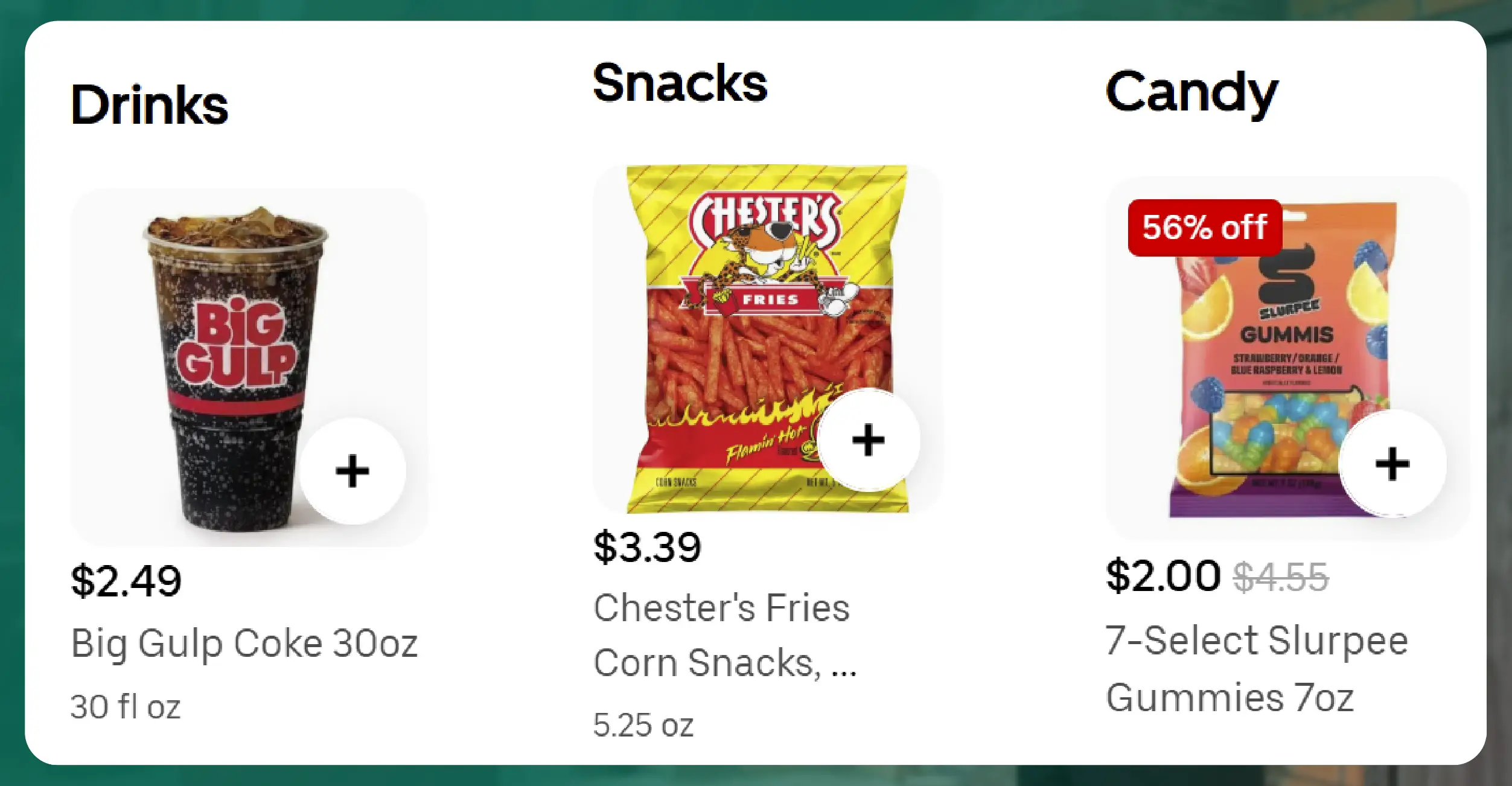
Not all products behave the same way in the market. Category-wise supermarket pricing analysis helps businesses understand differences across fresh produce, packaged goods, beverages, and household essentials. By analyzing each category separately, retailers can optimize promotions, forecast demand accurately, and improve inventory turnover. For instance, fresh items may fluctuate due to seasonality, while packaged goods tend to remain more stable.
Keeping Up With Weekly Changes
Monitoring price movements on a weekly basis allows retailers to spot trends early. Weekly grocery price change monitoring enables businesses to detect sudden spikes or drops in competitor prices, adjust marketing and promotional strategies proactively, and track external factors such as supply chain issues or seasonal demand. This frequent monitoring ensures timely adjustments and improved responsiveness in pricing strategies.
Insights Into Discounts and Promotions
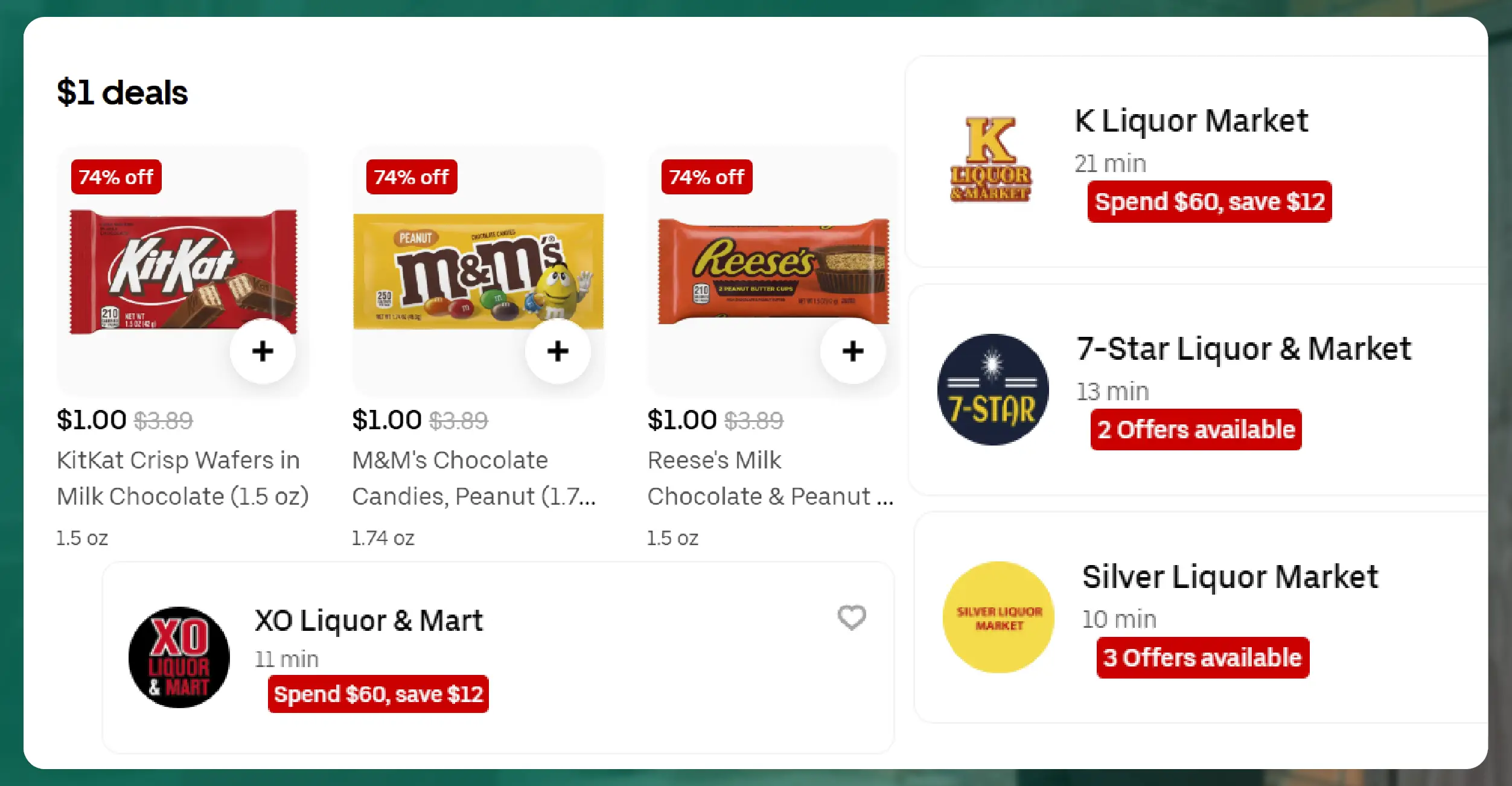
Consumer behavior is heavily influenced by offers. A supermarket discount & promotion Data Extractor automates the collection of promotional details across multiple stores. Businesses can analyze which products are promoted, evaluate discount depth and duration, and align store promotions with competitor strategies. Promotions data also informs inventory planning and marketing campaigns, enhancing operational efficiency.
Unlock actionable retail insights today—partner with iWeb Data Scraping to optimize pricing, promotions, and drive smarter business decisions
Comparing Fresh and Packaged Food
Differentiating between fresh and packaged food pricing is crucial for accurate market insights. Tools to Extract fresh vs packaged food price Data provide clarity on consumer preferences, price sensitivity, and seasonal trends. Fresh food prices fluctuate due to supply variability, while packaged items remain relatively stable. This analysis helps retailers optimize procurement, stock management, and promotional strategies for both categories.
Staying Competitive Through Price Comparison
Supermarket price comparison is essential for maintaining competitiveness. Businesses benefit from identifying overpriced or underpriced items, adjusting pricing strategies dynamically, and offering customers better deals through online platforms. Real-time comparisons allow retailers to respond quickly to market changes and maximize customer satisfaction.
Leveraging APIs for Data Collection

Businesses seeking scalable solutions use Grocery Data Scraping API Services. These services provide automated collection of structured datasets, real-time access to prices, stock, and promotions, and reduce manual effort so teams can focus on strategy. APIs are ideal for large retailers and e-commerce platforms, supporting predictive analytics, price optimization, and promotion planning.
Making Smarter Decisions with Data
Supermarket data extraction transforms decision-making across retail operations. By analyzing insights from collected data, businesses can adjust product pricing dynamically, plan inventory and logistics efficiently, and design marketing campaigns informed by competitor trends and consumer behavior. Data-driven decisions ensure optimal pricing, improved margins, and better operational efficiency.
How iWeb Data Scraping Can Help You?
- Competitive Insights: Our data scraping services allow you to monitor competitor prices, promotions, and product availability in real time, helping you make informed decisions and maintain a strong position in a dynamic market.
- Optimized Pricing Strategies: By collecting and analyzing pricing trends across multiple channels, we help you adjust prices strategically, maximize profits, and attract customers with competitive and data-driven pricing decisions.
- Inventory Management: Our services provide accurate insights into product demand and stock levels, helping you plan procurement, reduce overstock or shortages, and ensure smooth inventory management across stores or online platforms.
- Market Trend Analysis: We gather structured data that enables you to track trends, consumer preferences, and seasonal fluctuations, allowing your business to plan promotions, product launches, and marketing campaigns effectively.
- Operational Efficiency: By automating data collection and analysis, our services save time and reduce manual effort, enabling your team to focus on strategic planning, decision-making, and revenue growth across your business.
Looking Ahead
In today’s fast-paced retail landscape, leveraging Online Grocery & Supermarket Data Extraction has become essential for businesses aiming to maintain a competitive edge. By systematically collecting data from multiple supermarket and grocery sources, retailers gain critical insights into pricing trends, product availability, and consumer preferences. Additionally, the ability to Scrape Supermarkets Stores Location Data enables companies to optimize regional strategies, plan efficient logistics, and identify ideal locations for expansion. Access to comprehensive Grocery and Supermarket Store Datasets provides structured, analyzable information that supports predictive modeling, demand forecasting, and strategic planning. These datasets also help improve operational efficiency by informing inventory management, pricing strategies, and promotional campaigns, allowing businesses to make data-driven decisions and thrive in an increasingly competitive and dynamic market.
Experience top-notch web scraping service and mobile app scraping solutions with iWeb Data Scraping. Our skilled team excels in extracting various data sets, including retail store locations and beyond. Connect with us today to learn how our customized services can address your unique project needs, delivering the highest efficiency and dependability for all your data requirements.