How Does Sustainable Furniture Trend Tracking via Review Data Scraping Work?
Introduction
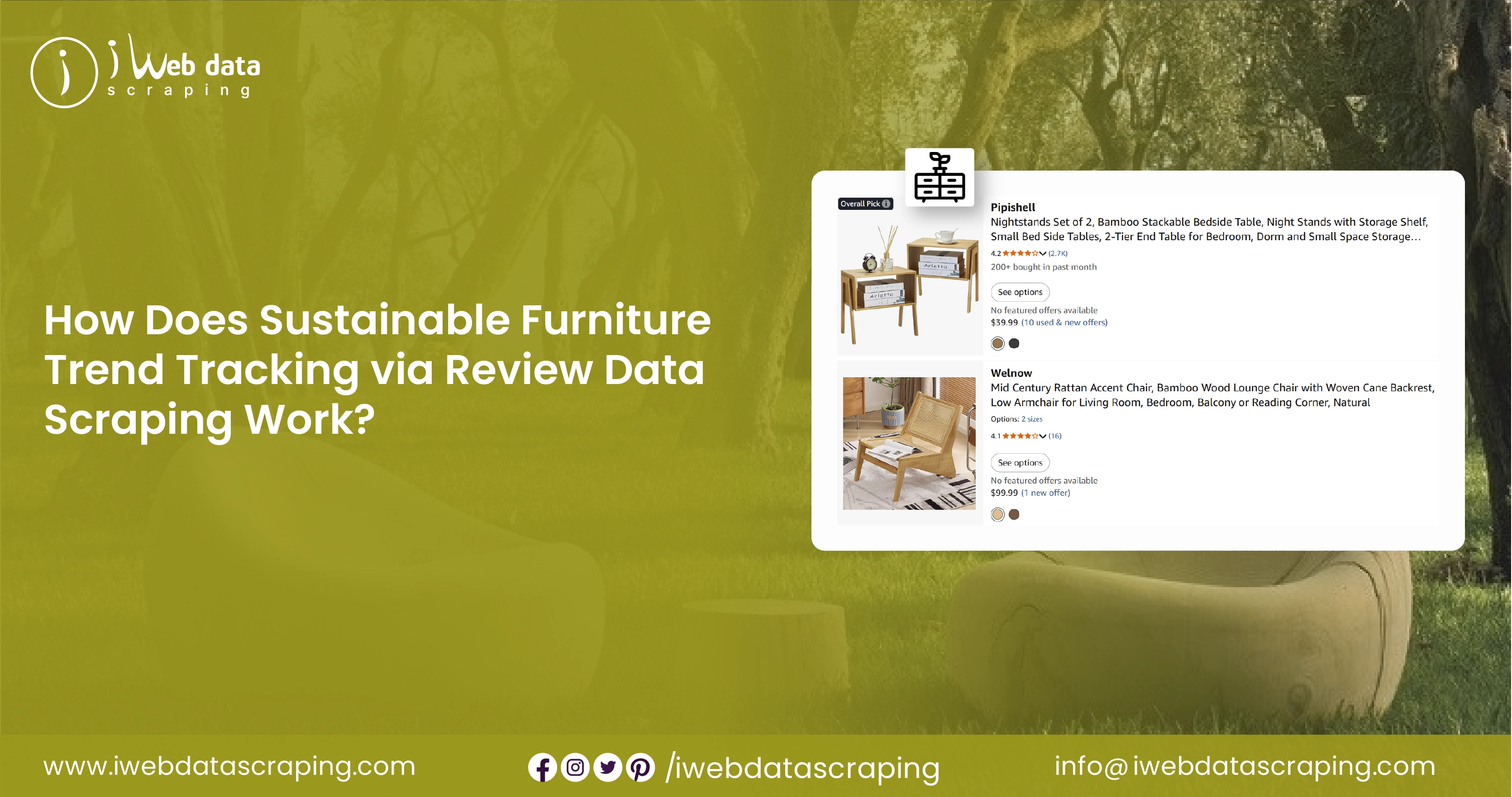
The global furniture industry is rapidly evolving as sustainability becomes a decisive factor influencing purchasing decisions. Modern consumers are prioritizing eco-friendly materials, ethical sourcing, and long-term durability when selecting furniture products. In this context, Sustainable Furniture Trend Tracking via Review Data Scraping has emerged as a powerful approach to uncover real-time consumer preferences. Businesses are increasingly leveraging Sustainable Furniture Pricing & Review Trends Analytics to understand how pricing aligns with perceived value, while Sustainable furniture trend analysis using review data helps brands decode authentic customer sentiment and market demand more effectively.
The Growing Demand for Sustainable Furniture
Sustainable furniture includes products crafted from recycled, renewable, or responsibly sourced materials such as bamboo, reclaimed wood, and low-emission finishes. As environmental awareness grows, customers expect transparency and accountability from brands. Reviews play a critical role in this shift, as they provide honest insights into product quality, sustainability claims, and user satisfaction.
Unlike traditional research methods, review-based insights reflect real-time experiences, making them highly valuable for identifying emerging trends. Customers frequently highlight aspects such as durability, eco-friendliness, and design, which helps businesses better align their offerings with market expectations.
Importance of Review Data in Trend Tracking
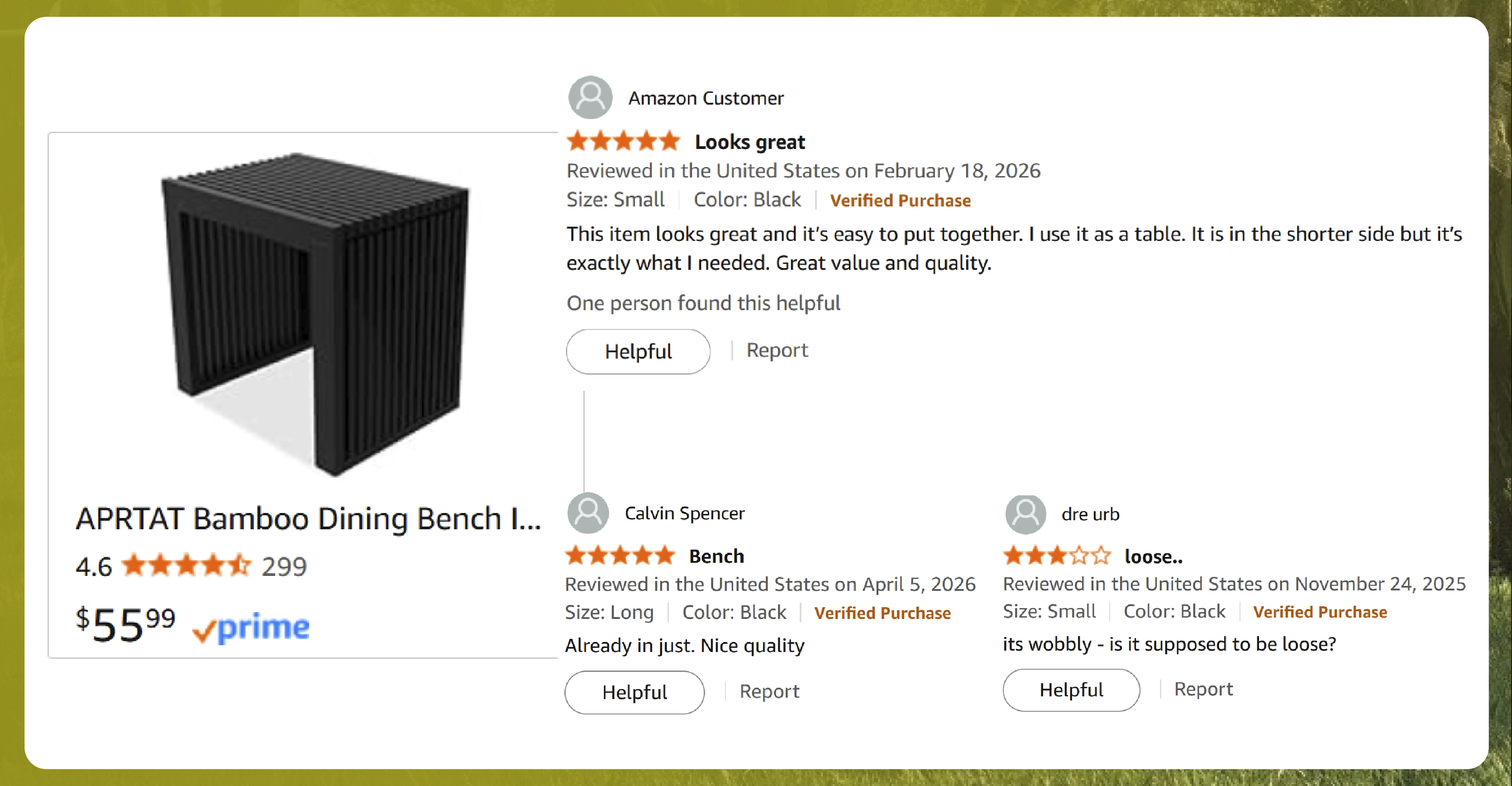
Customer reviews serve as a rich source of qualitative and quantitative data. They reveal not only how a product performs but also how it is perceived in terms of sustainability and value. Businesses can analyze recurring feedback patterns to identify what features resonate most with consumers.
This is where furniture data extraction for review-based demand forecasting becomes essential, as it enables companies to systematically collect and analyze large volumes of review data. By doing so, businesses can move beyond guesswork and make data-driven decisions that align with consumer needs.
Extracting Demand Signals from Customer Reviews
Online reviews contain hidden signals that indicate shifts in consumer demand. These signals can be identified through keyword analysis, sentiment trends, and frequency of mentions.
By using tools to Scrape customer reviews to analyze furniture Demand Signals, businesses can uncover valuable insights such as increasing interest in specific materials, concerns about product longevity, or preferences for certain design styles. For example, repeated mentions of “eco-friendly packaging” or “sustainably sourced wood” can highlight growing consumer priorities.
These insights help companies stay ahead of trends and adapt their strategies accordingly.
Role of Sentiment Analysis in Review Data
Sentiment analysis enhances the value of review data by categorizing feedback into positive, negative, and neutral sentiments. This allows businesses to quickly assess customer satisfaction levels and identify areas for improvement.
Through Scraping furniture product reviews and ratings data, companies can break down sentiment across various attributes such as quality, design, sustainability, and pricing. This granular analysis provides a deeper understanding of what drives customer satisfaction and loyalty.
For instance, a product may receive high ratings overall but still have negative feedback regarding durability, signaling an opportunity for improvement.
Utilizing Ratings and Review Datasets
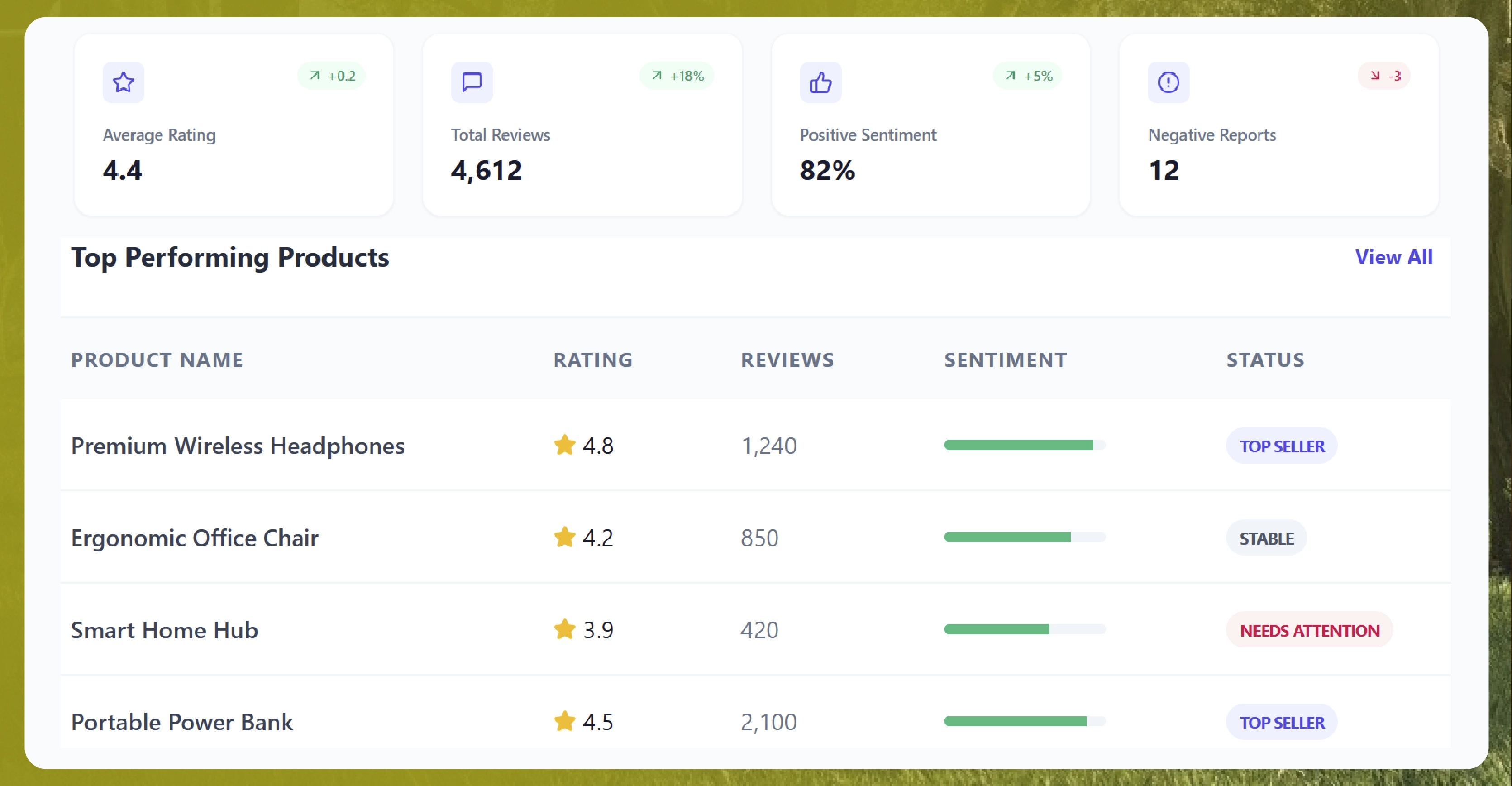
Ratings and reviews together form a comprehensive dataset that can be used for advanced analytics. While ratings provide a numerical summary, reviews offer detailed explanations behind those numbers.
Ecommerce Product Ratings and Review Dataset enables businesses to compare products, track performance over time, and benchmark against competitors. These datasets also help identify top-performing products and detect early signs of declining customer satisfaction.
By leveraging such datasets, companies can make informed decisions about product improvements, inventory management, and marketing strategies.
Competitive Insights Through Review Analysis
Review data is not limited to analyzing a single brand. It can also be used to monitor competitors and understand their strengths and weaknesses. By comparing reviews across different brands, businesses can identify gaps in the market and opportunities for differentiation.
For example, if competitors receive consistent praise for using recycled materials, a company can consider adopting similar practices to remain competitive. Similarly, negative reviews about pricing or quality can highlight areas where a brand can outperform its rivals.
Demand Forecasting with Review Data
Accurate demand forecasting is critical for managing inventory and optimizing supply chains. Traditional forecasting methods often rely on historical sales data, which may not capture emerging trends.
By incorporating furniture data extraction for review-based demand forecasting, businesses can use real-time review insights to predict future demand. Positive sentiment trends and increasing review volumes for specific products can indicate rising demand, allowing companies to adjust production and inventory accordingly.
This approach reduces the risk of overstocking or stockouts and ensures better alignment with market demand.
Improving Product Development
Review data provides direct feedback from customers, making it an invaluable resource for product development. Companies can use insights from reviews to enhance product features, improve quality, and introduce new designs that meet consumer expectations.
For instance, if customers frequently mention the need for more durable finishes or better assembly instructions, businesses can address these issues in future product iterations. This not only improves customer satisfaction but also strengthens brand reputation.
Pricing Optimization Using Review Insights
Pricing plays a crucial role in the adoption of sustainable furniture. While consumers are willing to pay a premium for eco-friendly products, they still expect value for money.
By analyzing Sustainable Furniture Pricing & Review Trends Analytics, businesses can understand how customers perceive pricing relative to product quality and sustainability. Reviews often highlight whether a product is considered worth its price, providing valuable insights for pricing strategies.
This helps companies strike the right balance between profitability and customer satisfaction.
Challenges in Review Data Scraping
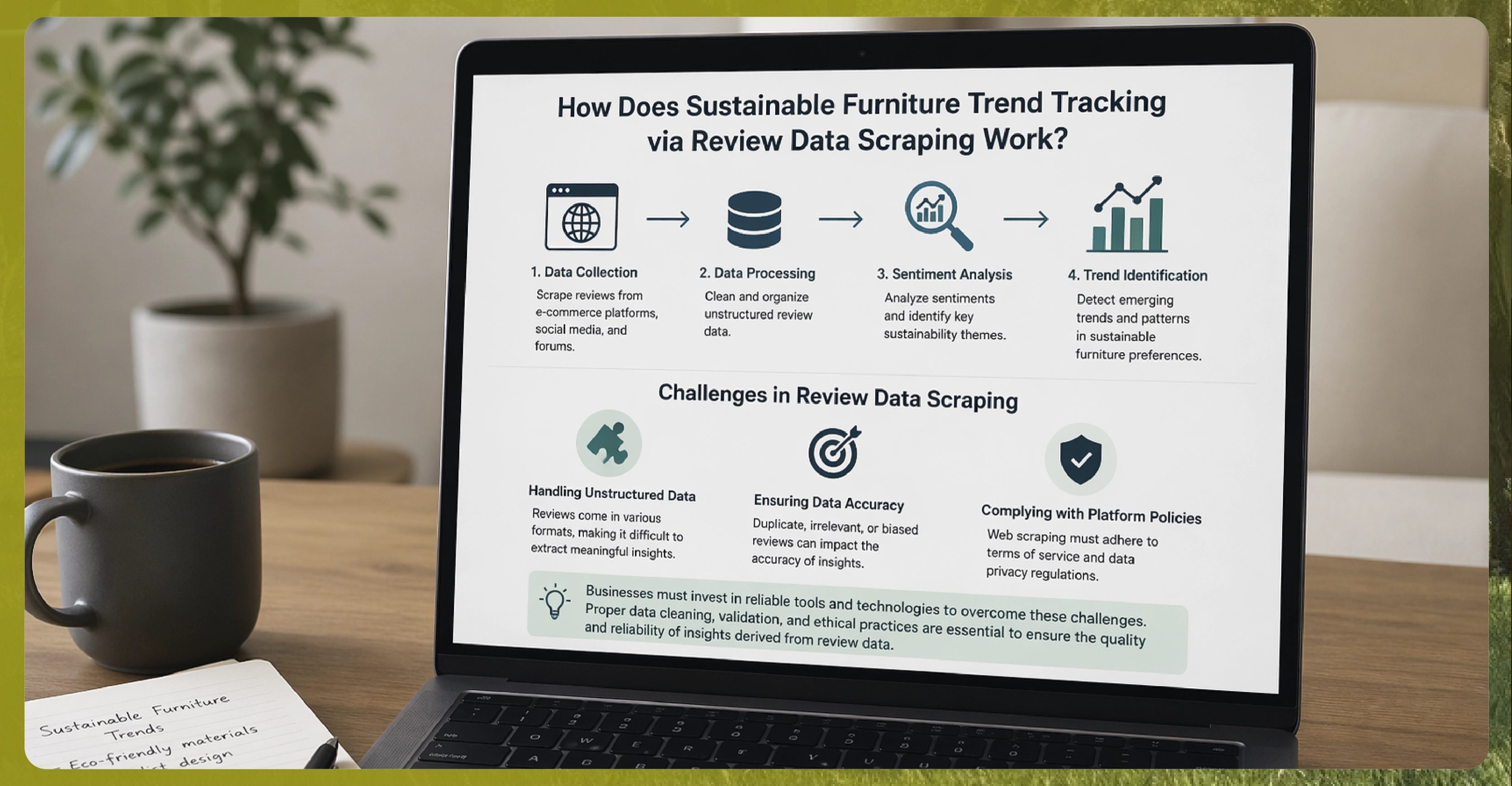
Despite its benefits, review data scraping comes with certain challenges. These include handling unstructured data, ensuring data accuracy, and complying with platform policies.
Businesses must invest in reliable tools and technologies to overcome these challenges. Proper data cleaning, validation, and ethical practices are essential to ensure the quality and reliability of insights derived from review data.
Future of Sustainable Furniture Analytics
The future of sustainable furniture trend tracking lies in advanced analytics and automation. Technologies such as artificial intelligence and machine learning are enabling more sophisticated analysis of review data.
These innovations will allow businesses to predict trends with greater accuracy, personalize customer experiences, and optimize supply chains. As sustainability continues to gain importance, the ability to analyze and act on review data will become a key competitive advantage.
Ready to unlock powerful sustainable furniture insights? Contact us today to start leveraging review data effectively.
How iWeb Data Scraping Can Help You?
1. Deep Consumer Sentiment Analysis
Our iWeb data scraping services extract detailed review data, enabling you to understand customer emotions, sustainability perceptions, and product expectations for smarter, insight-driven furniture decisions.
2. Multi-Platform Data Aggregation
We gather review and rating data from multiple eCommerce platforms into unified datasets, helping you compare performance, identify trends, and maintain consistency across diverse online marketplaces.
3. Sustainability Trend Identification
Our solutions detect rising demand for eco-friendly materials, finishes, and designs by analyzing review patterns, helping you align product offerings with evolving sustainability-focused consumer preferences effectively.
4. Pricing and Value Perception Insights
We analyze customer feedback related to pricing and perceived value, allowing you to refine pricing strategies and ensure your sustainable furniture products meet customer expectations competitively.
5. Automated Data Processing and Delivery
Our services provide automated scraping, cleaning, and structured data delivery, ensuring high-quality datasets that integrate seamlessly into analytics systems for faster, more accurate business decision-making.
Conclusion
The shift toward sustainable furniture is reshaping the industry, making it essential for businesses to stay informed about evolving consumer preferences. Review data scraping provides a powerful way to capture real-time insights, understand demand signals, and make data-driven decisions.
By leveraging advanced solutions like eCommerce Data Scraping Services, companies can efficiently collect and analyze large volumes of review data. Integrating Web Scraping API Services ensures seamless and scalable data extraction, while Web Scraping Services enable businesses to transform raw data into actionable insights.
Ultimately, adopting review data analytics not only helps businesses stay competitive but also empowers them to meet the growing demand for sustainable and responsible furniture products.
Experience top-notch web scraping service and mobile app scraping solutions with iWeb Data Scraping. Our skilled team excels in extracting various data sets, including retail store locations and beyond. Connect with us today to learn how our customized services can address your unique project needs, delivering the highest efficiency and dependability for all your data requirements.