
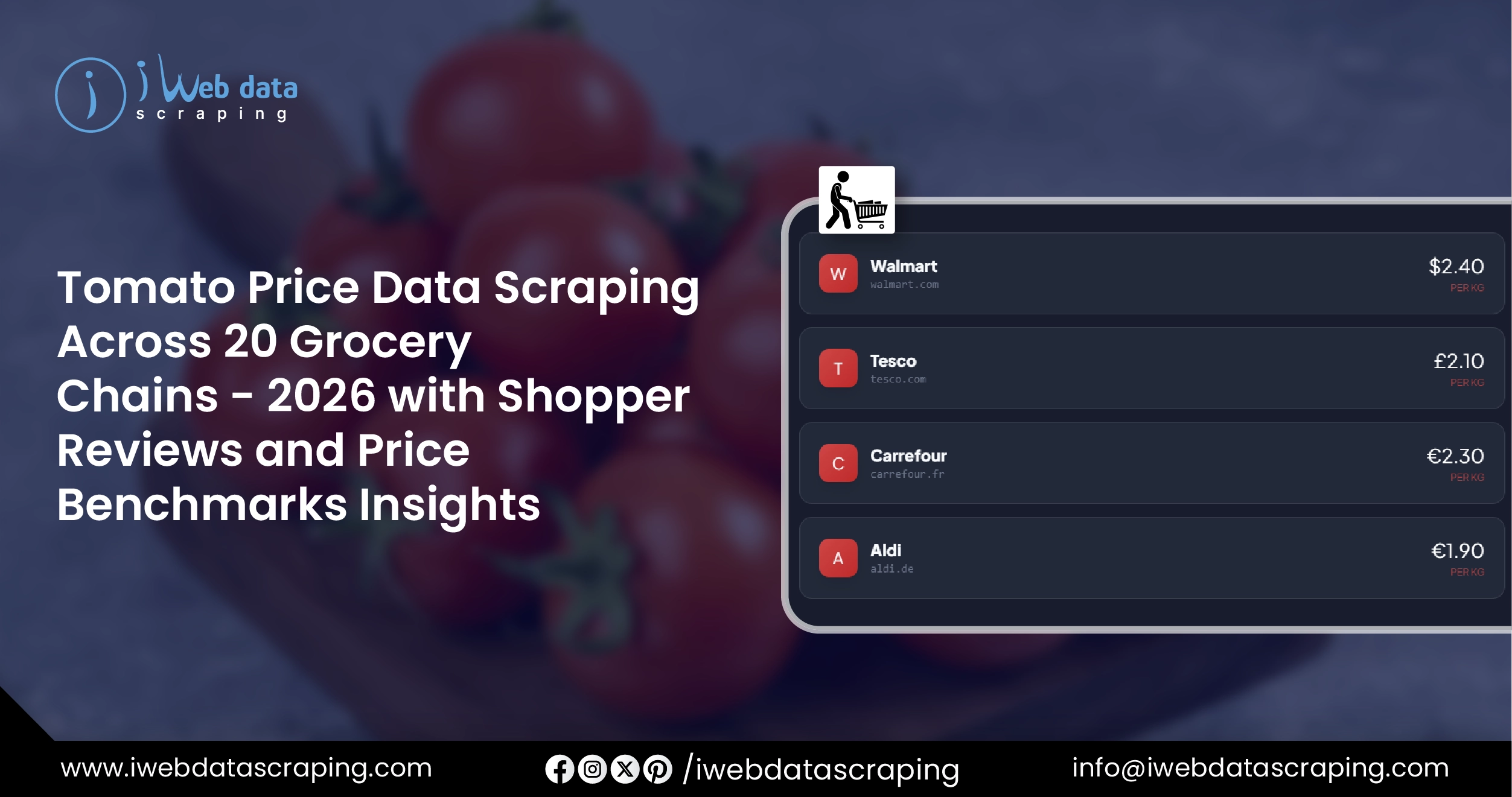
The global grocery retail ecosystem in 2026 is increasingly shaped by real-time data and competitive pricing intelligence. In this context, Tomato Price Data Scraping Across 20 Grocery Chains - 2026 plays a crucial role in understanding how one of the most consumed vegetables is priced across diverse geographies and retail formats. Tomatoes, being a staple ingredient in households worldwide, act as a sensitive indicator of supply chain efficiency, seasonal fluctuations, and pricing strategies.
This study also incorporates Tomato Price Benchmark 2026 Across 20 Retail Chains, offering a structured comparison of tomato prices across leading supermarkets and online grocery platforms. By integrating structured datasets with consumer insights, the report further explores 2026 Tomato Price Comparison and Consumer Review Analysis, helping stakeholders evaluate both pricing competitiveness and customer satisfaction levels.
Tomato pricing in 2026 reflects a complex interplay of agricultural output, climatic conditions, logistics costs, and retail competition. In developed markets such as the United States and Europe, pricing remains relatively stable due to advanced supply chain infrastructure and long-term supplier contracts. However, emerging markets such as India and parts of the Middle East experience higher volatility due to weather dependency and fragmented distribution systems.
Retailers are increasingly adopting dynamic pricing strategies, where tomato prices are adjusted frequently based on competitor benchmarks, stock availability, and consumer demand. The rise of private labels and organic produce has further diversified pricing tiers, with organic tomatoes consistently commanding premium pricing due to perceived quality and sustainability.
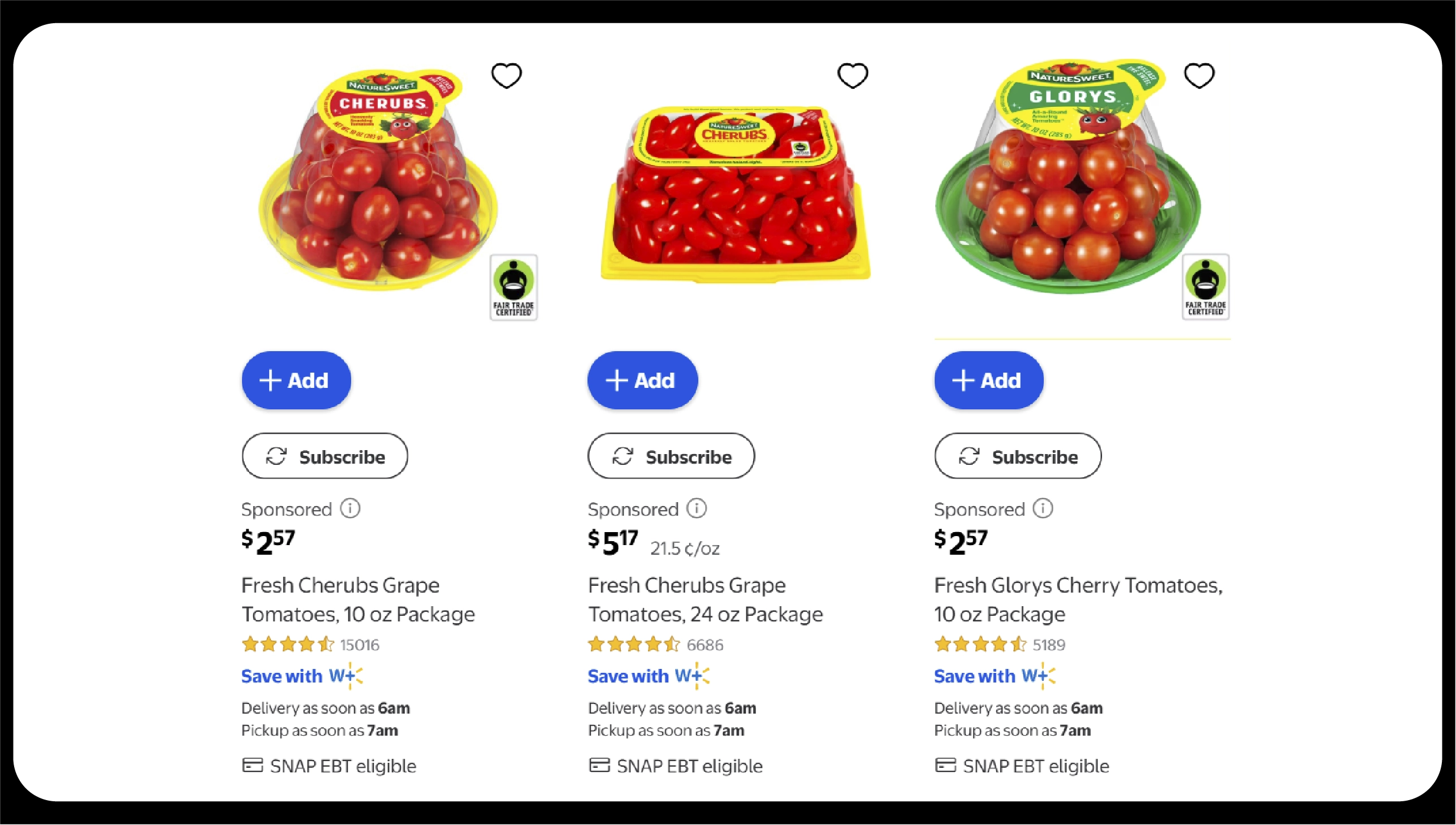
This research is built upon the framework of the Supermarket Tomato Price Intelligence Report 2026, which leverages automated web scraping technologies to extract high-frequency data from 20 leading grocery chains. The data collected includes price per kilogram, discount percentages, availability of organic variants, and customer ratings.
The scraping process ensures consistency by standardizing units and currencies, enabling accurate cross-market comparisons. It also captures time-sensitive promotional data, allowing analysts to identify short-term pricing strategies and long-term trends.
| Grocery Chain | Country | Avg Price (per kg) | Discount (%) | Organic Availability | Rating (Out of 5) | Price Volatility (%) |
|---|---|---|---|---|---|---|
| Walmart | USA | $2.40 | 10% | Yes | 4.2 | 12% |
| Tesco | UK | £2.10 | 8% | Yes | 4.3 | 10% |
| Carrefour | France | €2.30 | 12% | Yes | 4.1 | 14% |
| Aldi | Germany | €1.90 | 15% | Limited | 4.0 | 9% |
| Coles | Australia | AUD 3.20 | 7% | Yes | 4.4 | 11% |
| Reliance Fresh | India | ₹40 | 5% | Limited | 4.1 | 18% |
| BigBasket | India | ₹38 | 6% | Yes | 4.2 | 20% |
| Kroger | USA | $2.50 | 9% | Yes | 4.3 | 13% |
| Sainsbury’s | UK | £2.20 | 10% | Yes | 4.4 | 12% |
| Lidl | Germany | €1.85 | 14% | Limited | 4.0 | 8% |
| Woolworths | Australia | AUD 3.10 | 6% | Yes | 4.3 | 10% |
| Metro | Canada | CAD 3.50 | 11% | Yes | 4.2 | 13% |
| Spar | Netherlands | €2.25 | 9% | Yes | 4.1 | 11% |
| Whole Foods | USA | $3.80 | 5% | Yes | 4.6 | 7% |
| Costco | USA | $2.20 | 8% | Yes | 4.5 | 9% |
| Morrisons | UK | £2.00 | 12% | Yes | 4.3 | 11% |
| Coop | Switzerland | CHF 3.90 | 6% | Yes | 4.5 | 8% |
| Edeka | Germany | €2.05 | 10% | Yes | 4.2 | 10% |
| Auchan | France | €2.15 | 11% | Yes | 4.1 | 12% |
| Panda Retail | UAE | AED 6.50 | 7% | Limited | 4.0 | 15% |
The data reveals that tomato pricing varies significantly across regions, with European discount retailers such as Aldi and Lidl offering the lowest average prices due to cost-efficient sourcing and private label dominance. In contrast, premium retailers such as Whole Foods maintain higher price points, driven by organic offerings and superior perceived quality.
In India, platforms like Reliance Fresh and BigBasket show comparatively lower price points but higher volatility, reflecting supply chain inefficiencies and seasonal dependencies. Meanwhile, Australian and North American retailers maintain moderate pricing stability, supported by advanced logistics and storage infrastructure.
An important dimension of this study is captured through Top Grocery Chains Tomato Pricing and Review Analytics, which highlights how pricing correlates with customer satisfaction. While affordability remains a key driver in emerging markets, consumers in developed economies tend to prioritize freshness, packaging, and organic certification.
The integration of method to Extract Best Tomatoes Price Data Across 20 Grocery Chains with review analytics reveals that higher-priced tomatoes often receive better ratings, indicating a perceived link between price and quality. Furthermore, tools like Tomato Prices and Shopper Ratings Scraper - 20 Retail Chains help identify recurring consumer concerns such as spoilage, inconsistent quality, and packaging issues.
| Grocery Chain | Avg Rating | Positive Reviews (%) | Negative Reviews (%) | Key Positive Feedback | Key Complaints |
|---|---|---|---|---|---|
| Walmart | 4.2 | 82% | 18% | Affordable, fresh | Occasional spoilage |
| Tesco | 4.3 | 85% | 15% | Consistent quality | Slightly expensive |
| Carrefour | 4.1 | 80% | 20% | Variety | Packaging issues |
| Aldi | 4.0 | 78% | 22% | Low price | Limited organic options |
| Coles | 4.4 | 87% | 13% | Freshness | Price fluctuations |
| Reliance Fresh | 4.1 | 81% | 19% | Accessibility | Quality inconsistency |
| BigBasket | 4.2 | 83% | 17% | Convenience | Delivery delays |
| Kroger | 4.3 | 86% | 14% | Good packaging | Pricing variability |
| Sainsbury’s | 4.4 | 88% | 12% | Premium quality | Higher cost |
| Lidl | 4.0 | 79% | 21% | Budget-friendly | Limited stock |
| Woolworths | 4.3 | 85% | 15% | Consistency | Slightly expensive |
| Metro | 4.2 | 84% | 16% | Bulk buying options | Packaging concerns |
| Spar | 4.1 | 82% | 18% | Accessibility | Price variation |
| Whole Foods | 4.6 | 90% | 10% | Premium organic quality | Expensive |
| Costco | 4.5 | 89% | 11% | Value for bulk | Large quantities only |
| Morrisons | 4.3 | 86% | 14% | Balanced pricing | Stock issues |
| Coop | 4.5 | 88% | 12% | Organic freshness | Costly |
| Edeka | 4.2 | 84% | 16% | Quality | Limited discounts |
| Auchan | 4.1 | 82% | 18% | Variety | Shelf life issues |
| Panda Retail | 4.0 | 78% | 22% | Availability | Price fluctuations |
The increasing reliance on Grocery Pricing Data Intelligence Services has transformed how retailers and analytics firms approach pricing decisions. By continuously monitoring competitor prices and consumer sentiment, businesses can optimize their strategies in near real-time.
The Grocery Data Scraping Services not only enhance pricing accuracy but also provide deeper insights into consumer preferences, helping retailers improve product quality, inventory management, and promotional effectiveness.
The analysis presented in this report demonstrates that tomato pricing in 2026 is no longer a static metric but a dynamic indicator of market competitiveness and consumer expectations. As retailers continue to invest in data-driven strategies, the importance of structured datasets and automated intelligence tools will only grow.
Technologies such as Grocery and Supermarket Store Datasets are enabling businesses to access comprehensive, real-time insights into pricing and consumer behavior.
Solutions powered by Web Scraping Grocery Data help organizations continuously monitor changing prices, availability, and market dynamics across multiple retail platforms.
Advanced tools like Web Scraping API Services further enhance scalability and automation, making it easier to extract, process, and utilize high-frequency grocery data efficiently.
Experience top-notch web scraping service and mobile app scraping solutions with iWeb Data Scraping. Our skilled team excels in extracting various data sets, including retail store locations and beyond. Connect with us today to learn how our customized services can address your unique project needs, delivering the highest efficiency and dependability for all your data requirements.
We start by signing a Non-Disclosure Agreement (NDA) to protect your ideas.
Our team will analyze your needs to understand what you want.
You'll get a clear and detailed project outline showing how we'll work together.
We'll take care of the project, allowing you to focus on growing your business.