Introduction
Understanding traveler opinions has become a crucial factor in shaping tourism strategies, hospitality marketing, and destination management. The US Tourism Market Review Sentiment Analysis Report provides a comprehensive overview of how tourists perceive destinations, hotels, attractions, and services across the United States. By analyzing millions of online reviews from booking platforms, travel apps, and tourism websites, organizations can identify satisfaction drivers and potential improvement areas.
The growing availability of digital feedback has resulted in the emergence of advanced datasets such as the US hotel review sentiment analysis dataset, which enables businesses to quantify customer satisfaction across multiple cities and hotel segments. This dataset includes structured review data, sentiment scores, review keywords, ratings, and traveler demographics that support predictive analytics and tourism market forecasting.
Modern tourism intelligence systems rely on travel review sentiment data scraping to continuously gather customer feedback from travel portals, hotel booking platforms, and social media channels. This process allows tourism stakeholders to analyze patterns in traveler experiences, identify seasonal sentiment fluctuations, and benchmark destination performance across regions.
As competition among tourism destinations intensifies, sentiment analysis has become a strategic tool for tourism boards, hotel chains, and travel technology companies seeking to enhance visitor experiences and strengthen brand reputation in the global tourism marketplace.
Importance of Sentiment Analysis in the US Tourism Industry
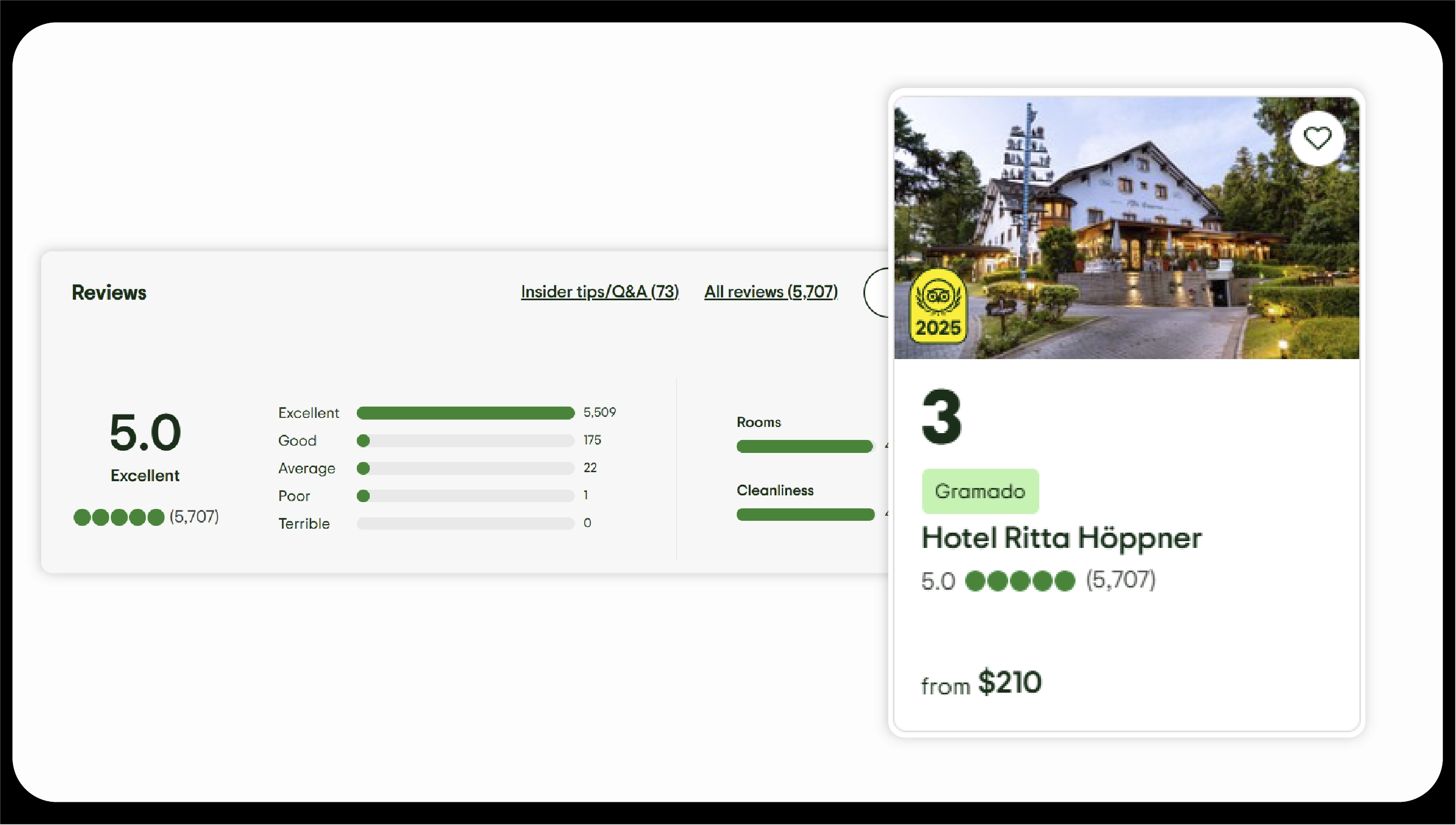
The tourism industry in the United States generates vast volumes of customer feedback through online booking platforms, review portals, and travel communities. Analyzing this information provides a data-driven perspective on traveler satisfaction.
Sentiment analysis technologies classify reviews into positive, neutral, and negative categories using natural language processing algorithms. These insights enable travel businesses to understand customer expectations, detect service gaps, and monitor brand perception.
Through hotel customer review analytics US markets, tourism analysts can evaluate service performance indicators such as room quality, staff friendliness, location convenience, and pricing satisfaction. Hotels and resorts leverage this information to refine operational strategies and enhance guest experiences.
Furthermore, tourism boards use sentiment analytics to assess visitor experiences in popular destinations such as national parks, urban tourism hubs, and coastal resorts. This allows decision-makers to prioritize investments in infrastructure, service improvements, and visitor engagement initiatives.
Key Data Sources for Tourism Review Sentiment Analysis
Tourism sentiment datasets are generated from a wide variety of digital platforms where travelers share their experiences. These platforms include:
- Online hotel booking websites
- Travel review communities
- Tourism mobile applications
- Social media platforms
- Airline and travel aggregator websites
These sources collectively create massive volumes of user-generated content that reflect traveler experiences and expectations.
Major Data Sources Used for US Tourism Sentiment Analysis
| Hotel Booking Platforms |
Hotel reviews, ratings, stay duration |
3.2 million |
Service quality, cleanliness, location |
Hotel performance benchmarking |
| Travel Review Communities |
Attraction reviews, travel experiences |
2.4 million |
Destination satisfaction |
Tourism destination insights |
| Airline Review Platforms |
Flight experience feedback |
850,000 |
Comfort, delays, service |
Aviation service analytics |
| Social Media Travel Posts |
Travel photos, captions, comments |
5.1 million |
Emotional sentiment trends |
Brand reputation monitoring |
| Tourism Apps |
Booking feedback and destination ratings |
1.7 million |
User experience satisfaction |
App and platform improvement |
| Online Forums |
Travel discussions and recommendations |
620,000 |
Travel concerns and expectations |
Market demand forecasting |
These datasets provide the foundation for advanced tourism sentiment intelligence systems that analyze customer opinions across multiple tourism segments.
Tourism Sentiment Trends Across Major US Destinations
Sentiment analysis helps identify patterns in traveler satisfaction across different tourist destinations. By analyzing review sentiment scores, tourism analysts can evaluate the overall visitor experience in various regions.
The practice of US tourism review sentiment benchmarking enables comparison of traveler experiences across cities such as New York, Orlando, Las Vegas, and San Francisco. These insights reveal how different tourism hubs perform in areas such as hospitality quality, attractions, and accessibility.
Similarly, large-scale tourism review data scraping across US tourist cities allows analysts to capture thousands of reviews daily, helping tourism stakeholders track real-time changes in visitor sentiment.
Sentiment Score Comparison Across Major US Tourist Cities
| New York City |
4.3 / 5 |
68% |
19% |
13% |
Attractions, cultural diversity, nightlife |
| Orlando |
4.5 / 5 |
74% |
16% |
10% |
Theme parks, family tourism, hospitality |
| Las Vegas |
4.2 / 5 |
65% |
21% |
14% |
Entertainment, casinos, nightlife |
| San Francisco |
4.1 / 5 |
63% |
22% |
15% |
Scenic attractions, food culture |
| Miami |
4.4 / 5 |
71% |
18% |
11% |
Beaches, nightlife, luxury hotels |
| Los Angeles |
4.0 / 5 |
60% |
25% |
15% |
Film tourism, shopping, attractions |
| Chicago |
4.2 / 5 |
66% |
21% |
13% |
Architecture, museums, food |
| Honolulu |
4.6 / 5 |
79% |
14% |
7% |
Beaches, resorts, natural beauty |
These insights help tourism boards and hospitality businesses understand visitor perceptions and identify opportunities for service improvement.
Data Extraction and Processing Techniques
Modern tourism sentiment research depends heavily on automated data extraction technologies. Platforms continuously gather review data through structured pipelines to ensure accurate analysis.
Organizations frequently Extract US Tourism Market Review Sentiment data from booking websites, travel forums, and tourism platforms to create centralized datasets for analytics and reporting.
Similarly, businesses may scrape US Tourism Market Review Sentiment data to collect real-time customer feedback from multiple travel channels. This approach ensures that sentiment datasets remain updated with current traveler experiences.
These datasets are then processed using machine learning models that classify sentiments, detect keywords, and identify recurring service issues mentioned by travelers.
Applications of Tourism Sentiment Analytics
Sentiment analytics offers multiple strategic applications across the tourism ecosystem. Hotels, travel companies, and tourism boards use these insights to enhance service quality and customer satisfaction.
Key applications include:
Destination Reputation Monitoring
Tourism boards track visitor perceptions of cities and attractions.
Hospitality Service Optimization
Hotels identify service issues such as slow check-ins or room cleanliness concerns.
Pricing Strategy Evaluation
Sentiment data reveals how travelers perceive value for money.
Marketing Campaign Optimization
Travel brands tailor campaigns based on traveler preferences and emotional responses.
Experience Personalization
Travel companies design personalized travel packages based on review insights.
Large-scale analytics platforms also integrate datasets from Travel Data Scraping Services to enable tourism organizations to perform predictive sentiment modeling and demand forecasting.
Additionally, advanced tourism intelligence platforms combine review datasets with pricing, booking, and occupancy data to generate comprehensive Travel Data Intelligence dashboards for tourism decision-makers.
Another valuable source of insights comes from Travel & Tourism App Datasets, which capture traveler feedback from mobile booking platforms and travel planning applications.
Challenges in Tourism Sentiment Data Analysis
Despite the benefits of sentiment analytics, tourism data analysis faces several challenges.
Data Volume and Complexity
Tourism platforms generate millions of reviews daily, making data management and analysis complex.
Language Diversity
International travelers post reviews in multiple languages, requiring multilingual sentiment models.
Fake or Biased Reviews
Some reviews may be manipulated or promotional, affecting analysis accuracy.
Contextual Interpretation
Certain travel experiences may require contextual understanding beyond basic sentiment classification.
Addressing these challenges requires robust data pipelines, natural language processing models, and data validation systems.
Future Outlook for Tourism Sentiment Intelligence
The future of tourism analytics is increasingly driven by artificial intelligence and real-time data intelligence. Sentiment analysis platforms are evolving to include predictive tourism models, automated trend detection, and traveler behavior forecasting.
Tourism organizations are investing in real-time monitoring tools that track traveler opinions across global platforms. These insights allow destinations to respond quickly to traveler concerns and maintain positive visitor experiences.
In addition, advanced analytics systems integrate sentiment data with booking trends, travel pricing, and demand forecasts to provide a comprehensive understanding of tourism market dynamics.
Conclusion
The US tourism industry continues to generate massive volumes of traveler feedback across digital platforms. Analyzing this information through sentiment analysis provides powerful insights into traveler satisfaction, destination reputation, and hospitality performance.
With the help of advanced data extraction technologies, tourism organizations can transform unstructured review data into actionable intelligence. Tools powered by Web Scraping API Services enable automated data collection from travel platforms, ensuring access to real-time traveler insights.
Similarly, professional Web Scraping Services help tourism businesses gather structured datasets from multiple travel channels to support sentiment analytics and market research.
By integrating these datasets with strategic analysis tools and Competitive Benchmarking Services, tourism stakeholders can improve customer experiences, strengthen destination branding, and enhance their competitive positioning in the global tourism marketplace.
Experience top-notch web scraping service and mobile app scraping solutions with iWeb Data Scraping. Our skilled team excels in extracting various data sets, including retail store locations and beyond. Connect with us today to learn how our customized services can address your unique project needs, delivering the highest efficiency and dependability for all your data requirements.