How Can Gucci Data Scraping for Luxury Fashion Reveal Emerging Trend Patterns?
Introduction
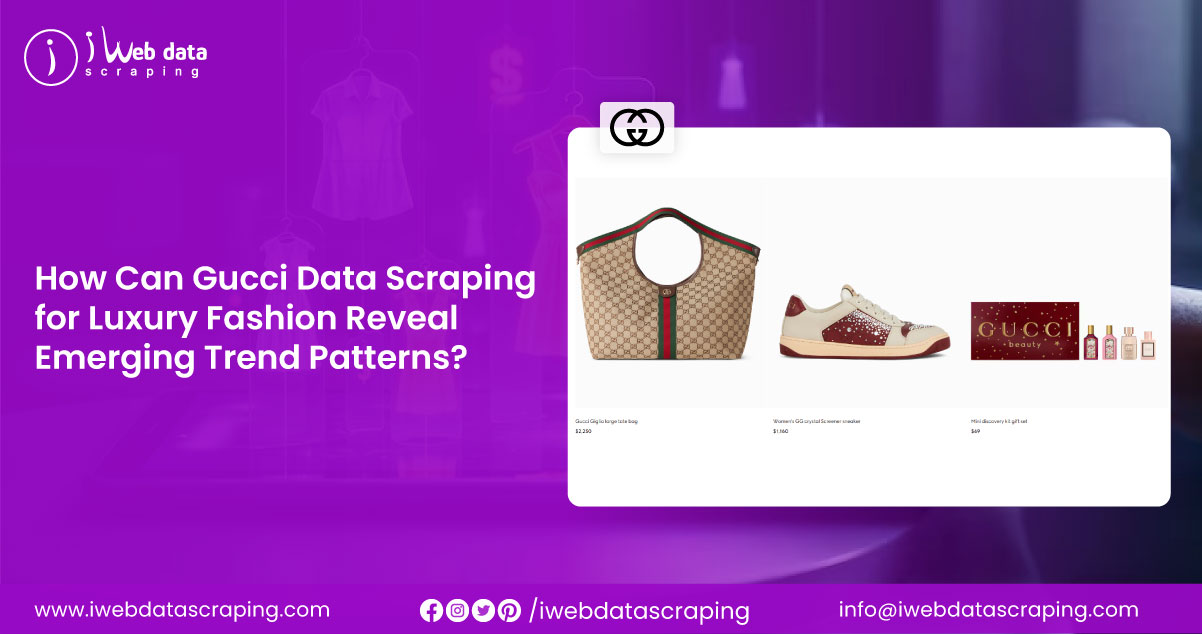
The luxury fashion sector is constantly evolving, with brands like Gucci leading the way in setting trends and influencing consumer behavior. To gain a deeper understanding of Gucci data scraping for luxury fashion, fashion analysts and businesses are leveraging digital intelligence to monitor trends, pricing strategies, and product availability. Luxury fashion data scraping allows stakeholders to make informed decisions by tracking real-time insights from Gucci’s online platforms.
By employing Gucci product data extraction, analysts can evaluate how seasonal collections, limited-edition releases, and marketing campaigns affect the pricing and demand for women’s clothing. This process not only unveils consumer preferences but also helps brands identify competitive gaps in the market.
The Importance of Data in Luxury Fashion
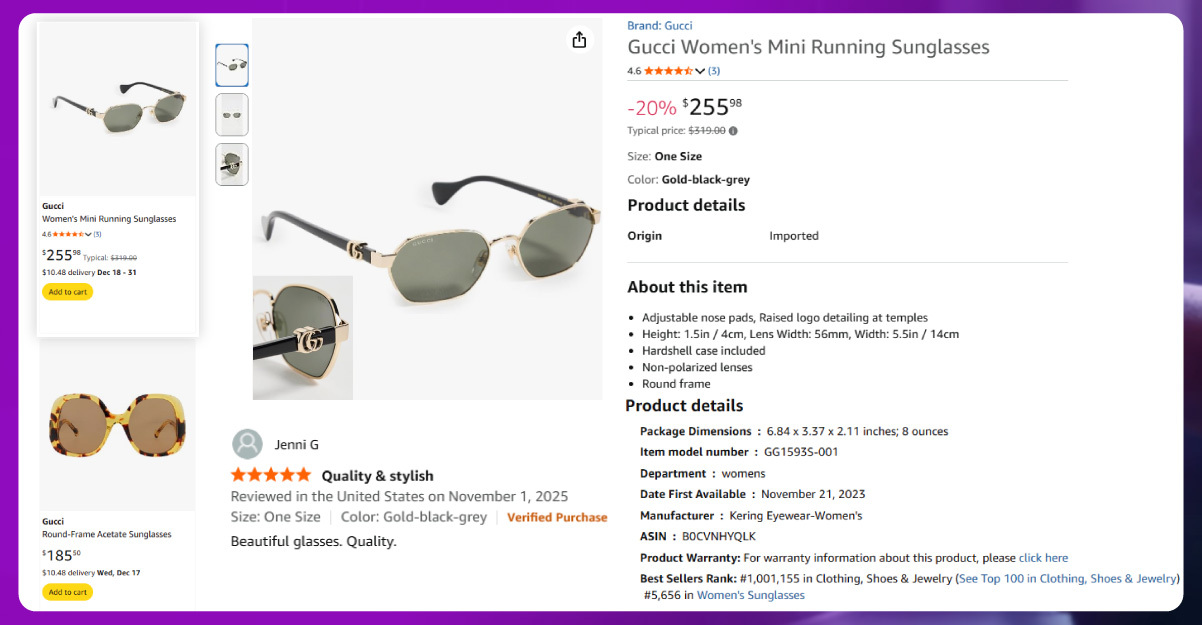
In the competitive landscape of luxury fashion, understanding consumer behavior is paramount. Online platforms now serve as critical data points for pricing strategies, product launches, and marketing campaigns. Gucci pricing analytics data collection enables brands to track product pricing patterns across various categories such as dresses, jackets, skirts, and tops. These insights help predict demand cycles and optimize inventory planning.
Moreover, Gucci product availability scraping ensures that fashion retailers and resellers have real-time information about stock levels, preventing missed opportunities during high-demand periods. For consumers, this translates to timely access to coveted items and better price transparency.
How Gucci's Online Presence Shapes Trends?
Gucci's e-commerce platforms are central to its digital strategy. From its official website to luxury e-commerce aggregators, the brand’s online presence allows analysts to monitor changing trends. By implementing luxury e-commerce scraping, it is possible to capture data such as product categories, price points, seasonal collections, and promotional campaigns.
A significant advantage of web scraping is the ability to scrape women’s designer clothing data from Gucci. By analyzing this data, brands and analysts can determine which collections gain popularity, which products are consistently in demand, and which items see frequent discounts. This helps brands refine future collections based on empirical consumer insights rather than speculation.
Pricing Patterns and Consumer Preferences
Understanding pricing strategies is critical in luxury fashion. Gucci’s products often follow tiered pricing based on materials, exclusivity, and design complexity. With Gucci Brand Competitive Benchmarking, analysts can compare Gucci’s pricing against other luxury brands like Prada, Chanel, and Louis Vuitton to understand relative market positioning.
By employing tools to extract Gucci Brand analysis data, businesses can visualize price fluctuations over time and correlate them with marketing campaigns, influencer endorsements, or fashion events. This real-time analysis aids in identifying optimal pricing strategies that balance exclusivity and profitability.
Sample Table: Gucci Women's Clothing Pricing Analysis
| Dresses |
2,500 |
7,800 |
1,200 |
150 |
Spring |
| Jackets |
3,200 |
8,500 |
1,800 |
120 |
Summer |
| Skirts |
1,900 |
4,500 |
950 |
100 |
Fall |
| Tops |
1,200 |
3,200 |
600 |
180 |
Winter |
| Outerwear |
4,500 |
10,500 |
2,200 |
90 |
All |
Tracking Product Availability
Limited stock and exclusive drops are core strategies in luxury fashion. Gucci women’s clothing price tracking enables analysts to monitor price movements and understand demand cycles. Luxury fashion product data scraping allows tracking of product availability, identifying sold-out items, or those in limited quantities. This approach provides insights into consumer demand patterns, seasonal trends, and potential opportunities for resale or restocking strategies.
By continuously monitoring inventory and pricing, businesses can optimize marketing strategies, such as highlighting high-demand items or offering personalized promotions. Additionally, tracking availability helps retailers prevent overstocking and reduce the risk of discounting luxury items, which can damage brand perception.
Advanced Techniques for Gucci Data Scraping
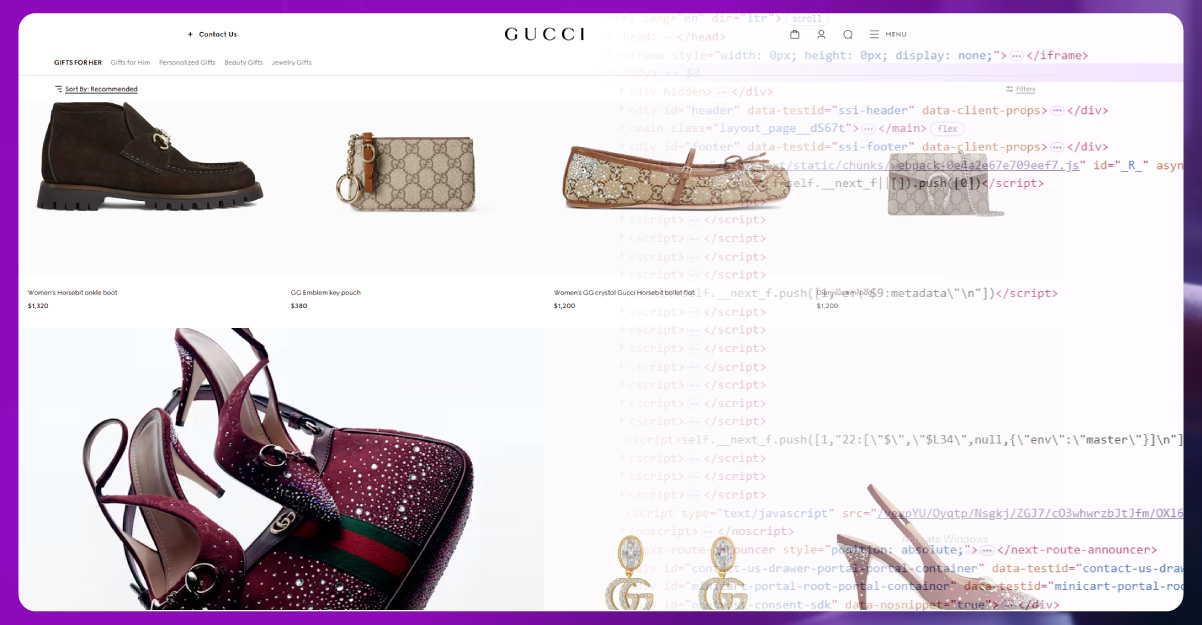
Modern scraping tools and AI-powered platforms provide efficient ways to extract structured data from Gucci’s online stores. Gucci Data Scraping Solutions encompass several techniques:
- HTML Parsing: Extracts structured data from product pages, including prices, product descriptions, and availability.
- API Integration: Where available, APIs provide direct access to real-time product data, reducing scraping errors.
- Automated Monitoring: Alerts for price changes, restocks, and new product launches ensure analysts stay updated.
- Data Normalization: Standardizes different formats to enable cross-product and cross-season comparisons.
These techniques collectively allow businesses to derive actionable insights from large volumes of Gucci fashion data efficiently.
Unlock real-time insights into Gucci’s women’s clothing trends—start leveraging data scraping to stay ahead in luxury fashion today!
Competitive Intelligence and Market Insights
Extract Gucci Brand analysis data is particularly useful for competitive intelligence. Luxury brands can benchmark their pricing, design elements, and inventory strategies against Gucci to identify gaps and opportunities. Additionally, fashion startups and e-commerce platforms can use this data to curate collections aligned with trending styles, thus improving conversion rates.
By leveraging Gucci Data Scraping Solutions, analysts can quantify the influence of Gucci’s collaborations, seasonal drops, and limited editions on market behavior. This helps predict upcoming trends and provides strategic input for merchandising decisions.
Challenges in Scraping Gucci Data
While web scraping provides invaluable insights, it comes with challenges:
- Dynamic Content: Gucci’s site often updates product displays dynamically, requiring advanced scraping techniques.
- Anti-bot Measures: Captchas and rate limiting prevent large-scale data extraction, necessitating ethical and legal approaches.
- Data Accuracy: Ensuring real-time accuracy requires frequent monitoring and validation.
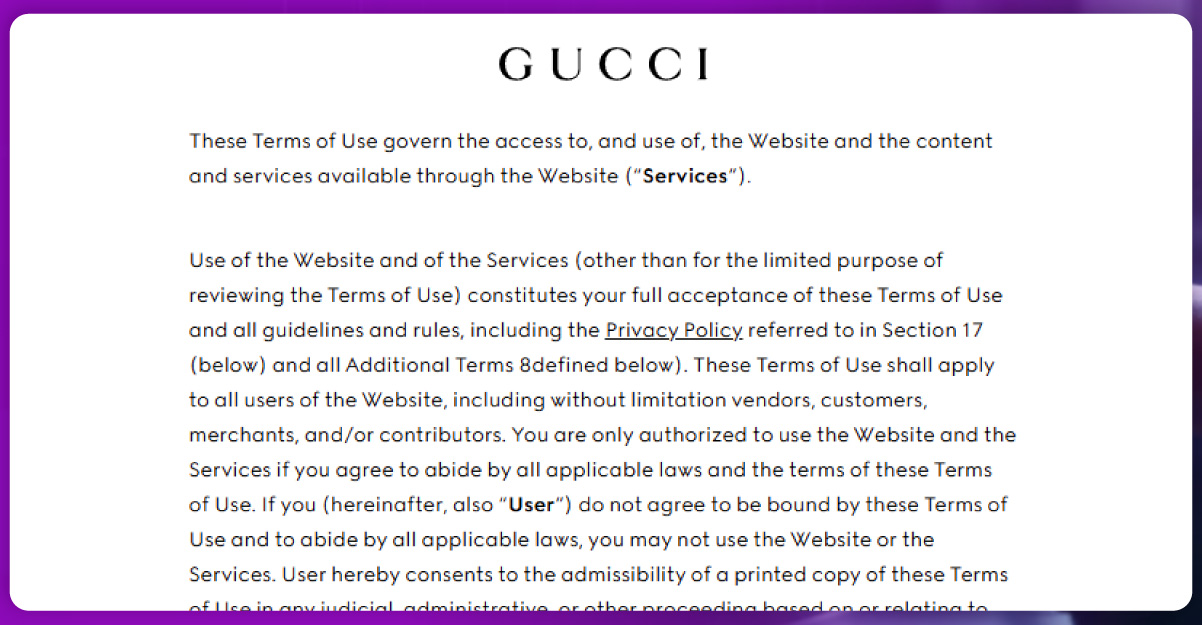
- Legal Compliance: Scraping must comply with copyright, terms of service, and data privacy regulations to avoid legal risks.
Despite these challenges, robust luxury fashion data scraping methods can successfully provide a wealth of market intelligence when executed responsibly.
Visualizing Gucci Fashion Data
The data collected from Gucci scraping can be visualized using graphs and dashboards. Trends like average price per category, frequency of restocks, and seasonality of launches are easily communicated through visual tools. For example, a bar graph plotting average vs. highest price across categories can highlight premium segments. A line graph showing monthly availability trends can indicate peak demand periods.
Sample Table: Monthly Price & Availability Tracking
| Jan |
2,450 |
120 |
3,100 |
100 |
| Feb |
2,480 |
115 |
3,250 |
105 |
| Mar |
2,500 |
130 |
3,200 |
110 |
| Apr |
2,550 |
125 |
3,300 |
115 |
| May |
2,600 |
140 |
3,400 |
120 |
How iWeb Data Scraping Can Help You?
- Real-Time Trend Monitoring – Track Gucci’s latest women’s clothing collections, seasonal launches, and emerging luxury fashion trends instantly.
- Pricing Strategy Insights – Analyze product pricing fluctuations and discount patterns to optimize revenue and maintain competitive positioning.
- Inventory & Availability Tracking – Monitor stock levels, limited editions, and sold-out items to make informed merchandising and restocking decisions.
- Competitive Benchmarking – Compare Gucci’s product offerings, prices, and collections against other luxury brands to identify market gaps and opportunities.
- Actionable Analytics – Convert raw data into structured reports and dashboards, enabling strategic planning, forecasting, and trend prediction in the luxury fashion sector.
Conclusion
Web scraping Gucci offers a significant advantage in analyzing trends within the luxury fashion industry. By observing product launches and seasonal collections, businesses gain insights into consumer preferences and emerging styles.
Luxury Fashion Product Data Scraping allows brands to monitor pricing patterns across various women’s clothing categories, helping optimize inventory management and strategic planning. Tracking product availability online ensures that businesses are aware of limited editions, restocks, and sold-out items, which supports timely marketing and sales decisions.
The use of Gucci Fashion Product Datasets provides detailed historical and real-time data for trend analysis. Integration with an E-commerce Data Scraping API enables automated data collection, while the Gucci Data Scraping API delivers structured insights to benchmark performance and forecast upcoming fashion trends efficiently.
Experience top-notch web scraping service and mobile app scraping solutions with iWeb Data Scraping. Our skilled team excels in extracting various data sets, including retail store locations and beyond. Connect with us today to learn how our customized services can address your unique project needs, delivering the highest efficiency and dependability for all your data requirements.