Introduction
The travel and tourism industry has transformed into a highly data-driven ecosystem, where traditional market analysis is no longer sufficient to remain competitive. Rapidly changing consumer preferences, fluctuating seasonal trends, and dynamic pricing structures have created a need for businesses to adopt advanced data intelligence solutions. Recognizing this shift, our company undertook an extensive research study leveraging Web Scraping Travel Industry Data for Market Insights to deliver actionable intelligence to our clients.
Our research methodology focused on multiple facets of Travel Data Scraping: Challenges, Benefits, and Use Cases, highlighting the technical complexities of extracting large-scale travel data while demonstrating the immense value it provides for strategic decision-making. We explored how businesses can analyze flight schedules, hotel availability, pricing fluctuations, and travel packages to gain a comprehensive understanding of market dynamics.
By employing state-of-the-art scraping frameworks and automation tools, we enabled clients to Extract Travel Industry Data for Competitive Intelligence, allowing them to benchmark competitors, anticipate market demand, and optimize their operational strategies. This approach ensures that businesses can respond swiftly to market changes, tailor offerings to customer preferences, and maintain a competitive edge. Ultimately, our research empowers travel companies to make informed, data-backed decisions in an increasingly volatile and dynamic industry.
Objectives of the Research
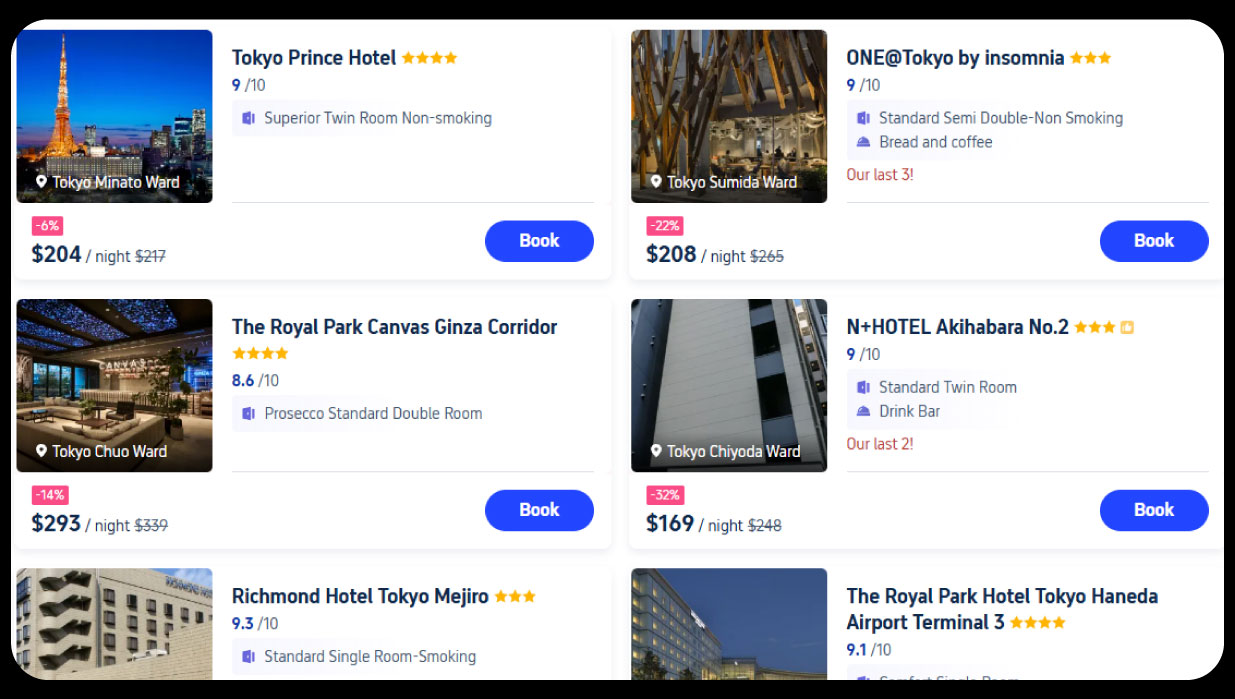
Our study was guided by specific objectives aimed at uncovering actionable insights across the travel ecosystem:
- Monitor Market Dynamics – Track real-time pricing, flight schedules, hotel rates, and package availability across multiple online travel platforms.
- Understand Consumer Preferences – Analyze booking patterns, reviews, and ratings to identify trends in traveler behavior.
- Assess Competitor Strategies – Benchmark competitor pricing, promotional offers, and seasonal adjustments.
- Forecast Demand – Use historical and real-time datasets to predict high-demand periods and customer preferences.
- Support Strategic Decision Making – Provide data-driven recommendations for pricing, promotions, and new product development.
Research Methodology
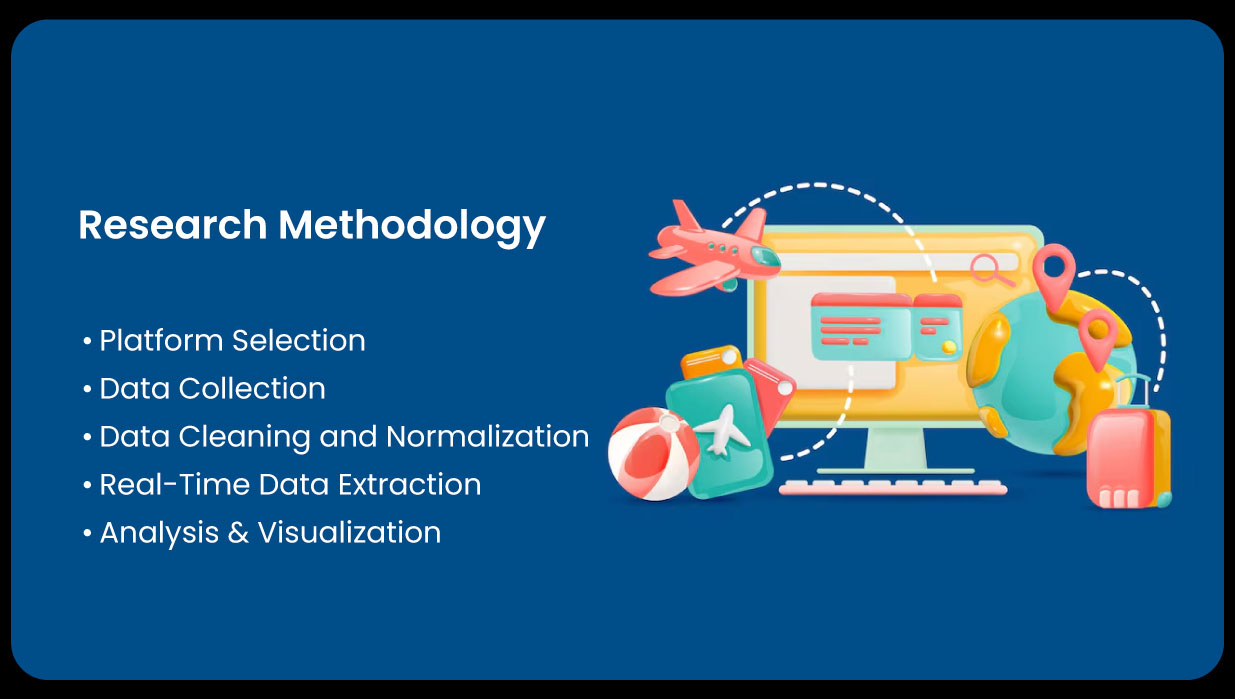
To generate accurate and actionable insights, we implemented a multi-stage methodology:
1. Platform Selection
- Online Travel Agencies (OTAs): Expedia, Booking.com, MakeMyTrip
- Airline Websites: Domestic and international carriers
- Hotel Chains: Global and regional operators
- Travel Apps: Mobile-based bookings and promotions
2. Data Collection
- Collected data included flight fares, hotel rates, room availability, customer reviews, travel package details, seasonal promotions, and special offers.
- Leveraged advanced technology to Scrape travel website data for insights.
3. Data Cleaning and Normalization
- Standardized formats for currencies, date-time fields, geographic identifiers, and room/flight categories.
- Removed duplicates and ensured data consistency.
4. Real-Time Data Extraction
- Utilized dynamic scraping frameworks and APIs to capture live changes in availability and pricing.
- Employed automated scripts to handle JavaScript-rendered content and anti-bot mechanisms.
5. Analysis & Visualization
- Applied analytics models for trend detection, demand forecasting, and price optimization.
- Generated visual reports, dashboards, and heat maps for client-friendly interpretation.
Flight Market Analysis
One of our primary areas of study was airline data. Using Scraping Travel Market Data for Flight and Hotel Insights, we analyzed trends in pricing, route popularity, and booking patterns:
| Airline A |
320 |
750 |
18% |
12% |
| Airline B |
280 |
680 |
22% |
15% |
| Airline C |
350 |
720 |
15% |
10% |
Key Insights:
- Seasonal fluctuations in pricing are significant during holidays, festivals, and international events.
- Promotions and flash sales can temporarily increase booking volumes by up to 15%.
- Data-driven route adjustments allow airlines to optimize flight schedules and reduce idle capacity.
Hotel Market Analysis
Hotels, being highly dynamic in pricing and availability, were another focus. By using Real-time Travel Pricing Data extraction, we provided insights into occupancy trends and customer preferences:
| Budget Hotels |
80 |
75 |
High demand during weekend trips |
| Mid-Tier Hotels |
150 |
80 |
Stable occupancy, influenced by seasonal events |
| Luxury Hotels |
350 |
65 |
Sensitive to high-season pricing and promotions |
Observations:
- Mid-tier hotels show high variability in occupancy, requiring dynamic pricing strategies.
- Luxury hotels rely on loyalty programs and premium promotions for revenue optimization.
- Real-time monitoring helps predict last-minute cancellations and optimize room allocations.
Travel Package & Tour Insights
We analyzed combined offerings, including flights, hotels, and activities, to identify demand trends and pricing opportunities:
| Domestic Package |
400 |
June–September |
15–30 |
10 |
| International Package |
800 |
December–March |
30–60 |
15 |
| Adventure Package |
600 |
April–June |
20–40 |
12 |
Insights:
- Early bird bookings are common for international packages, while domestic packages often see last-minute bookings.
- Combining data from multiple OTAs enables price comparisons and highlights opportunities for bundling or discount strategies.
Customer Behavior & Sentiment Analysis

Through Tourism Market insights through Data Scraping, we analyzed extensive customer feedback and booking patterns across multiple travel platforms:
- Travelers prioritize flexibility and transparency in pricing: Clear information on fares, fees, and cancellation policies significantly influences booking decisions. Services offering last-minute changes or modifications without penalties attract higher trust and engagement.
- High satisfaction correlates with smooth booking processes, clear cancellation policies, and loyalty benefits: Intuitive website and app interfaces, secure payment options, and well-structured loyalty programs encourage repeat bookings and improve customer retention.
- Regional preferences indicate a focus on value-for-money in Asia and convenience in North America: Asian travelers are highly price-conscious, seeking competitive rates and bundled deals, while North American travelers prioritize ease of booking, time efficiency, and hassle-free experiences.
This detailed analysis allows travel companies to tailor their services, optimize offerings, and implement personalized strategies, ultimately enhancing customer experience, increasing repeat bookings, and fostering long-term loyalty.
Mobile & App-Based Booking Analysis
Analyzing Travel & Tourism App Datasets revealed:
- Mobile apps account for 60% of bookings for domestic travel and 55% for international travel.
- App-exclusive promotions and flash sales can boost engagement by 20–25%.
- Understanding app user behavior aids in personalization, push notifications, and targeted promotions.
Challenges in Travel Data Scraping
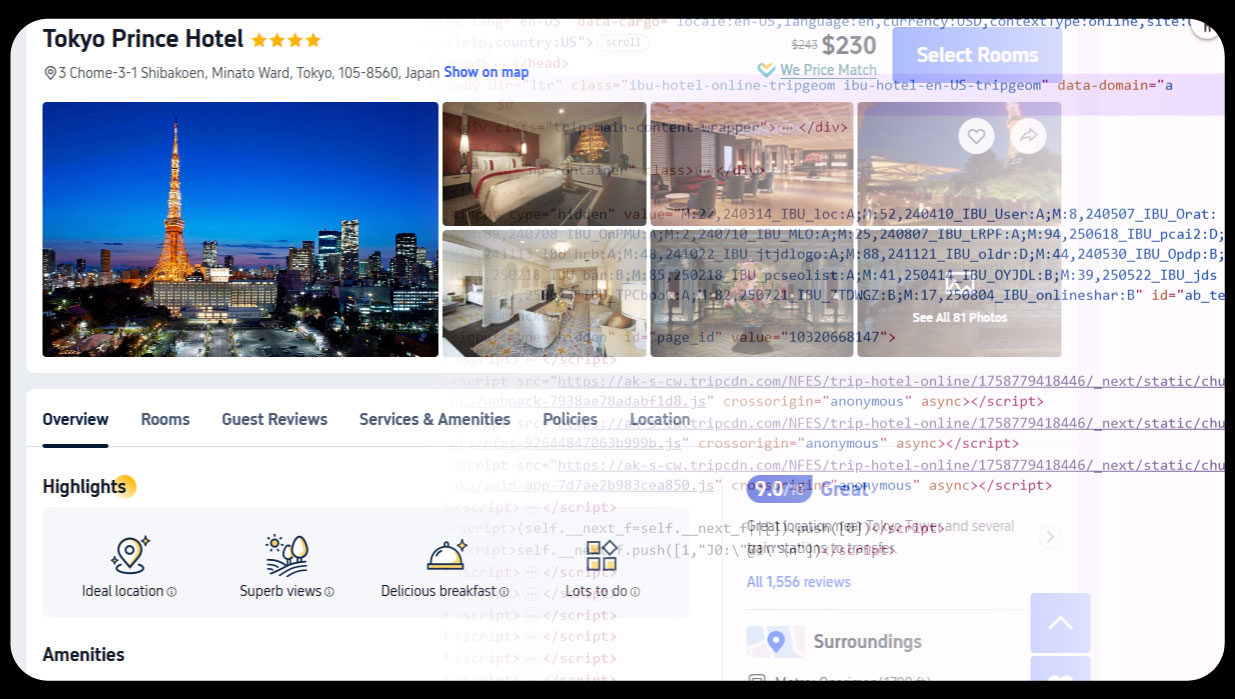
Our research also highlighted industry-specific challenges:
- Dynamic content, JavaScript rendering, and anti-bot measures.
- Rate-limiting and IP restrictions requiring rotating proxies and advanced scraping frameworks.
- Data standardization across multiple platforms with varied formats.
- Compliance with global and local data privacy laws, including GDPR.
Despite these challenges, our team ensured accurate Web Scraping Dynamic travel data for analytics, delivering reliable and actionable datasets.
Competitive Intelligence & Benchmarking
Through Extract Travel Industry Data for Competitive Intelligence, our research enabled:
- Identification of underserved routes and markets.
- Benchmarking competitor pricing and promotions for strategic advantage.
- Understanding seasonal demand fluctuations to optimize product offerings.
Applications of Travel Data Insights
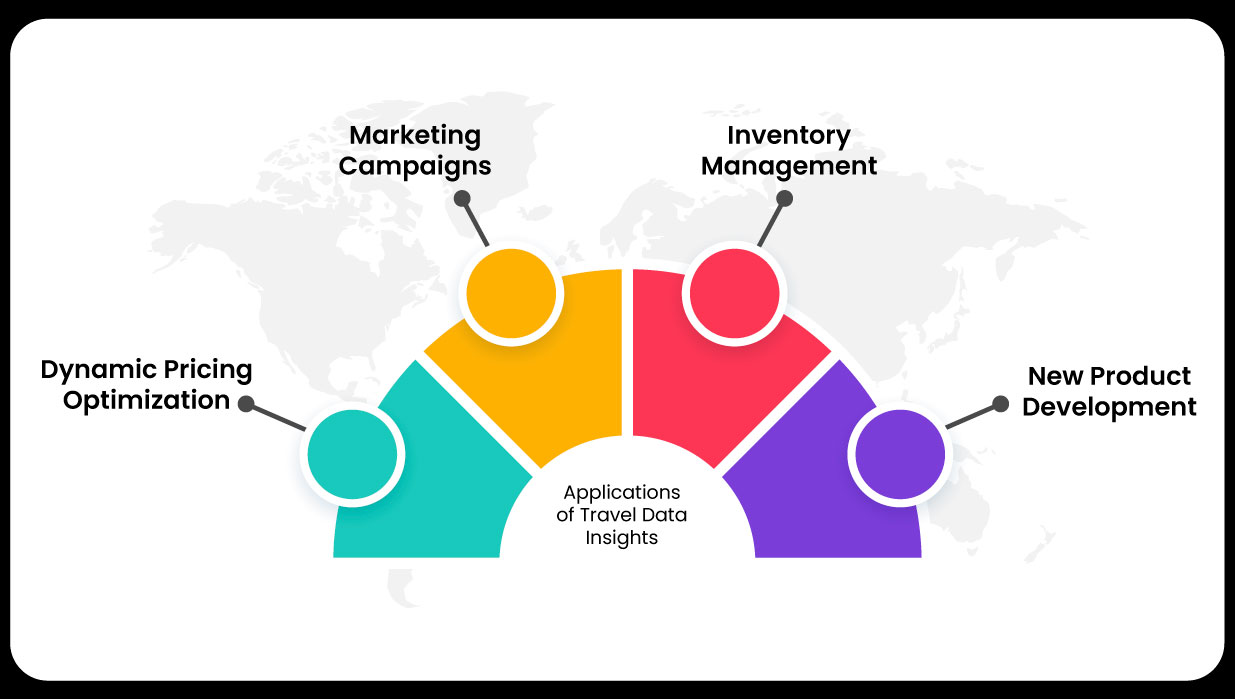
Our datasets deliver highly actionable insights and practical applications for travel businesses:
- Dynamic Pricing Optimization: By continuously monitoring competitor fares, seasonal trends, and real-time demand fluctuations, travel companies can adjust flight and hotel rates dynamically. This ensures competitive pricing, maximizes revenue during peak seasons, and prevents revenue loss during low-demand periods.
- Marketing Campaigns: Analyzing booking patterns, customer preferences, and regional trends allows businesses to design targeted marketing campaigns. Personalized promotions, discounts, and loyalty incentives can be strategically offered to specific traveler segments, increasing conversion rates and customer engagement.
- Inventory Management: With comprehensive data on room availability, flight seat occupancy, and package bookings, travel operators can efficiently allocate resources. Real-time insights help prevent overbooking, reduce idle inventory, and optimize operational planning for hotels, airlines, and tour operators.
- New Product Development: By tracking emerging trends in traveler behavior, popular destinations, and package preferences, businesses can develop customized travel products. Bundled packages, seasonal offerings, and innovative experiences can be designed to align with current market demands, enhancing customer satisfaction and competitive advantage.
Conclusion
Our extensive research demonstrates the value of Travel Intelligence Services for developing effective travel strategies. By leveraging Travel Data Scraping Services, businesses can collect actionable insights from online travel platforms. These services enable companies to optimize pricing, analyze booking trends, and identify emerging customer preferences. Businesses can now:
- Monitor real-time pricing and availability.
- Forecast demand and optimize inventory.
- Understand traveler behavior for personalized services.
- Gain a competitive edge through actionable intelligence.
By leveraging Web Scraping Travel Industry Data for Market Insights, our company enables clients to transform raw travel data into strategic decisions that drive growth and profitability.
Experience top-notch web scraping service
and mobile app scraping solutions with iWeb Data Scraping. Our skilled team excels in extracting various data sets, including retail store locations and beyond. Connect with us today to learn how our customized services can address your unique project needs, delivering the highest efficiency and dependability for all your data requirements.