How Does the Wine & Beer Product Dataset from Wine.com & Total Wine Enhance SKU-Level Intelligence?

Wine & Beer Product Dataset from Wine.com & Total Wine

Introduction

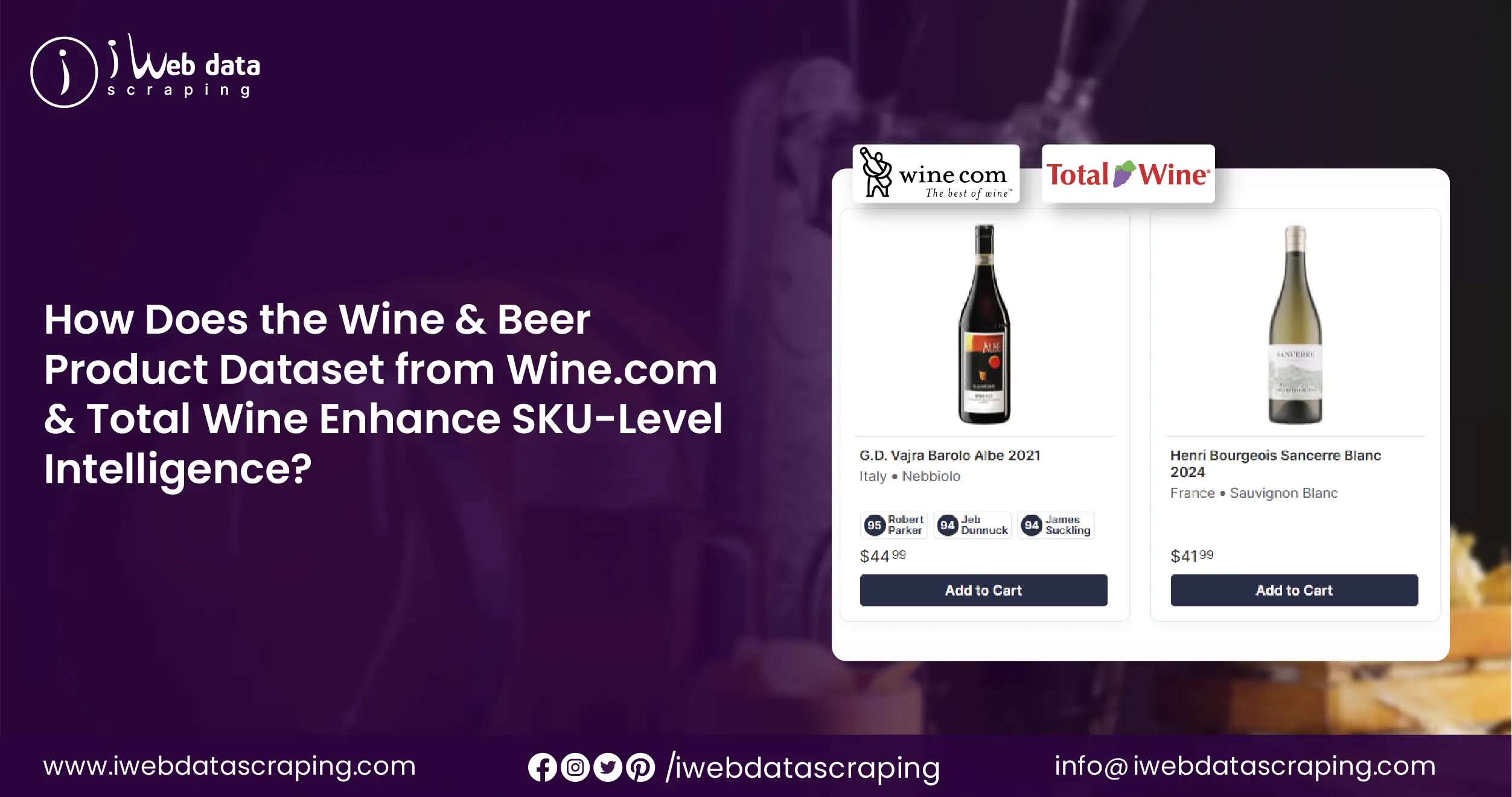
The online alcohol marketplace has experienced rapid digital growth as consumers increasingly purchase beverages through e-commerce platforms. This shift has intensified the need for structured datasets that provide deep, SKU-level visibility for brands, distributors, retailers, and analytics firms. A comprehensive Wine & Beer Product Dataset from Wine.com & Total Wine delivers detailed product intelligence across two major alcohol retail ecosystems, helping businesses track assortment breadth, pricing strategies, and brand positioning effectively.

By implementing Wine & Beer SKU Data Extraction Wine.com & Total Wine, organizations can capture structured attributes such as product IDs, varietals, brand names, bottle sizes, alcohol percentage (ABV), customer ratings, reviews, and dynamic pricing tiers. This enables accurate competitor benchmarking and demand forecasting. Furthermore, the ability to Scrape Wine & Beer Data from Wine.com & Total Wine supports continuous monitoring of regional availability, promotional campaigns, limited-edition launches, and seasonal discounts, empowering stakeholders with actionable insights for pricing optimization and portfolio expansion strategies.

Overview of Leading Alcohol Retail Platforms

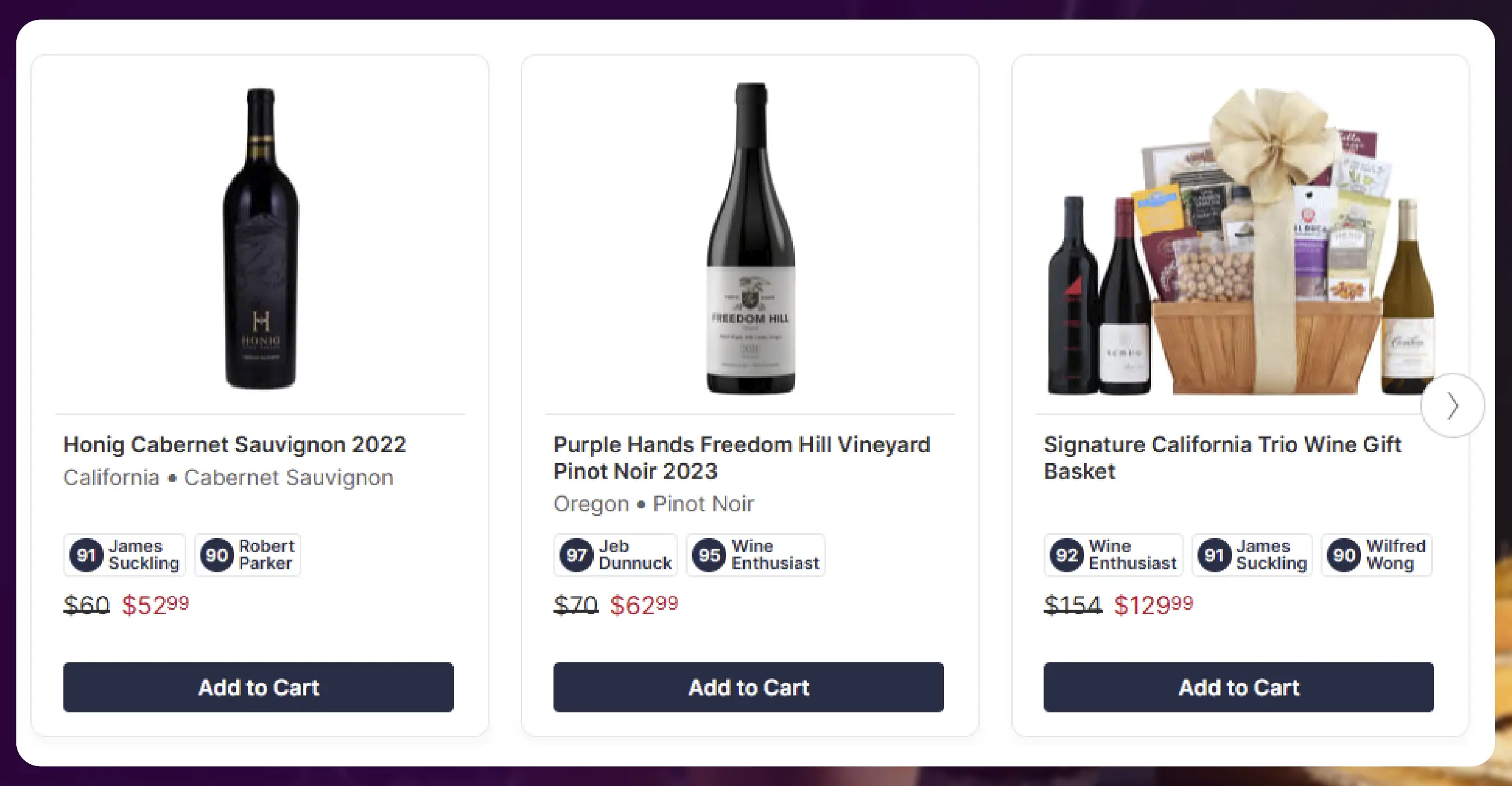
Wine.com is a major online wine retailer offering domestic and international selections, expert reviews, subscription services, and curated collections. Its platform is rich in structured product information, making it ideal for premium wine analytics, price benchmarking, and rating-based performance tracking.

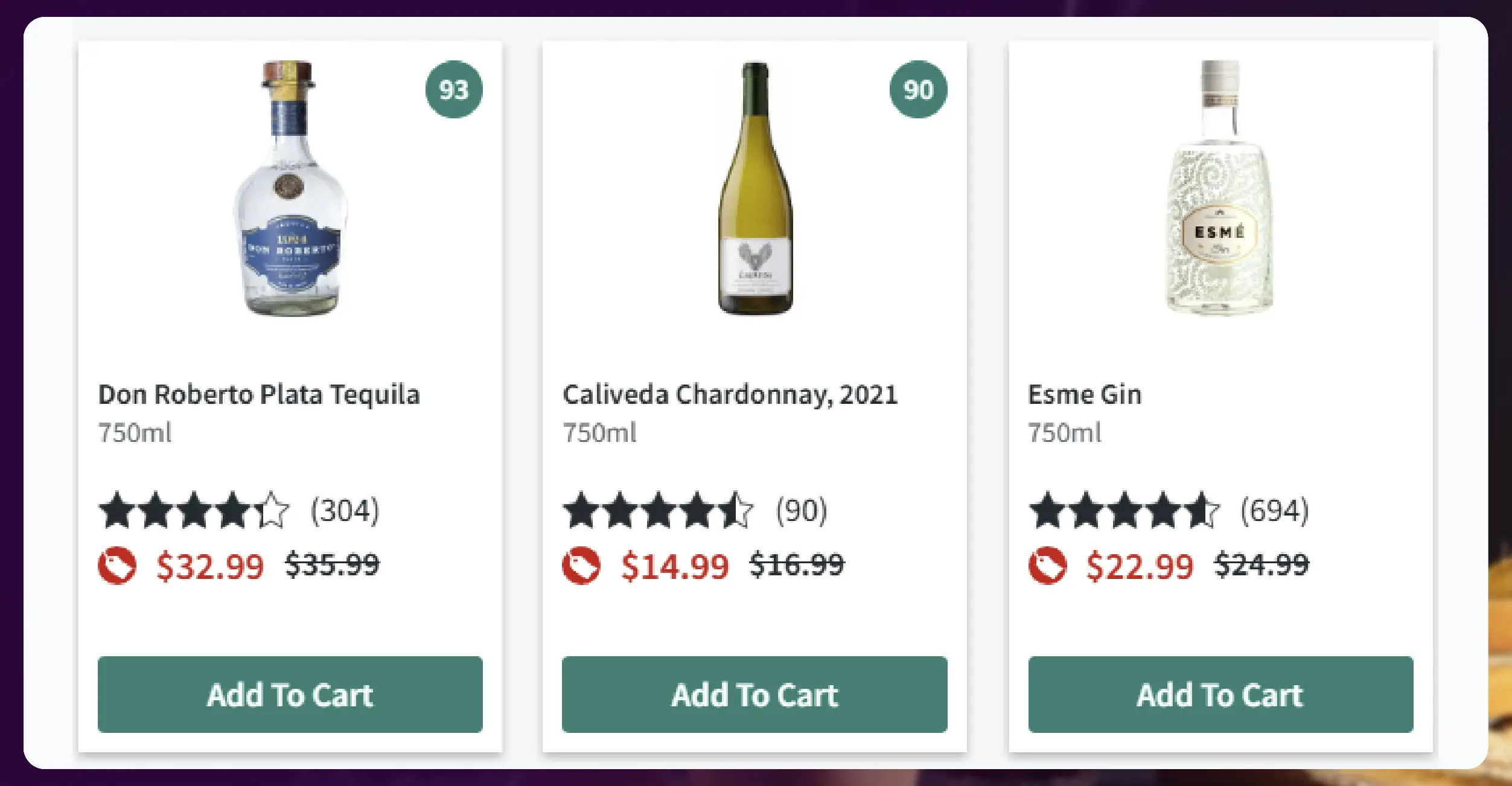
Total Wine & More operates both physical stores and an extensive online marketplace featuring wine, beer, and spirits. Pricing often varies by state and store location due to regulatory requirements, creating opportunities for geo-level price intelligence and competitive comparison.

Core Components of the Wine & Beer Dataset

Core Components of the Wine & Beer Dataset

Structured alcohol datasets typically include both static and dynamic attributes. Static attributes define product identity and classification, including winery or brewery name, country of origin, region, grape varietal or beer style, bottle size, and ABV. Dynamic attributes include current retail price, promotional discounts, member pricing, stock availability, delivery eligibility, and store-specific listings.

Using method to Scrape Wine & Beer Product Info from Total Wine, organizations can gather comprehensive SKU-level data that supports accurate product catalog tracking. Similarly, Web Scraping Wine & Beer Product Info from Total Wine allows automated extraction at scale, ensuring data remains updated despite frequent listing changes.

On the other hand, businesses that Scrape Wine & Beer Products from Wine.com gain access to curated ratings, customer reviews, expert scores, and premium assortment segmentation. When extended internationally, the Wine.com Australia Liquor Dataset enables cross-regional comparison of pricing structures, imported label distribution, and global assortment diversity.

Pricing Intelligence & Competitive Benchmarking

Pricing Intelligence & Competitive Benchmarking

Alcohol pricing is highly dynamic, influenced by seasonality, distributor agreements, demand spikes, and regulatory conditions. Structured datasets allow companies to monitor competitor pricing strategies in real time. By leveraging Scrape TotalWine Product Data, retailers can evaluate store-level price variations, identify discount cycles, and optimize promotional timing.

The resulting Total Wine Liquor Datasets provide insights into how wine and beer pricing differs across regions and store clusters. Meanwhile, Scrape Wine.com Product Data to compare premium wine positioning and price elasticity trends, helping businesses understand how ratings and brand reputation impact pricing tiers.

Advanced analytics built on Alcohol Price Data Scraping Services can detect price fluctuations multiple times per day, offering strategic advantage during high-demand seasons such as holidays or event-driven sales spikes.

Transform your beverage strategy with real-time Wine & Beer SKU data extraction.

Assortment Analysis & Market Trend Identification

Beyond pricing, SKU-level extraction enables detailed assortment intelligence. Retailers and distributors can analyze the balance between domestic and imported wines, identify fast-growing varietals, and track the expansion of craft beer categories.

Comprehensive Liquor and Alcohol Price Datasets reveal category-level distribution across price bands, allowing businesses to evaluate premiumization trends and value-segment penetration. Through structured extraction, stakeholders can measure portfolio depth, identify white-space opportunities, and forecast demand based on historical availability patterns.

Technical Framework for Wine & Beer Data Extraction

Developing a robust alcohol product dataset requires automated crawling systems, structured parsing logic, normalization processes, and validation mechanisms. Modern extraction frameworks operate through scalable pipelines capable of handling thousands of SKUs while maintaining high data accuracy.

The need to Scrape TotalWine Product Data is often required because alcohol pricing can differ significantly by state or store location. Normalization ensures consistent naming conventions across platforms, while deduplication processes prevent overlapping entries. Timestamping enables time-series analysis, supporting historical price tracking and trend forecasting.

Professional Alcohol Price Data Scraping Services typically integrate data storage solutions that feed directly into analytics dashboards, ERP systems, or pricing engines.

Analytics Applications & Business Impact

Once structured, wine and beer datasets can power a wide range of business applications. Revenue management teams use the data for dynamic pricing adjustments. Brands monitor online visibility and promotional frequency. Distributors assess regional penetration and retail partner competitiveness. Market intelligence teams apply machine learning models to forecast seasonal spikes or identify emerging varietal trends.

Ratings and review metadata further support sentiment analysis, allowing companies to evaluate how consumer feedback correlates with pricing and sales velocity. SKU-level monitoring also enables real-time alerts for competitor price drops or new product launches.

How iWeb Data Scraping Can Help You?

1. Real-Time SKU-Level Market Intelligence

Our data scraping services deliver structured Wine & Beer SKU data including pricing, ratings, ABV, bottle sizes, and product availability across major retail platforms.

2. Competitive Price & Promotion Monitoring

We continuously track competitor pricing tiers, discounts, bundle offers, and seasonal promotions to help you adjust strategies with precision.

3. Assortment & Inventory Benchmarking

Our extraction solutions enable you to compare product portfolios, identify assortment gaps, and monitor regional availability trends in real time.

4. Advanced Analytics & Demand Forecasting

We provide clean, analysis-ready datasets that support demand prediction, price optimization models, and data-driven category planning.

5. Custom API & Automated Data Delivery

Our scalable scraping infrastructure offers automated feeds, custom APIs, and scheduled updates tailored to your business intelligence and reporting requirements.

Conclusion

In a rapidly evolving digital alcohol marketplace, structured datasets are essential for informed decision-making. By implementing Web Scraping Liquor Data, businesses transform large online product catalogs into actionable intelligence for pricing optimization and competitive benchmarking. Scalable Web Scraping API Services ensure automated, consistent, and high-frequency data updates across platforms. When integrated with advanced Price Tracking Services, organizations gain continuous visibility into price fluctuations, assortment changes, and promotional strategies.

Comprehensive wine and beer product datasets derived from leading e-commerce platforms provide the analytical foundation required to sustain growth, improve margins, and maintain competitive advantage in an increasingly data-driven beverage industry.

Experience top-notch web scraping service and mobile app scraping solutions with iWeb Data Scraping. Our skilled team excels in extracting various data sets, including retail store locations and beyond. Connect with us today to learn how our customized services can address your unique project needs, delivering the highest efficiency and dependability for all your data requirements.

Let’s Discuss Your Project

FAQ's

What type of data is included in Wine & Beer datasets from Wine.com and Total Wine?

These datasets typically include SKU-level attributes such as product name, brand, winery/brewery, varietal or beer style, region, country of origin, bottle size, ABV, ratings, reviews, current price, promotional discounts, stock availability, and store-level listings. Both Wine.com and Total Wine & More provide rich structured product information that supports competitive benchmarking and assortment analysis.

How frequently can pricing and availability data be updated?

Using automated extraction systems, pricing and availability data can be updated daily or even multiple times per day. This enables real-time monitoring of seasonal promotions, limited releases, regional price variations, and inventory changes across different store locations.

How can businesses use Wine & Beer SKU datasets for competitive intelligence?

Businesses can analyze competitor pricing tiers, identify discount cycles, compare premium vs. value positioning, track assortment breadth, and measure brand visibility. SKU-level intelligence helps optimize pricing strategies, improve portfolio planning, and forecast demand trends accurately.

Is geo-level pricing data available for Total Wine listings?

Yes. Since pricing on Total Wine often varies by state and store location due to regulatory factors, geo-specific datasets can capture store-level price differences, availability status, and delivery eligibility, enabling detailed regional price benchmarking.

What business functions benefit most from structured alcohol product datasets?

Revenue management teams use the data for dynamic pricing optimization, marketing teams track promotions and brand positioning, distributors monitor regional penetration, and analytics teams apply forecasting models. Structured datasets also support sentiment analysis using ratings and reviews to understand consumer preferences and demand behavior.