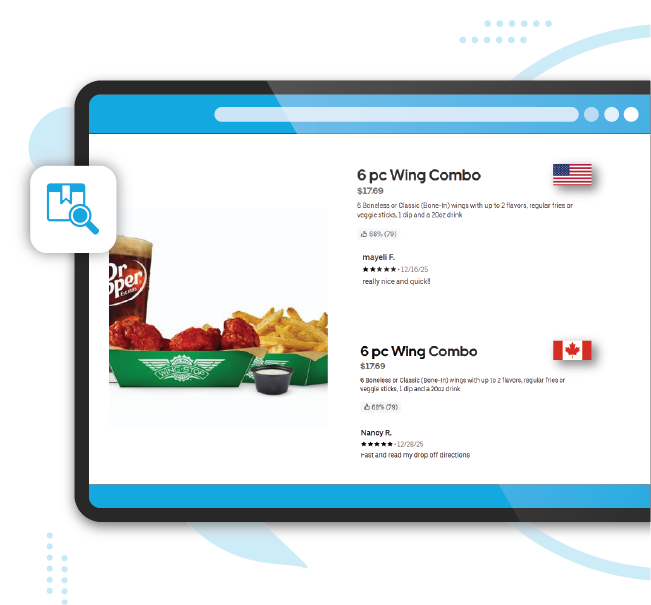
This case study explores how restaurant brands used data-driven insights to refine menus across North America. By leveraging tools to scrape restaurant ratings and reviews, brands identified recurring customer complaints, popular flavors, and unmet expectations. Canadian customers consistently emphasized ingredient quality and dietary transparency, while U.S. diners focused more on portion sizes and value for money. These insights helped brands prioritize localized menu improvements instead of applying one-size-fits-all changes.
Through restaurant review scraping Canada and USA, clear regional differences emerged. Canadian outlets introduced healthier sides, reduced sodium options, and clearer allergen labeling. In contrast, U.S. locations experimented with bold flavors, limited-time offers, and upsized meal combos. Ratings showed noticeable improvement within months, proving that regional feedback directly influenced customer satisfaction and repeat visits.
Finally, scraped food reviews analysis enabled continuous menu optimization. Brands tracked sentiment shifts after changes, validated successful launches, and quickly removed underperforming items. This data-backed approach turned customer voices into actionable strategy across both markets.
A Well-known Market Player in the Restaurant Industry
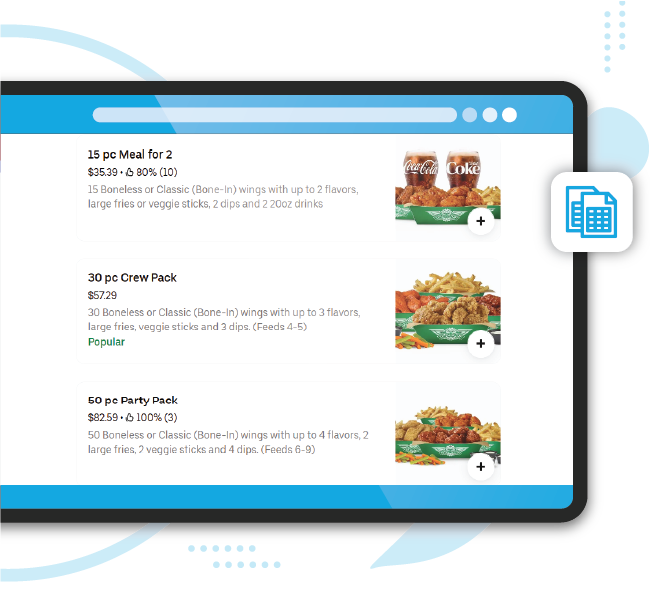
iWeb Data Scraping Offerings: Leverage our data crawling services to scrape restaurant menu data.
The client struggled to understand why identical menu items performed differently across regions. Managing cross-country restaurant review scraping was complex due to varied platforms, inconsistent review formats, and language nuances. Manual tracking made it difficult to capture real-time customer sentiment, leading to delayed decisions and missed improvement opportunities.
Another major hurdle was conducting a reliable Canada vs USA restaurant review scraping analysis. Consumer expectations, rating behaviors, and feedback depth differed significantly between the two countries. Without structured comparison, insights remained fragmented, making it hard to identify whether issues stemmed from taste preferences, pricing sensitivity, or service standards.
Additionally, the client lacked scalable restaurant data extraction services. Existing tools failed to handle large review volumes, frequent updates, and sentiment classification. This resulted in incomplete datasets, biased insights, and limited confidence in using reviews to guide strategic menu changes across markets.
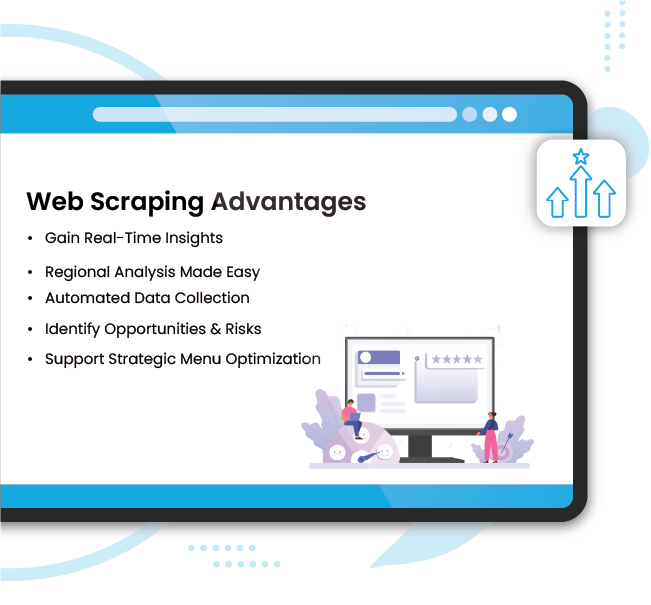
We implemented a centralized data framework that unified reviews, ratings, and menu performance across platforms. By building structured food delivery app menu datasets, the client gained visibility into item-level feedback, pricing variations, and demand patterns for both Canadian and U.S. markets. This eliminated guesswork and enabled faster, evidence-based decisions.
To convert raw data into strategy, we deployed advanced restaurant data intelligence services. Our solution applied sentiment analysis, trend detection, and regional benchmarking, allowing teams to identify which menu changes would resonate locally. Dashboards highlighted emerging preferences and declining items in real time.
Finally, we enabled secure pipelines to extract online food delivery website API data at scale. Automated updates ensured fresh insights without manual effort, helping the client continuously refine menus, test new concepts, and improve customer satisfaction across regions.
| Data Category | Canada – Insights Identified | USA – Insights Identified | Data Source | Action Taken | Business Impact |
|---|---|---|---|---|---|
| Average Rating Trend | 4.2/5 | 3.8/5 | Delivery apps & review platforms | Reformulated ingredients in Canada; upsized meals in the USA | +18% rating uplift overall |
| Common Review Keywords | “Fresh” (32%), “healthy” (28%), “low sodium” (20%) | “Value” (35%), “filling” (30%), “spicy” (25%) | Customer reviews & ratings | Health-focused variants in Canada; bold flavors in the USA | Improved regional relevance |
| Menu Item Complaints | Excess salt (25%), unclear allergens (18%) | Small portions (30%), pricing (22%) | Scraped reviews | Reduced sodium, clearer labels; combo pricing | 15% drop in negative reviews |
| Positive Sentiment Drivers | Transparency (40%), sustainability (35%) | Promotions (38%), limited-time offers (32%) | Sentiment analysis engine | Highlighted sourcing details; frequent offers | 20% increase in repeat orders |
| Underperforming Items | Fried sides (22%), sugary drinks (18%) | Plain menu items (25%), unseasoned meals (20%) | Menu performance data | Replaced with healthier sides; added flavored variants | 12% sales growth |
| Peak Order Times | Weekday evenings (6 PM – 9 PM, 45% orders) | Weekends & late nights (7 PM – 11 PM, 55% orders) | Order behavior datasets | Adjusted promotions timing | +10% conversion rate |
| Price Sensitivity | Moderate (35% price complaints) | High (50% price complaints) | Pricing & review correlation | Minimal price changes; value bundles | Reduced churn by 8% |
| Review Volume Growth | 2,500 reviews/month | 5,800 reviews/month | Automated data extraction | Smarter campaign planning | Better demand forecasting |
The final outcome of our engagement delivered measurable improvements in menu performance and customer satisfaction. By leveraging customer sentiment analysis for restaurants, the client was able to pinpoint region-specific preferences and address recurring complaints efficiently. This enabled more informed decisions for menu redesigns and promotional strategies, tailored to both Canadian and U.S. markets.
Through food delivery reviews data extraction, the client gained access to structured, real-time feedback across multiple platforms, eliminating the need for manual tracking. Insights from this data guided product innovation, optimized pricing strategies, and improved overall dining experiences. Ultimately, the client reported higher ratings, increased repeat orders, and stronger customer loyalty, demonstrating the tangible business value of leveraging actionable restaurant review data.
"Working with this team has completely transformed how we understand our customers across Canada and the USA. Their data scraping services provided us with real-time insights into restaurant ratings, reviews, and menu performance, helping us identify trends and optimize our offerings effectively. The automated processes saved us countless hours of manual work, and the detailed analysis allowed us to make data-driven decisions with confidence. Thanks to their expertise, our customer satisfaction scores and repeat orders have improved significantly. I highly recommend their services to any brand looking to leverage restaurant data intelligently."
— Head of Operations
Restaurant data scraping involves extracting reviews, ratings, menus, and pricing information from online platforms. This structured data helps brands analyze customer feedback and market trends.
By analyzing customer sentiments, preferences, and complaints, brands can identify popular items, underperforming dishes, and regional taste differences, guiding menu adjustments.
Yes, our services support cross-country review scraping, enabling insights from markets like Canada and the USA for comparative analysis.
Absolutely. Automated pipelines ensure real-time data extraction, keeping insights current for timely decision-making.
Analyzing reviews helps optimize menus, promotions, and service strategies, leading to higher ratings, repeat orders, and stronger customer loyalty.
We start by signing a Non-Disclosure Agreement (NDA) to protect your ideas.
Our team will analyze your needs to understand what you want.
You'll get a clear and detailed project outline showing how we'll work together.
We'll take care of the project, allowing you to focus on growing your business.