
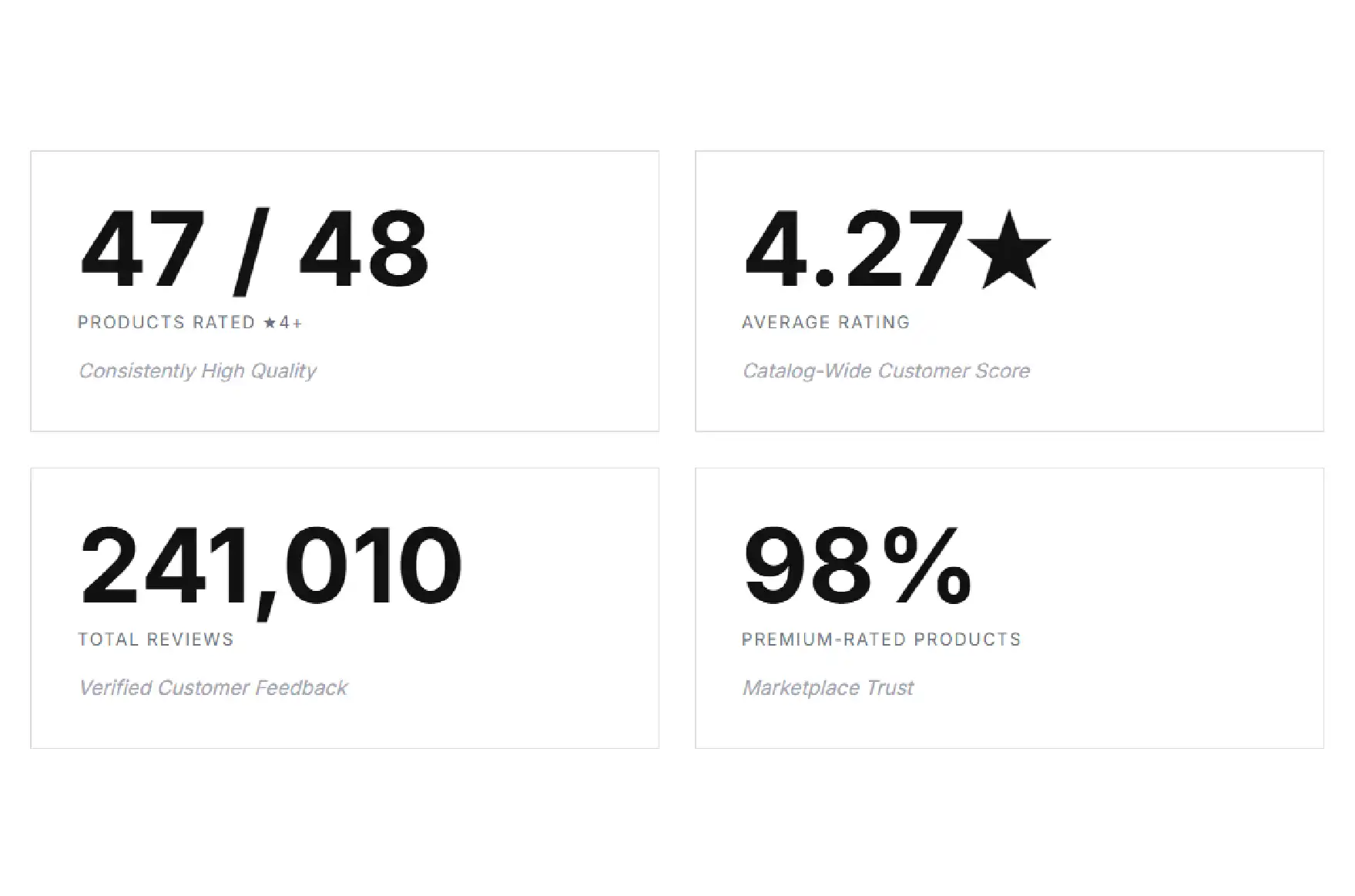
48
PRODUCTS LISTED

See how Amazon beverage price monitoring decoded Liquid Death’s premium pricing, bundles, and brand-moat strategy across 241K reviews.
Liquid Death is killing it on Amazon — not by selling hydration, but by selling a brand. Across 48 products at a $16.03 average price, the canned-water company has amassed 241,010 reviews at a 4.27 rating, proving its value to customers despite deliberately premium pricing. This case study shows how Amazon beverage price monitoring reconstructs that entire pricing strategy from public marketplace data alone. Using iWeb Data Scraping’s pipeline, we captured Liquid Death’s Amazon catalog, single-versus-bundle pricing, category review concentration, and ratings, then converted it into competitor intelligence any beverage or CPG brand can act on. The pattern is clear: zero price war, high unit pricing, and a brand moat strong enough that shoppers pay $6 for a single can.
Public posts tell you that Liquid Death wins — rarely how in a way you can act on. How do singles priced at $5–$6 sit against bundles from $27 to $58? Which categories concentrate the reviews? How consistent are ratings at premium price points? On Amazon, tracking this by hand means fighting anti-bot defenses, prices and stock that change by the minute, pack-size variants that fragment listings, and review counts that move daily. Reliable Amazon beverage price monitoring is the only way to see the full pricing shelf at once.
| Factor | DIY Scraping | iWeb Data Scraping |
|---|---|---|
| Price freshness | Manual, quickly outdated | Scheduled refresh, near real-time |
| Scale & coverage | A few ASINs at a time | Full catalog + pack variants |
| Anti-bot & blocks | Breaks on CAPTCHAs / IP bans | Managed proxy & bypass infra |
| Variant handling | Pack-size rows get messy | Normalized parent-child SKUs |
| Cleaning & structure | Messy raw HTML | Normalized, validated tables |
| Time to insight | Days to weeks | Analysis-ready on delivery |
Founded by Mike Cessario, Liquid Death turned canned mountain water into a cultural phenomenon — heavy-metal branding wrapped around a simple product, sold at a confident premium. On Amazon, that shows up as 48 products at a $16.03 average price, a 4.27 average rating across 241,010 reviews, and only 8 sellers controlling the listings. The brand doesn’t discount its way to relevance; it prices with intent and lets its identity carry the value. A 4.27 rating across 241k reviews means Liquid Death has proved its worth to customers, premium price tag and all.
Source mapping — Liquid Death’s Amazon storefront, individual ASIN pages, pack-size variants, review sections, and category listings.
Structured extraction — ASINs, titles, categories, single and bundle prices, star ratings, and review counts captured into normalized tables for Amazon beverage price monitoring.
Enrichment & sentiment — reviews tagged by theme (taste, value, brand) via review sentiment analysis.
Delivery — clean CSV, JSON, or an Amazon data scraping API, run as a price monitoring / data-as-a-service pipeline that refreshes on schedule.
Quality validates the premium. 47 of 48 products hold a 4- or 5-star rating, and the catalog-wide 4.27 average across 241,010 reviews shows customers keep coming back despite the price. For a competitor, this is the hardest thing to replicate: a premium brand that shoppers rate highly at volume, not just in a handful of hero listings.
Takeaway: Ratings that hold at premium prices signal a real moat. Track a rival’s star distribution against their price band to see whether loyalty is genuine or discount-driven.
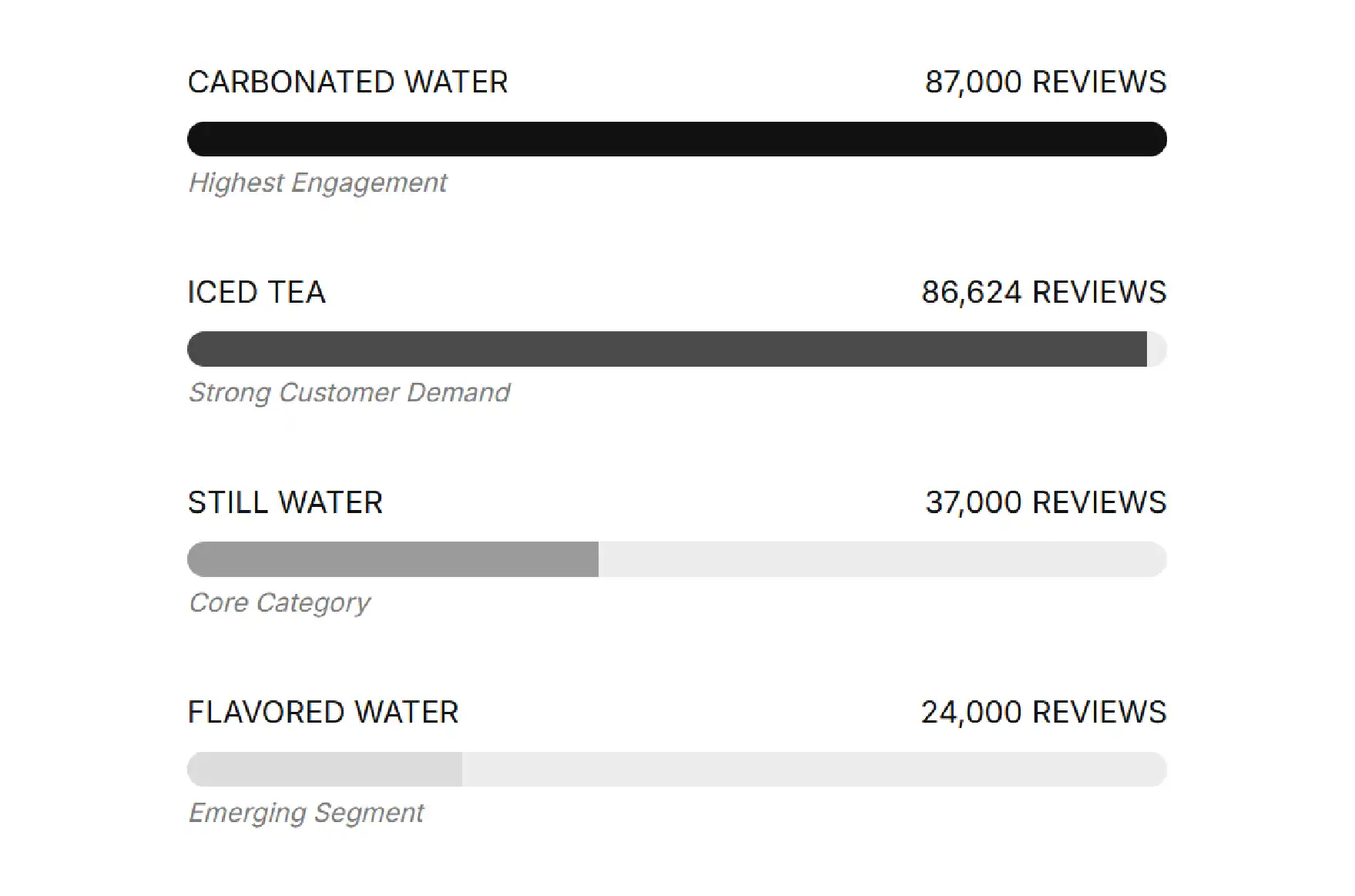
Demand concentrates around the flagship. The Water category alone drives 148,720 reviews, with Iced Tea adding 86,624 more. Within water, carbonated formats pull the most traction, followed by still and flavored. This reveals exactly which categories anchor the brand — and where a challenger would have to fight hardest.
Review Concentration by Category
| Category | Total Reviews |
|---|---|
| Carbonated Water | 87,000 |
| Iced Tea | 86,624 |
| Still Water | 37,000 |
| Flavored Water | 24,000 |
See this in your own category → iWeb Data Scraping can map a competitor’s full Amazon catalog, pricing ladder, and category review concentration into one dashboard. Email info@iwebdatascraping.com to scope your dataset.
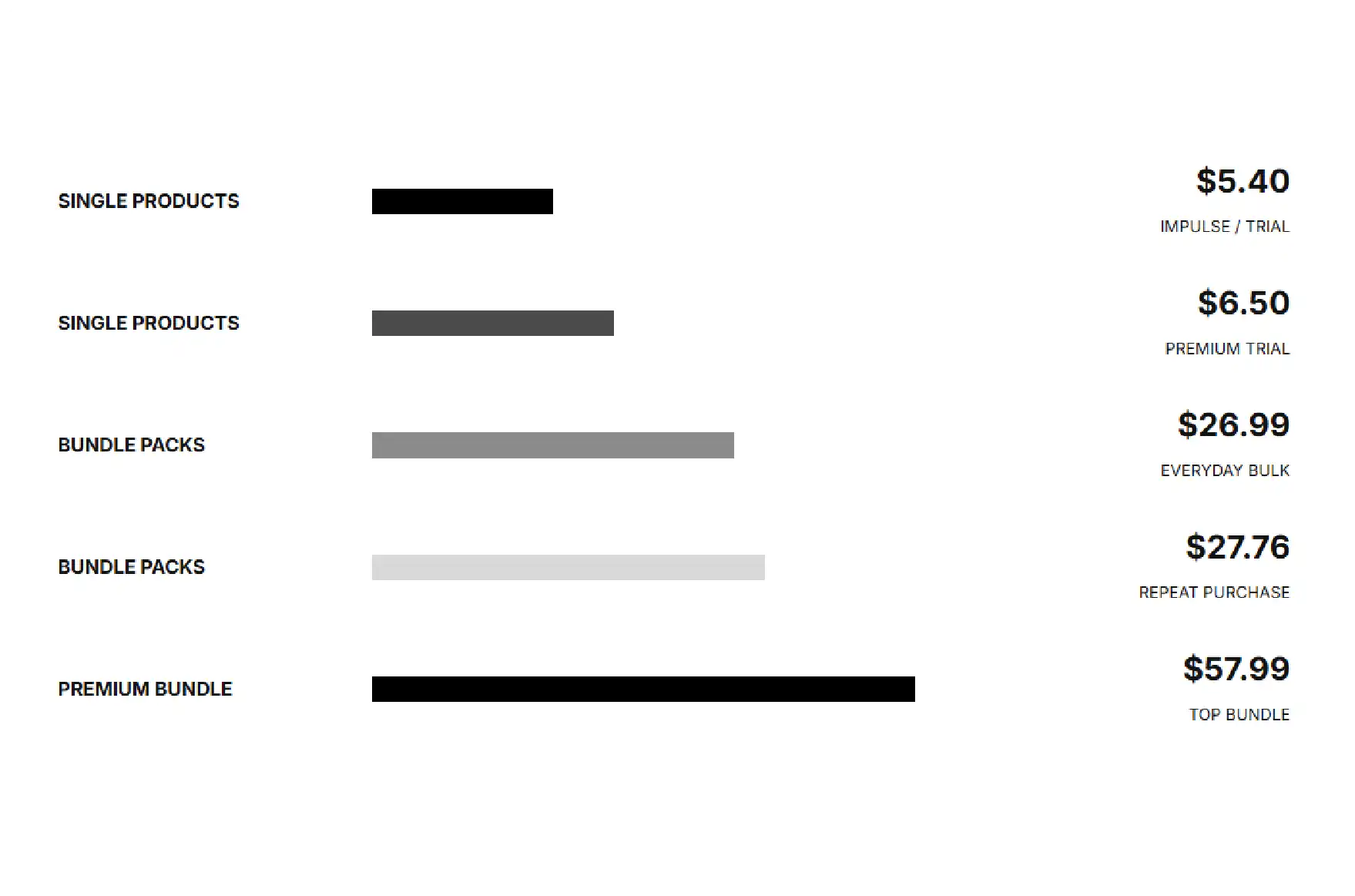
Liquid Death’s pricing is a two-way squeeze. High-volume bundles anchor the premium end — an 18-pack of sparkling water at $57.99, an 8-pack of still mountain water at $27.76, and a grapefruit sparkling 8-pack at $26.99. Yet even the "cheapest" singles aren’t cheap: a Green Tea Iced Guillotine runs $5.40 and a Severed Lime Sparkling $6.50, often more per unit than the bulk water. High singles plus higher bundles is how the brand protects margin at both ends.
Value Ladder Extract
| Tier | Product | Price | Role |
|---|---|---|---|
| Single | Green Tea Iced Guillotine | $5.40 | Impulse / trial |
| Single | Severed Lime Sparkling | $6.50 | Impulse / trial |
| Bundle | Grapefruit Sparkling 8-Pack | $26.99 | Everyday bulk |
| Bundle | Still Mountain 8-Pack | $27.76 | Everyday bulk |
| Premium | Sparkling Water 18-Pack | $57.99 | Top bundle |
Competitive reality: Your rivals are already reading this shelf. Every week without current Amazon pricing, pack, and review data is a week of decisions made on guesswork.
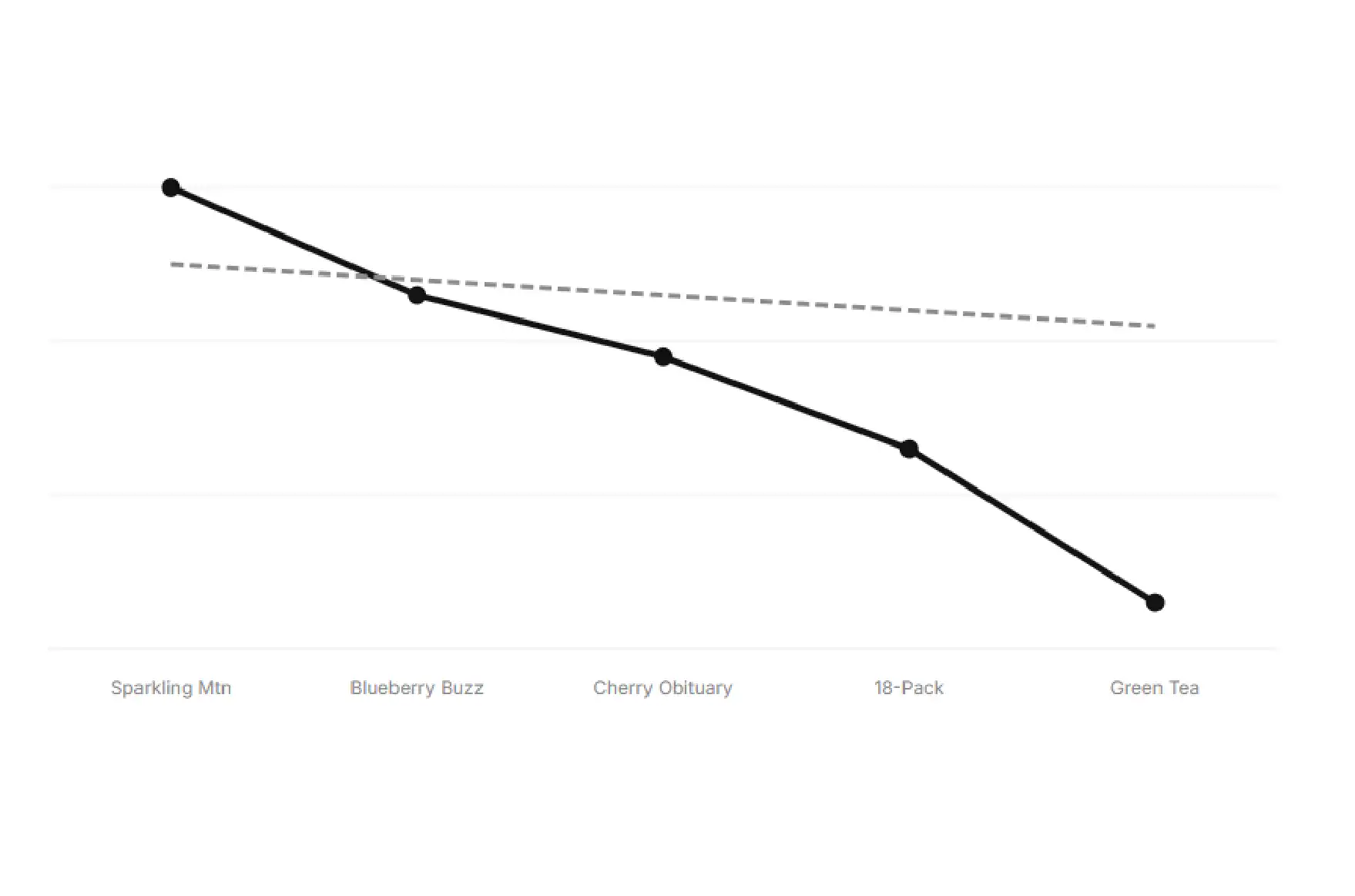
The top performers prove the strategy. The Sparkling Mountain Water 12-Pack Tallboys leads with 17,792 reviews, followed by the Blueberry Buzzsaw Iced Tea 12-Pack (10,821) and Cherry Obituary Sparkling 12-Pack (8,061). Liquid Death never competes on low price — it maintains premium margins by pricing singles high and bundles higher, because the brand makes a $6 can feel worth it. That moat is visible in the numbers.
Top Performing Products
| Product | Reviews |
|---|---|
| Sparkling Mountain Water 12-Pack Tallboys | 17,792 |
| Blueberry Buzzsaw Iced Tea 12-Pack | 10,821 |
| Cherry Obituary Sparkling 12-Pack | 8,061 |
Illustrative samples of the structured Amazon output iWeb Data Scraping delivers. (ASINs and some values represent the schema and formatting, not live figures — swap in your fresh scrape before publishing.)
Amazon Product Catalog Extract
| ASIN | Product | Category | Price | Rating | Reviews | Sellers |
|---|---|---|---|---|---|---|
| B0LQD00001 | Sparkling Mountain Water 12-Pack | Carbonated Water | $16.03 | 4.3 | 17,792 | 8 |
| B0LQD00002 | Blueberry Buzzsaw Iced Tea 12-Pack | Iced Tea | $18.99 | 4.3 | 10,821 | 8 |
| B0LQD00003 | Cherry Obituary Sparkling 12-Pack | Flavored Sparkling | $17.99 | 4.2 | 8,061 | 8 |
| B0LQD00004 | Sparkling Water 18-Pack | Carbonated Water | $57.99 | 4.4 | 5,400 | 8 |
| B0LQD00005 | Green Tea Iced Guillotine (single) | Iced Tea | $5.40 | 4.2 | 1,120 | 8 |
For any brand studying a competitor like Liquid Death, this dataset replaces weeks of manual research with a refreshable source of truth. Teams use Amazon beverage price monitoring — and the same product data scraping approach across any category — to benchmark single and bundle pricing, model per-unit margins, track review velocity by category, and pressure-test their own premium positioning against a proven brand. It is the kind of evidence-led content that also earns high-intent inquiries from readers already looking to buy the data.
We don’t hand you guesses — we hand you the data. iWeb Data Scraping delivers clean, validated intelligence on Amazon pricing, pack variants, stock, and sentiment across any brand or category, backed by managed anti-bot infrastructure and scheduled refresh, so your high-stakes decisions rest on ground truth instead of stale snapshots.
It is the automated, ongoing tracking of beverage prices on Amazon — single-unit and bundle prices, discounts, and how they change over time — delivered as clean, analysis-ready data.
iWeb Data Scraping collects publicly available information and follows applicable regulations and platform terms. We advise clients on compliant, ethical collection for competitive intelligence use.
The brand metrics are drawn from public data; the sample ASINs and some values are illustrative of our schema. For a live project, every value comes from a fresh, validated scrape.
Timelines depend on scope, but a focused catalog pull is typically ready within days, with ongoing refresh via a data-as-a-service pipeline.
Tell iWeb Data Scraping which brands to track, and we’ll turn their public Amazon footprint into clean, competitor-ready intelligence.
Start a project