How Can the Arizona Food Desert Data API Help Identify Underserved Communities?
Introduction
Access to healthy, affordable food remains a challenge for many communities in the United States, particularly in Arizona, where food deserts—areas with limited access to fresh groceries and nutritious meals—impact thousands of residents. Leveraging technology and data has become critical in addressing these challenges, and the Arizona food desert data API provides a powerful tool for researchers, policymakers, and businesses to monitor, analyze, and act on food access disparities.
By using Arizona food desert detection using APIs, organizations can identify regions where residents struggle to find supermarkets, fresh produce, or quality dining options. This real-time data empowers both public and private stakeholders to make informed decisions, whether it’s opening a new grocery store, supporting mobile markets, or creating incentive programs to increase food accessibility.
One of the most effective ways to understand food scarcity in the region is to Extract food deserts Arizona data. This allows for precise mapping of underserved areas, highlighting gaps in grocery access, and revealing patterns of consumer behavior. The insights gained from this data are invaluable for public health officials, urban planners, and restaurants looking to expand their presence responsibly.
The Importance of Tracking Food Deserts in Arizona
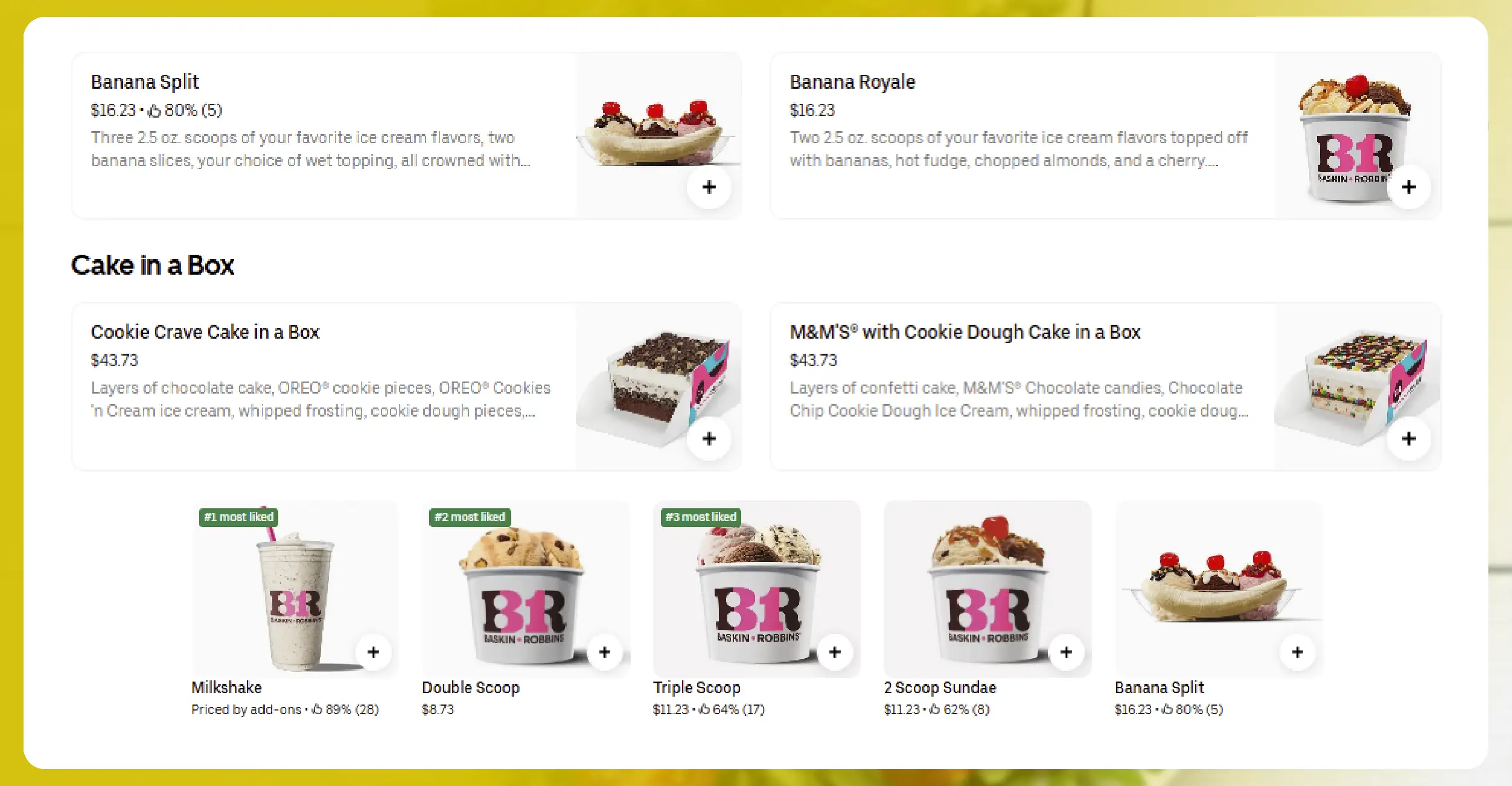
Food deserts affect not only nutrition but also overall well-being. Communities lacking easy access to healthy food options face higher risks of diet-related diseases such as diabetes, obesity, and hypertension. Data-driven tools to Scrape Deserts Food Data From Arizona, allow stakeholders to monitor how these food deserts shift over time, identify populations at risk, and evaluate the impact of interventions.
With robust datasets, local governments and NGOs can prioritize efforts in areas that need it most. Similarly, restaurants and food delivery services can make strategic decisions, ensuring their offerings meet local needs while supporting community health initiatives.
Leveraging APIs for Food Access Insights
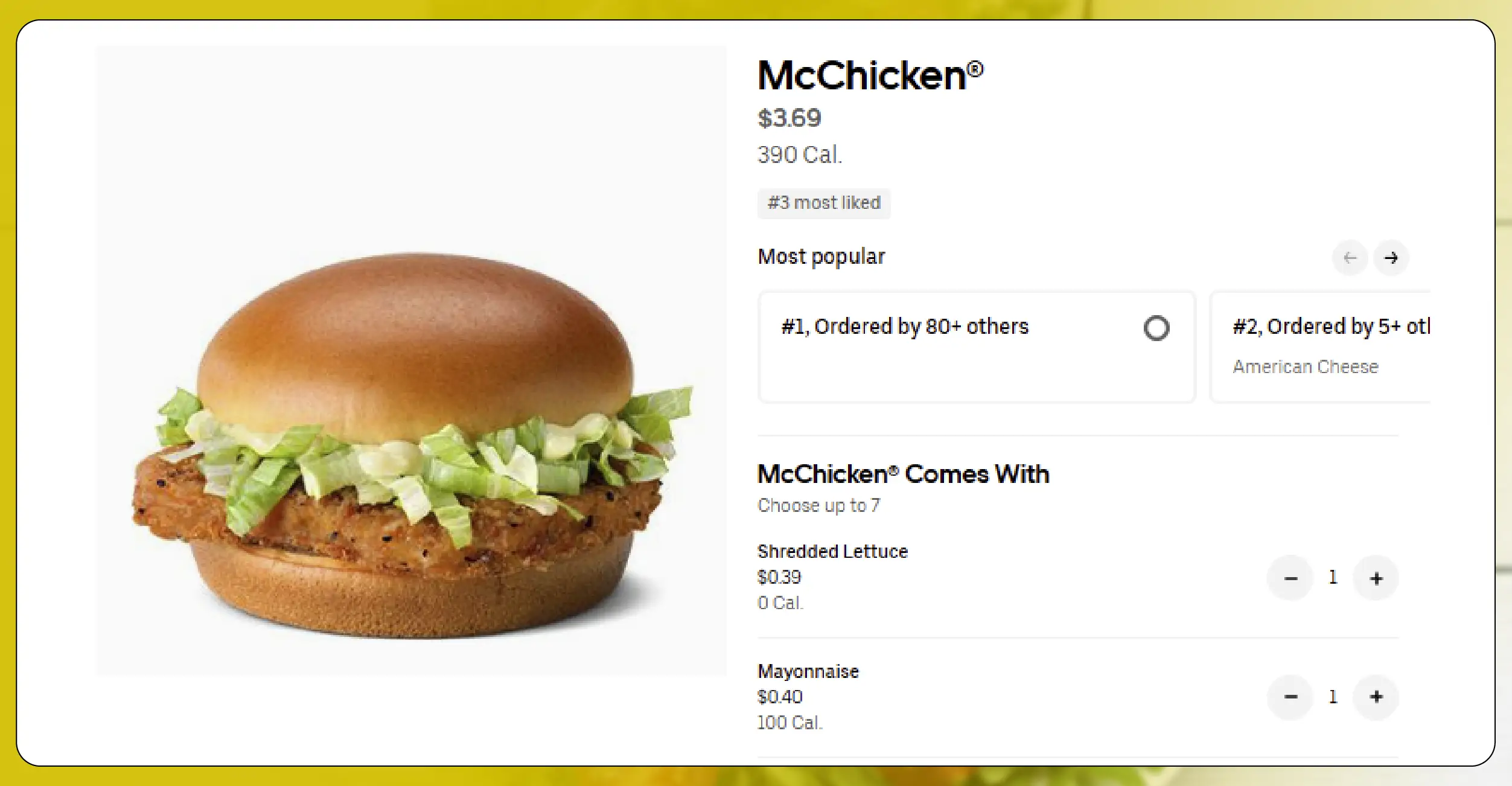
Modern APIs make it possible to capture and analyze food access data efficiently. Using Web Scraping Popular Food Dish Data Of Arizona, researchers and businesses can track what foods are most consumed or sought after in specific neighborhoods, correlating this with the presence—or absence—of grocery stores and restaurants.
By cross-referencing these insights with demographic and geographic information, users can create actionable strategies for addressing food insecurity. Restaurants and food businesses can use these insights to expand menus that cater to underserved areas while ensuring they comply with local health and economic conditions.
Extracting Restaurant Data for Better Decision Making
Understanding what restaurants offer in areas affected by food deserts is crucial. Tools that Extract Arizona's Best Restaurant Data provide detailed information on menu items, pricing, and availability, helping businesses make informed decisions about which locations or communities they should target.
In addition, Restaurant Menu Data Extractor From Arizona services help analyze menus to ensure they align with consumer preferences and nutritional requirements, while also helping policymakers understand where gaps exist in healthy food availability.
Pricing is another critical factor in food access. Tools like the Arizona Food Menu Pricing Data Extractor can reveal which meals are most affordable, allowing nonprofits and community organizations to target their support effectively. By analyzing restaurant prices alongside food desert data, stakeholders can identify opportunities to make nutritious meals accessible to more people.
Building Comprehensive Datasets
For businesses, governments, and researchers, maintaining structured datasets is essential. Restaurant Menu Datasets can be combined with demographic and geographic data to create comprehensive insights into food access patterns. Similarly, Food Delivery App Menu Datasets allow analysis of what meals are available via delivery platforms, highlighting potential disparities in underserved communities.
These datasets also help track trends over time, identifying which areas are improving in food accessibility and which still face challenges. By integrating these datasets with broader food access data, stakeholders can develop multi-layered strategies that address both immediate needs and long-term structural issues.
Benefits of Data-Driven Food Desert Solutions
- Enhanced Community Planning – Using APIs to detect food deserts enables local governments to strategically plan grocery stores, farmers’ markets, and community programs where they are most needed.
- Informed Restaurant Expansion – Restaurants can leverage Arizona-specific datasets to identify underserved neighborhoods, offering meals that meet local demand and dietary needs.
- Improved Public Health Outcomes – By correlating food access with health statistics, public health officials can implement targeted interventions to reduce diet-related diseases.
- Optimized Food Delivery Services – Delivery platforms can use data to expand into food deserts responsibly, ensuring residents have access to convenient and nutritious options.
- Support for Policy Development – Researchers and NGOs can use precise data to advocate for subsidies, incentive programs, and infrastructure projects that improve food accessibility.
Unlock actionable insights on food access—Get Started with Our Data Scraping Services Today!
How Businesses Can Leverage Food Data APIs?
Businesses, especially those in the food and restaurant sectors, can gain a competitive edge by leveraging comprehensive food desert data. Using an Arizona food desert data API, operators can monitor underserved areas, evaluate market potential, and optimize offerings for local consumers.
Additionally, businesses can integrate Arizona food desert detection using APIs into their analytics platforms to track changes in access and consumer behavior. By doing so, they can respond quickly to shifting trends, such as emerging neighborhoods where fresh produce demand is growing.
For more granular insights, organizations can Extract food deserts Arizona data combined with restaurant-specific datasets. This dual approach allows stakeholders to identify where new outlets, delivery services, or food initiatives will have the most significant impact.
Restaurants and food businesses can also Scrape Deserts Food Data From Arizona to identify gaps in existing offerings. This includes analyzing what meals, ingredients, or cuisines are underrepresented in areas with limited access, creating opportunities to introduce high-demand options.
Simultaneously, Web Scraping Popular Food Dish Data Of Arizona helps track culinary trends and consumer favorites, ensuring new menu items resonate with local tastes. This approach also allows for proactive adjustments, ensuring businesses remain competitive and socially responsible.
By leveraging services like Extract Arizona's Best Restaurant Data, operators can gain insight into competitors’ menus, pricing strategies, and customer reviews, which informs both product development and marketing. Likewise, Restaurant Menu Data Extractor From Arizona tools allow continuous monitoring of changes in menu offerings and pricing structures, supporting dynamic decision-making.
For restaurants concerned about price points and affordability, the Arizona Food Menu Pricing Data Extractor provides detailed intelligence on what meals are accessible to target communities, facilitating menu adjustments that balance profitability with community impact.
How iWeb Data Scraping Can Help You?
- Identify Underserved Areas Quickly – Pinpoint neighborhoods with limited access to fresh food using accurate, real-time data.
- Analyze Local Food Availability – Understand which stores, restaurants, or delivery options serve these areas and what products are most accessible.
- Support Strategic Planning – Enable policymakers, NGOs, and businesses to make data-driven decisions for food programs, store placements, or delivery expansions.
- Monitor Trends Over Time – Track changes in food access, pricing, and menu offerings to evaluate the impact of interventions.
- Optimize Community Outreach – Use insights to tailor initiatives, menus, and promotions that meet the specific needs of underserved populations.
Conclusion
In an era where food accessibility and data-driven insights are increasingly important, combining food desert detection with restaurant and delivery data offers a holistic view of Arizona’s food landscape. By integrating Food Delivery Data Extraction Services, businesses can monitor delivery patterns in underserved areas, optimize routes, and expand into markets that need nutritious options most.
Similarly, Restaurant Data Extraction Services allow operators to track competitors, understand menu trends, and make data-driven decisions to expand effectively. Leveraging Food Data Scraping API Services ensures that all of this information is accurate, up-to-date, and actionable, helping stakeholders create solutions that enhance both business outcomes and community health.
In sum, APIs and web scraping tools provide the foundation for a smarter, more equitable food ecosystem in Arizona. By tracking food deserts, analyzing restaurant offerings, and integrating delivery datasets, businesses, researchers, and policymakers can make informed decisions that benefit both consumers and the wider community.
Experience top-notch web scraping service and mobile app scraping solutions with iWeb Data Scraping. Our skilled team excels in extracting various data sets, including retail store locations and beyond. Connect with us today to learn how our customized services can address your unique project needs, delivering the highest efficiency and dependability for all your data requirements.