Top E-commerce Price Tracking APIs to Monitor Competitors on Amazon, Shopify & eBay in Real Time
Introduction
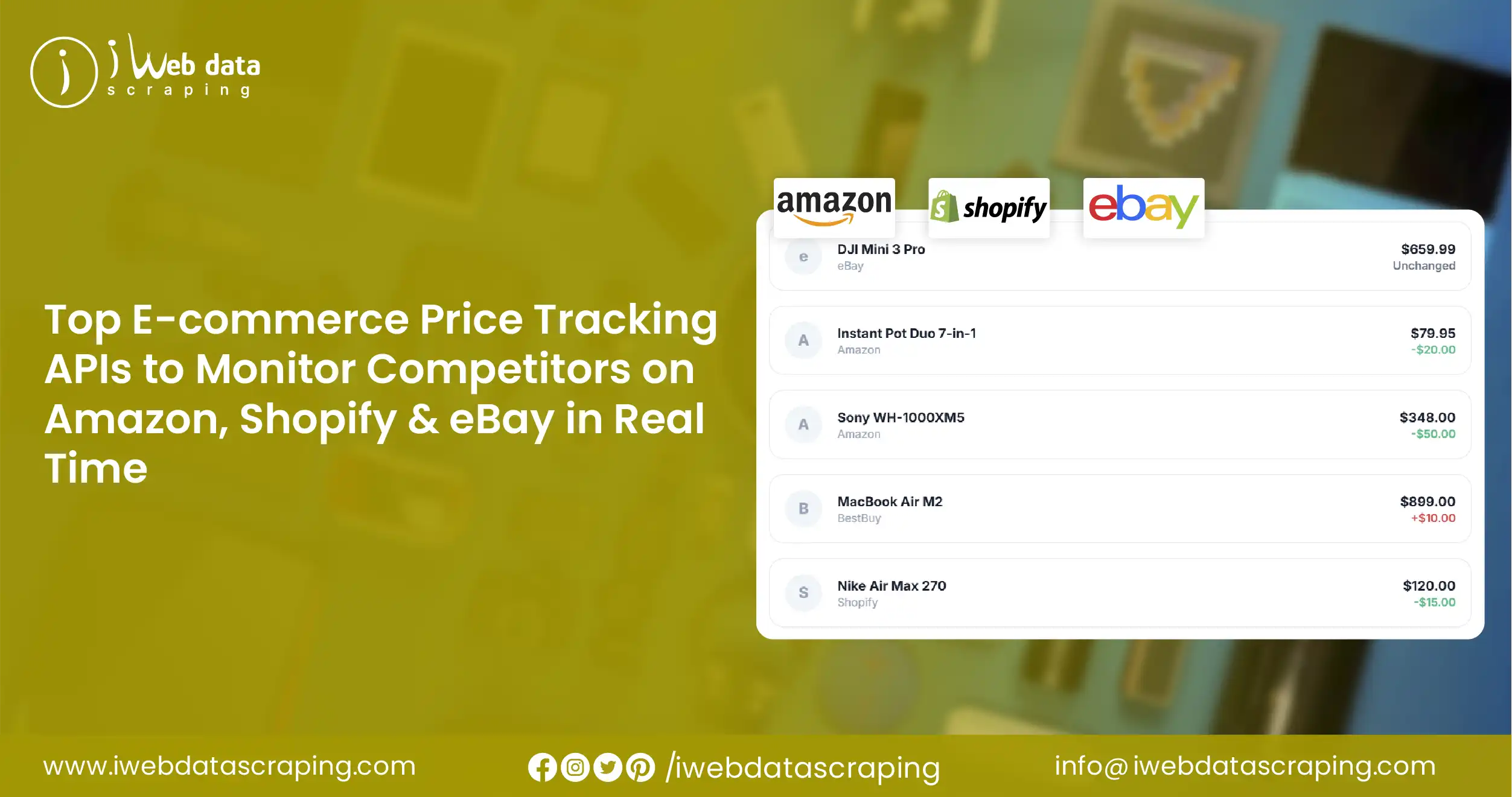
The digital retail ecosystem changes every minute as brands compete across marketplaces, D2C storefronts, and global ecommerce platforms. Businesses today rely on E-commerce Price Tracking APIs to stay informed about fluctuating product prices, inventory availability, seller activity, discounts, and customer sentiment. Companies that continuously Monitor Competitors on Amazon, Shopify & eBay in Real Time gain a stronger advantage in pricing optimization, campaign management, and market positioning.
Modern retailers also depend heavily on Real-time Amazon, Shopify & eBay data scraping to collect live insights from multiple ecommerce ecosystems simultaneously. From tracking flash sales to analyzing competitor promotions, automated ecommerce intelligence has become a critical growth driver for brands, agencies, and marketplace aggregators.
Why Real-Time Ecommerce Price Tracking Matters?
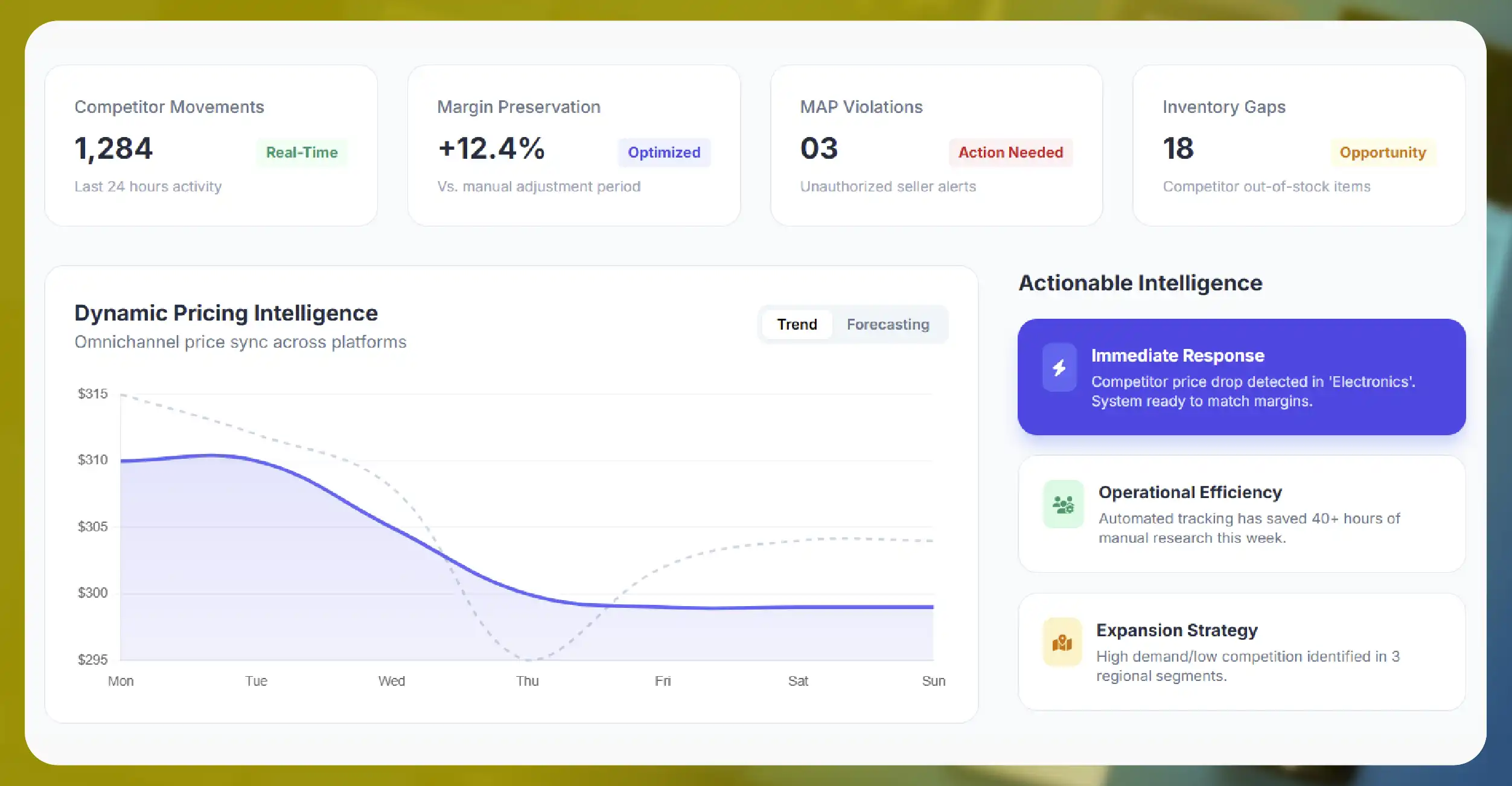
Ecommerce pricing changes rapidly due to demand shifts, promotions, seasonality, and competitor strategies. Manual monitoring is no longer practical for businesses managing thousands of SKUs across different marketplaces.
- Real-time monitoring enables businesses to detect sudden competitor price drops instantly and respond before losing customers to alternative sellers or marketplaces.
- Dynamic pricing intelligence helps ecommerce brands maintain competitive margins without sacrificing profitability during aggressive promotional campaigns or seasonal sales periods.
- Automated tracking reduces operational dependency on manual research teams and improves overall efficiency for category managers, analysts, and pricing strategists.
- Businesses can identify unauthorized sellers, grey-market listings, and MAP violations before they negatively impact brand perception and customer trust.
- Ecommerce intelligence tools help marketplaces compare pricing patterns across regions, cities, and customer segments for smarter expansion planning.
- Retailers can monitor stock availability and discover when competitors run out of inventory, creating opportunities for immediate market capture.
- Price intelligence systems provide historical trends that help analysts predict future market movements and promotional cycles with higher accuracy.
- Multi-platform tracking allows enterprises to compare marketplace pricing consistency between D2C websites, Amazon storefronts, and independent sellers.
Core Features of Ecommerce Price Tracking APIs
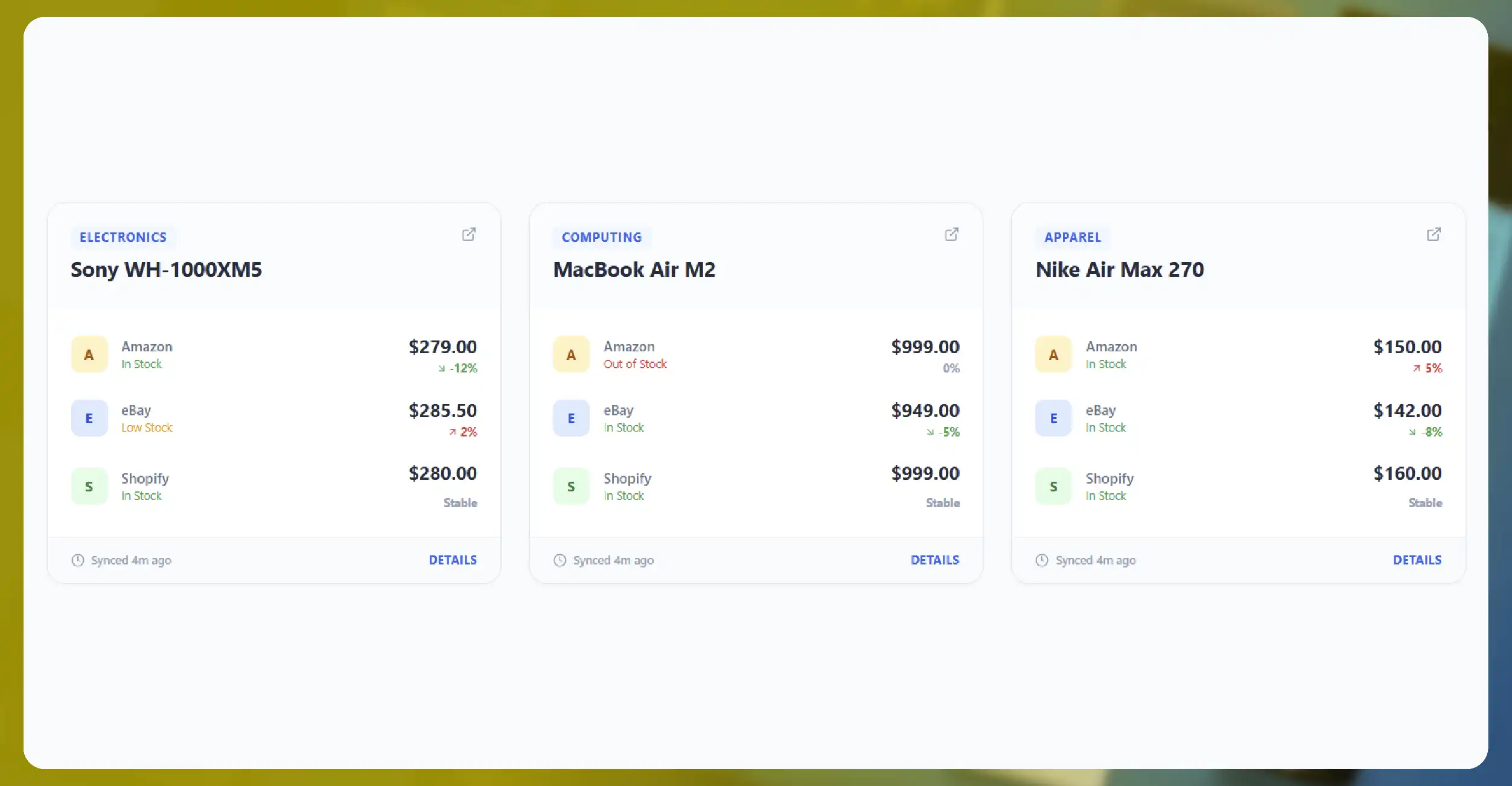
Modern ecommerce monitoring platforms deliver much more than simple price collection. Businesses require scalable intelligence systems capable of tracking millions of product pages daily.
- The Amazon, Shopify & eBay Price Tracking API enables automated extraction of product prices, discounts, availability, seller details, and shipping information from multiple platforms.
- Businesses can Scrape ecommerce data From Amazon, Shopify & eBay to build centralized dashboards for competitive benchmarking and pricing analysis.
- Advanced systems use Price Monitoring APIs for Amazon, Shopify & eBay to trigger alerts whenever predefined pricing thresholds are crossed by competitors.
- API integrations support scheduled data extraction at hourly, daily, or real-time intervals depending on monitoring requirements and campaign sensitivity.
- Product intelligence systems can capture buy box ownership changes, helping brands understand seller competitiveness and marketplace dominance.
- APIs support region-specific tracking, enabling businesses to compare pricing variations across international marketplaces and geographic markets.
- Retailers gain access to structured product metadata including titles, images, specifications, categories, ratings, and promotional labels.
- Intelligent scraping systems normalize raw marketplace data into standardized datasets for analytics, reporting, and business intelligence tools.
- Real-time alert systems notify ecommerce managers about discount events, stock shortages, or major competitor pricing movements instantly.
- Historical trend tracking helps businesses analyze long-term pricing strategies and understand competitor behavior during seasonal events.
Amazon Price Monitoring and Marketplace Intelligence
Amazon remains one of the most competitive ecommerce ecosystems globally. Continuous monitoring is essential for brands aiming to protect margins and maintain visibility.
- Businesses leverage Amazon Product Datasets to analyze pricing trends, category growth, top-selling products, and seller performance metrics.
- Automated tracking solutions collect product ranking data that helps brands understand the impact of pricing on marketplace visibility.
- Monitoring tools identify pricing inconsistencies between official brand listings and third-party marketplace sellers in real time.
- Retailers use Amazon intelligence systems to monitor lightning deals, coupon campaigns, and promotional pricing fluctuations automatically.
- Marketplace analytics help businesses optimize sponsored product campaigns based on competitor pricing and customer demand behavior.
- Real-time alerts help brands quickly react to unauthorized discounting that may damage overall marketplace profitability.
- Product monitoring systems track changes in reviews, ratings, and seller activity alongside price fluctuations for comprehensive intelligence.
- Businesses often integrate Amazon intelligence data into ERP and pricing automation systems for enterprise-level decision-making.
- Brands can evaluate category-wide pricing benchmarks and determine optimal positioning strategies based on competitor movements.
- Continuous monitoring supports marketplace compliance initiatives by detecting counterfeit or duplicate product listings faster.
Shopify Store Intelligence and D2C Analytics
The growth of direct-to-consumer commerce has made Shopify monitoring increasingly valuable for brands and market researchers.
- Companies use Shopify Product Datasets to evaluate pricing strategies, inventory trends, and promotional activity across thousands of independent stores.
- Businesses rely on Shopify data extraction services to analyze emerging product trends and identify fast-growing ecommerce brands.
- Shopify intelligence enables retailers to monitor niche markets where independent brands compete aggressively through exclusive offers and bundles.
- D2C monitoring helps businesses discover new product launches before they become mainstream on larger marketplaces like Amazon.
- Real-time Shopify analytics allow brands to compare website pricing with marketplace pricing for consistency and margin optimization.
- Automated systems can detect homepage promotions, seasonal campaigns, and discount code strategies implemented by competitors.
- Businesses gain insights into collection-level merchandising strategies used by successful D2C ecommerce stores.
- Tracking independent storefronts helps analysts identify consumer demand shifts earlier than traditional marketplace reporting systems.
- Shopify monitoring tools also support influencer campaign analysis by observing pricing and promotional changes during collaborations.
- Brands use D2C intelligence to benchmark shipping costs, product bundles, and subscription pricing models.
eBay Competitive Pricing and Seller Monitoring
eBay continues to play a major role in global ecommerce, especially for refurbished products, collectibles, electronics, and resale categories.
- Businesses depend on eBay data extraction services to monitor auction pricing, seller competition, and inventory availability across categories.
- Real-time monitoring helps brands understand secondary market pricing behavior and customer willingness to pay for specific products.
- Seller intelligence tools identify high-performing resellers and evaluate pricing competitiveness within niche product categories.
- Businesses monitor used and refurbished product pricing to better position new products within competitive markets.
- Auction trend analysis helps retailers predict demand surges for limited-edition products, collectibles, and seasonal inventory.
- Automated tracking systems capture shipping costs, seller ratings, and delivery timelines alongside product prices for complete visibility.
- eBay intelligence helps manufacturers monitor unauthorized product reselling and grey-market distribution activities.
- Historical pricing analysis allows businesses to compare resale value retention across different product categories and brands.
- Competitive monitoring supports pricing strategies for refurbished electronics and open-box inventory management.
- Marketplace intelligence tools help sellers optimize listing strategies using competitor pricing and inventory analysis.
Boost your ecommerce growth with real-time competitor pricing and marketplace intelligence solutions today.
Business Benefits of Ecommerce Data Intelligence
Organizations across industries use ecommerce intelligence solutions to improve pricing accuracy, increase operational efficiency, and drive revenue growth.
- Businesses use Amazon data extraction Services to collect structured marketplace intelligence for strategic decision-making and market forecasting.
- Enterprises increasingly depend on eCommerce Data Scraping Services to automate large-scale competitor monitoring across thousands of products daily.
- Real-time intelligence enables pricing automation systems to adjust prices dynamically based on competitor activity and market demand.
- Brands improve promotional planning by studying historical pricing trends across multiple ecommerce channels and seasonal campaigns.
- Retailers gain better visibility into customer preferences by analyzing pricing patterns alongside product ratings and reviews.
- Businesses use intelligence systems to identify pricing gaps and discover under-served product categories with strong growth potential.
- Data-driven pricing strategies help companies increase conversion rates while maintaining healthy profit margins across marketplaces.
- Ecommerce monitoring reduces reaction time during major sale events such as Prime Day, Black Friday, and festive campaigns.
- Advanced analytics support assortment optimization by identifying high-performing SKUs and low-performing inventory segments.
- Continuous market monitoring improves forecasting accuracy for inventory planning, procurement, and promotional budgeting.
Importance of Ratings and Reviews Intelligence
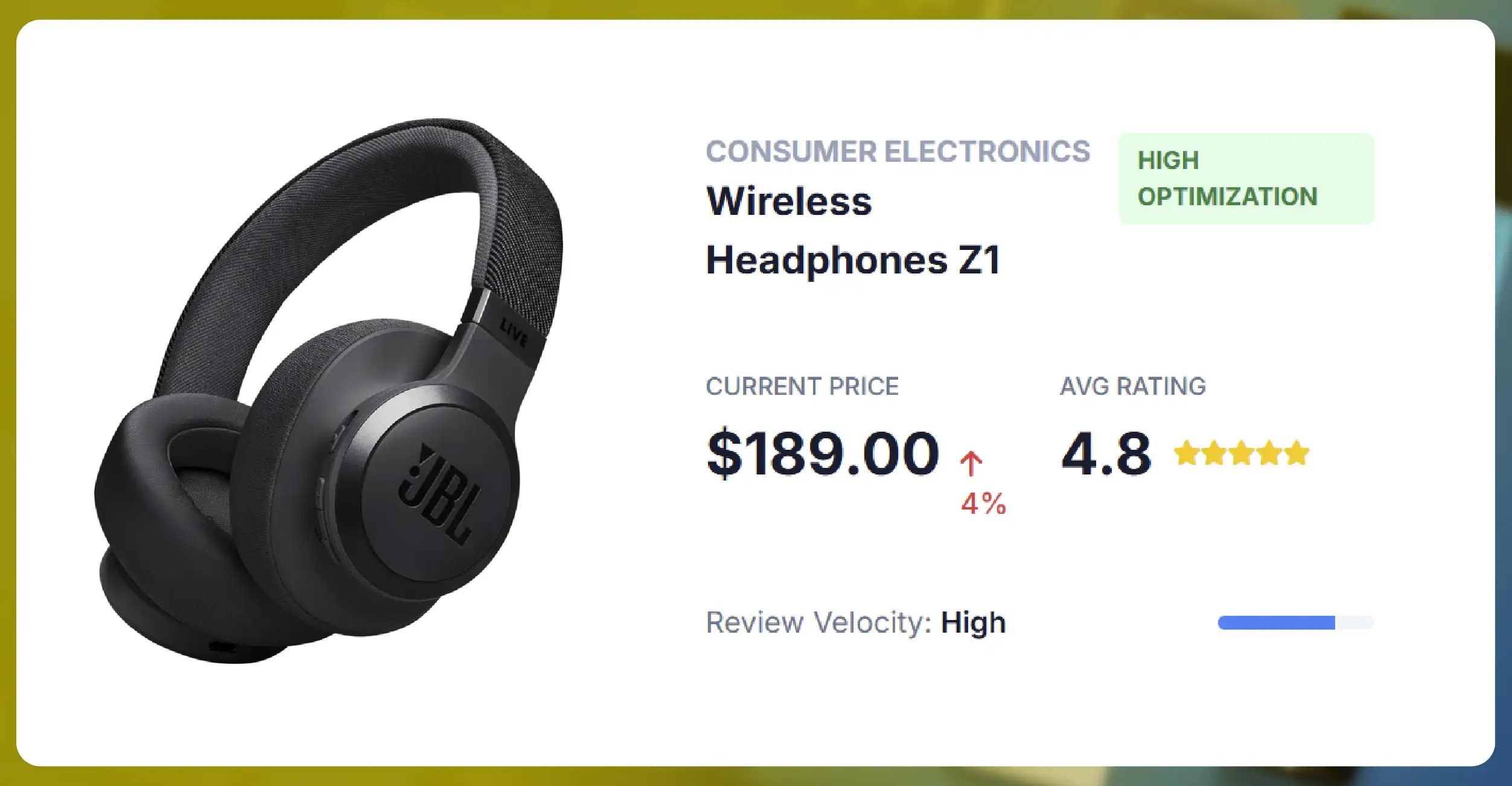
Product ratings and customer reviews strongly influence purchasing behavior across ecommerce platforms. Combining review analytics with price tracking creates more accurate market intelligence.
- Businesses use Ecommerce Product Ratings and Review Dataset solutions to analyze customer sentiment alongside pricing performance.
- Review intelligence helps brands understand how discounts and pricing changes impact customer satisfaction and buying decisions.
- Sentiment analysis identifies recurring complaints or product weaknesses that competitors may overlook in their offerings.
- Retailers compare review volumes, ratings trends, and customer engagement metrics across marketplaces for stronger positioning.
- Combining review analytics with pricing intelligence helps brands optimize promotional timing and product improvements.
- Customer feedback monitoring enables businesses to react faster to negative reviews and maintain marketplace reputation.
- Review trend analysis helps identify features or benefits customers value most within specific product categories.
- Businesses gain actionable insights into competitor strengths, weaknesses, and evolving customer expectations through review analysis.
How iWeb Data Scraping Can Help You?
Real-Time Competitor Monitoring
Our data scraping services continuously track competitor prices, discounts, inventory, and promotions across leading ecommerce marketplaces automatically daily.
Dynamic Pricing Optimization
We help businesses optimize pricing strategies using live competitor intelligence, ensuring profitability, competitiveness, and improved customer conversion rates.
Marketplace Trend Analysis
Our solutions collect marketplace trends, product demand insights, and seasonal pricing patterns for smarter ecommerce business decision-making processes.
Automated Large-Scale Data Collection
We automate large-scale ecommerce data extraction, reducing manual efforts while delivering accurate, structured, and regularly updated business intelligence datasets.
Customer Sentiment Intelligence
Our scraping systems gather ratings, reviews, and customer feedback insights, helping businesses improve products, services, and marketplace reputation effectively.
Conclusion
Real-time ecommerce intelligence has become essential for modern retail success. Businesses operating across Amazon, Shopify, and eBay require automated monitoring systems capable of collecting accurate pricing, inventory, seller, and review insights at scale. With rising competition and rapidly changing consumer behavior, brands must leverage advanced tracking technologies to remain competitive and profitable.
Organizations adopting ecommerce intelligence platforms gain stronger pricing control, improved forecasting capabilities, and faster market response times. Modern retailers increasingly depend on eCommerce Data Intelligence Services to automate competitive analysis, optimize pricing decisions, and identify emerging market opportunities. Companies also integrate Web Scraping API Services into their business workflows for scalable data collection and analytics automation. By combining automation, analytics, and marketplace intelligence, advanced Web Scraping Services Services help ecommerce businesses make faster, smarter, and more profitable decisions in real time.
Experience top-notch web scraping service and mobile app scraping solutions with iWeb Data Scraping. Our skilled team excels in extracting various data sets, including retail store locations and beyond. Connect with us today to learn how our customized services can address your unique project needs, delivering the highest efficiency and dependability for all your data requirements.