How Does Grocery Price Data Scraping Across Multi-Chains Improve Retail Pricing Strategies?

Grocery Price Data Scraping Across Multi-Chains

Introduction

In today’s rapidly evolving retail landscape, pricing has emerged as a pivotal factor influencing consumer behavior. Shoppers increasingly compare prices across multiple grocery chains before making purchases, both online and offline. This competitive environment has made Grocery Price Data Scraping Across Multi-Chains an essential strategy for retailers, brands, and market analysts who aim to make data-driven decisions. By systematically extracting pricing information from multiple platforms, businesses can gain a comprehensive understanding of the market, detect trends, and stay ahead of competitors. Additionally, Multi-Chain Grocery Price Comparison Data Extraction enables companies to benchmark their offerings against rivals and develop pricing strategies that maximize profitability while remaining attractive to customers.

What is Grocery Price Data Scraping?

What is Grocery Price Data Scraping?

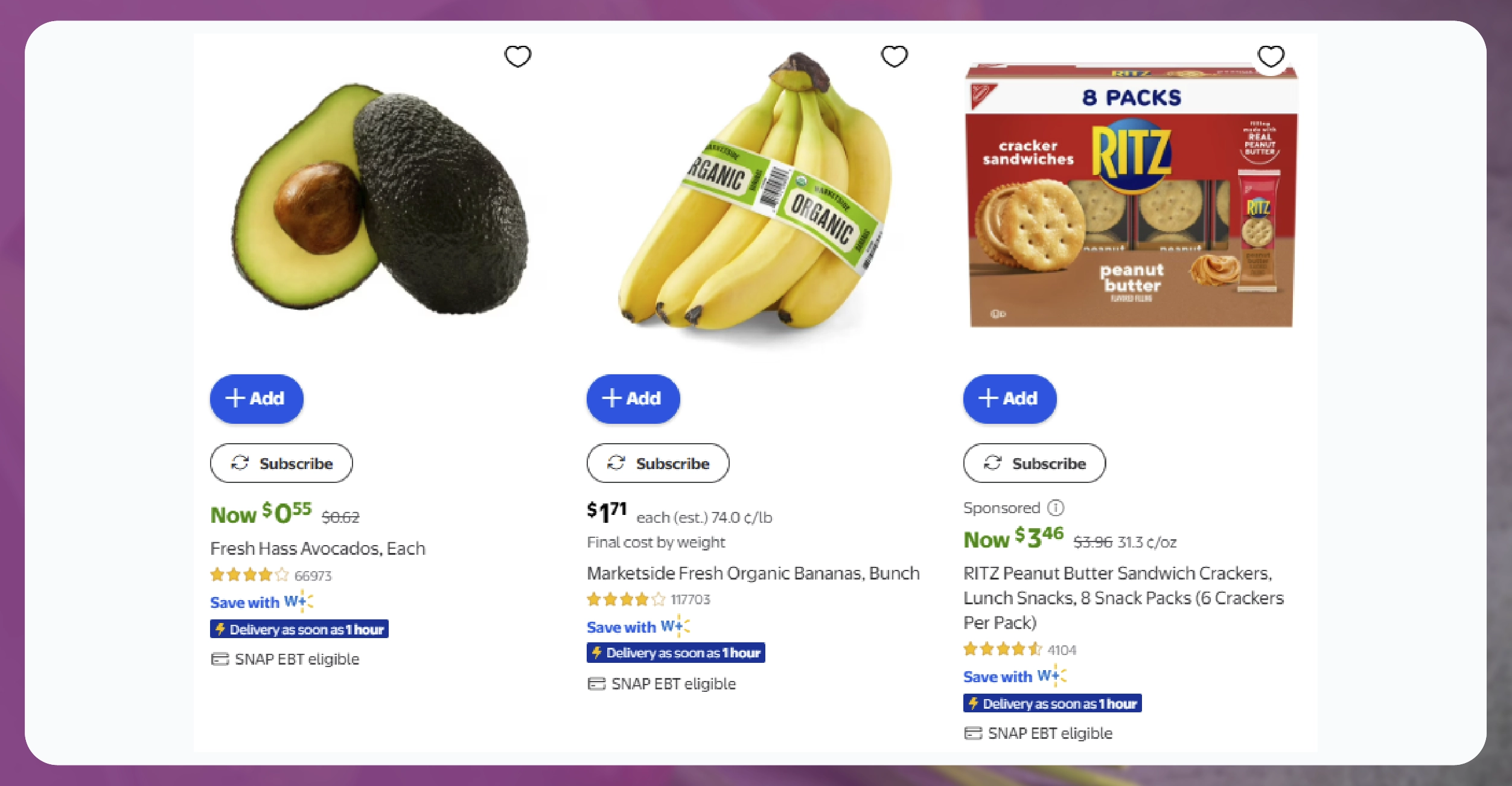
Grocery price data scraping is the automated process of collecting structured information about products, pricing, availability, and promotions from various grocery websites, mobile apps, and marketplace platforms. Unlike manual tracking, which is labor-intensive and prone to errors, automated scraping ensures accuracy and efficiency, allowing businesses to monitor thousands of SKUs across multiple chains simultaneously. Real-time scraping is particularly crucial in the grocery sector where prices fluctuate frequently due to discounts, seasonal promotions, and stock availability. Through Grocery Pricing Analytics Across Multi-Chains, businesses can quickly identify pricing trends and respond strategically.

The Importance of Multi-Chain Data

In a market where consumers actively compare prices, having insights from multiple retailers is invaluable. Multi-chain data provides a complete view of pricing strategies across competitors, enabling businesses to identify price gaps, track promotions, and adjust pricing dynamically. Grocery Product Price Monitoring Across Multi-Chains helps companies make informed decisions not just at the brand or product category level but down to individual SKUs, ensuring every product’s price is optimized for both competitiveness and profitability.

How Multi-Chain Pricing Intelligence Works?

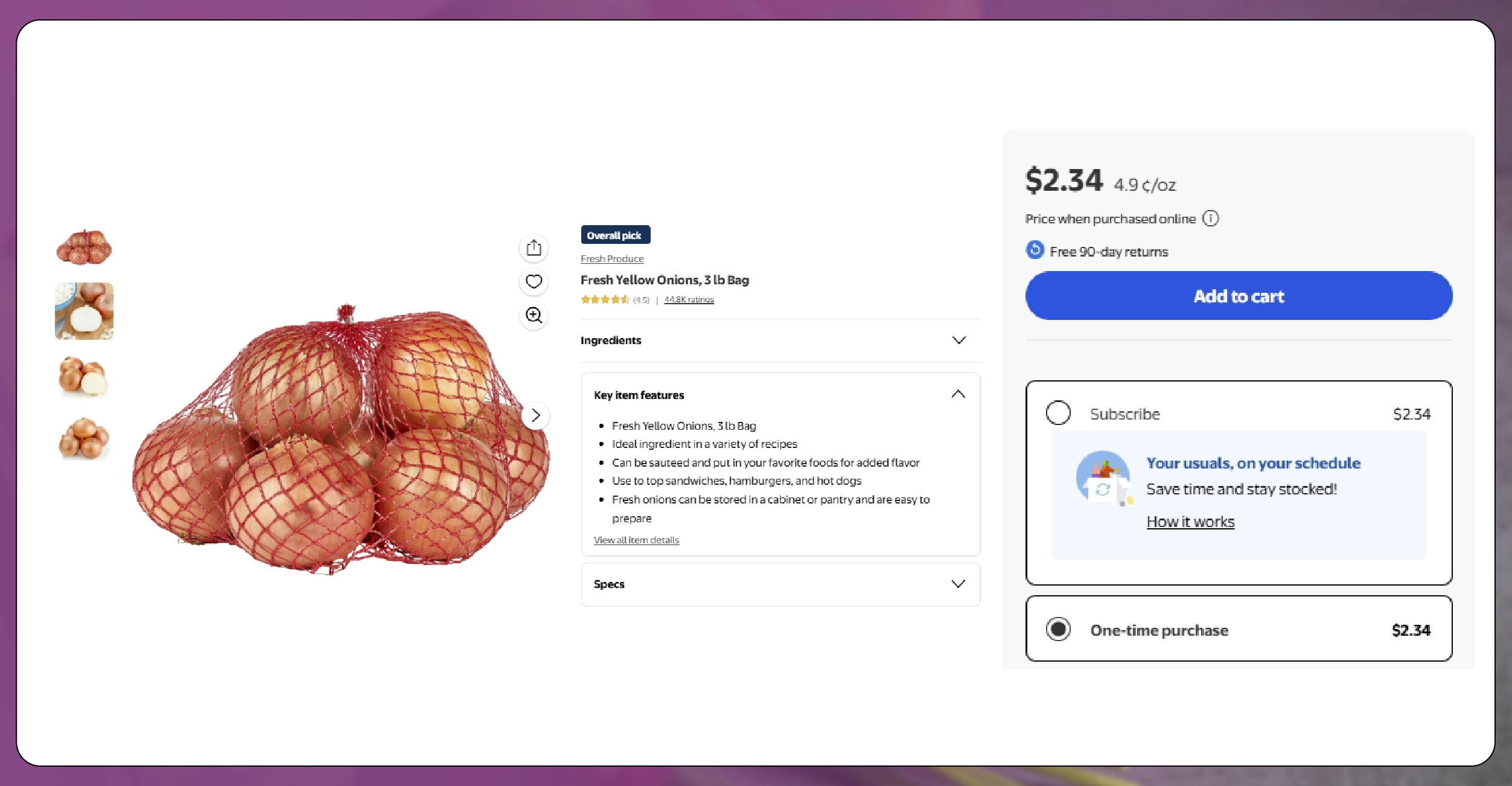
Modern grocery retail extends across websites, mobile apps, and aggregator platforms, making data integration from multiple sources essential. Multi-Chain Grocery Pricing Intelligence involves consolidating information from all these channels to provide a unified market perspective. By tracking individual SKUs through Multi-Chains Grocery SKU-Level Price Monitoring, businesses gain granular insights into how each product performs across different stores and regions. This intelligence helps identify high-demand products, optimize inventory, and ensure consistency in pricing across locations.

Real-Time and Multi-Platform Analytics

img

The grocery ecosystem is dynamic, and prices are constantly changing. Real-time data scraping ensures that companies are aware of price fluctuations immediately, enabling prompt action. With Grocery Pricing Analytics Across Multi Platforms, retailers can integrate data from online stores, quick commerce apps, and marketplaces into a centralized system. This comprehensive approach empowers businesses to detect emerging trends, forecast demand, and implement promotional strategies effectively.

Building Comprehensive Grocery Datasets

img

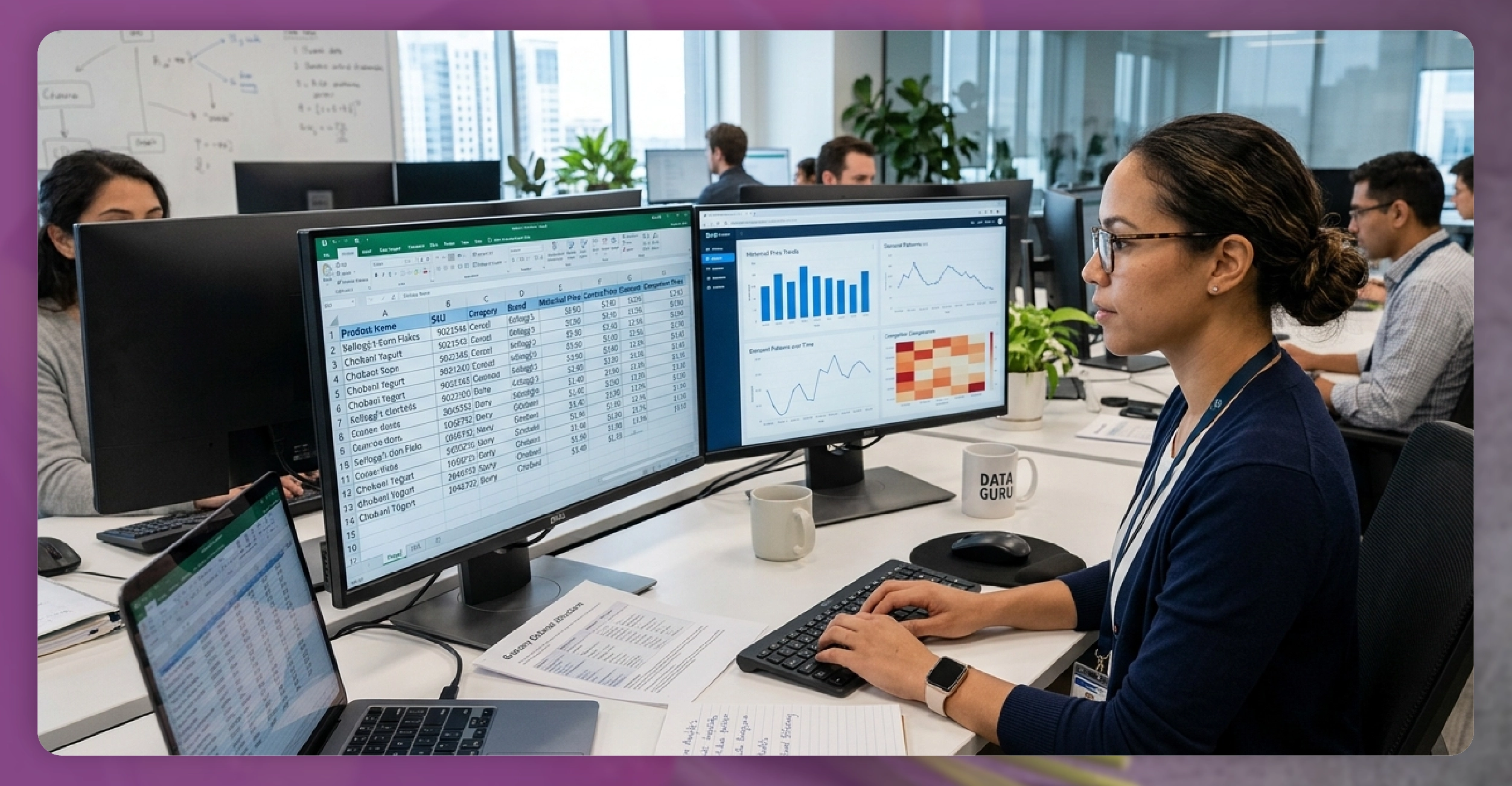
Data scraping provides the foundation for creating structured Grocery and Supermarket Store Datasets, which include product names, SKUs, historical pricing, discount patterns, and competitor comparisons. These datasets support predictive analytics, helping businesses anticipate market shifts, optimize pricing, and enhance operational efficiency. Structured data also allows for the creation of dashboards, AI-driven pricing models, and reports that provide actionable insights for decision-makers.

Benefits of Grocery Price Data Scraping

The strategic advantages of multi-chain data scraping are extensive. It allows retailers to benchmark against competitors, optimize pricing dynamically, and enhance customer satisfaction by offering competitive prices. The insights derived from data also support trend analysis, helping businesses understand seasonal demand patterns and consumer behavior. By leveraging Grocery Data Scraping Services, companies can scale their monitoring efforts efficiently, processing large volumes of data that would be impossible to track manually.

Overcoming Challenges in Data Scraping

While the benefits are clear, implementing a multi-chain data scraping strategy is not without challenges. Frequent website updates, anti-scraping measures like CAPTCHAs, and the need to maintain high data quality can complicate the process. Businesses must also consider legal and ethical implications to ensure compliance with platform policies. Advanced solutions, such as AI-driven crawlers, proxy rotation, and automated data validation, can address these challenges and ensure a reliable and scalable scraping workflow.

Unlock real-time pricing intelligence today with our Grocery Data Scraping Services and stay ahead of the competition!

Future Trends in Grocery Pricing Intelligence

The future of grocery retail is increasingly data-driven. Companies using multi-chain scraping will not only monitor pricing trends but also predict market changes. AI and machine learning enable predictive pricing models, personalized promotions, and proactive demand forecasting. Integrating multi-chain pricing intelligence with supply chain analytics and consumer insights provides retailers with a powerful toolkit for improving margins, operational efficiency, and customer satisfaction.

How iWeb Data Scraping Can Help You?

1. Competitive Pricing Insights

Our data scraping services provide real-time visibility into competitor pricing across multiple grocery chains. Businesses can track product prices, discounts, and promotions effortlessly, enabling them to make informed pricing decisions, maintain competitiveness, and maximize profit margins efficiently.

2. SKU-Level Monitoring

We offer granular monitoring at the SKU level, allowing companies to track every product variation, size, and brand across multiple platforms. This ensures Multi-Chains Grocery SKU-Level Price Monitoring, helping retailers identify pricing gaps and optimize product-specific strategies.

3. Multi-Platform Data Integration

Our solutions consolidate data from websites, mobile apps, and online marketplaces into a single, structured dataset. Grocery Pricing Analytics Across Multi Platforms ensures businesses gain a 360-degree view of pricing trends, promotions, and stock availability in real-time.

4. Trend Analysis and Forecasting

By continuously collecting historical and real-time data, our services empower businesses to detect patterns, predict seasonal demand, and plan promotions strategically. This Grocery Pricing Analytics Across Multi-Chains approach enables proactive decision-making and market-responsive strategies.

5. Scalable and Automated Solutions

Manual tracking is time-consuming and error-prone, but our automated Grocery Data Scraping Services provide scalability and efficiency. Businesses can monitor thousands of SKUs across multiple chains effortlessly, reducing operational costs while maintaining high accuracy and data reliability.

Conclusion: Strategic Value of Multi-Chain Scraping

In an era of intense retail competition, Grocery Pricing Data Intelligence Services are critical for businesses seeking a competitive edge. By leveraging Web Scraping API Services, companies can automate data collection from multiple chains efficiently, ensuring real-time visibility and actionable insights. Professional Web Scraping Services ensure accuracy, scalability, and compliance, enabling businesses to harness the full potential of grocery data. Multi-chain grocery price scraping is no longer just a technical solution—it is a strategic imperative that drives smarter decisions, better pricing strategies, and sustainable growth.

Experience top-notch web scraping service and mobile app scraping solutions with iWeb Data Scraping. Our skilled team excels in extracting various data sets, including retail store locations and beyond. Connect with us today to learn how our customized services can address your unique project needs, delivering the highest efficiency and dependability for all your data requirements.

Let’s Discuss Your Project

FAQ's

What is Grocery Price Data Scraping?

Grocery price data scraping is the automated process of collecting product pricing, availability, and promotions from multiple grocery chains to provide actionable insights for retailers and brands.

How can Multi-Chain Grocery Price Monitoring help my business?

It allows you to track prices and promotions across multiple chains, benchmark against competitors, optimize pricing strategies, and respond quickly to market trends.

Is the data collected in real-time?

Yes, our services provide real-time updates on pricing, stock, and discounts, ensuring that your business always has accurate and current market intelligence.

What types of products can be monitored?

We can track all grocery SKUs, including packaged foods, fresh produce, beverages, household items, and other supermarket products across multiple platforms.

Is your data scraping service compliant and secure?

Absolutely. Our Web Scraping Services follow legal and ethical guidelines, maintaining data accuracy, privacy, and compliance with platform policies.