
52.4K+
TOTAL LEROY MERLIN PRODUCTS MONITORED

Scraping Leroy Merlin Home Decor & Furniture Data delivers actionable insights into pricing, inventory, trends, and demand.
This case study is based on a real-world enterprise scenario where a retail intelligence and analytics team leveraged large-scale product data extraction and market monitoring from Leroy Merlin to transform fragmented product information into structured business intelligence for pricing analysis, assortment optimization, demand forecasting, and competitive benchmarking.
It is designed for:
The client’s primary challenge was straightforward: Leroy Merlin generates vast volumes of product, pricing, inventory, and consumer engagement data daily, yet much of this information remains distributed across categories and difficult to analyze at scale. Their objective was to build a centralized intelligence layer capable of transforming raw retail signals into actionable insights supporting faster and more accurate business decisions.
A recent case study examined how retail organizations leveraged large-scale Leroy Merlin marketplace intelligence to improve pricing visibility and category performance analysis.
Organizations implemented advanced product monitoring pipelines to collect structured information across thousands of SKUs and product categories.
Analysts used Leroy Merlin kitchen product popularity tracking to identify high-demand product segments and evaluate consumer interest trends across evolving home improvement categories.
Retail teams benefited from Leroy Merlin furniture trend analytics to understand shifting customer preferences, emerging styles, and category-level demand patterns.
Business stakeholders relied on Monitor Leroy Merlin product pricing dashboard capabilities to continuously evaluate price movements, promotional activities, and competitive positioning across multiple regions.
Machine learning models processed structured datasets to identify demand fluctuations, pricing anomalies, and inventory opportunities with greater precision.
Interactive dashboards enabled category managers to optimize assortments, improve pricing decisions, and enhance inventory planning across key product segments.
The initiative demonstrated how large-scale retail data intelligence can transform fragmented marketplace information into actionable business insights, improving responsiveness, forecasting accuracy, and competitive awareness across retail operations.
The client faced several operational challenges while attempting to monitor Leroy Merlin’s rapidly changing product ecosystem.
Traditional market research approaches lacked the speed and scale necessary to track thousands of products across multiple categories, resulting in delayed visibility into important market developments.
The organization needed to Scrape home decor products from Leroy Merlin to understand category growth, emerging product trends, and competitive assortment strategies.
Another major challenge involved inventory monitoring and stock fluctuations across popular product categories. The business required capabilities to Scrape Leroy Merlin stock availability data in order to identify demand surges, stockouts, replenishment cycles, and supply-side opportunities.
The client also struggled with fragmented pricing information, making it difficult to evaluate competitor pricing consistency and promotional activities across markets.
Manual collection methods proved resource-intensive and prone to inconsistencies, particularly when tracking high-volume product catalogs with frequent updates.
Consumer ratings, reviews, and product engagement metrics were also dispersed across multiple categories, limiting the organization's ability to understand customer preferences and purchasing behavior.
To overcome these limitations, the client required an automated intelligence framework capable of continuously collecting, structuring, and analyzing retail marketplace data at scale.
By adopting an automated Leroy Merlin retail intelligence framework, the client replaced fragmented manual monitoring with a scalable analytics ecosystem capable of continuously capturing pricing, inventory, category, and consumer engagement data.
| Dimension | Manual Product Monitoring | Client Intelligence System |
|---|---|---|
| Data Collection | Manual browsing and spreadsheet updates | Automated product ingestion across categories |
| Pricing Visibility | Periodic checks | Continuous real-time monitoring |
| Inventory Tracking | Limited stock observations | Automated stock monitoring across products |
| Category Analysis | Subjective reviews | Structured category intelligence |
| Consumer Insights | Small sample analysis | Large-scale ratings and review analytics |
| Trend Detection | Reactive monitoring | Early identification of emerging trends |
| Operational Scale | Limited product coverage | Scalable monitoring across thousands of SKUs |
The brand in focus is a rapidly growing retail intelligence organization specializing in home improvement, furniture, home décor, and consumer product analytics.
Its primary objective is to deliver actionable market intelligence by collecting and analyzing large-scale product datasets from leading retail ecosystems.
As product catalogs expanded and consumer preferences evolved more rapidly, the organization found it increasingly difficult to maintain visibility into pricing changes, inventory movements, category performance, and customer sentiment.
To address these challenges, the company adopted a structured product intelligence framework powered by automated retail data collection and advanced analytics pipelines.
Operating within a highly competitive retail environment, the organization relies on real-time insights to identify market opportunities, improve forecasting accuracy, and strengthen strategic decision-making.
The transition from manual research processes to automated intelligence generation significantly improved operational efficiency and market responsiveness.
We delivered a comprehensive retail intelligence platform that transformed Leroy Merlin product information into structured business intelligence using scalable collection pipelines, advanced parsing mechanisms, and cloud-based analytics infrastructure.
The system continuously captured product details, pricing updates, inventory changes, category information, ratings, and consumer engagement metrics across multiple product segments.
To support scalable extraction, we implemented strategy ti Extract Leroy Merlin scraping API workflows that automated product discovery, monitoring, normalization, and data validation processes.
Our framework also incorporated Leroy Merlin data extraction Services to centralize information from multiple categories into unified analytical datasets for reporting and decision-making.
Advanced analytics layers enabled trend detection, pricing intelligence, assortment benchmarking, and demand forecasting.
The solution further integrated eCommerce Data Scraping Services to support continuous product monitoring, competitive intelligence, and category-level performance evaluation across evolving retail environments.
The resulting ecosystem provided reliable, real-time visibility into market movements while significantly reducing manual research effort.
Continuous monitoring enabled the client to observe pricing changes across thousands of Leroy Merlin products in real time.
Instead of relying on periodic checks, pricing intelligence became continuously available, helping category managers identify competitive opportunities and pricing anomalies quickly.
This improved promotional planning and strengthened overall pricing strategies.
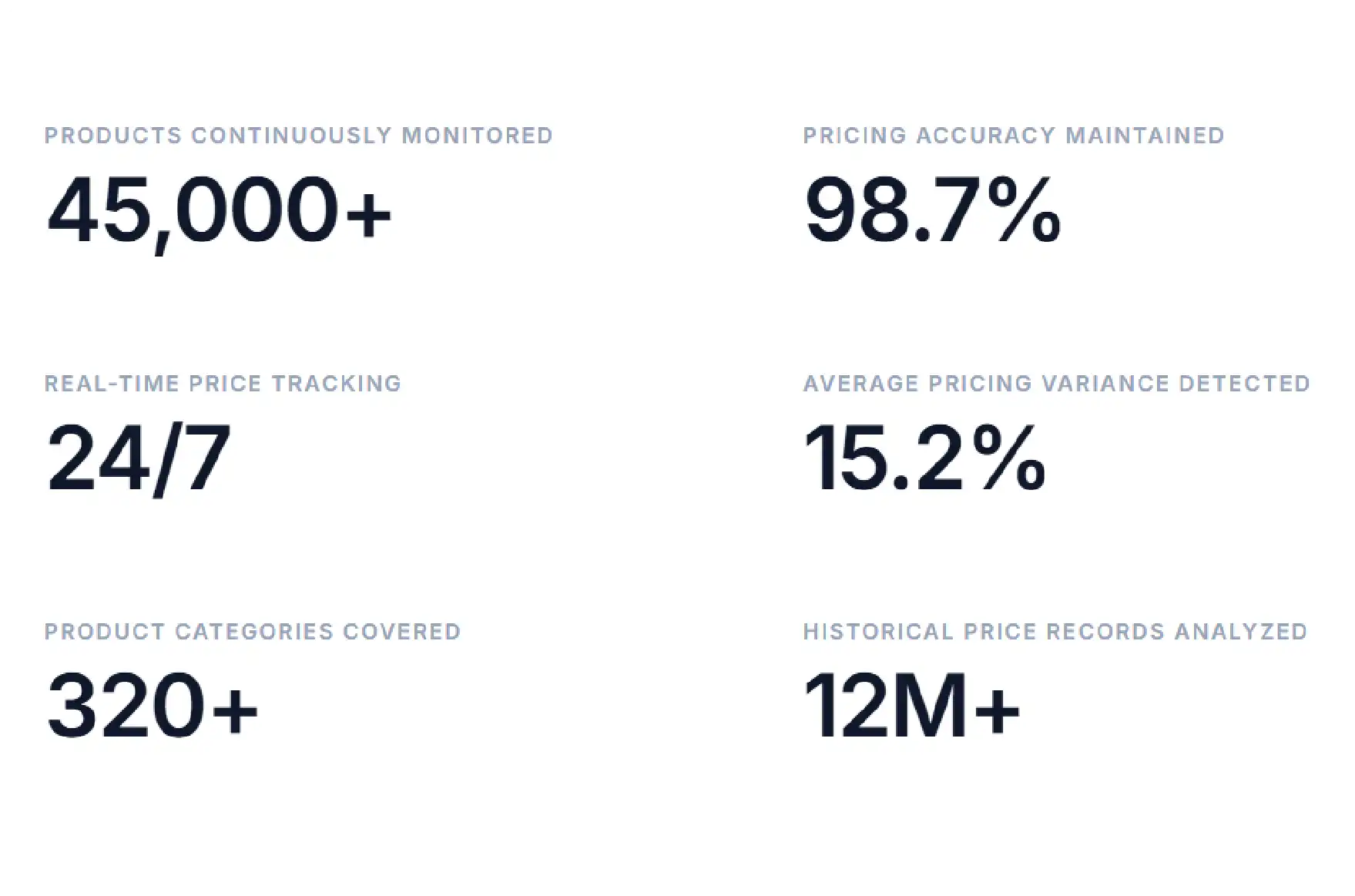
Automated stock monitoring provided visibility into inventory fluctuations across high-demand product categories.
The organization could identify recurring stockout patterns, replenishment cycles, and product demand surges more effectively.
This capability supported better forecasting and inventory planning decisions.
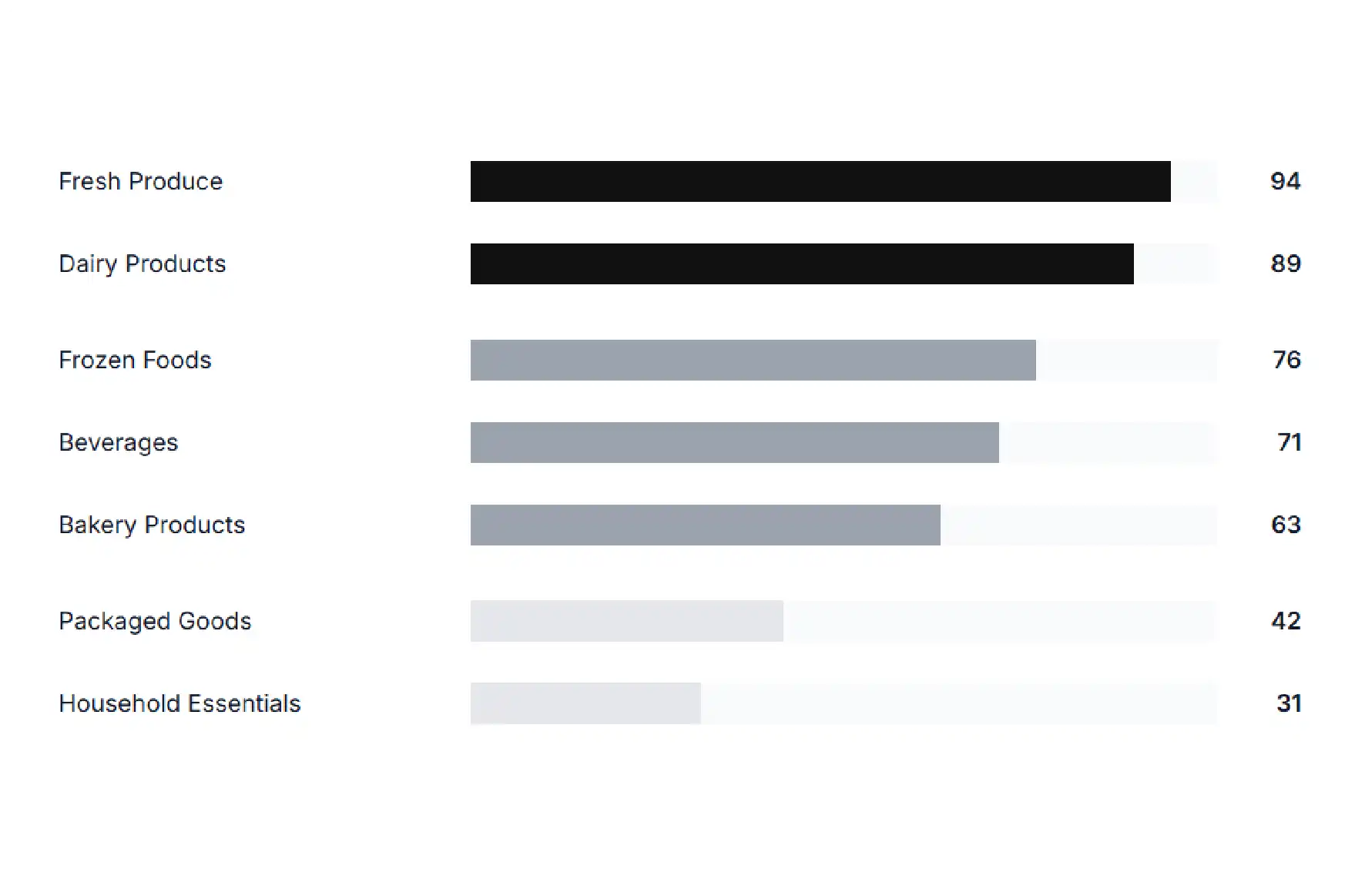
By transforming product ratings, reviews, and engagement signals into structured datasets, the organization gained deeper visibility into consumer preferences.
This enabled improved product benchmarking, customer sentiment evaluation, and category optimization initiatives.
| Metric | Insight Captured | Business Impact |
|---|---|---|
| Product Rating Score | Consumer satisfaction level | Better product selection |
| Review Volume | Customer engagement activity | Demand validation |
| Price Change Frequency | Competitive pricing behavior | Improved pricing strategy |
| Inventory Status | Stock availability trends | Enhanced supply planning |
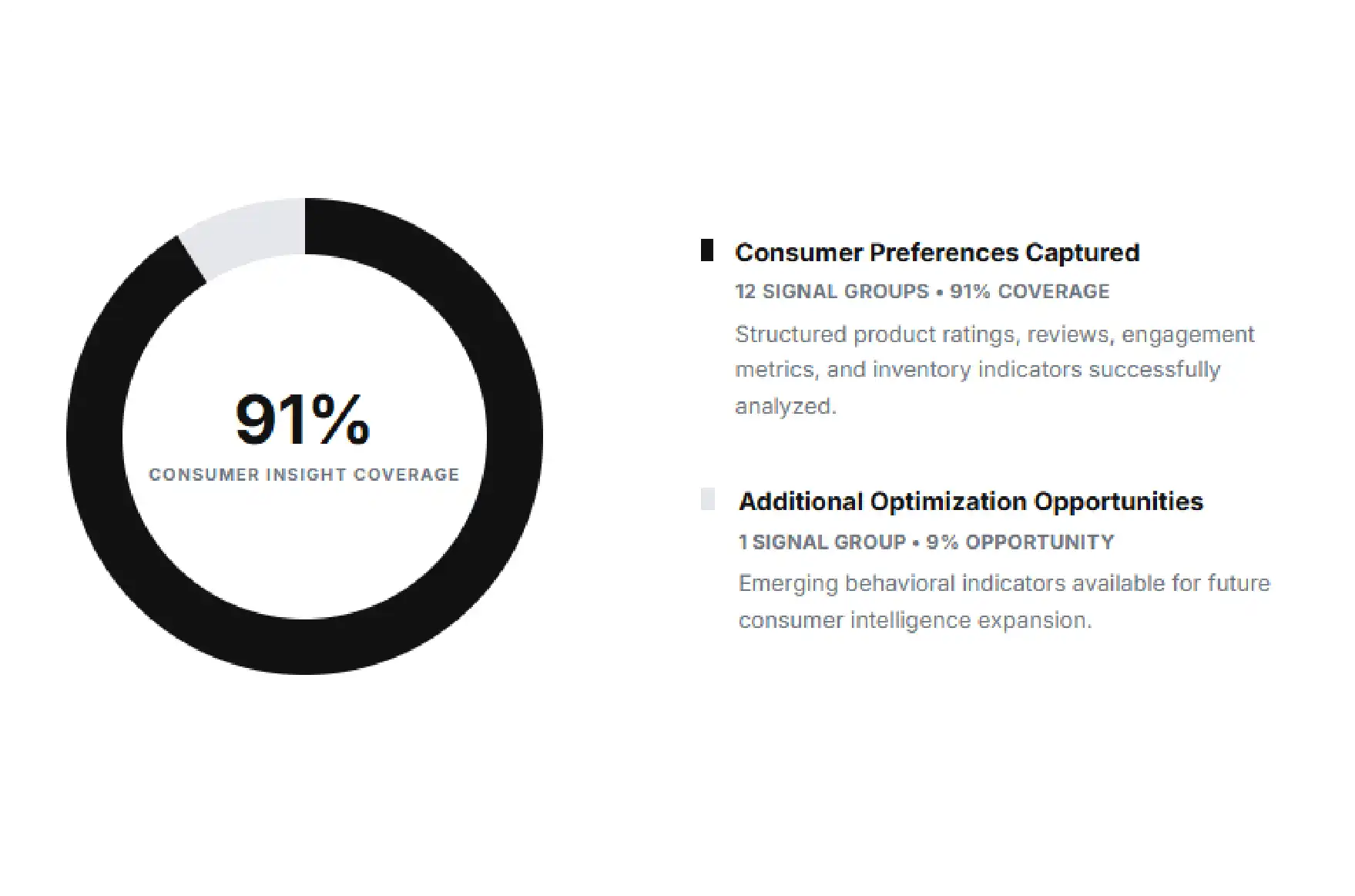
The automated system enabled simultaneous monitoring of thousands of products across furniture, kitchen, storage, lighting, and home décor categories.
Unlike manual processes, the platform ensured consistent data collection and analysis at scale.
This expanded visibility improved market awareness, competitive benchmarking, and category-level decision-making across rapidly evolving retail environments.
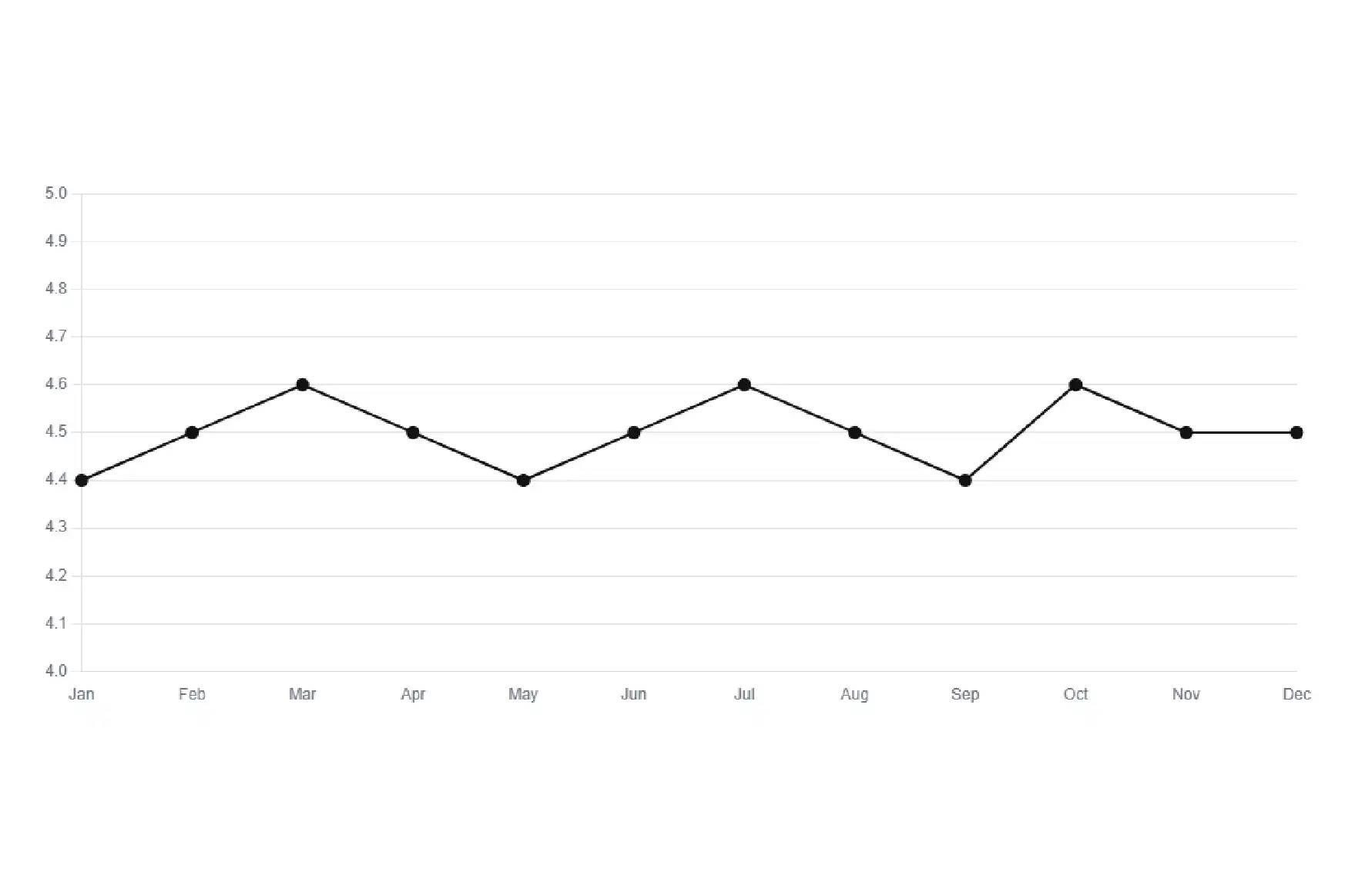
The dataset snapshot below presents a broader view of Leroy Merlin product category performance, highlighting customer engagement, inventory status, product ratings, monthly visibility, and emerging consumer preferences across multiple home improvement, furniture, décor, storage, and renovation segments monitored during the analysis period.
| Category | Product Type | Avg Rating | Inventory Status | Monthly Views | Top Trend |
|---|---|---|---|---|---|
| Furniture | Sofa | 4.6 | In Stock | 145K | Modular Design |
| Furniture | Dining Table | 4.5 | In Stock | 128K | Space-Saving Furniture |
| Furniture | Wardrobe | 4.4 | Limited Stock | 116K | Sliding Door Storage |
| Kitchen | Cabinets | 4.5 | In Stock | 132K | Smart Storage |
| Kitchen | Countertops | 4.4 | In Stock | 119K | Durable Surfaces |
| Kitchen | Shelving Units | 4.3 | Low Stock | 108K | Open Kitchen Layouts |
| Lighting | Ceiling Lights | 4.4 | Limited Stock | 118K | Energy Efficient |
| Lighting | LED Lamps | 4.6 | In Stock | 126K | Smart Lighting |
| Lighting | Wall Sconces | 4.3 | In Stock | 97K | Decorative Illumination |
| Home Decor | Wall Art | 4.3 | In Stock | 101K | Modern Minimalism |
| Home Decor | Decorative Mirrors | 4.5 | In Stock | 114K | Contemporary Interiors |
| Home Decor | Rugs | 4.4 | Limited Stock | 109K | Natural Textures |
| Bathroom | Vanity Units | 4.5 | In Stock | 112K | Compact Design |
| Bathroom | Shower Panels | 4.4 | In Stock | 105K | Luxury Renovation |
| Storage | Storage Cabinets | 4.6 | In Stock | 124K | Multi-Purpose Organization |
| Storage | Garage Shelving | 4.3 | Low Stock | 92K | Home Organization |
| Outdoor Living | Garden Furniture | 4.5 | In Stock | 137K | Outdoor Comfort |
| Outdoor Living | Patio Umbrellas | 4.2 | In Stock | 88K | Seasonal Living |
| Flooring | Vinyl Flooring | 4.6 | In Stock | 121K | Easy Installation |
| Flooring | Laminate Flooring | 4.4 | Limited Stock | 111K | Sustainable Materials |
Following implementation of structured Leroy Merlin retail intelligence systems, the client achieved substantial improvements in visibility, responsiveness, and operational efficiency.
Our approach enables centralized collection and management of large-scale retail information, eliminating fragmented workflows and improving data consistency across reporting systems.
The platform continuously monitors product performance, pricing changes, inventory movements, and consumer engagement signals, ensuring businesses remain informed about evolving market dynamics.
Advanced data cleansing processes remove inconsistencies, duplicates, and inaccuracies, resulting in highly reliable datasets suitable for forecasting, reporting, and strategic planning.
The architecture is designed to scale efficiently alongside growing product catalogs while maintaining stability and processing performance.
By transforming raw marketplace information into actionable intelligence, organizations gain stronger visibility into customer behavior, category performance, and competitive positioning.
We are extremely satisfied with the retail intelligence solution delivered by the team. The project significantly improved our ability to monitor product performance, pricing movements, inventory trends, and consumer engagement across large product catalogs.
The platform has provided faster insights, improved forecasting accuracy, and enhanced decision-making capabilities across multiple departments. Automated intelligence generation eliminated significant manual effort while improving data quality and reporting consistency.
We now operate with greater visibility into market dynamics and are able to make more confident, data-driven business decisions.
— Head of Retail Intelligence
The final outcome of the project was a fully automated retail intelligence ecosystem capable of transforming large-scale product information into structured analytical insights.
The organization gained faster access to market intelligence, improved visibility into pricing and inventory movements, and enhanced category planning capabilities.
Integration of Web Scraping API Services enabled continuous product monitoring and reliable collection of high-frequency marketplace data with exceptional accuracy and scalability.
The implementation also supported advanced eCommerce Data Intelligence initiatives by delivering structured datasets for forecasting, benchmarking, and strategic planning.
Additionally, the platform generated comprehensive Ecommerce Product Ratings and Review Dataset resources that enabled deeper customer sentiment analysis and product performance evaluation.
As a result, the organization achieved stronger competitive positioning, improved operational efficiency, enhanced forecasting accuracy, and measurable returns on its retail intelligence investments.
Overall, the project established a scalable foundation for future growth, supporting increasingly sophisticated analytics and decision-making across evolving retail markets.
Want deeper visibility into product pricing, inventory trends, and customer demand? Our data intelligence solutions help transform marketplace data into actionable insights that improve forecasting, optimize strategies, and strengthen competitive advantage.
Start a projectOrganizations can analyze pricing trends, inventory movements, product popularity, category performance, customer sentiment, and competitive positioning to improve strategic decisions.
The platform supports continuous monitoring and near real-time updates, ensuring businesses always have access to current market intelligence.
Yes. The architecture is designed to process and analyze thousands of products simultaneously while maintaining performance and data quality.
Automated validation, cleansing, normalization, and deduplication processes ensure datasets remain accurate, reliable, and analytics-ready.
Retailers, e-commerce companies, manufacturers, market research firms, pricing intelligence teams, and consumer analytics organizations benefit significantly from large-scale retail data intelligence.
Fields marked * are required. Everything else just helps us scope faster — skip what you don't know yet.