How Can You Scrape Costco Product & Price Data for Better Retail Insights?
Introduction
The grocery and supermarket industry is becoming increasingly competitive as customers compare prices, product availability, promotions, and delivery options before making purchasing decisions. Large retailers continuously update their catalogs, making it essential for businesses to access accurate market information for better planning and strategy development. The strategy to Scrape Costco Product & Price Data helps organizations collect structured information about products, pricing, categories, offers, and inventory trends to understand the retail environment more effectively.
Modern grocery businesses require detailed insights into product-level information to optimize operations, improve customer experiences, and identify market opportunities. Costco SKU-Level data extraction enables businesses to analyze individual product records, including item names, specifications, pack sizes, prices, availability status, and category details. Such information supports retailers, analysts, and brands in evaluating product performance and customer demand.
Price fluctuations are common in the supermarket sector due to seasonal demand, promotions, supply changes, and competitive movements. Costco Grocery price monitoring allows businesses to track pricing patterns and understand how products change over time. With accurate pricing intelligence, companies can develop better pricing models, improve product positioning, and respond quickly to market changes.
Importance of Collecting Costco Product Information
Costco operates as one of the major warehouse-based retailers, offering thousands of products across grocery, household, electronics, personal care, and other categories. Its extensive product range creates valuable opportunities for businesses seeking market intelligence. Collecting product data helps organizations understand what products are available, how they are priced, and how customer preferences are shifting.
Retailers and brands often need access to product catalogs to evaluate market trends. Product information provides visibility into product names, descriptions, brands, sizes, customer ratings, availability, and promotional details. This information can be transformed into structured datasets that support business intelligence systems.
Businesses can also use collected information to identify emerging product categories. For example, increasing demand for organic products, health-focused items, or private-label goods can be identified through continuous market observation. These insights help companies adjust their product strategies according to changing consumer expectations.
How Costco Data Collection Supports Retail Analysis?
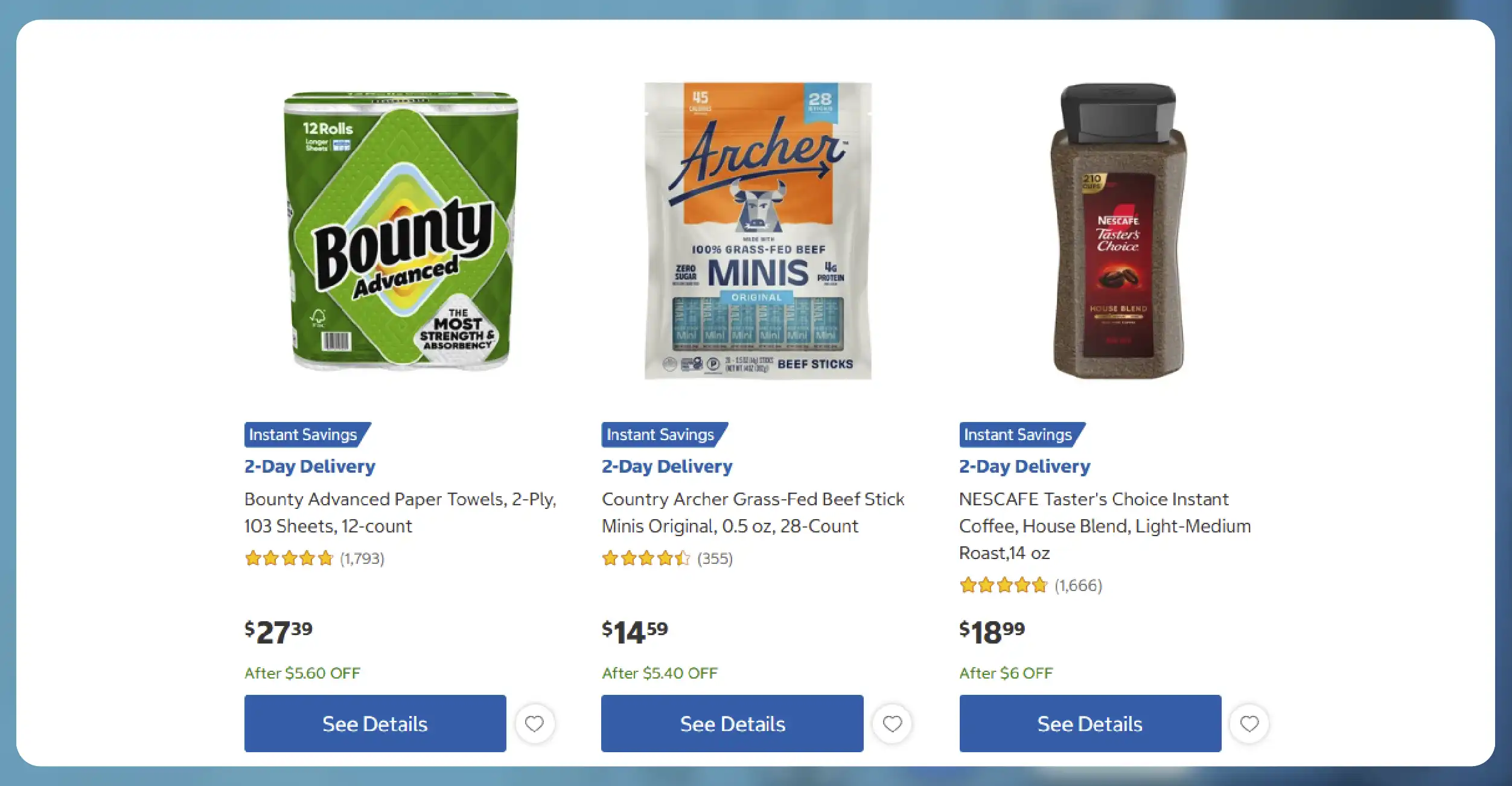
The grocery industry depends heavily on real-time information because product availability and pricing can change frequently. Extract Real-Time Costco Grocery Data to maintain updated records and analyze current market conditions. Real-time data collection provides a clearer view of inventory changes, pricing adjustments, and promotional activities.
For supermarkets and online retailers, monitoring competitors is essential. Companies can compare product ranges, pricing structures, discounts, and customer-focused strategies to improve their own offerings. Data-driven analysis helps businesses understand where they stand in the market and identify areas where improvements are needed.
Collected data can also support demand forecasting. By reviewing historical product trends, businesses can predict future demand patterns and optimize inventory planning. This reduces stock shortages and helps organizations maintain products that customers are actively searching for.
Product, Pricing, and Category-Level Insights
A structured grocery dataset provides multiple layers of retail intelligence. Businesses can analyze products by category, brand, price range, and availability status. This allows them to identify high-performing products and understand customer purchasing trends.
Pricing intelligence is another major advantage of product data collection. Businesses can compare prices across categories and monitor how competitors adjust their pricing strategies. Costco Grocery Data for Competitive Analysis enables companies to evaluate market positioning and make informed decisions based on measurable information.
Retailers can examine factors such as:
- Product assortment changes
- Price differences between similar items
- Promotional patterns
- Brand visibility
- Seasonal product movement
These insights are valuable for companies involved in retail strategy, supply chain management, and ecommerce operations.
Competitive Pricing Strategies Using Grocery Data
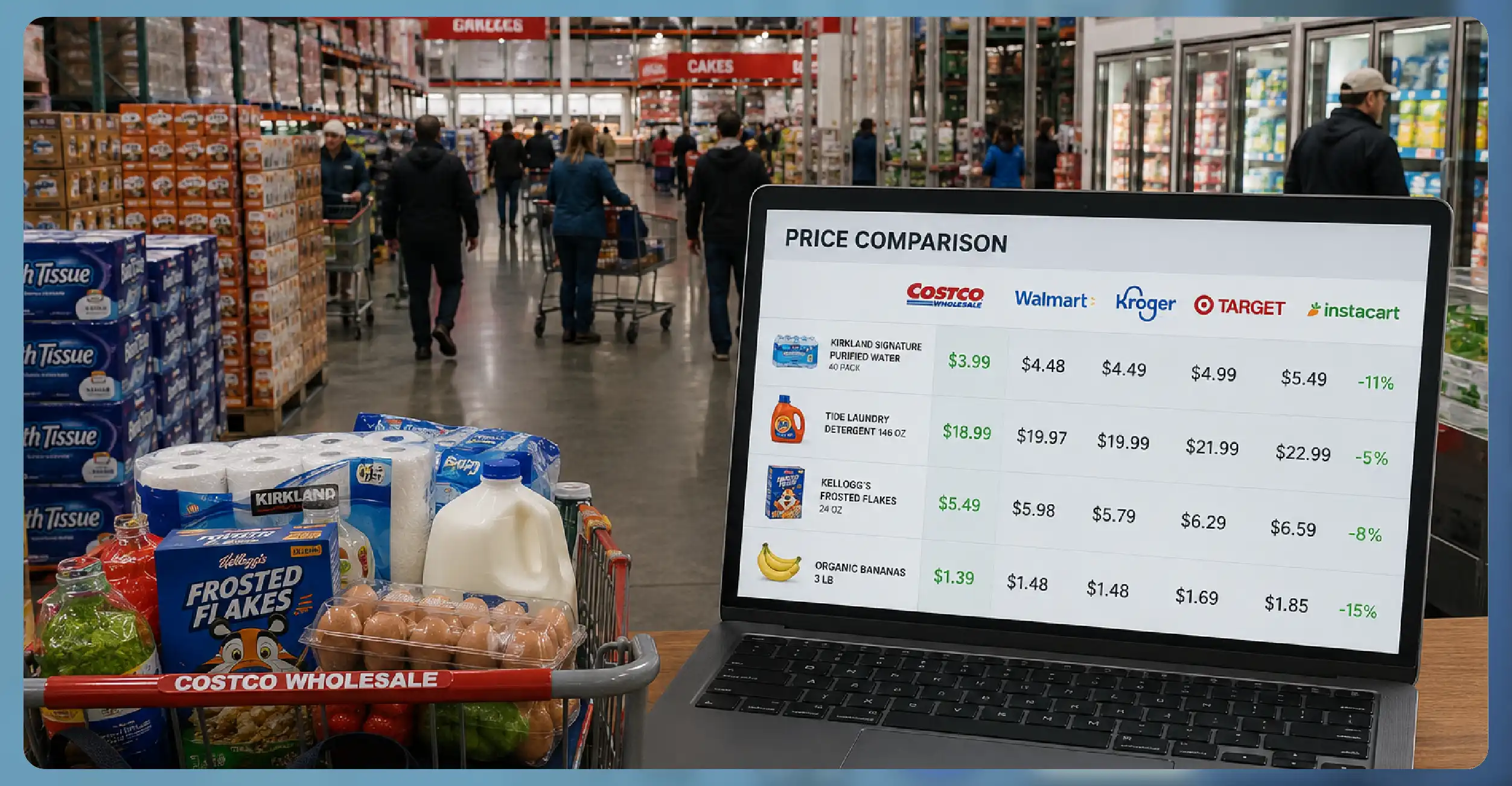
Competition in grocery retail is not limited to product availability; pricing plays a significant role in attracting customers. Businesses need to understand market prices to remain competitive without reducing profitability.
Costco competitor price analysis helps organizations evaluate pricing trends and compare their offerings with other retailers. By studying product-level pricing information, companies can identify opportunities to optimize their pricing strategies.
For example, a retailer may discover that certain product categories have frequent price changes while others remain stable. This information allows businesses to create flexible pricing models and develop targeted promotions.
Competitive pricing insights also help brands understand how their products perform in the marketplace. If similar products are priced differently across retailers, businesses can analyze customer preferences and adjust their positioning.
Building Reliable Grocery Intelligence Systems
Data collection is only valuable when the information is accurate, organized, and easy to analyze. A structured Costco Grocery Dataset provides businesses with organized product records that can be integrated into analytics platforms, dashboards, and reporting systems.
A well-prepared dataset may include product titles, descriptions, categories, pricing details, availability information, package sizes, and brand information. These elements help businesses create detailed reports and identify actionable insights.
Data quality is important because incomplete or outdated information can affect business decisions. Regular updates ensure that companies are working with current market information and can respond quickly to retail changes.
Role of Automated Data Collection Solutions
Manual collection of thousands of product records is time-consuming and inefficient. Automated solutions help businesses gather large volumes of information faster while maintaining consistency.
Costco Grocery Delivery Scraping API solutions allow companies to access structured retail information through automated processes. These systems help organizations collect, process, and analyze grocery information without spending excessive time on manual research.
Automation improves scalability because businesses can monitor large product catalogs and track changes regularly. It also supports organizations that require frequent updates for market analysis, pricing intelligence, and inventory research.
Unlock Smarter Grocery Market Insights
Gain accurate product, pricing, and competitor intelligence with our advanced data scraping solutions to make faster, data-driven retail decisions.
Applications Across Different Industries
Costco product information can benefit multiple business sectors. Retailers use collected data to improve assortment planning and pricing strategies. Brands analyze market presence and customer demand. Research firms use retail intelligence to understand industry movements.
Ecommerce companies can use grocery information to enhance their comparison platforms and improve customer recommendations. Investors and analysts can study product trends to evaluate market growth opportunities.
Supply chain teams also benefit from product availability insights. Understanding demand and inventory movement helps businesses improve forecasting and reduce operational challenges.
Future of Grocery Data Intelligence
The future of grocery retail will continue moving toward data-driven decision-making. Customers expect competitive prices, product variety, and convenient shopping experiences. Businesses that understand market changes quickly will have a stronger advantage.
Advanced analytics, automation, and artificial intelligence are improving how companies process retail information. These technologies help businesses identify patterns, predict demand, and create personalized strategies.
As online grocery shopping continues expanding, access to Costco Grocery and Supermarket Data Extraction Services will become increasingly important. Companies that use structured data effectively can improve efficiency, strengthen customer relationships, and compete more effectively.
How iWeb Data Scraping Can Help You?
1. Accurate Product Data Collection
Our data scraping services help you collect detailed product information, pricing updates, availability, categories, and specifications to build reliable datasets for retail analysis and business intelligence.
2. Real-Time Price Monitoring
We enable businesses to track product price changes, promotions, and market fluctuations regularly, helping optimize pricing strategies and maintain competitiveness in dynamic grocery markets.
3. Competitive Market Insights
Our solutions provide structured competitor information, allowing you to compare product ranges, pricing trends, and customer-focused strategies to identify new growth opportunities.
4. Customized Data Solutions
We deliver tailored datasets based on your business requirements, supporting retail analytics, inventory planning, demand forecasting, and strategic decision-making with organized and actionable insights.
5. Scalable Data Extraction
Our advanced scraping solutions collect large volumes of retail information efficiently, helping businesses automate data gathering, reduce manual efforts, and improve operational performance.
Conclusion
Retail success depends on understanding products, pricing, availability, and customer behavior. Access to accurate supermarket information allows businesses to make smarter decisions and respond faster to changing market conditions. Grocery and Supermarket Store Datasets provide valuable insights that help organizations analyze product trends, pricing movements, and competitive opportunities.
Modern businesses require scalable solutions to collect and organize retail information efficiently. Grocery & Supermarket Data Extraction Services support companies by transforming online product information into structured datasets for analytics and decision-making.
Technology-driven solutions continue to improve how businesses gather and analyze market intelligence. Web Scraping API Services help organizations automate data collection processes and build reliable systems for continuous retail monitoring.
Experience top-notch web scraping service and mobile app scraping solutions with iWeb Data Scraping. Our skilled team excels in extracting various data sets, including retail store locations and beyond. Connect with us today to learn how our customized services can address your unique project needs, delivering the highest efficiency and dependability for all your data requirements.