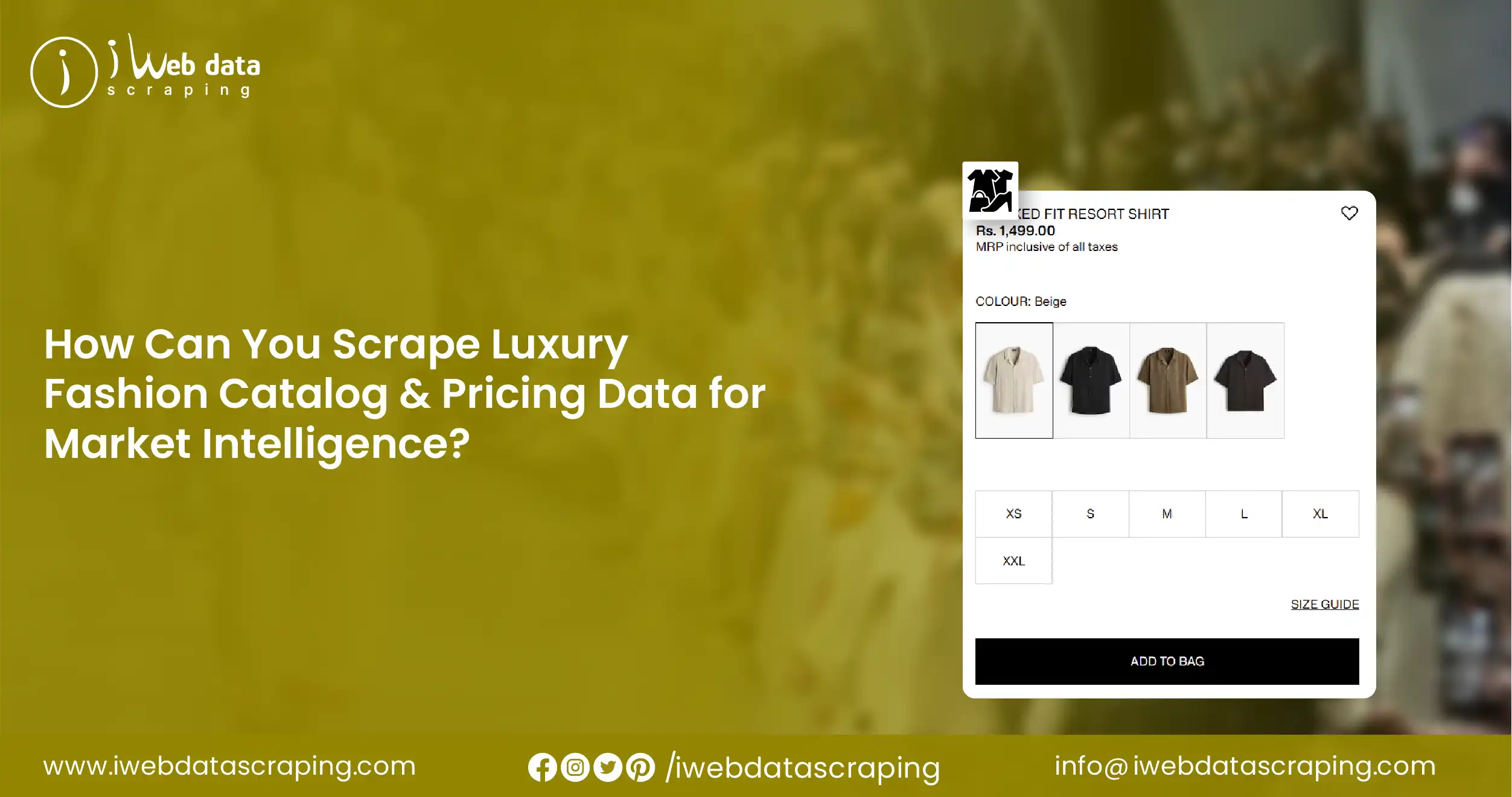
How Can You Scrape Luxury Fashion Catalog & Pricing Data for Market Intelligence?
Introduction
The luxury fashion industry has transformed significantly with the rise of digital commerce, international marketplaces, and online designer stores. Brands and retailers now operate in a highly competitive environment where product availability, pricing strategies, seasonal collections, and customer preferences constantly change. Businesses require accurate information to understand market movements and make strategic decisions. Scrape Luxury Fashion Catalog & Pricing Data to help organizations collect structured information from multiple luxury fashion sources, enabling them to analyze products, prices, trends, and market opportunities effectively.
The increasing competition among premium brands has created a strong need for luxury fashion price monitoring solutions that help companies track price fluctuations, promotional campaigns, regional differences, and consumer demand patterns. Instead of manually reviewing thousands of product pages, businesses can use automated data collection methods to gain continuous visibility into fashion markets.
Modern fashion intelligence also depends on accurate luxury fashion brand data scraping, allowing companies to gather information about designer collections, product launches, specifications, inventory status, and pricing strategies. These insights support better merchandising decisions and help businesses remain competitive in a rapidly evolving digital marketplace.
The Importance of Luxury Fashion Data Collection
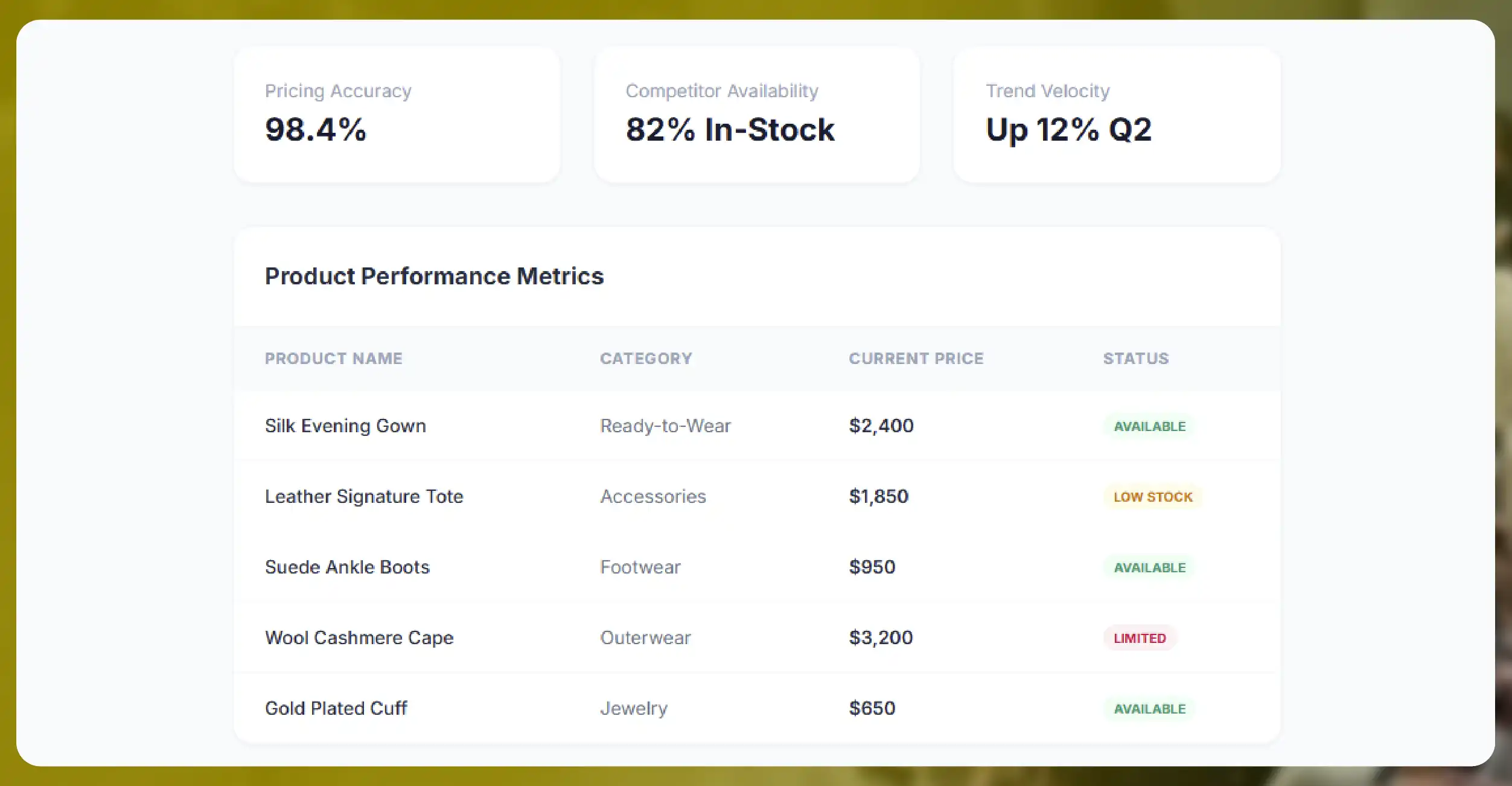
Luxury fashion is built around exclusivity, innovation, and customer experience. However, behind every successful fashion business is a strong understanding of market data. Brands must know how competitors price similar products, how collections perform, and how customer preferences shift over time.
Online fashion stores contain valuable information that can support business growth. Product names, categories, descriptions, images, sizes, materials, colors, availability, discounts, and customer feedback provide essential insights for retailers and analysts.
When this information is collected and organized into structured datasets, businesses can identify opportunities, improve product positioning, and create stronger customer experiences.
Luxury fashion data collection allows organizations to:
- Understand pricing behavior
- Monitor product availability
- Identify new market trends
- Compare competitor offerings
- Improve inventory decisions
- Analyze customer preferences
With reliable data, companies can replace assumptions with measurable insights.
Changing Dynamics of the Luxury Fashion Market
The luxury fashion sector is influenced by many factors, including global demand, economic conditions, seasonal trends, and consumer behavior. Designer brands frequently introduce new collections, limited editions, and exclusive releases that impact purchasing patterns.
Online stores update their catalogs frequently, making traditional research methods slow and inefficient. A product that is available today may become unavailable tomorrow, while prices may change due to demand, supply limitations, or promotional strategies.
Automated data extraction enables businesses to capture these changes consistently. It creates a centralized information source where companies can analyze historical and current market conditions.
Types of Luxury Fashion Information Collected
A detailed fashion dataset contains much more than basic product information. Businesses need comprehensive records that support analytics, forecasting, and strategic decision-making.
Commonly collected information includes:
- Brand names and designer details
- Product titles and descriptions
- Categories and collections
- Pricing information
- Discount details
- Product images
- Material and fabric information
- Size availability
- Color variations
- Stock status
- Customer ratings
- Product reviews
- Delivery information
This information helps retailers maintain accurate catalogs and improve their overall digital operations.
Improving Inventory Management
Inventory availability plays a major role in luxury retail success. Premium products often have limited stock, and customers expect accurate information before making expensive purchases.
Luxury fashion inventory tracking enables businesses to monitor product availability, identify fast-selling items, detect stock changes, and understand demand patterns. Retailers can use these insights to improve purchasing decisions and avoid situations where customers encounter outdated product information.
Inventory intelligence also helps brands reduce excess stock by understanding which products attract attention and which items require strategic promotions.
Competitive Intelligence Through Fashion Data
The luxury fashion industry is highly competitive, with brands continuously analyzing each other’s collections, pricing, and market positioning. Businesses need reliable intelligence to understand where they stand compared to competitors.
Luxury fashion competitor analysis allows companies to compare product ranges, pricing structures, promotional strategies, and assortment decisions. This information helps brands identify market gaps and improve their product strategies.
For example, a retailer can analyze how similar products are priced across different platforms and adjust its own strategy accordingly. Such insights improve competitiveness and support better decision-making.
Real-Time Pricing Insights
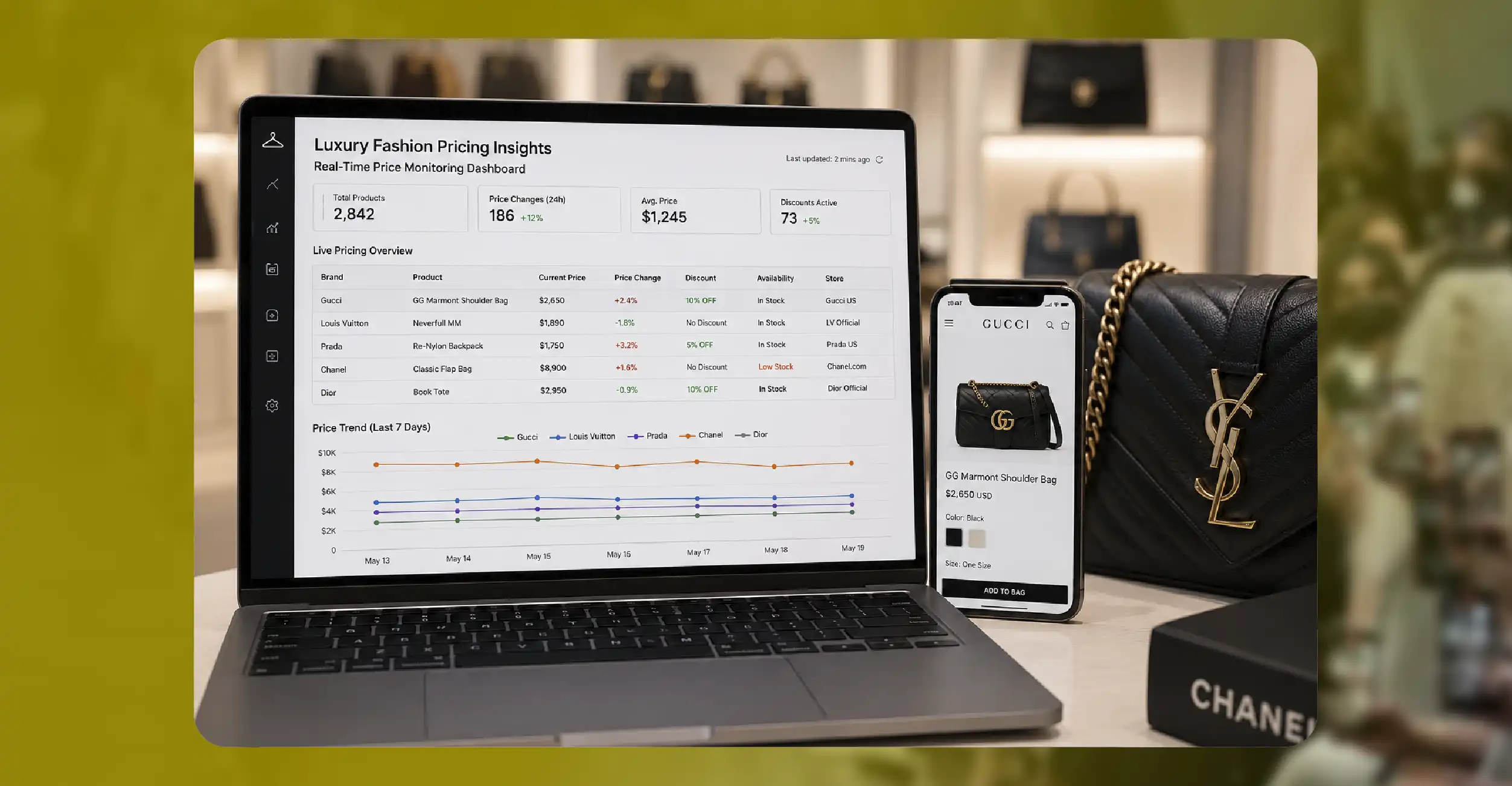
Pricing is one of the most important factors in luxury fashion. Even small price changes can influence customer perception and sales performance.
Real-time luxury fashion Pricing data Extraction allows businesses to capture current pricing information from online sources and evaluate market changes immediately. Companies can monitor discounts, premium pricing patterns, and regional variations to develop more effective pricing strategies.
Real-time access to pricing information also supports automated dashboards where teams can quickly review market conditions and respond to changes.
Supporting Data-Driven Fashion Strategies
Fashion businesses are increasingly adopting analytics to understand customer behavior and improve operations. Structured data allows companies to identify popular categories, measure product performance, and predict future demand.
Retailers can analyze which products receive more attention, which collections perform better, and how seasonal trends influence purchasing decisions.
Historical data also enables businesses to study long-term patterns and develop strategies based on previous market behavior rather than assumptions.
API-Based Fashion Data Solutions
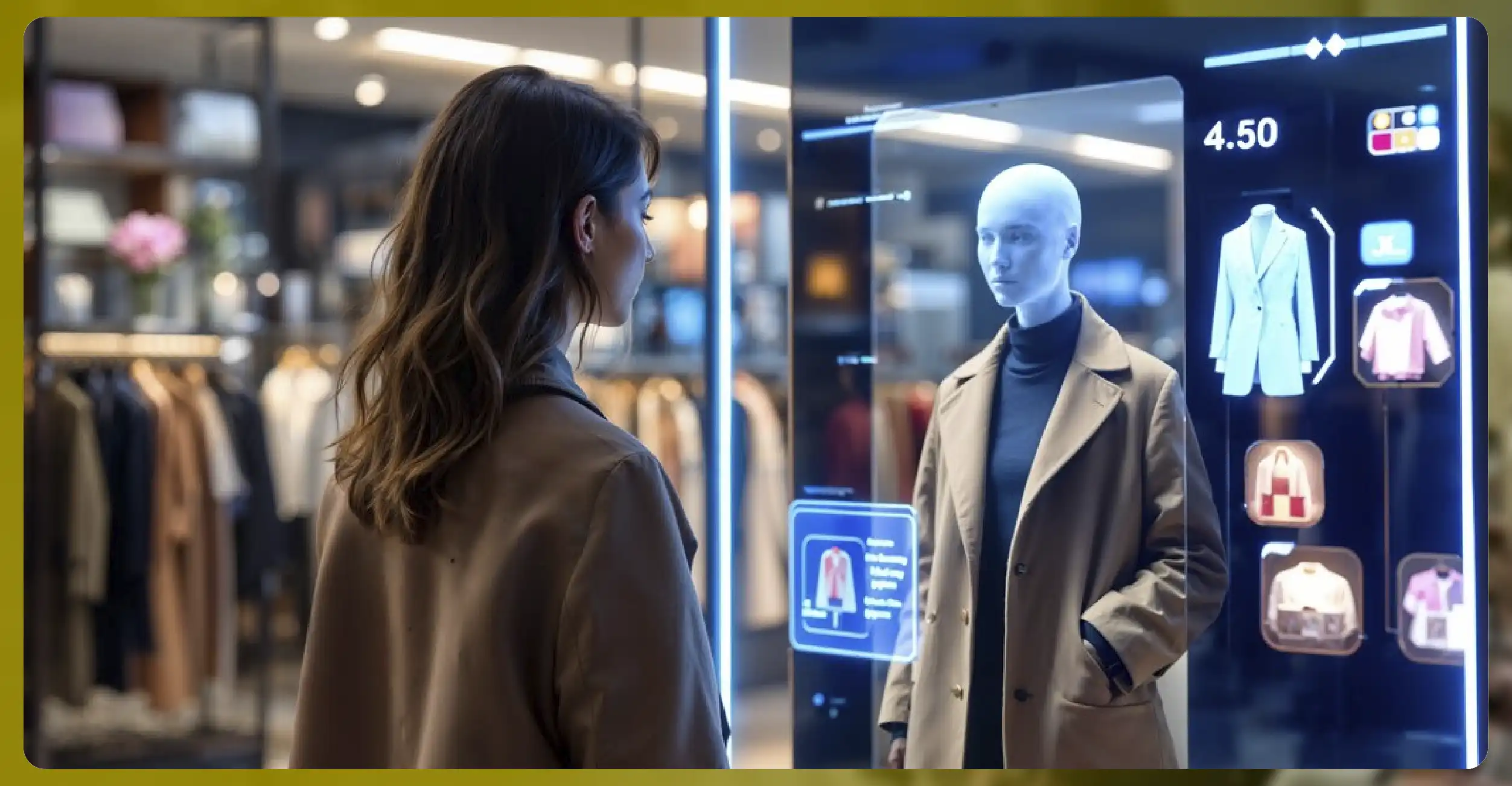
Modern organizations require flexible ways to integrate external information into their internal systems. Data solutions that connect directly with business platforms improve efficiency and reduce manual processes.
Businesses looking for scalable integration can use solutions that Extract luxury fashion data API to connect collected information with analytics tools, dashboards, inventory platforms, and enterprise systems.
API-based access helps companies automate workflows, maintain updated records, and distribute information across departments without repeated manual processing.
Enhancing Product Catalog Quality
Luxury fashion websites often contain thousands of products across multiple categories. Maintaining accurate and organized catalogs is essential for customer satisfaction.
A professional Fashion Product Data Scraping Service helps businesses collect and structure product information consistently. This improves catalog management, reduces duplicate entries, standardizes product details, and supports better search experiences.
Enhanced catalogs also benefit recommendation engines by providing complete product information that helps customers discover relevant items.
Benefits of Using Luxury Fashion Data
Luxury fashion intelligence provides several advantages for businesses operating in competitive markets. Companies gain better visibility into product trends, pricing movements, inventory changes, and competitor strategies.
Data-driven organizations can improve:
- Pricing decisions
- Product planning
- Market research
- Customer experience
- Sales forecasting
- Competitive positioning
By using structured information, businesses can respond faster to market changes and create stronger strategies.
Challenges in Luxury Fashion Data Collection
Although data collection provides significant benefits, fashion websites frequently change their structures, layouts, and technologies. These changes can affect traditional extraction processes.
Some platforms use dynamic loading techniques, location-based pricing, or frequently updated product pages. Businesses require flexible systems that can adapt to these changes while maintaining data accuracy.
Quality control is also essential. Collected information must be verified, cleaned, and standardized before being used for business decisions.
Future of Luxury Fashion Intelligence
The future of luxury retail will depend heavily on data-driven innovation. Artificial intelligence, automation, and advanced analytics are changing how brands understand customers and manage operations.
Companies that adopt reliable data strategies will have stronger opportunities to identify trends, improve customer experiences, and build competitive advantages.
As digital fashion markets continue expanding, real-time information will become a critical resource for decision-makers.
How iWeb Data Scraping Can Help You?
Customized Data Solutions
Businesses receive tailored data collection solutions designed around their specific requirements. The process focuses on gathering relevant information, organizing datasets, and delivering structured outputs that support business goals without unnecessary information overload.
Reliable Data Processing
Advanced processing methods ensure collected information is cleaned, formatted, and validated before delivery. This improves dataset accuracy and helps organizations confidently use information for reporting, analytics, and strategic planning.
Flexible Monitoring Systems
Automated monitoring frameworks help businesses stay updated with changing market conditions. Regular data updates allow teams to identify new opportunities, track developments, and make faster decisions based on current information.
Business Intelligence Support
Collected information can support dashboards, reports, and analytical systems. Organizations can transform raw market information into meaningful insights that improve operational efficiency, planning processes, and overall business performance.
Scalable Data Operations
Whether monitoring a small selection of websites or large international sources, scalable systems support growing requirements. Businesses can expand their data collection efforts while maintaining consistency, reliability, and performance.
Conclusion
Luxury fashion businesses need accurate information to succeed in a competitive digital environment. Product catalogs, pricing details, availability insights, and market trends help organizations create stronger strategies and improve customer engagement.
Modern data solutions provide the foundation for better decision-making by transforming online information into valuable business intelligence. With advanced automation, companies can monitor markets, improve operations, and identify new growth opportunities.
Reliable Price Monitoring Services help businesses understand market movements, while a Price Comparison Service approach enables better evaluation of product pricing across different sources. Advanced Web Scraping API Services further support seamless data integration and continuous access to valuable fashion intelligence.
Experience top-notch web scraping service and mobile app scraping solutions with iWeb Data Scraping. Our skilled team excels in extracting various data sets, including retail store locations and beyond. Connect with us today to learn how our customized services can address your unique project needs, delivering the highest efficiency and dependability for all your data requirements.