How Can Businesses Scrape Saudi Supermarket Prices for Better Retail Insights?
Introduction
Saudi Arabia’s grocery and retail industry is experiencing rapid transformation due to digital shopping growth, changing consumer expectations, and increasing competition among supermarket chains. Retailers, brands, suppliers, and market analysts require accurate pricing information to understand customer behavior and make better strategic decisions. The ability to scrape Saudi supermarket prices helps businesses collect updated product information, compare market movements, and identify pricing opportunities across different grocery categories.
With thousands of products changing prices frequently, traditional manual monitoring methods are becoming inefficient. Businesses now depend on automated data collection methods to maintain accurate market visibility. Effective Saudi grocery price monitoring allows organizations to track price fluctuations, promotional campaigns, product availability, and regional variations without spending extensive time on manual research.
Large supermarket chains have become important sources of market intelligence. Through Panda supermarket data scraping, companies can collect valuable information such as product names, brands, categories, discounts, availability status, and pricing trends to understand how retailers position their products in a competitive environment.
The Growing Need for Retail Data Intelligence
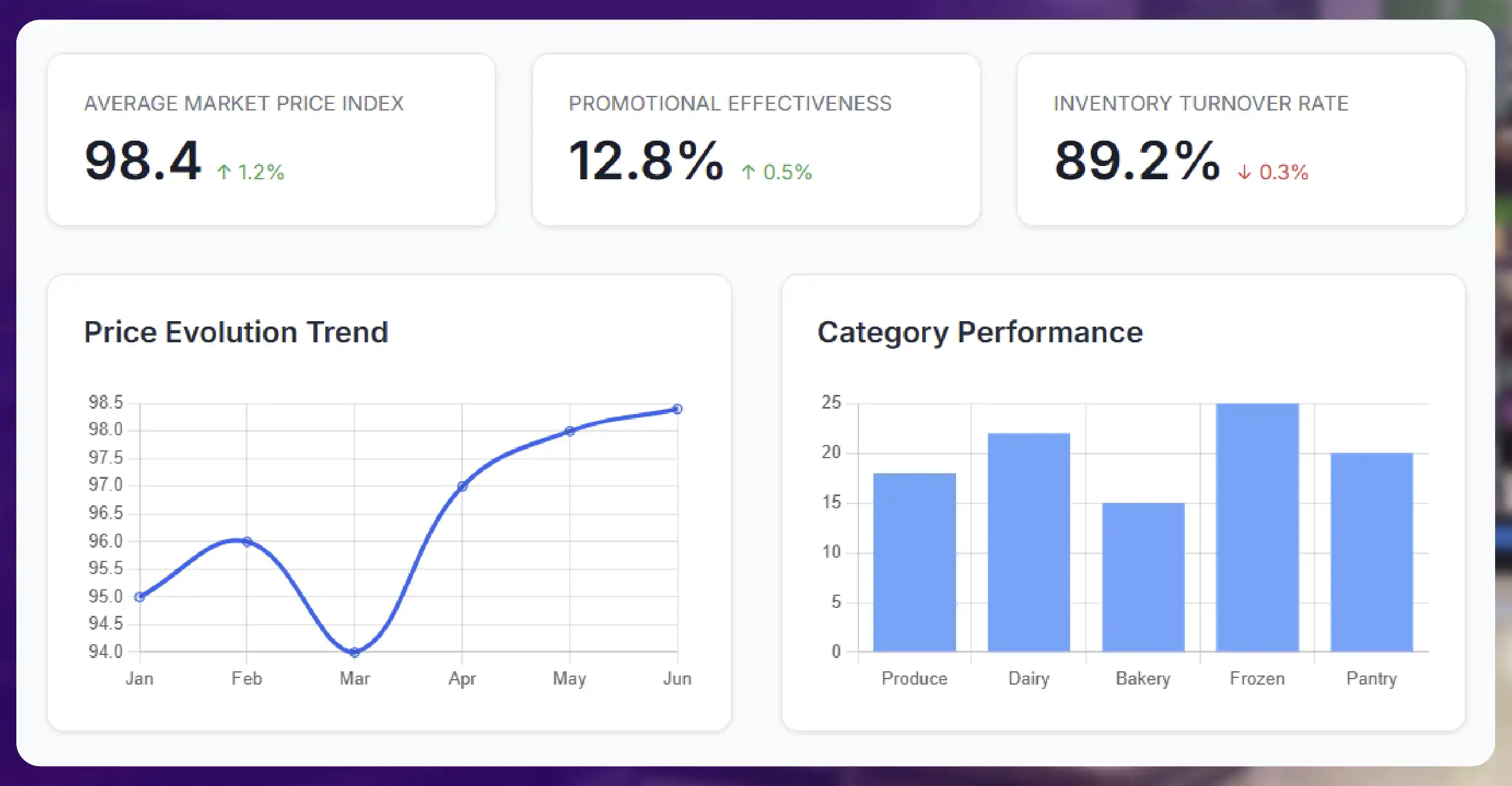
The grocery sector operates in a highly dynamic environment where prices are influenced by supply chains, seasonal demand, customer preferences, supplier agreements, and promotional strategies. Even small price differences can affect customer decisions and brand loyalty.
Retailers and consumer brands need continuous visibility into market conditions. By collecting structured grocery data, companies can analyze pricing patterns, identify emerging trends, and adjust their strategies according to real-time market changes.
Supermarket data collection is useful for businesses that want to:
- Understand competitor pricing behavior
- Identify profitable product categories
- Improve promotional planning
- Track market demand
- Optimize inventory decisions
Accurate information allows companies to move from reactive decision-making toward proactive retail planning.
Data Points Collected from Grocery Platforms
Modern data extraction solutions collect detailed product-level information that supports business analytics. The collected information is cleaned, organized, and converted into structured datasets for easy analysis.
Commonly collected details include product titles, brand names, descriptions, product categories, package sizes, regular prices, discounted prices, stock status, images, and promotional information.
Businesses can also analyze historical pricing records to understand how products perform over time. This helps companies identify seasonal trends and evaluate whether price adjustments are improving sales performance.
Transform grocery market data into actionable insights — partner with us today and unlock smarter retail decisions with accurate, real-time pricing intelligence.
Monitoring Different Retail Channels
Saudi Arabia has a diverse grocery ecosystem with supermarkets, hypermarkets, online grocery platforms, and delivery applications. Each channel offers unique pricing patterns and customer insights.
Comparing multiple retailers gives businesses a broader understanding of market positioning. Instead of analyzing one store, organizations can evaluate overall industry trends and identify where opportunities exist.
This approach supports better decisions related to product launches, pricing campaigns, and distribution strategies.
Understanding Product-Level Market Changes
Different grocery categories experience different levels of pricing movement. Fresh products such as fruits, vegetables, dairy, and meat often change based on supply availability and seasonal factors.
Packaged goods, household items, and personal care products are usually influenced by promotions, supplier agreements, and brand campaigns.
By continuously analyzing these categories, businesses can understand consumer preferences and prepare more effective pricing models.
Promotional Analysis and Consumer Trends
Promotions play an important role in attracting customers. Supermarkets frequently introduce discounts, bundle offers, loyalty benefits, and seasonal campaigns.
Tracking these promotional activities provides insights into how retailers compete for customers. Companies can evaluate which offers create stronger engagement and how competitors position similar products.
Historical promotion analysis also helps businesses plan future campaigns by identifying successful patterns.
Retail Insights from a Leading Supermarket Chain
Large retail organizations generate extensive pricing data that can reveal valuable market patterns. Othaim market pricing analytics helps businesses evaluate product pricing movements, promotional activities, and category-level performance.
By studying these insights, brands can understand how products are positioned within the market and identify opportunities to improve their pricing strategies. Historical analysis also helps businesses forecast demand and prepare for upcoming market changes.
Capturing Information from Major Hypermarkets
Hypermarkets provide a wide range of products across food, household, electronics, and personal care categories. Lulu Hypermarket data Extraction enables organizations to gather structured information about products, offers, availability, and price variations.
This information supports competitive research and allows businesses to compare different retailers effectively. With organized datasets, companies can analyze customer-focused trends and improve their market planning processes.
Improving Market Competition Analysis
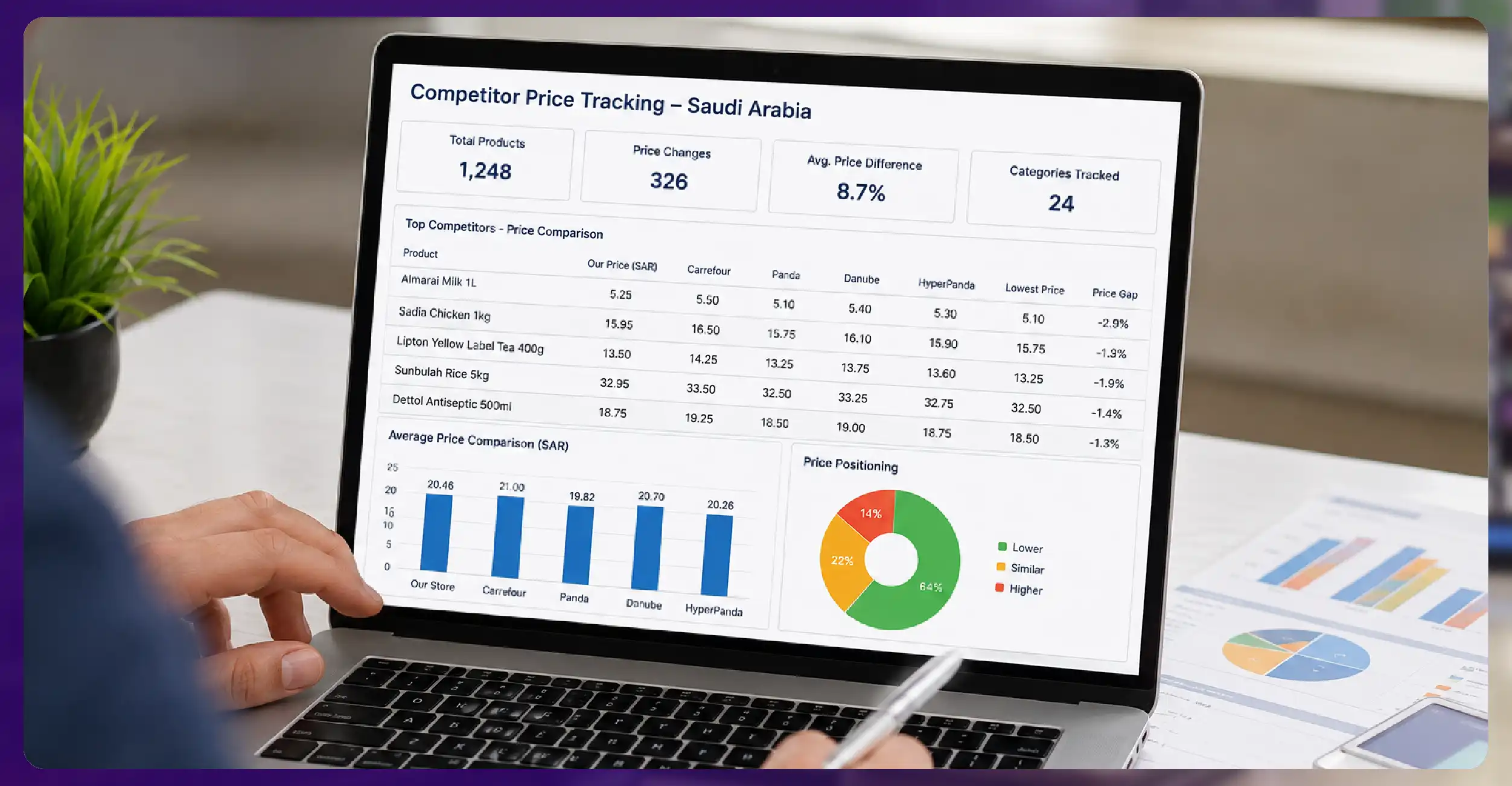
Competition in the grocery industry continues to increase as retailers expand their online presence. Brands need continuous visibility into competitor activities to maintain strong market positions.
Competitor price tracking Saudi Arabia helps businesses compare similar products, evaluate price gaps, and understand how different retailers attract customers.
This information supports better decisions around pricing, promotions, and product positioning. Companies can respond faster to market changes and improve their overall competitiveness.
Using Automated Collection Systems
Manual data collection requires significant resources and often produces outdated information. Automated systems provide faster, more reliable, and scalable solutions for gathering retail intelligence.
Businesses using method to Extract Saudi supermarket pricing data API solutions can integrate updated pricing information directly into their analytics platforms.
API-based systems allow organizations to receive structured information regularly, reduce manual effort, and create advanced dashboards for monitoring retail performance.
Benefits Across Business Operations
Supermarket pricing datasets support multiple industries and departments. Retail teams use this information to improve pricing decisions, while manufacturers use it to understand market positioning.
Distributors can evaluate channel performance, and analysts can study consumer trends.
The collected information helps organizations improve:
- Pricing strategies
- Product planning
- Market research
- Revenue forecasting
- Competitive analysis
As businesses become more data-driven, reliable grocery intelligence becomes an essential resource for growth.
Maintaining Data Accuracy and Quality
Raw retail information must be processed before it can support decision-making. Data cleaning ensures that information remains accurate and consistent.
Important quality steps include removing duplicates, standardizing product names, matching categories, validating prices, and organizing historical records.
High-quality datasets help businesses avoid incorrect conclusions and improve the effectiveness of analytical models.
Future of Grocery Market Analytics
The future of grocery intelligence will be shaped by automation, artificial intelligence, and predictive analytics. Businesses will increasingly combine pricing data with customer behavior, demand forecasting, and supply chain information.
This combination allows companies to predict market movements rather than simply react to them.
Organizations that adopt advanced data solutions will have stronger visibility and greater flexibility in an increasingly competitive retail environment.
How iWeb Data Scraping Can Help You?
Customized Retail Data Collection
Our solutions help businesses gather structured information from multiple sources according to their specific requirements. We design data collection workflows that capture relevant details and organize information into formats suitable for analysis, reporting, and business intelligence applications.
Continuous Market Monitoring
We provide automated monitoring solutions that help companies stay updated with changing market conditions. Regular data collection allows organizations to identify pricing movements, promotional activities, and product changes without depending on manual tracking methods.
Organized and Reliable Datasets
Collected information is processed and structured to ensure usability across different business systems. Clean datasets reduce preparation time and help teams focus on extracting insights instead of spending resources on data formatting and correction.
Flexible Integration Support
Our solutions support integration with analytics platforms, internal dashboards, and business applications. This allows organizations to use collected information within existing workflows and improve decision-making across different departments.
Scalable Business Solutions
Whether businesses need information from a limited number of products or extensive retail catalogs, our infrastructure supports growth requirements. Scalable collection methods ensure consistent performance as data requirements expand over time.
Conclusion
The Saudi grocery market continues to evolve with increasing competition, digital transformation, and changing consumer expectations. Businesses need reliable information to understand market movements, evaluate pricing strategies, and improve customer-focused decisions.
Using structured retail intelligence helps organizations gain deeper visibility into product trends, promotions, and competitive positioning. With accurate datasets, companies can improve forecasting, optimize operations, and create stronger strategies for long-term success.
Grocery and Supermarket Store Datasets help businesses access organized retail information that supports better analysis, market understanding, and strategic planning.
Grocery & Supermarket Data Extraction Services enable organizations to transform large amounts of retail information into actionable insights for improved decision-making.
Web Scraping API Services provide automated access to structured information that supports modern analytics, reporting, and competitive intelligence solutions.
Experience top-notch web scraping service and mobile app scraping solutions with iWeb Data Scraping. Our skilled team excels in extracting various data sets, including retail store locations and beyond. Connect with us today to learn how our customized services can address your unique project needs, delivering the highest efficiency and dependability for all your data requirements.