
41.7K+
PRODUCT AND SOCIAL CONTENT RECORDS PROCESSED

Social Commerce Intelligence for Tracking Product Trends, Influencer Performance, Customer Engagement, and Competitive Insights Across Digital Shopping Platforms.
This case study explores how an enterprise digital intelligence team can transform social interactions, product discoveries, influencer content, and shopping signals into actionable business intelligence through Social Commerce Intelligence. It focuses on connecting social media activity with e-commerce performance to help businesses understand what consumers discover, discuss, recommend, and purchase across digital shopping ecosystems.
It is designed for:
By combining social commerce data scraping with product-level and engagement-level analysis, businesses can identify the relationships between content visibility, consumer interest, and purchasing intent. The approach also incorporates TikTok Shop product and sales data where accessible and permitted, helping analysts examine product listings, promotional activity, creator-led discovery, and available sales indicators within a unified analytical framework.
Social commerce has transformed the relationship between entertainment, community engagement, product discovery, and online purchasing. Consumers increasingly encounter products through creator videos, livestreams, recommendations, comments, and shoppable content rather than relying exclusively on traditional search or marketplace browsing. For brands, this creates valuable opportunities alongside new challenges in understanding demand and measuring performance.
The case study examines a structured intelligence framework using social media product trend analysis to identify emerging product categories, recurring consumer interests, and changes in engagement across social shopping environments. The framework connects product mentions, available listing information, promotional signals, and audience reactions to provide a more comprehensive understanding of commercial opportunities.
Through influencer-driven product tracking, analysts can evaluate creator content, sponsored promotions, product associations, engagement patterns, and the observable response to featured items. This helps businesses distinguish between temporary attention and sustained consumer interest while assessing which content formats may support stronger product discovery.
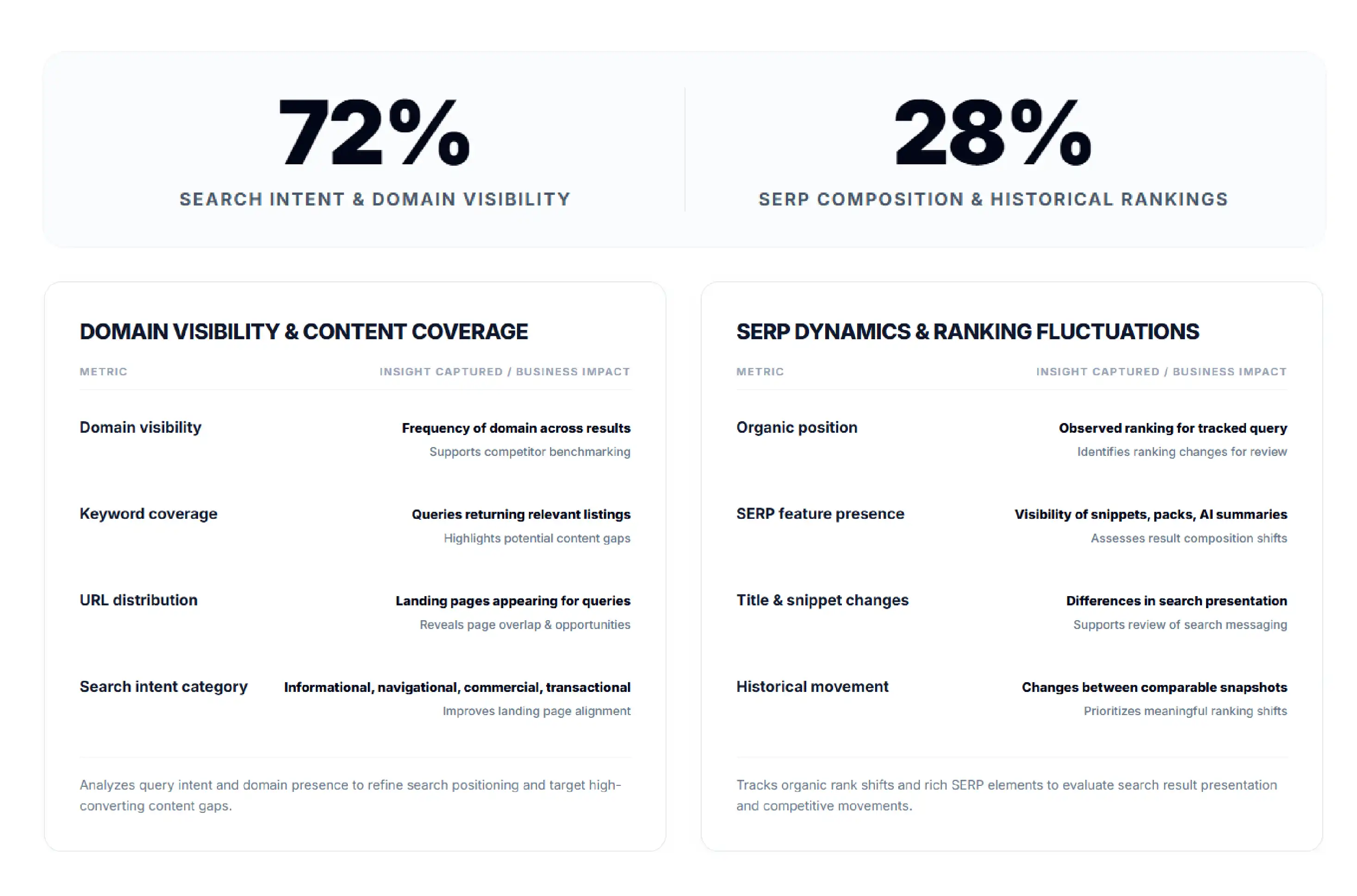
The system also incorporates social commerce competitor intelligence to compare visible product assortments, listed prices, discount messaging, promotional campaigns, and engagement indicators across competing brands and sellers. Structured data pipelines collect accessible information, normalize inconsistent fields, remove duplicates, and organize records into analytical datasets.
The client was a growing digital commerce intelligence organization seeking to understand how social media activity influenced product discovery, customer preferences, and competitive performance. As more consumers interacted with products through creator videos, social recommendations, livestreams, and shoppable posts, the organization faced increasing difficulty connecting these fragmented signals with commercial outcomes.
Its existing monitoring process relied on manual research, disconnected reporting tools, and inconsistent data collection methods. These limitations reduced visibility into emerging products, creator-led campaigns, competitor promotions, and changes in customer sentiment. The organization needed a scalable Social Commerce Intelligence framework to consolidate information and turn rapidly changing social shopping activity into reliable business insights.
Another major challenge was collecting product information consistently across different platforms. Variations in product names, listing formats, promotional labels, and seller information made direct comparisons difficult. The client required TikTok Shop Data Scraping capabilities to organize accessible product listings, pricing information, promotional details, and available performance indicators into a standardized analytical structure.
The client also struggled to identify which products were gaining attention and whether that attention translated into meaningful commercial interest. High engagement did not always indicate purchase intent, while emerging products could gain popularity before traditional sales reports reflected changing demand.
Furthermore, fragmented collection processes limited the organization's ability to benchmark competitors and identify repeated promotional strategies. It required Social Media Data Scraping to consolidate relevant public-facing content, product mentions, engagement signals, and campaign information across supported social platforms.
To address these challenges, the client needed a unified system that could connect social content, product information, competitive activity, and audience response while preserving data quality and respecting platform access restrictions.
The client also struggled to answer several operational questions:
By implementing an automated social commerce intelligence pipeline, the client could replace fragmented manual monitoring with a consistent process for collecting, validating, and analyzing relevant product and content information. The framework was designed to connect social engagement with commercial indicators, making it easier to recognize patterns and prioritize business opportunities.
| Dimension | Manual Social Commerce Tracking | Structured Intelligence Pipeline |
|---|---|---|
| Data collection | Manual browsing of selected posts and product listings | Automated ingestion from permitted and accessible sources |
| Product discovery | Trends identified after repeated manual observation | Emerging product signals detected through continuous analysis |
| Pricing comparison | Inconsistent checks across sellers and platforms | Standardized price, discount, and product comparisons |
| Influencer analysis | Engagement reviewed individually | Creator, content, product, and engagement records linked |
| Sentiment tracking | Subjective interpretation of comments | Consistent sentiment classification with validation |
| Competitor monitoring | Periodic reviews of selected competitors | Repeatable monitoring of product and promotional changes |
| Reporting speed | Dependent on manual research and consolidation | Scheduled processing and refreshed analytical dashboards |
| Scalability | Limited by analyst availability | Expandable pipelines and reusable data structures |
| Decision support | Disconnected observations and spreadsheets | Consolidated insights for marketing and commercial teams |
The structured approach does not automatically reveal every sale or consumer interaction. Instead, it combines the information that can legitimately be accessed with clearly defined metrics, helping analysts distinguish directly observed facts from estimates and analytical interpretations.
The brand in focus is a digital intelligence organization operating at the intersection of social media analytics, e-commerce research, and consumer behavior intelligence. Its objective is to help commercial teams understand how online conversations, creator recommendations, product visibility, and promotional activity influence the modern shopping journey.
As social commerce expanded, the organization encountered a growing volume of product-related information across video platforms, creator communities, brand accounts, and online storefronts. Each source presented a different perspective on consumer interest, but the absence of a unified data structure made it difficult to compare performance consistently.
The organization therefore required an analytical framework that could connect individual products with the content promoting them, the creators featuring them, and the audience responses surrounding them. Product attributes, listing prices, discount information, engagement measures, review signals, and available sales indicators needed to be organized into a common format.
The new framework emphasized reliable data collection, standardized product identification, historical comparisons, and practical dashboards. Analysts could examine which categories attracted attention, which products repeatedly appeared in influential content, and where competitors were adjusting their promotional strategies.
The objective was not simply to collect more information. It was to create a dependable foundation for commercial decision-making, enabling the organization to interpret social shopping behavior with greater speed, consistency, and analytical depth.
We developed a structured analytical approach designed to transform accessible social commerce information into organized datasets and actionable business insights. The solution connected product listings, creator content, audience engagement, promotional information, and available customer feedback through a repeatable collection and processing workflow.
The first stage focused on identifying relevant data sources and defining the fields required for analysis. Depending on platform access and availability, these fields included product identifiers, product titles, category labels, seller names, listed prices, discounts, content timestamps, creator identifiers, engagement counts, and accessible product-performance indicators.
The second stage standardized inconsistent records. Product titles were normalized, duplicate entries were identified, timestamps were aligned, and available product identifiers were used to match listings across sources. Where reliable matching was not possible, records were retained separately rather than incorrectly combining different products or variants.
The third stage connected content-level observations with product-level records. This allowed analysts to investigate which products appeared in creator videos, how audience engagement changed over time, and whether similar items were gaining attention across different communities.
The fourth stage introduced sentiment classification and trend detection. Text analysis helped categorize recurring positive, negative, and neutral reactions, while keyword frequency, engagement changes, and repeated product mentions helped identify emerging interests. Automated classifications were treated as analytical signals rather than unquestionable conclusions.
A typical normalized record contained:
After collection, the raw records passed through several processing stages.
Product Normalization: Product titles and identifiers were standardized so that equivalent products could be mapped consistently across platforms.
For example, variations in product naming, category labels, and variant descriptions were normalized to reduce duplicate records.
Creator Normalization: Creator identifiers were standardized to ensure that influencer activity could be analyzed consistently across campaigns.
Sentiment Classification: The system categorized feedback into states such as positive, neutral, negative, or mixed, depending on the data returned during collection.
Duplicate Removal: Repeated records generated during overlapping collection cycles were identified and handled using product, creator, platform, and timestamp combinations.
Historical Storage: Each observation was timestamped, enabling the client to calculate engagement trends and sentiment movements over time.
Alert Prioritization: The analytics layer identified high-priority situations, including products showing significant engagement changes or repeated sentiment issues across communities.
The final dataset was connected to dashboards where analysts could filter information by platform, category, creator, sentiment, and time period.
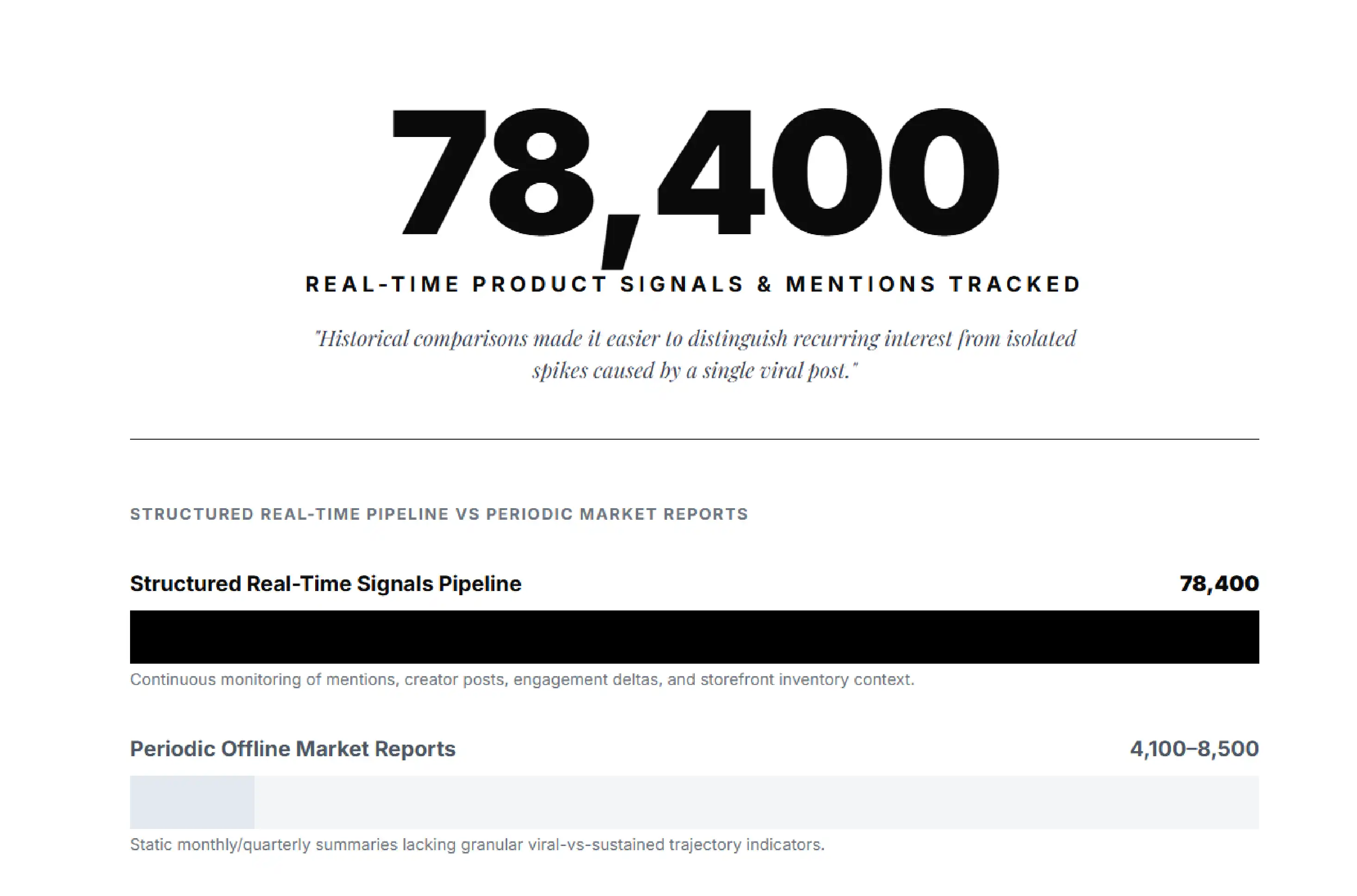
The structured pipeline improved visibility into how products gained attention across social commerce channels. By monitoring product mentions, creator content, engagement changes, and accessible storefront information, analysts could identify items attracting growing interest. Instead of relying solely on periodic market reports, teams could compare emerging product signals and investigate why particular categories were becoming popular.
This helped businesses prioritize research, identify potential merchandising opportunities, and respond more quickly to changing consumer preferences. Historical comparisons also made it easier to distinguish recurring interest from isolated spikes caused by a single viral post.
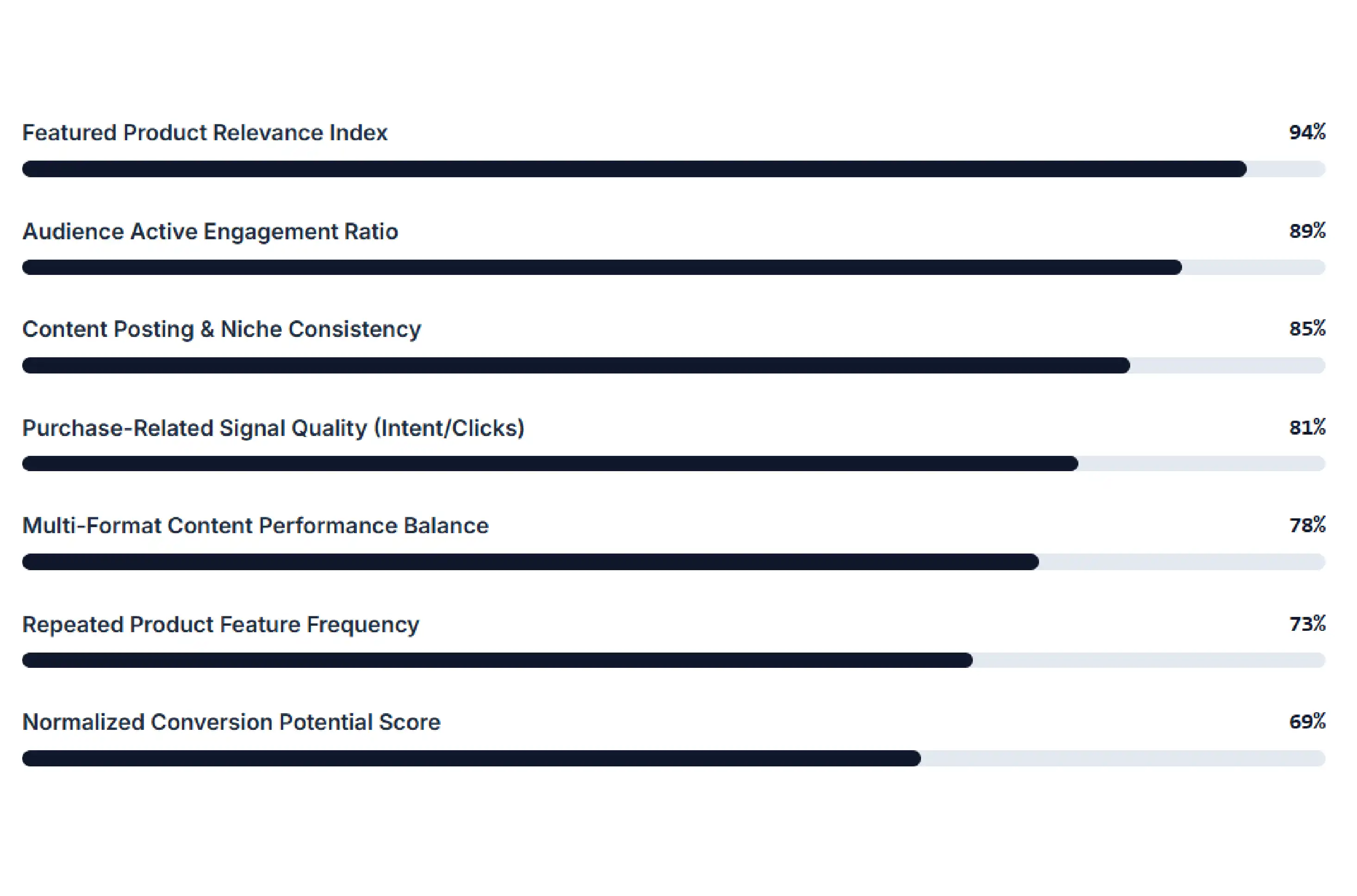
The solution connected creator activity with featured products and observable engagement signals. Analysts could compare content formats, product categories, posting frequency, and audience responses to understand which creator partnerships generated meaningful attention.
The framework also helped teams recognize that follower counts alone were insufficient for evaluating commercial potential. Product relevance, audience interaction, content consistency, and the quality of available purchase-related signals provided additional context for assessing creator performance.
As a result, marketing teams could build more evidence-based creator shortlists, identify products repeatedly featured by relevant influencers, and evaluate campaign performance using consistent metrics.
Social commerce conversations can reveal product attributes that consumers appreciate, questions they repeatedly ask, and problems that may discourage purchases. The solution organized accessible comments, ratings, reviews, and other feedback into structured analytical categories.
| Metric | Insight Captured | Potential Business Impact |
|---|---|---|
| Engagement rate | Interactions relative to views or reach, where available | Identifies content attracting audience participation |
| Product mention frequency | Number of relevant mentions over a defined period | Highlights growing product interest |
| Sentiment distribution | Positive, neutral, and negative feedback classifications | Helps identify customer preferences and recurring concerns |
| Price movement | Changes in observed listing prices and discounts | Supports competitive pricing decisions |
| Creator-product association | Products featured by individual creators | Improves influencer and campaign evaluation |
| Review patterns | Repeated praise, complaints, and product-related questions | Supports product improvement and merchandising decisions |
| Availability signals | Observed listing or stock-status changes | Helps identify potential assortment and availability gaps |
These indicators provide a more complete view of customer interest than engagement totals alone. Sentiment results still require appropriate validation, particularly where sarcasm, slang, multilingual content, or limited context can affect automated interpretation.
The following illustrative dataset demonstrates how product information, creator activity, engagement, sentiment, and visible pricing can be organized into a single analytical view. The channel names and figures are hypothetical examples, not verified platform measurements or actual client results.
| Product / Category | Content Type | Observed Engagement Rate | Sentiment | Views | Top Signal |
|---|---|---|---|---|---|
| Glow Serum | Creator video | 8.4% | Positive | 120K | Skincare routine |
| Wireless Earbuds | Product demonstration | 6.9% | Neutral | 98K | Battery life |
| Everyday Sneakers | Shoppable video | 7.5% | Positive | 110K | Comfort |
| Portable Blender | Livestream promotion | 5.8% | Mixed | 85K | Ease of cleaning |
| Insulated Bottle | Lifestyle post | 6.7% | Positive | 92K | Temperature retention |
| Compact Air Fryer | Creator review | 7.2% | Mixed | 104K | Cooking convenience |
Illustrative values are provided solely to demonstrate dataset structure. Engagement rates, views, and sentiment labels require defined measurement windows and consistent collection methods.
A more comprehensive dataset could contain product IDs, seller IDs, creator handles, content URLs, category labels, observation timestamps, listed prices, discounts, available stock indicators, review counts, rating averages, and links to source records.
Combining these fields allows businesses to compare product performance across periods, investigate creator-led demand signals, and identify differences between social attention and observable storefront activity.
A structured social commerce intelligence framework can improve how marketing, merchandising, and competitive intelligence teams evaluate emerging opportunities. By consolidating product and content information, organizations can reduce fragmented research and make decisions using more consistent evidence.
The following are potential outcome measures for an implementation of this type, not verified results achieved by the illustrative client.
To measure these improvements responsibly, organizations should establish baseline reporting times, define consistent performance metrics, document data coverage, and compare results across equivalent periods. Commercial outcomes should be evaluated against appropriate business measures rather than attributed to data collection alone.
iWeb Data Scraping helps businesses establish structured data collection workflows that bring relevant information from multiple accessible digital sources into a consistent analytical environment. For social commerce applications, this means connecting product listings, creator content, visible promotional information, and audience feedback in formats suitable for comparison and reporting.
The approach emphasizes data standardization and quality management. Product titles, category fields, timestamps, seller details, and other available attributes can be normalized to improve consistency across records. Deduplication and validation processes help reduce errors and prevent misleading comparisons.
It also supports scalable monitoring by organizing collection and processing into repeatable pipelines. Businesses can expand coverage across relevant platforms, product categories, or markets according to their requirements, subject to source availability, platform terms, and applicable privacy obligations.
Finally, structured datasets make it easier to integrate social commerce observations with existing business intelligence tools, reporting systems, and analytical models. This creates a practical foundation for identifying trends, evaluating marketing activity, and making more informed commercial decisions.
"We needed a better way to understand the relationship between social media engagement, product discovery, and online shopping behavior. The structured intelligence approach helped us organize fragmented information into a more consistent analytical framework. Having product, content, and audience signals available together made our research more efficient and improved our visibility into emerging trends. The resulting datasets and dashboards provided a useful foundation for campaign evaluation, competitive analysis, and future planning."
— Head of Digital Strategy
The project established a structured framework for transforming social commerce activity into actionable commercial intelligence. By connecting accessible product listings, creator content, audience engagement, and consumer feedback, the organization gained a more consistent view of emerging trends and competitive activity.
The resulting system supported faster product research, more organized influencer analysis, improved promotional comparisons, and better visibility into customer preferences. Automated processing reduced repetitive data consolidation, while standardized fields made historical analysis and cross-source comparisons more practical.
Integrating Reviews & Ratings Intelligence into the framework helped organize available customer feedback, identify recurring product concerns, and understand how consumer perceptions differed across product categories. These insights could inform merchandising priorities, product selection, customer experience improvements, and marketing communication.
The solution also produced structured E-commerce Datasets containing relevant product attributes, observed pricing information, creator associations, engagement indicators, and other available commercial signals. These datasets could support dashboards, competitive benchmarking, trend analysis, and future predictive analytics initiatives.
Ultimately, the framework provided a scalable foundation for understanding social shopping behavior and translating digital activity into better-informed business decisions. Its long-term value depends on maintaining reliable data coverage, respecting platform access rules, validating analytical outputs, and connecting social signals with independently measured commercial performance.
The company could now answer critical operational questions faster:
This shift from periodic reporting to continuous social commerce intelligence strengthened the organization's ability to manage the rapidly evolving digital marketplace environment.
Most importantly, the project demonstrated that social commerce visibility is not simply an engagement metric. In a competitive e-commerce environment, product and creator intelligence is part of the customer discovery experience and directly influences the opportunity to convert demand into sales.
Social commerce intelligence is the process of analyzing social content, product information, creator activity, audience engagement, and available shopping indicators to understand product discovery, consumer preferences, and competitive performance.
Depending on source accessibility and permissions, it can collect product titles, categories, listed prices, discounts, creator content references, engagement counts, timestamps, ratings, reviews, and other publicly available or authorized information.
Influencer tracking connects creators with the products they feature and the audience responses their content receives. This helps businesses compare campaign activity, evaluate product relevance, and identify potential creator partnerships.
Yes. Monitoring product mentions, engagement changes, repeated creator promotions, and audience discussions can help identify emerging interest. These indicators suggest potential demand but do not independently confirm sales or future success.
Retail, beauty, fashion, consumer electronics, home products, grocery, and other consumer-facing industries can use social commerce intelligence to evaluate product trends, promotional strategies, audience sentiment, and competitor positioning.
Our advanced data scraping and analytics solutions help you transform social media trends, influencer activity, product performance, and customer engagement into structured intelligence, enabling smarter marketing strategies, faster trend detection, and stronger competitive positioning.
Start a projectFields marked * are required. Everything else just helps us scope faster — skip what you don't know yet.