How Can the Viator Travel Customer Dataset like Verified Emails, Phone Numbers, Names & Country Data Improve Tourism Business Intelligence?
Introduction
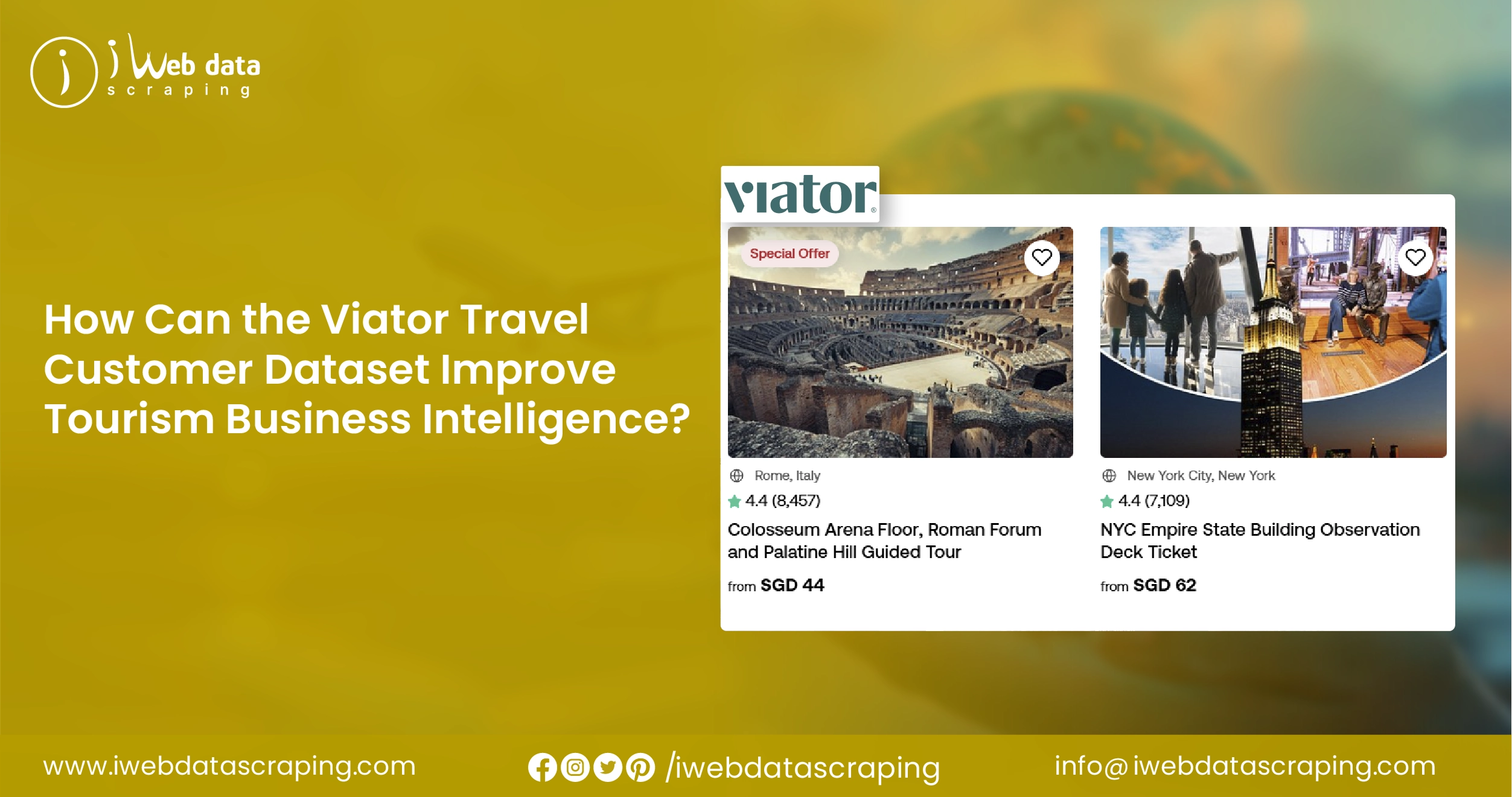
The travel industry has become increasingly data-driven as tourism brands compete to understand traveler intent, booking preferences, destination demand, and spending behavior. Businesses today require accurate customer intelligence to optimize campaigns, personalize offers, and predict future tourism trends. This is where the Viator Travel Customer Dataset plays a transformative role for travel agencies, OTAs, hotel chains, tourism boards, and market researchers.
Modern tourism businesses rely heavily on data-backed insights to understand changing traveler preferences across regions, age groups, travel styles, and booking channels. With the rise of digital tourism platforms, companies can now leverage the Viator travel audience intelligence platform to monitor customer engagement, travel interests, booking timing, cancellation behavior, and destination popularity. These datasets also help brands analyze travel customer analytics and booking data to identify profitable traveler segments and optimize tourism strategies more effectively.
Understanding the Viator Travel Customer Dataset
Viator is one of the world’s leading travel experience marketplaces, offering tours, activities, excursions, sightseeing packages, local experiences, transportation services, and destination-based attractions across thousands of global cities. The dataset generated from Viator contains valuable tourism intelligence that helps businesses evaluate traveler behavior patterns and customer demand trends.
The dataset may include customer preferences, booking history, ratings, reviews, seasonal demand fluctuations, pricing trends, travel duration, attraction popularity, cancellation rates, and geographic demand distribution. Such tourism-focused intelligence provides organizations with a deeper understanding of how travelers interact with destinations and tourism services.
Businesses in hospitality, airlines, destination marketing, and tour operations use this information to improve personalization, campaign targeting, pricing strategies, and service recommendations.
Why Tourism Businesses Need Travel Customer Intelligence?
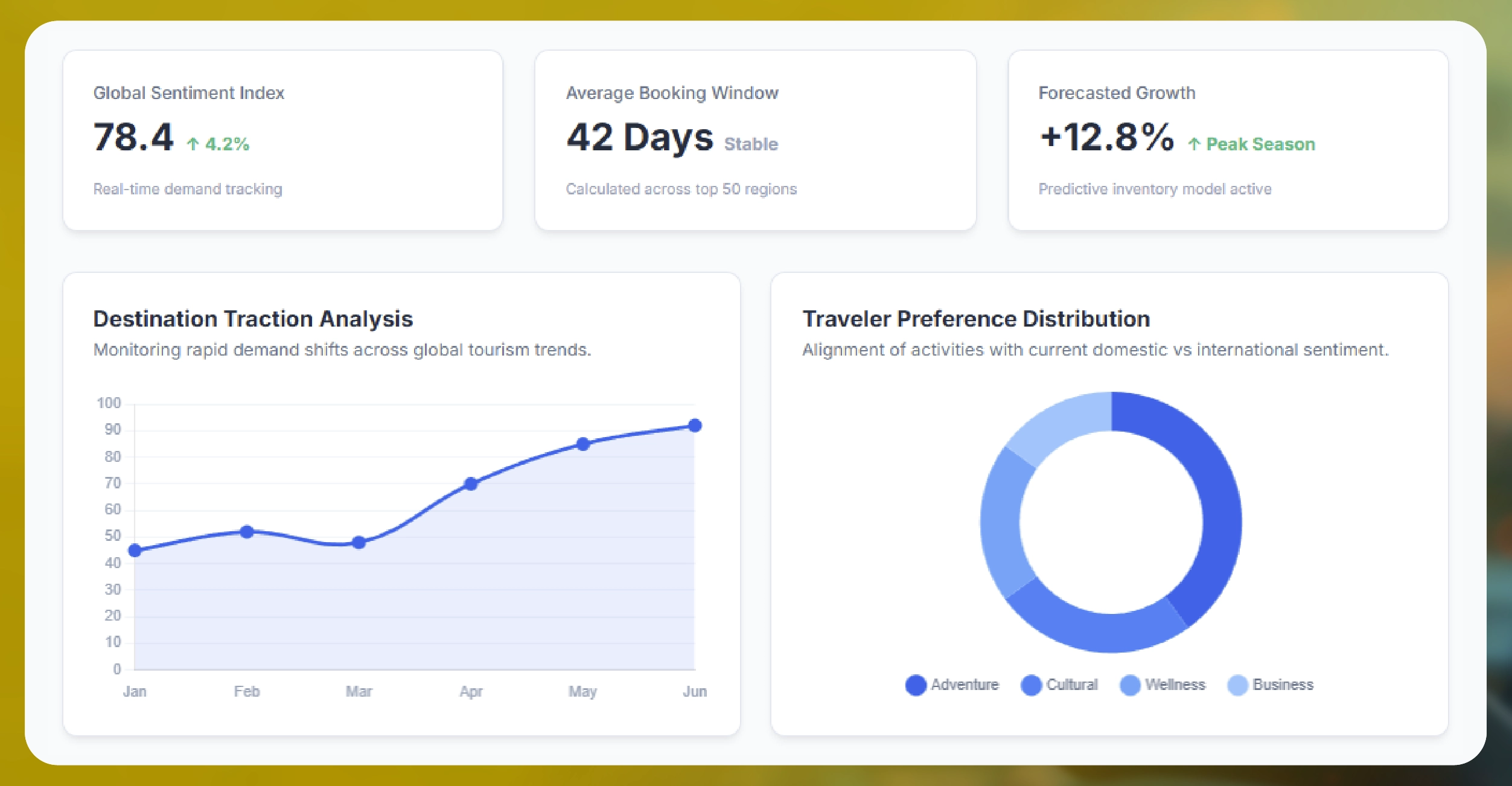
Travel demand changes rapidly due to economic conditions, weather, holidays, traveler sentiment, airline pricing, and global tourism trends. Companies that fail to monitor these shifts often struggle to compete in the tourism marketplace.
Access to tourism datasets allows brands to identify which destinations are gaining traction, which activities travelers prefer, and how booking behaviors differ between domestic and international tourists. These insights help businesses align their marketing strategies with traveler expectations.
The tourism industry also benefits from predictive analysis powered by customer datasets. By evaluating historical patterns, companies can forecast peak travel seasons, optimize advertising budgets, and improve inventory management for tours and accommodations.
Enhancing Tourism Strategies with Audience Analytics
One of the major advantages of travel datasets is their ability to reveal audience behavior at scale. Businesses can evaluate customer intent, browsing behavior, activity preferences, and destination popularity to improve targeting precision.
Using Viator travel market audience analytics, tourism companies can identify high-performing travel experiences, determine which regions generate maximum bookings, and analyze customer engagement across travel categories such as adventure tourism, luxury travel, family vacations, cruises, and cultural experiences.
This information allows travel brands to develop personalized offers that resonate with specific traveler groups. For example, millennials may prefer adventure-based experiences while senior travelers may prioritize guided sightseeing packages and cultural tours.
Audience analytics also help tourism businesses allocate marketing budgets more efficiently by focusing on traveler segments with higher conversion potential.
Importance of Booking Behavior Analysis
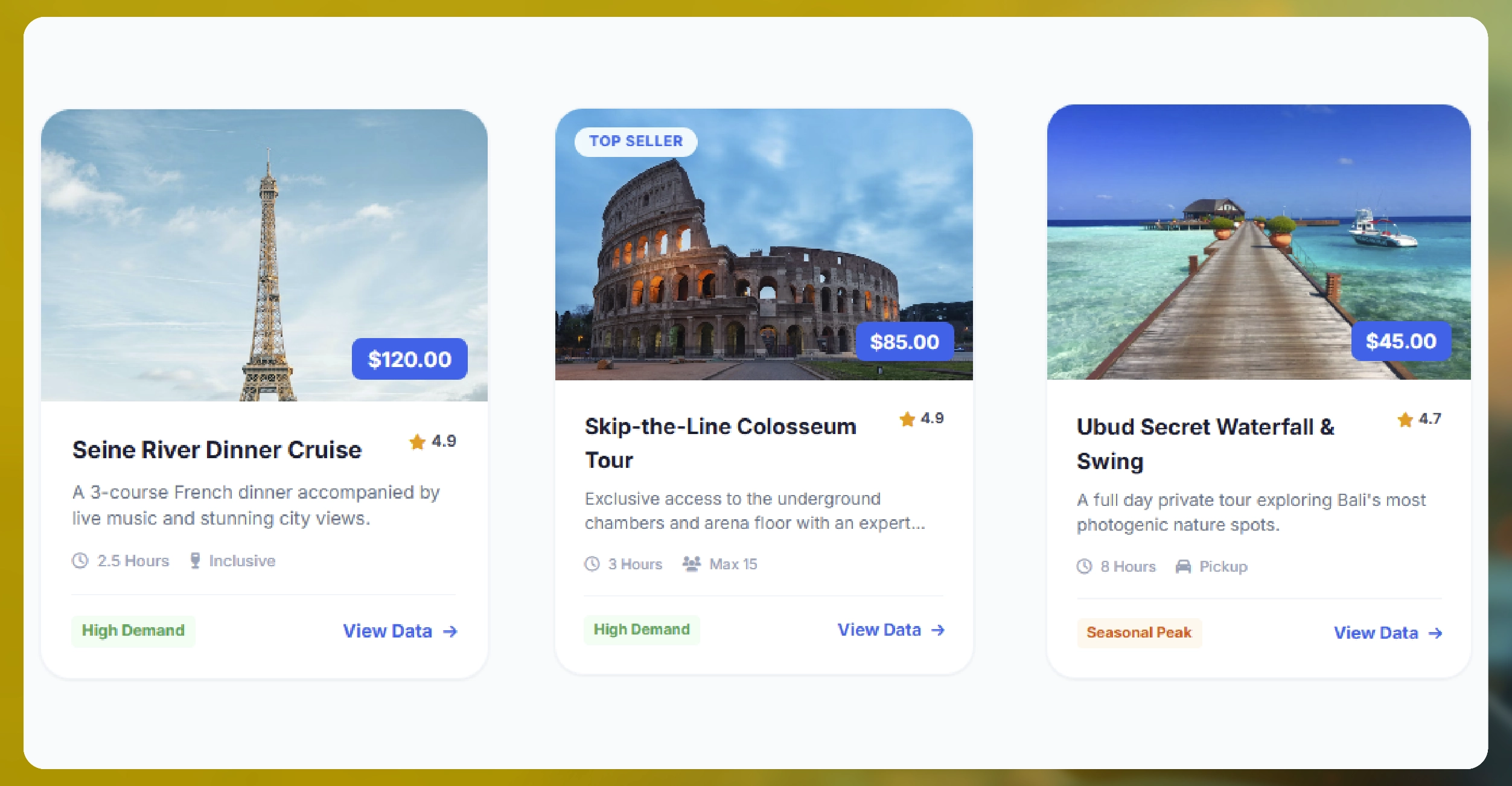
Understanding how travelers make booking decisions is essential for improving customer acquisition and retention strategies. Travel datasets help companies examine booking windows, cancellation patterns, seasonal demand shifts, and repeat purchase behavior.
Businesses can leverage Viator travel booking behavior Scrape solutions to evaluate how customers search for travel experiences, compare pricing, and finalize reservations. This intelligence enables companies to refine pricing structures, launch dynamic promotions, and improve customer engagement campaigns.
Booking behavior analysis also reveals traveler sensitivity to discounts, peak demand periods, and preferred booking channels. These insights can significantly improve tourism revenue management and operational planning.
Travel platforms and OTAs often use this intelligence to automate recommendations and deliver personalized travel suggestions based on previous customer interactions.
Traveler Demographics and Tourism Demand Insights
Tourism success increasingly depends on understanding customer demographics and travel intent. Businesses that understand traveler age groups, income levels, geographic origins, and trip motivations can design highly targeted tourism offerings.
Through traveler demographic and demand insights, businesses can identify valuable customer segments such as luxury travelers, solo tourists, honeymoon couples, backpackers, or family vacationers. These insights help organizations create customized travel experiences tailored to each segment’s preferences.
Demographic analysis also enables tourism companies to understand regional demand variations. For example, travelers from Europe may show strong interest in cultural tourism while travelers from Asia may prefer shopping and entertainment experiences.
Tour operators can use these insights to improve package design, optimize advertising creatives, and personalize communication strategies for higher engagement.
Role of Tourism Audience Segmentation Analytics
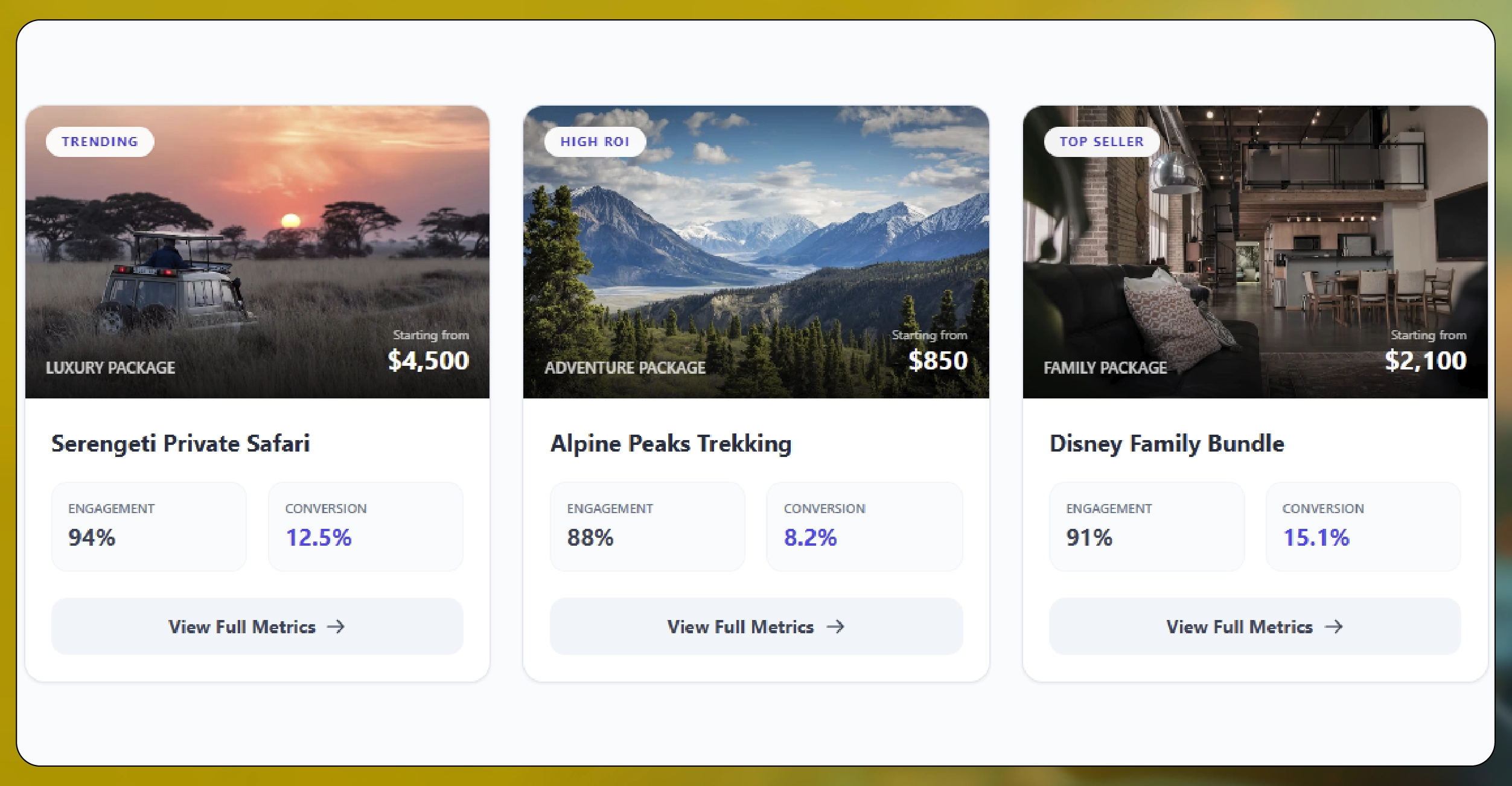
Modern tourism marketing relies heavily on audience segmentation to improve campaign efficiency and traveler engagement. Instead of targeting broad customer groups, businesses now focus on highly specific traveler personas.
Using Viator tourism audience segmentation analytics, companies can categorize travelers based on destination interests, travel budgets, activity preferences, seasonal booking behavior, and trip duration. This segmentation improves marketing precision and reduces advertising waste.
For example, adventure travelers can be targeted with hiking, diving, or safari packages, while luxury tourists may receive premium cruise or private tour promotions. Similarly, family travelers can receive kid-friendly itinerary recommendations and bundled vacation offers.
Segmentation analytics also help travel brands improve customer lifetime value by delivering more relevant experiences that encourage repeat bookings.
Benefits for Hotels and Hospitality Brands
Hotels and hospitality companies benefit enormously from tourism datasets because they rely on understanding traveler demand patterns. Travel customer intelligence allows hotel brands to optimize occupancy rates, pricing strategies, and promotional campaigns.
Many hospitality companies integrate Viator Hotel Data Scraping Services into their tourism intelligence systems to monitor nearby attractions, traveler reviews, activity demand, and regional tourism trends. This helps hotels build strategic partnerships with tour providers and improve guest experiences.
Hotels can also identify peak tourism seasons, evaluate traveler demographics, and design localized travel packages that combine accommodation with nearby activities or attractions.
Additionally, hospitality businesses can use tourism analytics to understand traveler expectations regarding amenities, transportation, dining, and entertainment options.
Unlock smarter tourism growth with real-time travel datasets and actionable customer insights powered by our expert scraping services.
Growing Demand for Travel App Datasets
Digital transformation has significantly changed how travelers discover, compare, and book tourism services. Travelers increasingly rely on mobile apps and digital platforms for itinerary planning, reservations, and destination research.
As a result, demand for Travel & Tourism App Datasets has increased across the travel ecosystem. These datasets provide insights into app engagement, customer search patterns, booking conversion rates, and traveler interactions with digital tourism platforms.
Travel startups and tourism technology companies use these datasets to improve recommendation engines, build AI-powered travel assistants, and enhance customer personalization features.
Mobile-based tourism intelligence also helps businesses understand traveler behavior across different devices and platforms, improving omnichannel marketing strategies.
Importance of Price Intelligence in Tourism
Travel pricing fluctuates constantly due to seasonality, competition, events, airline costs, and tourism demand. Monitoring these changes manually is difficult for travel businesses operating across multiple destinations.
This is why tourism companies increasingly rely on Price Monitoring Services to track competitor pricing, activity costs, hotel rates, and package pricing trends. Accurate pricing intelligence helps companies remain competitive while maximizing profitability.
Price analytics also support dynamic pricing strategies where travel companies adjust rates based on demand, occupancy, booking trends, and competitor activity. Such strategies improve revenue generation during peak tourism periods.
Tour operators can additionally use price monitoring insights to identify underpriced opportunities and optimize promotional campaigns more effectively.
Data Extraction and Tourism Market Research
Tourism market research depends heavily on structured, accurate, and scalable travel data collection. Data extraction technologies enable businesses to gather large volumes of tourism-related information from travel platforms, review websites, booking portals, and destination marketplaces.
Advanced extraction solutions help companies analyze traveler sentiment, attraction popularity, travel trends, and customer reviews at scale. This improves business intelligence capabilities and supports informed strategic planning.
Travel businesses also use extracted tourism data to evaluate emerging destinations, identify niche tourism opportunities, and forecast future market demand.
The integration of AI and machine learning further enhances tourism analytics by enabling predictive insights and automated traveler behavior analysis.
Future of Tourism Intelligence and Customer Analytics
The tourism industry is moving rapidly toward hyper-personalization, predictive analytics, and AI-driven travel recommendations. Businesses that leverage customer datasets effectively will gain a significant competitive advantage in the global travel marketplace.
Tourism intelligence platforms will continue evolving to include real-time traveler insights, dynamic demand forecasting, sentiment analysis, and behavioral segmentation. Companies using structured travel datasets can deliver more personalized experiences, optimize pricing, and improve customer retention.
As competition grows among travel marketplaces, access to accurate customer intelligence will become increasingly important for tourism operators, hospitality brands, airlines, and destination marketing agencies.
How iWeb Data Scraping Can Help You?
Real-Time Travel Insights
Our data scraping services collect real-time travel booking trends, traveler preferences, destination demand, and pricing intelligence, helping businesses make faster decisions, improve marketing strategies, and maximize tourism revenue opportunities globally.
Audience Behavior Analysis
We extract detailed traveler demographics, booking behavior, customer interests, and seasonal tourism patterns, enabling brands to personalize campaigns, improve audience targeting, and increase customer engagement across multiple travel segments effectively.
Competitive Price Monitoring
Our advanced scraping solutions track competitor pricing, hotel rates, travel package costs, and promotional offers continuously, helping tourism businesses optimize pricing strategies and remain competitive in dynamic travel markets.
Scalable Data Collection
We provide scalable travel data extraction services that gather structured tourism intelligence from multiple platforms, supporting market research, demand forecasting, customer segmentation, and strategic planning for travel businesses worldwide efficiently.
Customized Travel Datasets
Our tailored travel datasets deliver accurate information on tours, hotels, traveler reviews, booking trends, and destination popularity, helping businesses enhance operational efficiency, improve customer experiences, and drive sustainable tourism growth successfully.
Conclusion
The growing demand for tourism intelligence has made travel datasets an essential resource for modern travel businesses. From customer segmentation and booking behavior analysis to pricing intelligence and demand forecasting, the Viator Travel Customer Dataset provides valuable insights that help organizations improve decision-making and market competitiveness.
Businesses leveraging tourism datasets can better understand traveler preferences, optimize marketing campaigns, personalize travel experiences, and identify emerging tourism trends across global destinations. With advanced Travel Data Extraction Services, organizations can gather large-scale tourism intelligence for strategic planning and operational efficiency.
Modern tourism companies also rely on Web Scraping API Services to automate travel data collection, monitor market changes, and analyze traveler engagement across digital platforms. As tourism analytics continues evolving, scalable Web Scraping Services will remain critical for businesses seeking accurate, real-time travel intelligence and sustainable growth in the competitive tourism industry.
Experience top-notch web scraping service and mobile app scraping solutions with iWeb Data Scraping. Our skilled team excels in extracting various data sets, including retail store locations and beyond. Connect with us today to learn how our customized services can address your unique project needs, delivering the highest efficiency and dependability for all your data requirements.