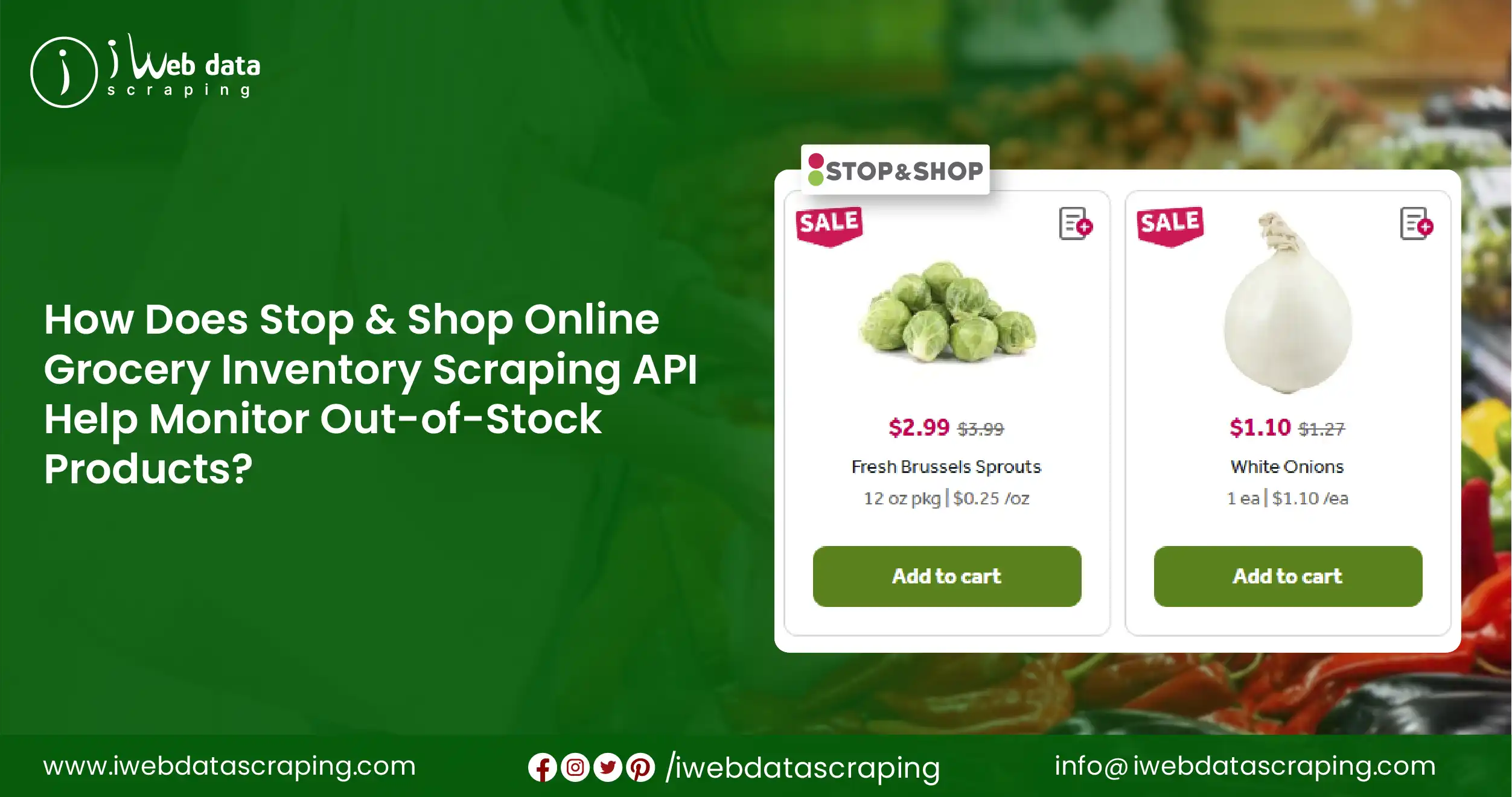
How Does Stop & Shop Online Grocery Inventory Scraping API Help Monitor Out-of-Stock Products?
Introduction
The grocery retail landscape is evolving rapidly with the rise of e-commerce, mobile delivery apps, and customer expectations for instant availability. In this environment, businesses must monitor product inventories, pricing trends, and stock fluctuations in real time. Manually tracking thousands of grocery products across multiple locations is not feasible, which is where advanced APIs and automated data extraction solutions become essential.
For instance, the Stop & Shop Online Grocery Inventory Scraping API allows businesses to collect structured data from Stop & Shop’s digital storefront efficiently. Alongside it, the Stop & Shop Grocery Inventory Data Extraction API ensures that all product information—ranging from pricing to stock levels—is captured accurately and continuously. To complement this, Stop & Shop Real-Time Product Availability Scraping offers up-to-date insights into which items are currently available online, helping businesses avoid the pitfalls of out-of-stock scenarios and missed sales opportunities.
Understanding the Stop & Shop Digital Grocery Ecosystem
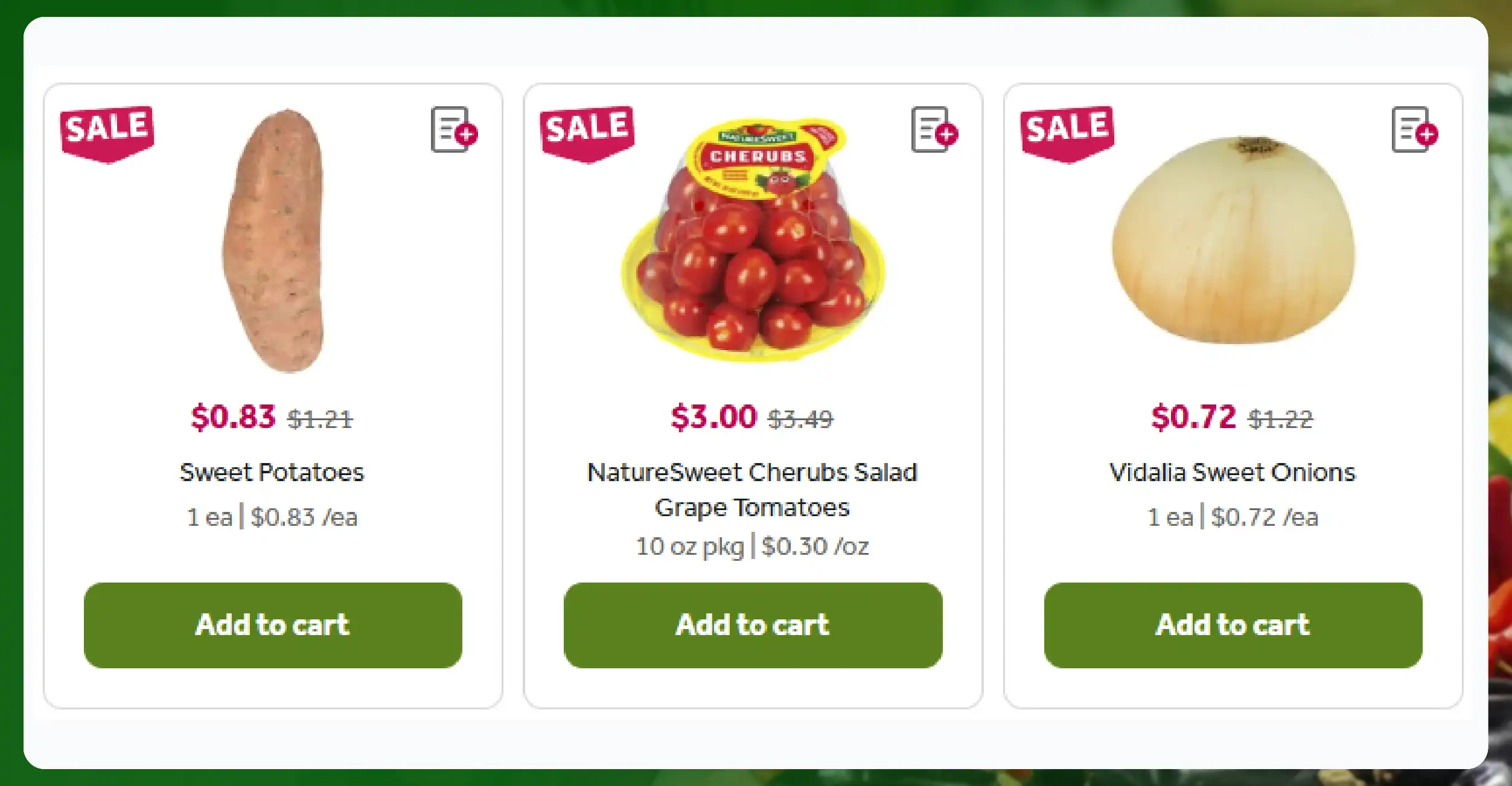
Stop & Shop is one of the largest grocery chains in the U.S., offering thousands of products across categories like fresh produce, dairy, bakery, beverages, frozen foods, pantry staples, and household supplies. Each product page contains a wealth of information, including product name, brand, SKU, price, nutritional details, and availability at store or delivery level.
By leveraging the Stop & Shop Stock Availability Data Scraping API, businesses can automatically extract this information and transform it into structured datasets suitable for analytics, pricing intelligence, and supply chain optimization. For example, a brand selling organic milk can track inventory across multiple stores to ensure consistent stock levels while monitoring competitor prices and availability in real time.
Moreover, Stop & Shop Grocery Product Inventory Tracking allows businesses to track large volumes of SKUs across regions, offering insights into regional trends, seasonal demand, and product replenishment cycles. This ensures that brands and retailers remain proactive rather than reactive in managing inventory, reducing lost sales caused by stockouts or delayed product restocking.
Real-Time Monitoring of Product Availability
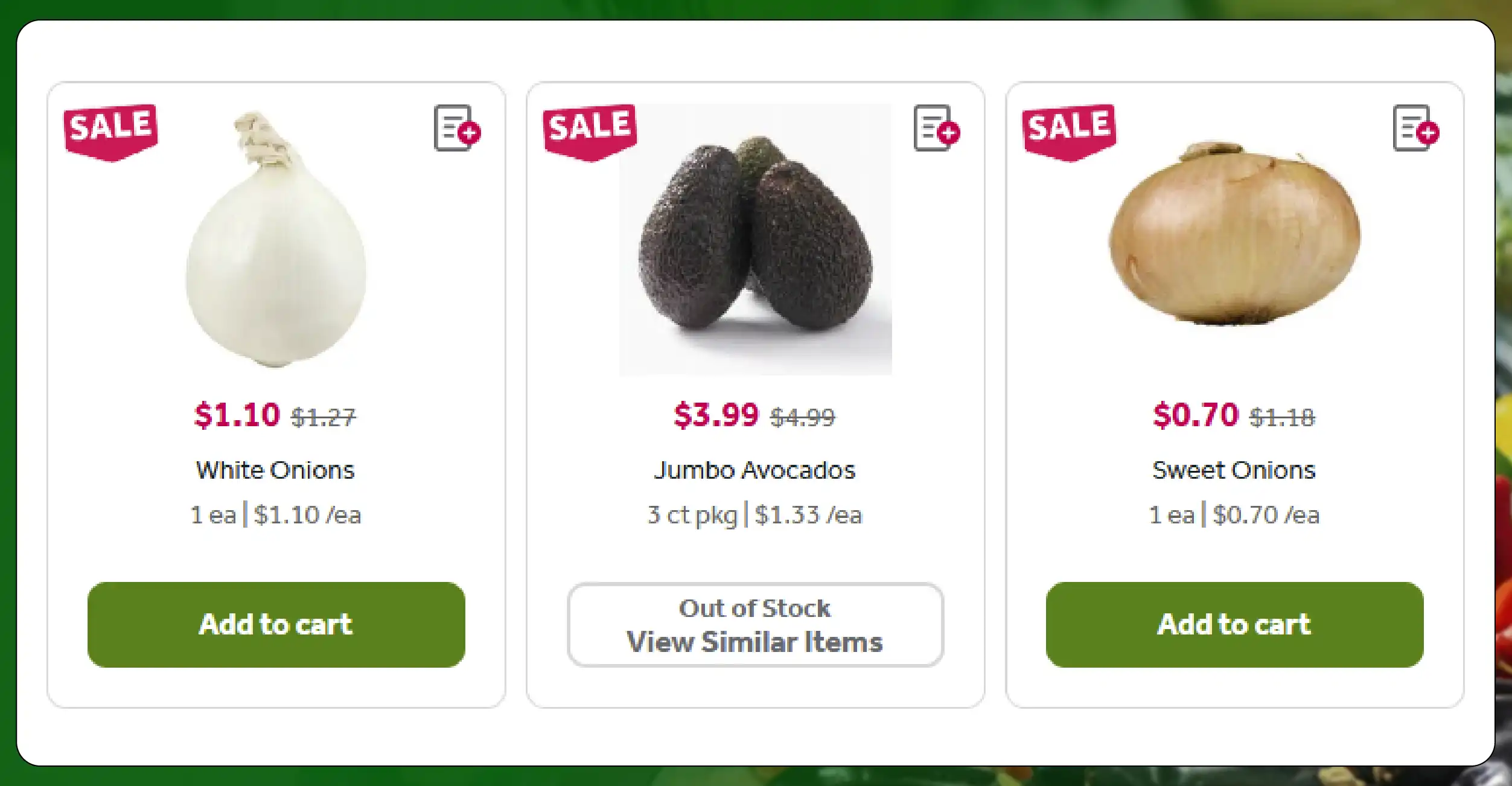
One of the most significant advantages of using automated scraping APIs is real-time visibility into inventory. Consumers often abandon shopping carts if products are unavailable, making availability tracking crucial. With the Stop & Shop Out-Of-Stock Product Monitoring API, businesses can identify which products go out of stock frequently and understand patterns in consumer demand.
For example, frozen pizza brands may experience seasonal surges during holidays. By tracking product availability, retailers can ensure sufficient stock in high-demand periods while suppliers can adjust production schedules. This capability is particularly critical in multi-location grocery operations, where stock availability may differ from one store to another. Continuous monitoring also helps businesses detect sudden shortages, enabling rapid restocking and preventing revenue loss.
Capturing Delivery Data for Operational Insights
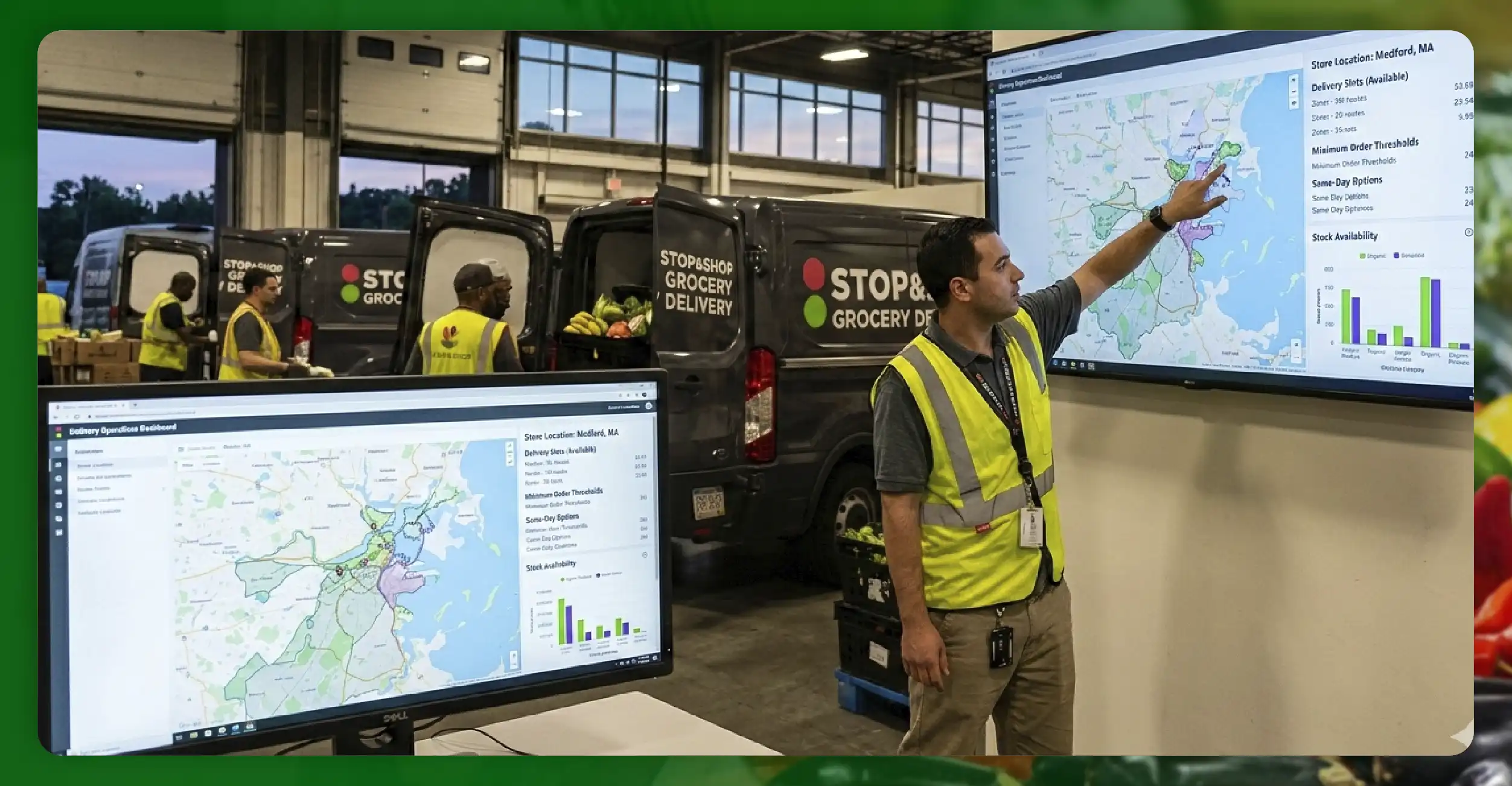
Online grocery platforms, including Stop & Shop, also provide delivery services, where stock availability can vary depending on store location, delivery slots, and regional constraints. Stop & Shop Grocery Delivery Data Scraping Services allow businesses to capture this information efficiently.
Delivery data scraping provides insights into the availability of delivery slots, store-specific product stock, minimum order thresholds, and same-day delivery options. Logistics companies can leverage these datasets to optimize last-mile delivery and route planning, while retail brands can identify regions where certain products are frequently unavailable for delivery. For instance, if organic produce is unavailable in certain delivery zones, suppliers can redistribute inventory to meet demand more effectively.
Building Comprehensive Grocery Datasets
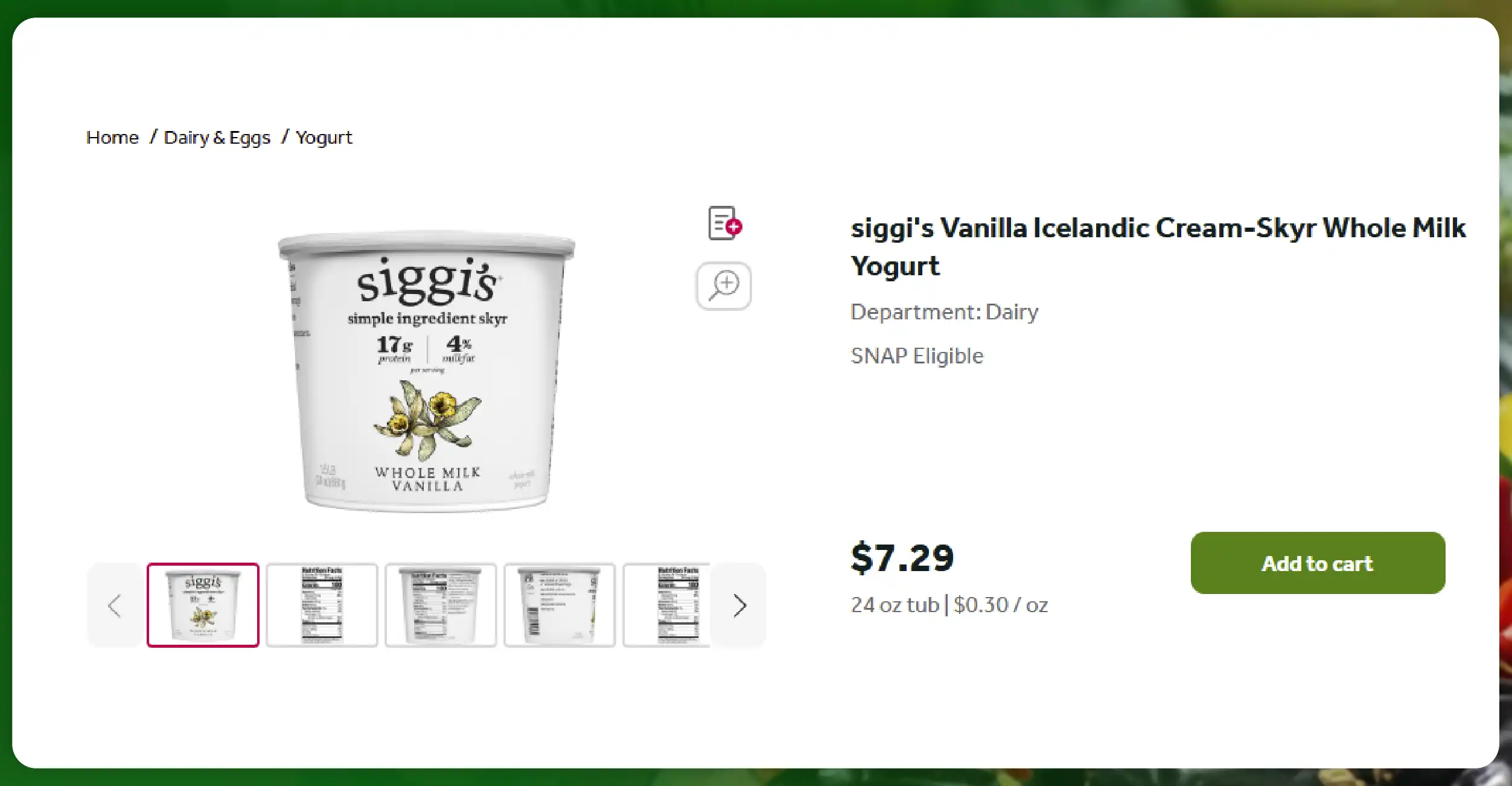
One of the most impactful outcomes of automated scraping is the creation of structured datasets. The Stop & Shop products Dataset typically contains essential attributes, such as product name, category, brand, price, SKU, stock status, and store location.
| Organic Whole Milk |
Dairy |
Horizon |
$4.99 |
In Stock |
New York |
| Brown Eggs Dozen |
Dairy |
Stop & Shop |
$3.49 |
Out of Stock |
Boston |
| Fresh Strawberries |
Produce |
Driscoll's |
$5.99 |
In Stock |
Connecticut |
| Frozen Pepperoni Pizza |
Frozen Foods |
DiGiorno |
$6.99 |
Limited Stock |
New Jersey |
These datasets are indispensable for retailers, manufacturers, and market intelligence firms. They enable insights into product performance, consumer demand, and competitive pricing. Businesses can use these datasets to benchmark products against competitors, optimize inventory distribution, and identify categories requiring expansion.
Through automated scraping, companies also gain access to historical datasets that can reveal trends over time, such as seasonal product popularity, recurring stock shortages, or pricing fluctuations during promotional campaigns.
Unlock real-time grocery insights today and stay ahead with our advanced data scraping solutions—start optimizing now!
Practical Applications in Retail Intelligence
Automated grocery data scraping offers numerous benefits for strategic decision-making:
- Competitive Pricing Analysis: By monitoring competitor prices across Stop & Shop stores, brands can dynamically adjust their own pricing strategies, maintain competitive positioning, and maximize revenue. Grocery Pricing Data Intelligence Services play a vital role in analyzing these fluctuations to drive intelligent pricing decisions.
- Product Assortment and Inventory Optimization: With Stop & Shop Grocery Product Inventory Tracking, retailers can assess which product categories are underrepresented or overstocked. This ensures stores maintain an optimal inventory mix for customer satisfaction and revenue maximization.
- Promotional Monitoring: Scraping promotional campaigns and discounts enables retailers and brands to measure the effectiveness of their marketing strategies, adjust offers dynamically, and respond to competitor promotions in real time.
- Supply Chain Efficiency: Automated data collection highlights stock shortages, enabling suppliers and retailers to proactively manage replenishment, improve forecasting, and prevent lost sales due to out-of-stock scenarios.
- Delivery Optimization: Using Stop & Shop Grocery Delivery Data Scraping Services, businesses can analyze which delivery zones are underserved and adjust distribution to meet demand more effectively.
Workflow of Stop & Shop Scraping APIs
The technical workflow of a modern scraping API is comprehensive yet scalable:
- Product URL Discovery: Automated crawlers identify category and product pages for extraction.
- Data Extraction: The scraping engine collects structured product details such as SKU, price, stock status, brand, and nutritional information.
- Data Cleaning: Raw data is normalized and formatted, removing duplicates or errors.
- Data Structuring: The clean data is stored in structured formats like JSON, CSV, or databases.
- Continuous Updates: APIs monitor inventory changes, price updates, and stock status in real time, ensuring datasets remain current.
This workflow allows businesses to maintain up-to-date information without manual intervention, enhancing operational efficiency and market responsiveness.
Business Benefits of Stop & Shop Inventory Scraping
Adopting automated inventory scraping offers tangible advantages:
- Demand Forecasting: Real-time inventory insights allow businesses to anticipate consumer demand and manage stock proactively.
- Market Intelligence: Competitor and product monitoring enables informed decision-making on pricing, promotions, and category expansion.
- Faster Market Research: Automated scraping reduces the time and resources required to collect reliable data.
- Operational Efficiency: Retailers can optimize distribution, prevent stockouts, and ensure better product availability.
- Analytics and Reporting: Structured datasets enable detailed reporting, predictive analytics, and business intelligence initiatives.
These benefits are particularly relevant for large-scale grocery operations, where even minor inefficiencies can translate into significant revenue loss. By leveraging Web Scraping API Services, companies can maintain continuous and reliable data pipelines for operations and analytics. They also provide actionable intelligence for pricing and competitive analysis through Grocery Pricing Data Intelligence Services.
How iWeb Data Scraping Can Help You?
1. Real-Time Inventory Insights
Our services provide continuous updates on product availability, helping businesses monitor stock levels and respond quickly to changing demand trends effectively.
2. Competitive Pricing Intelligence
We track competitor prices automatically, enabling companies to adjust pricing strategies, identify promotions, and maintain a strong competitive market position consistently.
3. Efficient Supply Chain Management
By monitoring stock fluctuations across multiple locations, our scraping solutions optimize inventory planning, reduce stockouts, and enhance overall operational efficiency.
4. Data-Driven Market Analysis
Our services convert raw product listings into structured datasets, allowing businesses to analyze trends, benchmark products, and make informed strategic decisions.
5. Delivery and Fulfillment Optimization
We collect delivery availability data to improve last-mile logistics, manage stock distribution efficiently, and enhance customer satisfaction across regions effectively.
Conclusion
In today’s competitive grocery landscape, data-driven insights are no longer optional—they are essential. Using the Grocery Data Scraping Services, businesses can monitor inventory across multiple stores and product categories. APIs enable comprehensive data collection for operational, marketing, and competitive intelligence.
These insights integrate seamlessly into broader Grocery Data Scraping Services initiatives and support structured Grocery and Supermarket Store Dataset creation.
Using professional Web Scraping Services ensures accurate, scalable, and automated extraction of large volumes of product and inventory data. Coupled with Digital Shelf Analytics Solutions, this approach enables retailers, brands, and analytics firms to optimize inventory, pricing, and delivery strategies effectively.
Experience top-notch web scraping service and mobile app scraping solutions with iWeb Data Scraping. Our skilled team excels in extracting various data sets, including retail store locations and beyond. Connect with us today to learn how our customized services can address your unique project needs, delivering the highest efficiency and dependability for all your data requirements.